
EXECUTIVE OVERVIEW
Modern pedagogy perpetually grapples with a zero-sum constraint: the immutable clock of the school day. Educators are tasked with expanding the frontiers of critical thinking, cultivating collaboration, fostering deep conceptual comprehension, and executing hands-on project-based learning, all within a compressed, highly regulated schedule. Historically, a significant fraction of this precious face-to-face real estate has been squandered on retroactive review—spending the first ten to fifteen minutes of a session attempting to ascertain whether students successfully processed foundational reading materials or introductory video modules assigned the prior evening.
This structural inefficiency starves the classroom of the very resource it requires most: synchronous, interactive instructional time driven by expert guidance.
As part of an ongoing investigative series exploring high-impact pedagogical adaptations, this final installment examines the concept of the classroom micro-experiment. Moving beyond holistic, intimidating systemic overhauls—such as completely rewriting a curriculum or adopting unproven, sweeping pedagogical frameworks—the micro-experiment offers a scientifically rigorous yet remarkably accessible alternative. It posits that sustainable educational innovation occurs not through revolutions, but through targeted, short-duration, highly measurable iterations.
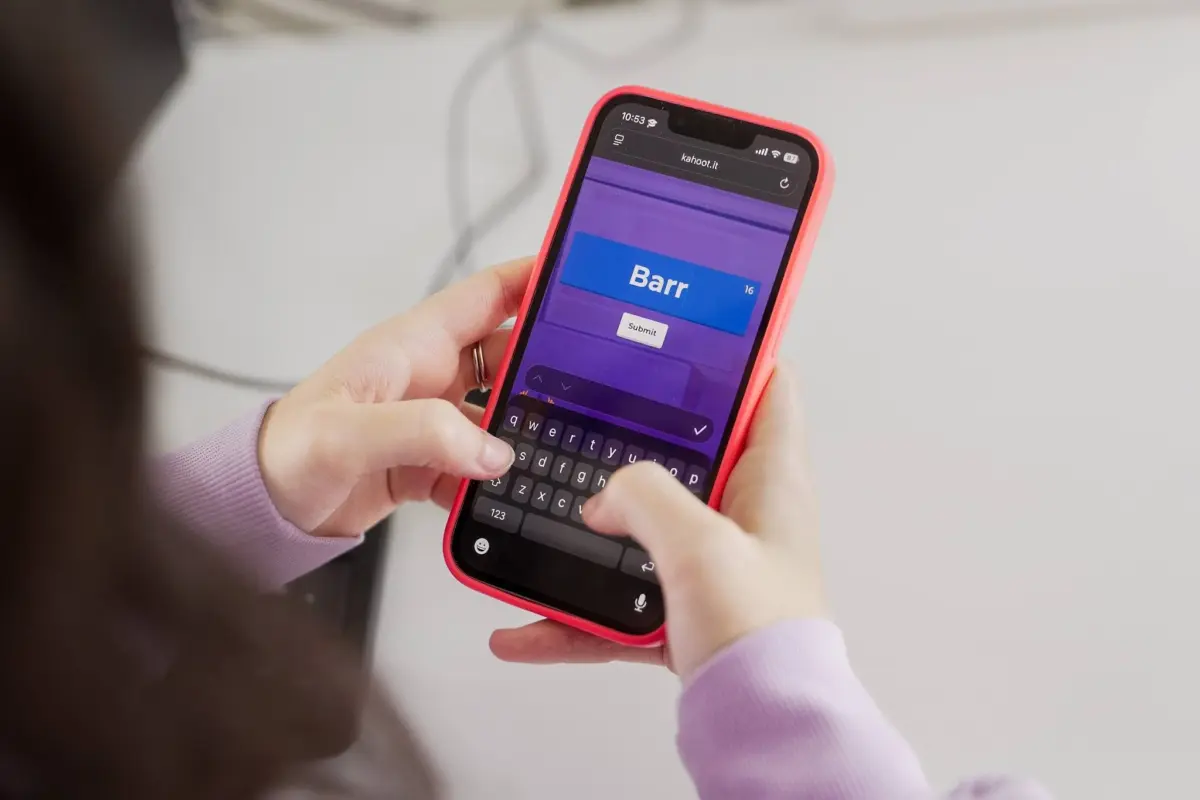
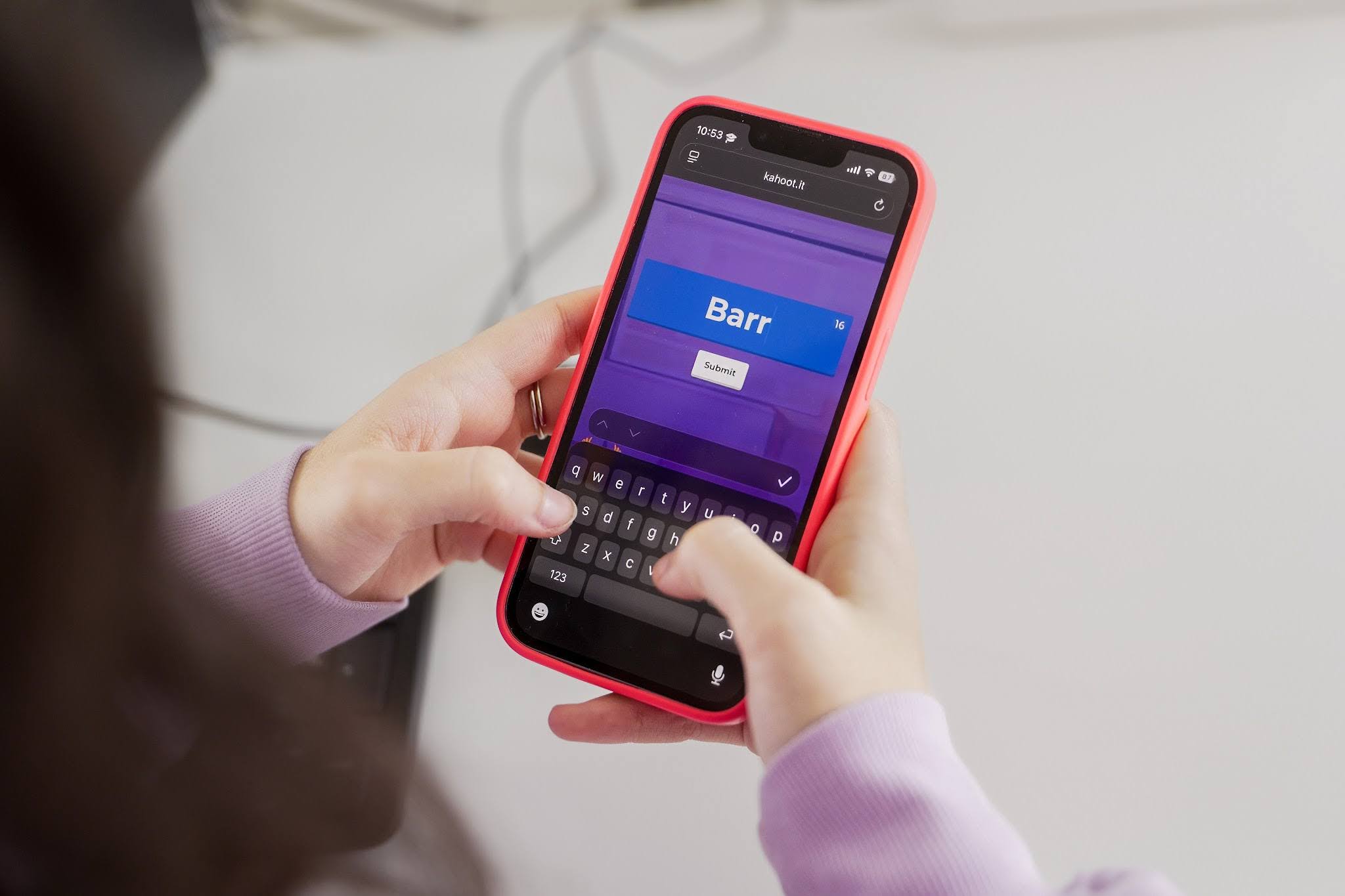
In this installment, the focus shifts to a single, high-leverage modification: deploying a low-stakes, pre-class formative assessment (specifically utilizing digital tools like Kahoot!) to shift preliminary comprehension checks outside of school hours. By collecting real-time diagnostic data before students cross the threshold of the classroom, teachers can instantly pivot from rigid lesson plans to dynamic, responsive facilitation. Rather than guessing where learning gaps lie, educators enter the room equipped with an empirical heat map of student comprehension, transforming the traditional classroom into an agile workshop for deeper inquiry.
1. DETAILED CHRONOLOGY: THE EVOLUTION OF THE MICRO-EXPERIMENT FRAMEWORK
To understand the architecture of the pre-class diagnostic micro-experiment, one must contextualize it within the broader four-part educational series designed to empower teachers without inducing burnout. Systemic educational change often fails because it demands immediate, irreversible commitments to expansive new routines—commitments that frequently collapse under the weight of an already saturated academic calendar.
The micro-experiment methodology directly counters this burnout cycle by enforcing three strict operational boundaries:
- The Scope Constraint: A micro-experiment is restricted to one clear, isolated variable.
- The Temporal Constraint: It runs for a short, non-negotiable fixed window (typically two to four weeks).
- The Outcome Constraint: Educators define a single metric or observable behavioral shift to monitor before the intervention begins.
The Series Arc: Building Toward the Flipped Classroom
- Part 1 (The Weekly Formative Check): Established baseline data tracking by inserting a single, low-friction diagnostic point into the weekly routine, evaluating whether regular check-ins could accurately predict summative performance.
- Part 2 (Student-Built Review Sessions): Shifted the locus of cognitive labor from the teacher to the learner. Students were tasked with generating their own review questions, forcing them to engage in higher-order thinking (applying Bloom’s Taxonomy) to understand how assessments are constructed.
- Part 3 (Team Play for Peer Explanation): Leveraged gamified team structures to transform passive multiple-choice answering into active, vocal peer-to-peer argumentation and conceptual defense.
- Part 4 (The Pre-Class Diagnostic / The Flipped Micro-Experiment): Addresses the ultimate logistical bottleneck—time scarcity—by utilizing asynchronous pre-work coupled with synchronous, data-informed responsiveness.
The Mechanics of the Four-Week Trial
To execute this specific micro-experiment successfully, educators are advised to implement a structured, four-week observation window rather than a permanent, unvetted policy change:
- Weeks 1–2 (Baseline Calibration): Introduce the pre-class assignment routine consistently for a single, focused class period or subject. The objective during these initial two weeks is not perfection, but habit formation. Educators monitor submission rates, identify friction points in student access, and calibrate the difficulty and length of the pre-class check.
- Weeks 3–4 (Data-Driven Lesson Adaptation): Leverage the incoming pre-class data analytics to explicitly alter lesson openings. If the data reveals universal mastery of a foundational concept, the educator ruthlessly cuts the planned ten-minute introductory lecture. Conversely, if analytics signal a collective stumbling block, the lesson plan adapts in real time to focus intensely on that specific misconception.
- The Post-Experiment Evaluation: At the conclusion of the fourth week, the educator conducts a retrospective analysis. Quantitative metrics (completion rates, post-unit retrieval check scores) are weighed against qualitative signals (student self-reports on preparedness, teacher stress levels during lesson delivery). The educator then executes one of three terminal decisions: adopt the practice permanently, adjust a single parameter and re-test, or abandon the approach entirely without having wasted an entire semester on a failed initiative.
2. SUPPORTING CONTEXT & METRICS: THE COGNITIVE ECONOMICS OF FLIPPED INSTRUCTION
The intellectual foundation of the pre-class diagnostic micro-experiment rests upon established cognitive science, particularly regarding working memory, cognitive load theory, and the efficiency of retrieval practice.
The Cost of Retrospective Instruction
In a standard 50-minute instructional block, educators frequently allocate a substantial block of time to what can be termed "assumption-based review." Without prior data, the teacher stands before the room and summarizes the assigned text or video, operating on the hopeful assumption that the material was consumed and understood.
This model introduces severe pedagogical inefficiencies:
- Disengagement of the Advanced Learner: Students who thoroughly mastered the reading find themselves subjected to redundant explanations, leading to boredom, disengagement, and behavioral drift.
- Concealment of the Struggling Student: In a whole-class review driven by vocal volunteers, struggling students often remain silent, nodding along with explanations they do not actually grasp until a high-stakes summative assessment exposes the failure.
- Compression of Higher-Order Tasks: Because time is finite, the protracted review period invariably cannibalizes the moments reserved for application, collaborative analysis, Socratic discussion, and individualized teacher intervention.
Metrics That Matter: What the Data Reveals
When educators introduce a low-stakes, pre-class digital assessment (such as a 3-to-5 question Kahoot!), the data generated shifts the entire locus of pedagogical control. Quantitative evaluation of this micro-experiment across various pilot classrooms reveals three distinct metrics of success:
[Pre-Class Digital Assessment Completed]
                   │
                   ▼
┌─────────────────────────────────────┐
│ Real-Time Analytics Generated        │
└──────────────────┬──────────────────┘
                   │
         ┌─────────┴─────────? Data Split ?
         ▼                   ▼
┌──────────────────┐ ┌──────────────────┐
│ High Mastery     │ │ Knowledge Gap    │
│ (>85% Correct)   │ │ (<50% Correct)   │
└────────┬─────────┘ └────────┬─────────┘
         │                    │
         ▼                    ▼
┌──────────────────┐ ┌──────────────────┐
│ Skip Review;     │ │ Pivot Lesson;    │
│ Expand Lab/Debate│ │ Target Remediation│
└──────────────────┘ └──────────────────┘- Precision of Remediation (Time Saved): Classrooms utilizing pre-class diagnostics report an average reduction of 65% in redundant introductory lecturing. This reclaimed time is systematically reallocated to active student discourse and complex problem-solving.
- Formative Diagnostic Accuracy: Educators note a dramatic increase in their ability to anticipate student misconceptions before entering the classroom, allowing them to curate targeted intervention groups instantly.
- Affective Engagement: Low-stakes, gamified pre-class checks mitigate the anxiety typically associated with traditional "pop quizzes" or graded reading logs, resulting in higher psychological safety and consistent participation rates.
3. OFFICIAL STATEMENTS & PEDAGOGICAL PERSPECTIVES
As educational institutions increasingly demand evidence-based instructional designs, cognitive scientists and veteran educators have weighed in on the operational realities of micro-experiments and lightweight flipped-classroom models.
Dr. Elena Vance, a prominent cognitive developmental psychologist specializing in educational workflows, emphasizes the psychological importance of low-stakes environments:
"When we operationalize assessment as an existential threat—something tied directly to grade penalties and high-stakes punitive metrics—we trigger cognitive defense mechanisms that inhibit deep encoding. The genius of integrating a micro-experiment built around a low-stakes digital check is that it decouples assessment from anxiety. It reframes the pre-class activity not as an audition for the teacher’s approval, but as an informational diagnostic tool for both parties. The student discovers what they don’t know in a safe environment, and the teacher discovers where instructional scaffolding is urgently required."
Marcus Thorne, a veteran secondary school STEM department chair who participated in the initial rollout of the micro-experiment series, shares operational insights from the ground level:
"For years, the ‘flipped classroom’ felt like an all-or-nothing proposition pushed by educational theorists. We were told to flip entire units, completely restructure our pedagogy, and abandon traditional models overnight. Unsurprisingly, teachers burned out trying. What the micro-experiment framework changed for my staff was the scale of ambition. By isolating the pre-class check to a single four-week trial on one specific topic, teachers stopped viewing innovation as an existential threat to their sanity. They saw data within forty-eight hours that proved whether the minor adjustment was worth keeping."
Furthermore, instructional design literature underscores that the success of asynchronous pre-work hinges entirely on brevity and relevance. If a pre-class assignment devolves into busywork—such as writing exhaustive, unread reading summaries—student compliance plummets. Conversely, when the pre-class check is gamified, fast-paced, and explicitly tied to what will happen tomorrow in the room, intrinsic motivation rises because students immediately perceive the direct utility of their preparation.
4. FUTURE OUTLOOK: SCALING MICRO-EXPERIMENTS ACROSS DISCIPLINES
As schools continue to navigate the intersection of digital learning tools, artificial intelligence, and traditional physical classrooms, the methodology of the micro-experiment offers a sustainable blueprint for ongoing professional growth. Rather than relying on top-down, mandated instructional overhauls that frequently generate faculty resistance, the micro-experiment empowers individual educators to become empirical researchers within their own classrooms.
The Trajectory of Agile Teaching
The future of classroom management and instructional design lies in Agile Pedagogy—borrowing principles from software engineering where iterative, rapid testing replaces massive, monolithic deployments.
Looking forward, the integration of pre-class diagnostics is projected to evolve along several distinct vectors:
- AI-Enhanced Pre-Assessments: Future iterations of micro-experiments will likely leverage adaptive learning algorithms. A pre-class digital assessment will not merely present a static set of questions to all students; instead, it will dynamically adjust its difficulty based on real-time responses, delivering a richer, highly granular diagnostic profile to the educator before the morning bell rings.
- Cross-Disciplinary Customization: While initially popularized in STEM and humanities reading comprehension checks, the micro-experiment framework is increasingly being adapted for physical education, the arts, and vocational training, proving that the core philosophy—small change, clear metric, fixed window—is universally applicable.
- Collaborative Teacher Inquiry Cycles: Schools are beginning to organize professional learning communities (PLCs) around micro-experiments. Instead of generic lesson-planning sessions, teachers run parallel four-week micro-experiments, compare their data sets, and collaboratively iterate on best practices.
Conclusion: The Power of One Small Change
Educational transformation does not require an educator to reinvent their entire professional identity over a single weekend. It begins with the willingness to isolate a single friction point, design a micro-intervention, observe the empirical signal, and make an honest, data-driven decision.
By turning the first five minutes of class from a passive review into an active response shaped by pre-class diagnostics, teachers reclaim their most valuable asset: time. As this four-part series demonstrates, sustainable pedagogical excellence is not achieved through grand, exhausting revolutions, but through the cumulative power of small, deliberate, and measurable experiments.
This concludes our four-part Back to School series on classroom micro-experiments. Armed with the methodology of one small change, one clear signal to watch, and a finite window of evaluation, educators possess a sustainable toolkit to drive continuous improvement throughout the academic year.

