WASHINGTON, D.C. — In an era defined by deep political polarization, mental health advocacy has emerged as one of the few unifying forces in Washington. Marking a historic milestone in youth-led policy change, Active Minds—the nation’s premier nonprofit mobilizing young adults to change the cultural conversation around mental health—welcomed the introduction of the bipartisan Campus Lifeline Act in the United States Senate.
The Senate companion legislation represents a crucial legislative step forward, building directly upon a parallel House bill introduced earlier this year. Authored and inspired directly by student advocates, the bill aims to systematically increase student awareness of the 988 Suicide & Crisis Lifeline while dramatically strengthening youth-informed, peer-led suicide prevention programs across the nation’s educational institutions.
Led in the Senate by a bipartisan coalition including Senators Dave McCormick (R-PA), Maggie Hassan (D-NH), Pete Ricketts (R-NE), and Tim Kaine (D-VA), the legislation signals growing recognition among lawmakers that addressing the youth mental health crisis is an urgent, non-partisan national priority.
Executive Overview
The youth mental health crisis in the United States has reached a critical juncture. Despite billions of dollars in systemic spending and a cultural shift toward open conversations about psychological well-being, young adults continue to face unprecedented hurdles in accessing care. Statistics from public health agencies show that suicide remains the second leading cause of death among Americans aged 15 to 24. Furthermore, research indicates that nearly half of all young adults who experience recurring suicidal ideation or attempts never seek professional medical intervention.
Against this backdrop, the Campus Lifeline Act introduces two primary mechanisms designed to bridge the gap between struggling students and life-saving resources:
Institutionalizing Awareness via Student IDs: The bill encourages states to prominently feature the 988 Suicide & Crisis Lifeline on newly issued student identification cards across K-12 school districts and higher education institutions.
Empowering Student-Led Prevention: The legislation strengthens the existing Garrett Lee Smith Campus Suicide Prevention Grant Program by incentivizing colleges and universities to actively involve students—and student-led mental health organizations—in the design and implementation of campus-wide prevention strategies.
This comprehensive overview explores the legislative origins of the Campus Lifeline Act, the statistical realities driving its necessity, official perspectives from policymakers and advocates, and the broader implications for the future of campus wellness cultures.
Detailed Chronology: From Grassroots Activism to Capitol Hill
The journey of the Campus Lifeline Act is a masterclass in modern grassroots advocacy, proving that students can directly shape federal legislation.
The University of Dayton Spark
The momentum behind the bill began not in the halls of Congress, but on a college campus. Students involved with the Active Minds chapter at the University of Dayton recognized a glaring disconnect: while crisis resources like the 988 Lifeline existed on a national scale, local students frequently did not know how to access them during moments of acute distress. These student leaders spearheaded an initiative to mandate or encourage the placement of the 988 Lifeline directly onto student ID cards—a tangible, everyday touchpoint that ensures a student in crisis always has the number within arm’s reach.
Scaling to the House and Senate
What started as a localized campus advocacy project quickly scaled. Active Minds adopted the initiative, transforming it into the organization’s very first piece of authored federal legislation. Earlier this year, a bipartisan version of the bill was introduced in the House of Representatives. On August 10, 2026, the movement achieved a major legislative milestone with the introduction of the Senate companion bill led by Senators McCormick, Hassan, Ricketts, and Kaine.
National Hill Day: Students Demand Action
The legislative introduction follows an unprecedented display of civic engagement. Last month, more than 200 youth and young adults traveled from across the country to participate in Active Minds’ inaugural National Hill Day. These young advocates fanned out across Capitol Hill, holding direct meetings with lawmakers from both sides of the aisle to advocate for the passage of the Campus Lifeline Act. Their presence underscored a central tenet of the modern mental health movement: solutions are most effective when designed in direct consultation with the populations they aim to serve.
Supporting Context and Metrics: The Statistical Reality
To understand why the Campus Lifeline Act is so urgently needed, one must examine the intersection of youth mental health statistics, communication preferences, and public awareness gaps.
The Impact of 988 and the Awareness Gap
Since the nationwide rollout of the 3-digit 988 Suicide & Crisis Lifeline, public health researchers have observed positive indicators, including an estimated 11% decline in youth suicide deaths. This drop highlights the immense value of providing an easy-to-remember, universally accessible crisis number.
However, a dangerous paradox persists: awareness among young adults remains alarmingly low. In 2024, only 5% of young adults reported baseline familiarity with the 988 service. While the infrastructure for help exists, the bridge connecting distressed youth to that infrastructure is structurally incomplete. By printing the lifeline on student IDs—an item every student carries—the Campus Lifeline Act seeks to close this awareness gap overnight.
The Peer-to-Peer Dynamic
Research consistently demonstrates that young adults experiencing psychological distress are significantly more likely to confide in a friend or peer before turning to a professional or institutional authority.
The Stigma Barrier: Studies show that nearly 50% of young adults with recurring suicidal thoughts never seek professional help, often driven by intense societal stigma, fear of judgment, or financial barriers.
The Role of Peers: Because friends are frequently the first line of defense, empowering student-led mental health organizations via the Garrett Lee Smith grant enhancements is a vital tactical strategy. Equipping students with the tools to recognize crisis signs and direct their peers to 988 leverages the natural social networks of youth environments.
Official Statements and Stakeholder Perspectives
The introduction of the Campus Lifeline Act has drawn widespread praise from a coalition of over 40 major mental health, education, healthcare, and youth advocacy organizations.
"At Active Minds, we believe that every student deserves access to mental health support before they reach a crisis,"said Anika Rahman, Director of Policy at Active Minds."We are grateful to the U.S. Senators for coming together across party lines to champion this effort, which recognizes that supporting young people’s mental health is not a partisan issue, it should be a national priority. By strengthening campus mental health resources and expanding access to evidence-based supports, this legislation will help ensure more youth and young adults can get the care they need, when they need it."
Lawmakers from both parties have echoed these sentiments, emphasizing the preventative power of peer-led initiatives.
"No family should have to experience the heartbreak of losing a child, classmate, relative, or friend to suicide,"said Senator Dave McCormick."Students are often the first to recognize when someone is struggling. The Campus Lifeline Act strengthens peer-led mental health efforts, expands awareness of the 988 Suicide & Crisis Lifeline, and gives colleges additional tools to connect students with support before a crisis becomes a tragedy."
The Broader Landscape: Cultivating Equitable Mental Health Cultures
The Campus Lifeline Act arrives as part of a broader, holistic movement within higher education and secondary schooling to redefine how institutions approach mental health and wellness. Organizations like Active Minds continue to push for structural transformations that go beyond reactive crisis management.
Lessons from Historically Black Colleges and Universities (HBCUs)
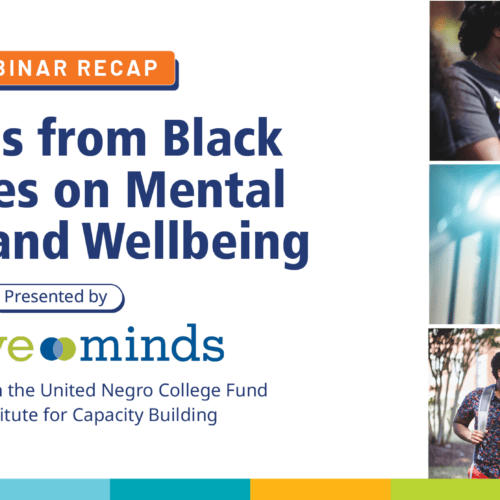
Recent programmatic initiatives—such as the collaborative report released by Active Minds and the United Negro College Fund (UNCF), “Lessons from Black Colleges on Mental Health and Wellbeing”—emphasize that sustainable mental health cultures must be equitable, inclusive, and integrated from the top down.
Key takeaways from these institutional models highlight that:
Leadership Buy-In is Essential: Mental health goals must be embedded directly into university strategic plans during initial planning stages to ensure long-term funding and operational continuity.
Holistic Care Reduces Stigma: Integrating mental health counseling directly into standard student health centers (where students might also visit for routine physical ailments like a cold) normalizes treatment and removes the fear and stigma associated with visiting a standalone psychological services building.
Inclusion of Diverse Communities: Outreach must intentionally center the unique cultural, faith, and systemic barriers faced by BIPOC and LGBTQ+ students, who historically underutilize traditional mental health services due to cultural stigmas or experiences of discrimination.
Future Outlook: What Lies Ahead for the Campus Lifeline Act?
As the Campus Lifeline Act navigates the legislative process in both chambers of Congress, its trajectory reflects a maturing national conversation about psychological well-being.
Active Minds, alongside its expansive coalition of institutional partners, student leaders, and educators, will continue to lobby for the bill’s advancement. The ultimate vision of the legislation is clear: to establish a consistent, nationwide standard where every student—regardless of zip code, socioeconomic status, or school district—possesses immediate, undeniable access to the tools of survival.
For young people navigating the complexities of modern academic and social life, the message of the Campus Lifeline Act is unequivocal: You are not alone, your mental health matters, and help is never more than three digits away.
If you or someone you know is struggling or in crisis, help is available. You can call or text 988 or chat at 988lifeline.org to reach the Suicide & Crisis Lifeline.