

Executive Overview
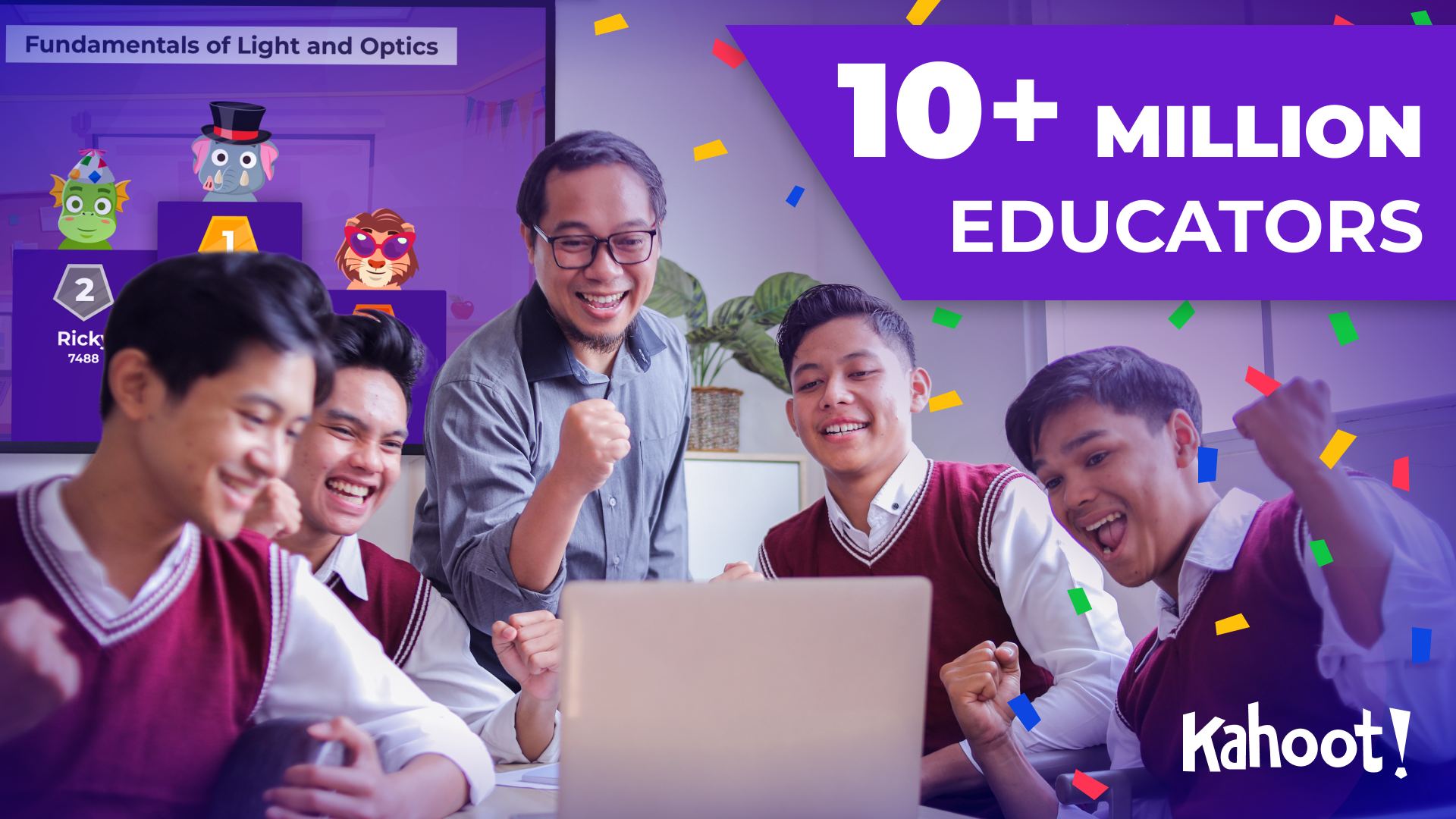
In the rapidly evolving landscape of global education, the intersection of technology and pedagogy has reached a transformative inflection point. A monumental milestone has recently been achieved within the international edtech ecosystem: Kahoot!, the globally renowned game-based learning platform, has officially surpassed a staggering 10 million active educator accounts worldwide.
This unprecedented achievement marks more than just a numerical triumph for a software application; it represents a profound cultural shift in how modern classrooms operate. Teachers, professors, corporate trainers, and lifelong learners across every continent are increasingly moving away from traditional, passive lecture formats. Instead, they are embracing interactive, gamified methodologies designed to maximize student engagement, retention, and comprehension.
By turning formative assessment into an immersive, joyful experience, Kahoot! has cemented its status as an indispensable pillar of modern instructional design. This comprehensive report explores the implications of this milestone, examining how interactive platforms are reshaping curricula, empowering educators, and preparing the workforce of tomorrow.
Detailed Chronology: The Rise of Gamified Learning
To understand the magnitude of reaching 10 million educators, one must examine the evolutionary trajectory of digital learning tools over the past decade. Gamification—the practice of integrating game design elements such as points, leaderboards, and immediate feedback loops into non-game contexts—was once viewed as a passing fad by traditional academic institutions.
However, pioneers in educational technology recognized early on that human psychology is inherently wired for play, competition, and goal-oriented achievement. When Kahoot! launched, it introduced a radically simple yet profoundly effective concept: turn quizzes into live, multiplayer game shows where participants use their own smartphones or tablets as controllers.
- Phase 1: The Grassroots Movement (Early Adoption): Initially adopted by forward-thinking K-12 teachers and university professors looking to break up the monotony of standard lectures, the platform spread organically through word-of-mouth recommendations within educational communities.
- Phase 2: Institutional Integration: As digital literacy grew among faculty and students alike, educational institutions began incorporating game-based tools into standard curriculum frameworks, recognizing measurable spikes in student participation and attendance.
- Phase 3: The Global Scaling Era: Accelerated by recent global shifts toward hybrid and remote learning environments, platforms like Kahoot! became vital infrastructure. They bridged the physical distance between instructors and learners, ensuring that engagement remained high despite geographical barriers.
Today, reaching the 10-million-educator mark signifies that gamified learning has transitioned from an alternative teaching method to a mainstream, globally trusted educational standard.
Supporting Context & Metrics: Why Gamification Works
The pedagogical rationale behind Kahoot!’s explosive growth is rooted in cognitive science and educational psychology. Traditional testing methods often induce high levels of anxiety among students, which can impair cognitive function, memory retrieval, and critical thinking. Conversely, game-based formative assessments transform high-stakes testing into low-stakes, high-engagement play.
The Science of Engagement and Retention
Research consistently demonstrates that active participation drastically outperforms passive listening. When students are actively engaged in a fast-paced, interactive challenge:
- Dopamine Release: Positive reinforcement triggers dopamine pathways in the brain, reinforcing learning loops and increasing knowledge retention.
- Real-Time Diagnostics: Instructors receive immediate, granular data regarding student comprehension. This allows educators to pivot instantly, addressing learning gaps before moving forward with new material.
- Peer-to-Peer Social Learning: Friendly competition fosters a collaborative classroom culture where students encourage one another, reducing the isolation sometimes felt in traditional academic settings.
As noted by leading educational researchers, platforms that combine social interaction with competitive elements tap into intrinsic human motivation, making complex subjects—from advanced mathematics to historical timelines—accessible and enjoyable.

Official Statements and Industry Impact
The announcement of the 10-million-educator milestone has drawn widespread acclaim from leaders across the global education and technology sectors. Industry analysts and institutional partners have praised the platform’s unwavering commitment to making learning awesome.
"Reaching 10 million educators is not just a milestone for Kahoot!; it is a testament to the dedication of teachers worldwide who continually seek innovative ways to inspire their students. By turning classrooms into vibrant arenas of discovery, these educators are proving that learning and fun are not mutually exclusive concepts."
— Industry Leadership Perspective
Furthermore, institutions ranging from primary schools to major international universities have highlighted how tools like Kahoot! bridge the generational divide between digital-native students and traditional instructional frameworks. By adapting to the ways modern learners consume information, educators are fostering critical thinking, digital literacy, and long-term academic resilience.
Future Outlook: What Lies Ahead for EdTech
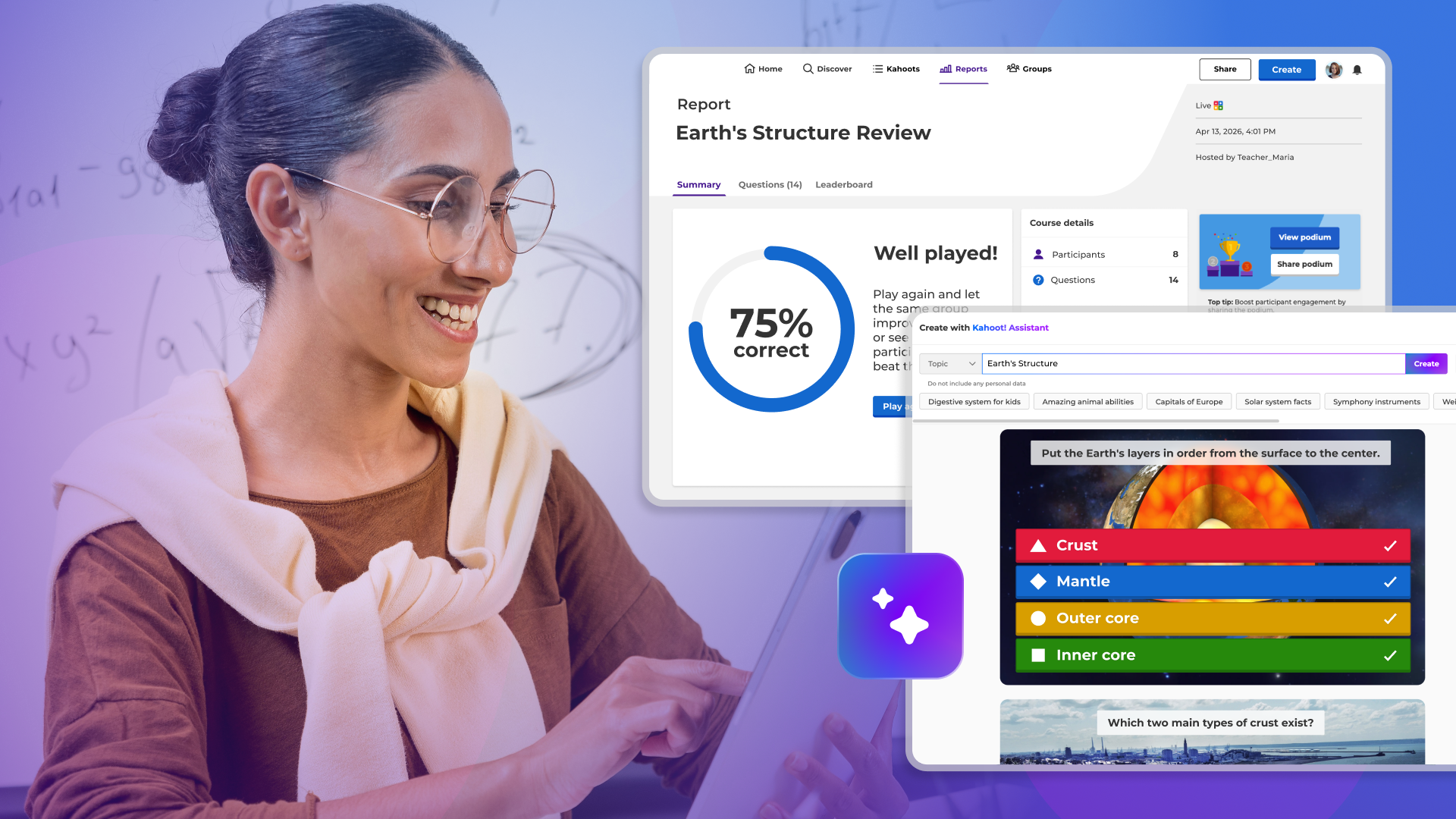
As we look toward the future of education, the role of interactive platforms is set to expand even further. The convergence of game-based learning with advanced technologies—such as artificial intelligence, adaptive learning pathways, and immersive digital environments—promises to unlock unprecedented levels of personalization in the classroom.
The milestone of 10 million educators is merely a foundational stepping stone. As schools, universities, and corporate training programs worldwide continue to embrace digital transformation, platforms like Kahoot! will play a pivotal role in shaping how knowledge is shared, tested, and retained across generations.
For educators looking to transform their classrooms and join this global movement, creating engaging, interactive learning experiences has never been easier. The future of education is interactive, collaborative, and—above all—fun.

