In the modern digital landscape, the arrival of a child is frequently treated as a complex engineering project waiting to be optimized. For parents coming from corporate, tech, or startup environments—where success is systematically mapped out through data inputs, continuous iteration, and target key performance indicators (KPIs)—the transition into early parenthood can morph into an exhausting quest for algorithmic perfection.
Nicole C. Lehmann-Haupt, a growth marketer by trade, discovered this phenomenon firsthand. Two months into welcoming her daughter, she found herself awake in the dark hours of a San Francisco night, clutching her smartphone and cross-referencing thermal TOG (Thermal Overall Grade) rating charts. A sudden, unseasonable heat wave had pushed the nursery temperature to 72 degrees, while the sleep sack her daughter wore was rated for a cooler ambient range of 64 to 68 degrees. A wave of acute panic set in: Was she overheating her child? Was this the correct chart? Should she check the baby’s hands, forehead, or core?
These rapid-fire anxieties quickly ballooned into a heavier, existential question: If basic environmental management required this level of intense investigation, how was she ever going to survive, let alone master, motherhood?
This feature-length investigative review explores the pervasive cultural trap of data-driven parenting. By examining the intersection of modern baby-tech consumerism, corporate optimization habits, and the psychological weight of the "quantified infant," we look at how stepping away from the screen can help parents quiet the noise and refocus on the unquantifiable human elements of raising a child.
Detailed Chronology: From Startup Metrics to Nursery Micro-Management
Long before their daughter drew her first breath, Lehmann-Haupt and her husband approached their impending parenthood with the meticulous preparation characteristic of tech startup culture. Armed with the belief that any complex system can be mastered through sufficient data collection, focus, and modern tools, they amassed an impressive arsenal of contemporary baby technology.
The Gear-Heavy Baseline
The nursery soon resembled a beta-testing lab for consumer hardware:
The Womb-Simulating Bassinet: Engineered to rock rhythmically, mimicking intrauterine motion to soothe infant nervous systems.
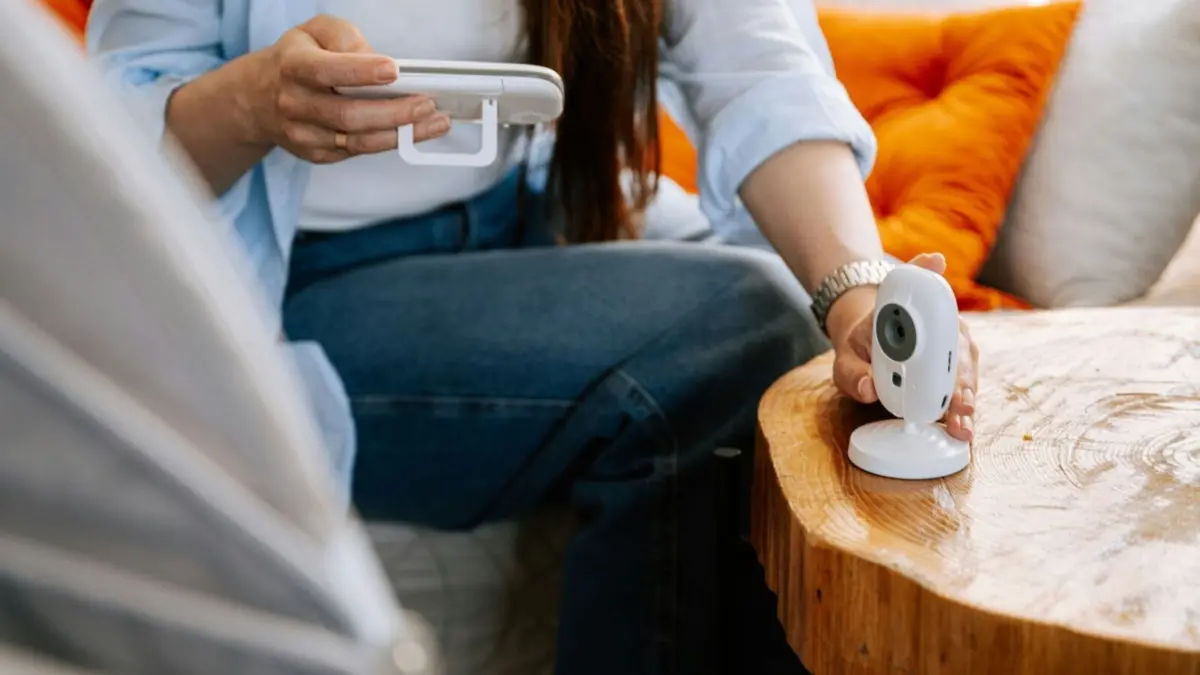
Smart Sleep and Growth Cameras: High-definition optical monitors designed to track sleep cycles, breathing cues, and physical development milestones in real time.
Vitals-Tracking Booties: Wearable sensors providing continuous feedback on heart rate and oxygen saturation.
Automated Formula Dispensers: Precision machines calibrated to dispense infant formula warmed to an exact, repeatable temperature.
Subscription App Trackers: Software suites designed to log the exact minutiae of daily schedules, from wet diapers to feed intervals down to the millisecond.
In the early weeks, these tools offered a comforting illusion of control. In the tech world, when a metric goes off-target, you diagnose the baseline, run a test, deploy a fix, and measure the outcome. The couple assumed the same linear logic applied to infant care.
However, parenting does not operate on a controlled sandbox environment. As Lehmann-Haupt observed, claiming you are fully prepared for parenthood is much like stepping off a cliff: you can interview experienced jumpers and buy the finest safety gear available, but at some point, gravity takes over.
The Turning Point: Letting Go of the Dashboard
The illusion of control began to fracture during an unseasonably warm autumn cold snap in the Bay Area. Their daughter came down with a minor viral infection, which brought intense nasal congestion and disrupted sleep. Unable to lie flat without coughing and struggling to breathe, the infant could only find relief when held upright against her mother’s chest.
Exhausted, sleepless, and pushed past the point of checking digital metrics, Lehmann-Haupt carried her daughter to the nursery armchair, rocked her until her breathing eased, and settled in for the night.
The phone remained untouched on a side table. There was no need to check an app to know how long the baby had been asleep, nor was there any anxiety over the exact time of her last feed. That knowledge came from a more immediate source: direct, physical presence. She was holding her child, responding to real-time biological cues rather than a digital notification. As the infant finally rested peacefully, Lehmann-Haupt looked out the nursery window at the San Francisco night sky, feeling a profound mixture of deep exhaustion and quiet, unmeasured gratitude.
Supporting Context & Metrics: The Rise of the Quantified Infant
Lehmann-Haupt’s experience is far from unique. Over the past decade, the multi-billion-dollar baby tech market has exploded, offering parents an unprecedented volume of data streams. Smart bassinets, wearable pulse oximeters, smart socks, and AI-driven crying translators promise to decode the mysterious inner workings of infancy.
The Psychological Toll of Over-Information
While these tools can provide genuine peace of mind for medically fragile infants or anxious parents navigating high-risk recoveries, they frequently backfire for the general population. Psychological studies on modern parenting show a direct correlation between excessive infant data tracking and elevated postpartum anxiety.
The Illusion of Mastery: When parents treat sleep windows and feeding charts as absolute laws rather than flexible guidelines, any deviation from the expected metric triggers a stress response.
Erosion of Intuition: Constant reliance on external sensors can erode a parent’s innate confidence in reading their child’s subtle body language, vocal tones, and behavioral cues.
The Comparison Trap: Algorithmic parenting forums and digital group chats often amplify worst-case scenarios, turning minor developmental variations into perceived failures.
As Lehmann-Haupt ultimately realized: "I had spent months trying to become an expert on the data patterns, and the infinitely more complex person I actually needed to become an expert on was right in front of me."
Official Perspectives & Expert Insights
Child development specialists, pediatricians, and maternal mental health advocates frequently warn against the hazards of over-engineering the early years of family life.
"Parents today are subjected to an unprecedented firehose of conflicting advice, smart-device metrics, and idealized digital representations of family life," notes Dr. Elena Vance, a developmental psychologist specializing in family systems. "When you attempt to treat a growing child like an optimized software release, you set yourself up for chronic burnout. Children thrive on responsive, emotionally available caregivers—not flawless adherence to arbitrary thermal charts."
Furthermore, maternal health advocates emphasize that the transition into parenthood is an identity rebirth, not merely a lifestyle adjustment. The pressure to "do it all right" often masks a deeper, underlying fear of inadequacy. Stripping away the digital noise allows parents to confront the messy, beautiful reality of raising a child without the safety net of an app confirmation screen.
Future Outlook: Reclaiming Presence in a Hyper-Connected World
Recognizing the trap of over-optimization does not mean discarding technology entirely or living entirely off the grid. Rather, it represents a conscious shift in how modern parents interact with the tools at their disposal.
For Lehmann-Haupt, the revelation did not transform her into someone completely immune to internet rabbit holes or anxious Googling. Her analytical, information-seeking nature remains a core part of her personality. However, motherhood has given her a vital new filter: the ability to recognize when the firehose of information stops being useful.
Practical Takeaways for Modern Parents
Auditing the Tech: Regularly evaluate whether the apps and smart devices in your home are genuinely serving your family’s well-being or simply feeding an underlying anxiety loop.
Prioritizing Presence Over Metrics: When a child is sick, distressed, or simply seeking connection, put down the phone, remove the smartwatch, and lean into direct physical engagement.
Embracing the Unstructured Moments: Cultivate time blocks in the weekly schedule—such as a quiet Saturday morning living room floor session involving books, music, and unscripted play—where nothing is tracked, measured, or optimized.
Ultimately, the chaotic unpredictability of raising a child cannot be solved by buying another product or cross-referencing another online chart. By trading the illusion of algorithmic control for the quiet confidence of lived presence, parents can step out from behind the screen and truly experience the journey alongside their children.