
Executive Overview
In the modern educational landscape, the integration of digital assessment tools into daily classroom routines has transitioned from an experimental luxury to an operational necessity. As school districts nationwide pivot toward mandatory digital standardized testing, educators are tasked with bridging the gap between traditional pedagogical frameworks and innovative technology.
A compelling case study emerges from Zenith Accelerated Academy in Orlando, Florida, where Video and Media teacher Debbie Bohanan successfully navigated a district-wide mandate requiring all end-of-year assessments to be digitized for the 2025–26 academic year. Rather than treating this technological shift as a disruptive hurdle, Bohanan leveraged her decade-long familiarity with the interactive learning platform Kahoot! to streamline the transition.
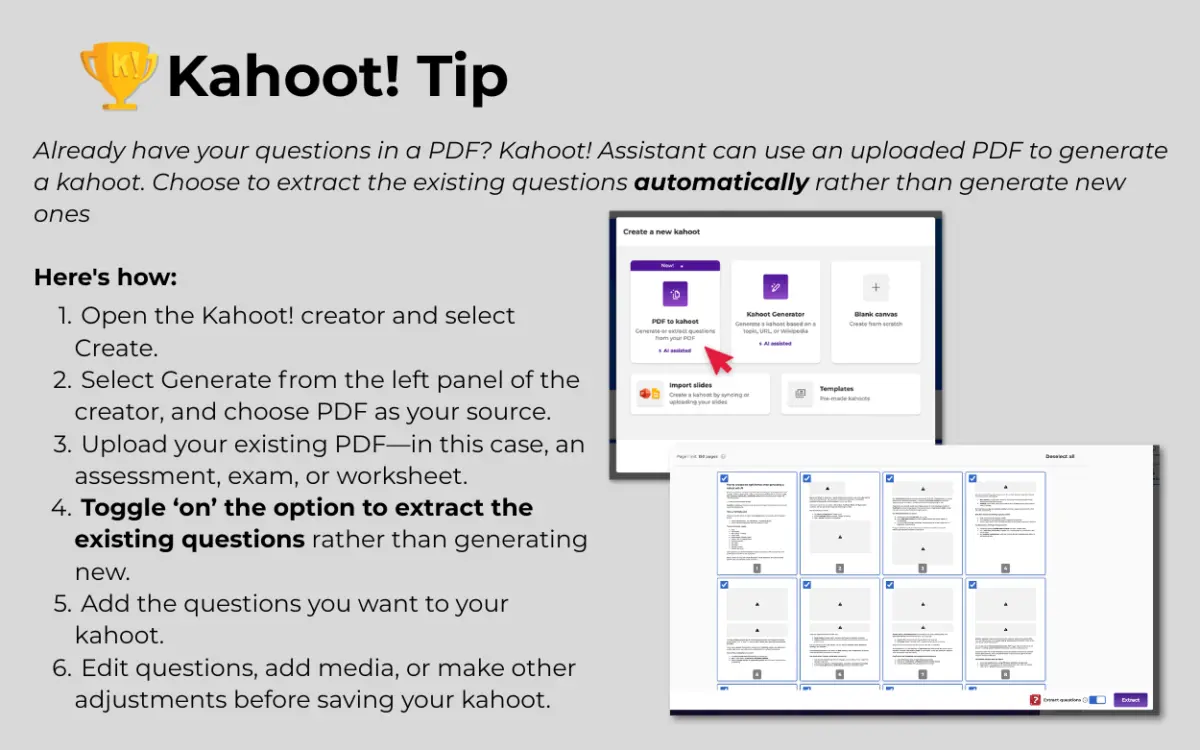
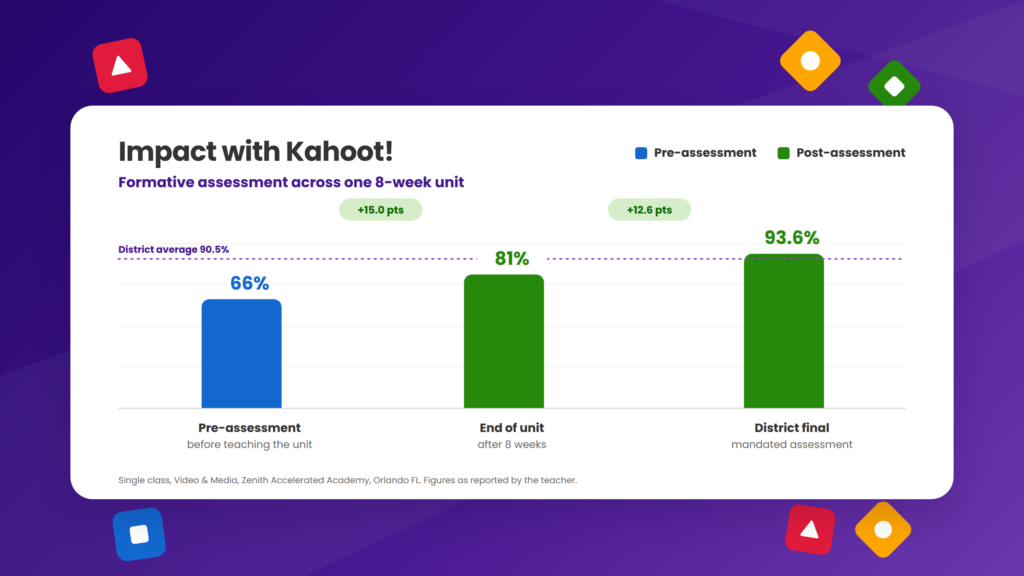
By strategically transforming a static, 50-question paper assessment into an interactive digital review experience—without the painstaking hours of manual data entry—Bohanan orchestrated a remarkable upward trajectory in student academic performance. Her students achieved a baseline score of 66% on the initial pre-assessment, progressed to 81% following eight weeks of targeted instruction, and ultimately peaked at an impressive 93.6% on the official district-mandated common assessment. This final metric placed her students 3.1 percentage points above the broader district average of 90.5%.
This comprehensive report examines Bohanan’s pedagogical methodology, detailing how a continuous cycle of measurement, instruction, practice, and re-evaluation can reshape student learning outcomes. Furthermore, it explores the technological innovations—specifically PDF question extraction—that remove administrative friction for educators, offering a scalable blueprint for schools navigating the digital frontier.
Detailed Chronology: From Baseline to Benchmark
The success observed in Bohanan’s classroom was not the result of a single, isolated review session, but rather the culmination of a meticulously planned eight-week instructional cycle. The process unfolded across distinct, measurable phases that prioritized continuous student engagement and iterative learning.
Phase 1: Establishing the Baseline
At the inception of the instructional unit, Bohanan administered a comprehensive pre-assessment, yielding a class average of 66%. Within her educational philosophy, this baseline score was never interpreted as a definitive verdict on student capability. Instead, it served as a diagnostic compass.
Because Kahoot! was already an embedded component of her daily instructional rhythm, students experienced zero technological friction. They were entirely comfortable with the mechanics of digital question delivery, immediate feedback loops, and interactive review dynamics. This existing digital literacy allowed Bohanan to bypass the typical learning curve associated with new educational technology and immediately direct her pedagogical focus toward identifying learning gaps and formulating targeted intervention strategies.
Phase 2: The Eight-Week Instructional and Review Cycle
Over the subsequent two months, Bohanan wove digital review mechanics directly into the daily learning fabric. Rather than relying on traditional cramming sessions immediately prior to an exam, she implemented a strategy of repeated exposure.
Key concepts and core curriculum objectives were revisited continuously through a combination of in-class lectures, collaborative review activities, and asynchronous, game-based homework assignments. By encountering challenging material multiple times across varied contexts, students were encouraged to repeatedly retrieve knowledge from long-term memory.
By the conclusion of this eight-week period, a follow-up assessment revealed that the class average had surged to 81%. This represented a substantial 15-percentage-point gain from the initial baseline, confirming the efficacy of continuous, low-stakes digital reinforcement.
Phase 3: Transitioning to the District Assessment
The final and most critical milestone arrived when students sat for the district-mandated, standardized end-of-year assessment. Comprising rigorous, high-stakes questions utilized for district-wide reporting, this exam tested the absolute limits of student comprehension.
When the official scores were tabulated, Bohanan’s students recorded a phenomenal class average of 93.6%. This performance outpaced the overall district average of 90.5% by 3.1 percentage points, solidifying a clear pattern of academic growth that began with the initial 66% pre-assessment.
Supporting Context & Metrics: Overcoming Administrative Hurdles
While the pedagogical strategy was sound, executing it presented a significant logistical challenge: the district’s mandatory assessment comprised 50 complex questions. Furthermore, because these questions were tied to official standardized reporting metrics, the digital review materials had to mirror the exact vocabulary, syntax, and conceptual framing found on the official paper test.
The Administrative Bottleneck
Historically, preparing a digital review asset of this magnitude manually would have required an immense expenditure of time. Bohanan would have been forced to dedicate numerous planning periods and after-hours sessions to meticulously re-type fifty multi-part questions and answer choices while safeguarding the exact wording of the original document. For modern educators already grappling with heavy workloads, time scarcity is a primary driver of burnout.
Leveraging PDF Question Extraction
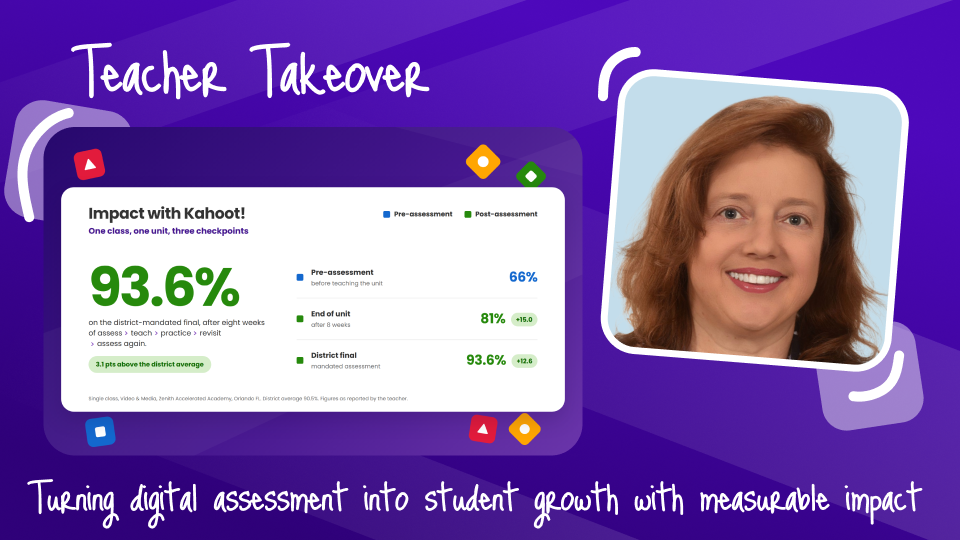
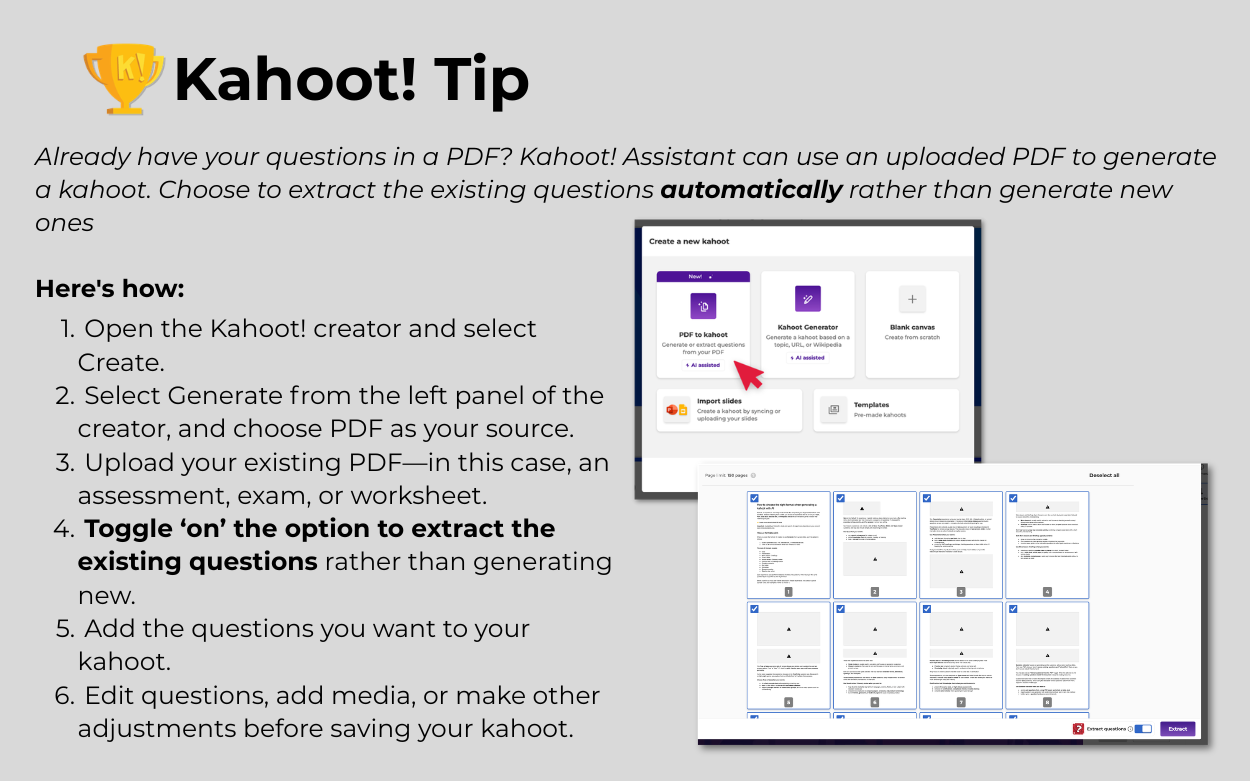
To circumvent this bottleneck, Bohanan utilized Kahoot!’s advanced PDF question extraction capability. This feature transformed her workflow entirely:
- Document Upload: Bohanan uploaded the existing paper-based district assessment directly into the platform as a PDF file.
- Automated Conversion: The integrated assistant extracted the ready-made questions, instantly converting static text into dynamic, interactive Kahoot! questions.
- Fidelity and Engagement: The resulting digital review game retained the precise language and academic rigor required by the district while injecting the engagement, real-time feedback, and flexible pacing of a digital game format.
What could have easily consumed hours of manual preparation was compressed into a matter of seconds. This technological intervention not only preserved Bohanan’s personal planning time but also ensured absolute alignment between classroom review and high-stakes evaluation metrics.
Official Statements and Pedagogical Philosophy
The implications of Bohanan’s success extend far beyond her individual classroom walls, offering profound insights into the philosophy of modern educational assessment.
Redefining the Role of Assessment
Reflecting on her teaching methodology, Bohanan emphasizes that digital assessment should never serve as a mere electronic substitute for traditional pencil-and-paper testing. Instead, it must be integrated into a holistic instructional strategy that generates actionable intelligence for the educator and empowering feedback for the student.
"Assessment is most powerful when it doesn’t simply tell us what students know. It helps us decide what to do next." — Debbie Bohanan
This philosophy underpins the continuous feedback loop established in her classroom, which can be mapped into a five-stage operational cycle:
$$textMeasure Baseline longrightarrow textIdentify Needs longrightarrow textTargeted Practice longrightarrow textMeasure Growth longrightarrow textApply to Common Assessment$$
Replication and Colleague Adoption
The validity of Bohanan’s approach was further underscored by the reaction of her peers. Upon observing the measurable academic gains achieved by her students, fellow faculty members at Zenith Accelerated Academy requested access to her pre-assessment and post-assessment structures.
By establishing a seamless digital workflow, maintaining strict content alignment, and prioritizing iterative practice, Bohanan inadvertently created a scalable pedagogical model. Her colleagues recognized that this framework could be readily adapted across different subjects and grade levels to drive similar mastery outcomes.
Future Outlook: The Evolution of Digital Classrooms
As educational institutions look toward the future, the lessons learned from classrooms in Orlando, Florida, provide a clear roadmap for digital integration. The rapid evolution of AI-assisted tools—such as automated PDF question extractors and advanced reporting analytics—signals a permanent shift in how educators prepare students for standardized evaluations.
Scalability and Teacher Empowerment
The primary barrier to technological adoption in schools has rarely been a lack of willingness among teachers; rather, it has been the sheer administrative burden of transitioning legacy materials into modern formats. By demonstrating how automated extraction tools can eliminate hours of manual transcription, this case study highlights the importance of equipping educators with technology that works for them, freeing up vital cognitive and emotional bandwidth for direct student engagement.
The Road Ahead for Digital Literacy
As school districts increasingly mandate digital common assessments, student familiarity with digital interfaces will remain a prerequisite for academic success. Classrooms that normalize digital interaction through formative gaming platforms will consistently outperform those where technology is introduced only at the moment of high-stakes testing.
Debbie Bohanan’s journey at Zenith Accelerated Academy demonstrates that when thoughtful instructional design is paired with intuitive, time-saving educational technology, the results speak for themselves: engaged students, empowered teachers, and measurable academic excellence that transcends district benchmarks.

