
Breaking Through the Noise: The Ripple Effect of Sudden Loss and the Urgent Need for Mental Health Awareness
Executive Overview
In an era defined by hyper-connectivity, digital communication often serves as the invisible tether holding families and friends together across geographic and temporal divides. Yet, the same pocket-sized screens that facilitate modern life can also become the medium for unimaginable grief. This is an account of how a routine, mundane holiday evening along the Virginia-North Carolina border was shattered in an instant by a single notification—a digital missive carrying news so profound it permanently altered the trajectory of a family.
Beyond the personal narrative lies a broader societal reality: the sudden loss of a loved one to suicide sends devastating shockwaves through communities, leaving behind an intricate web of grief, disbelief, and lingering questions. This feature examines the anatomy of sudden bereavement during a global crisis, the psychological mechanisms of disbelief and trauma response, and the critical importance of accessible crisis intervention resources like the 988 Suicide & Crisis Lifeline. By contextualizing personal tragedy within national public health metrics, this report underscores the urgent need to destigmatize conversations surrounding mental health, dismantle the isolation amplified by pandemic-era restrictions, and foster a culture of proactive emotional support.
Detailed Chronology: The Night the Screen Changed Everything
The evening began with the familiar, low-stakes friction of domestic life. It was late, deep into the winter holiday season, and the household was winding down. In the living room, a familiar sibling rivalry was playing out. For years, the family had affectionately referred to themselves and each other as "the bickersons"—a lighthearted moniker earned over a solid dozen years of sibling back-and-forth. On this particular night, however, the bickering had crossed a minor threshold. A tired father intervened, asking his children to quiet down and bring an end to the squabble.
Frustrated by the intervention—insisting they were merely bickering rather than genuinely arguing—the narrator instinctively reached for a smartphone. The vehicle of choice was Snapchat, an app initially acquired years prior after relentless adolescent lobbying because "everyone else had it." The immediate goal was trivial: to bypass the geographic separation enforced by COVID-19 travel restrictions and gauge whether parents might permit an outdoor, socially distanced Christmas light tour with a cousin living nearby.
Instead of a cheerful logistical reply, the chat interface displayed a message waiting to be opened.
It was long, serious, and fundamentally out of character. The cousin on the receiving end was notorious for pranks, frequently landing in hot water for elaborate jokes that stretched the boundaries of humor. Yet, the message began with an innocuous, disarmingly casual southernism: "Hey girl…"
The juxtaposition between the colloquial greeting and the gravity of what followed created an immediate cognitive dissonance. The message delivered an irrevocable truth: an uncle had died by suicide.
An ordinary Wednesday afternoon had abruptly terminated a life built within a tight-knit community across the state line. The uncle was a fixture of the local social fabric—a man described by those who knew him best as a perpetual jokester who charmed strangers with genuine smiles and encyclopedic retention of personal trivia. He was the kind of person who remembered obscure personal interests long after the context had faded from memory. To younger generations, he also existed as living folklore, immortalized in riotous retellings of coastal youth along the Outer Banks: KISS albums, bus rides, midnight beach escapades, and curfew-breaking adventures shared with a sister who remembered him as an indelible part of her past.
The immediate aftermath was defined by raw denial. Responding to the screen with indignant fury, the text read:
“is this a joke ????”
“you’re not joking, this isn’t a dare … really?????”
Profanities slipped out in front of a startled father as the narrator sank into the living room couch, mentally wishing for the worn-out green sofa of childhood—a piece of furniture with a familiar, indented corner capable of swallowing a person whole. The psychological defense mechanism was desperate and fleeting: the hope of falling asleep, waking up the next morning, chalking the entire episode up to an overactive imagination, and laughing off the nightmare with a phone call to the uncle.
Instead, reality pressed forward. Handing the phone to a father worn thin by a grueling workday, the narrator demanded confirmation that the cousin had crossed a line. But the father’s reaction was chillingly composed. Recognizing the absolute gravity of the source, he knew instantly that this was no prank.
Following him into the master bedroom, the narrator watched as her sleeping mother was awakened and given the news. The initial response—sleep-muffled and defiant denial—gave way to a chilling silence that would color the weeks ahead. The vibrant childhood stories that had formed the bedrock of family lore were instantly recast in melancholy and regret.
In a poignant coda to that holiday season, the family made a spur-of-the-moment trip to an ASPCA shelter on Christmas Eve, returning home with a rescued Rottweiler named Hollybelle. Amidst the wrapping of dog toys and collars to ensure the new pet felt included, family members recognized the unspoken truth: the rescue dog was brought home not just for the children who had begged for a decade, but as a lifeline of comfort for a grieving mother.
Supporting Context & Metrics: The Pandemic Intersection and Mental Health
To view this tragedy in isolation is to miss the broader systemic pressures that characterized the period in which it occurred. The late-2020 holiday season unfolded under the heavy shadow of the COVID-19 pandemic. Public health restrictions, physical distancing mandates, and widespread economic uncertainty had radically compressed social support networks.
Public health researchers have extensively documented the psychological toll of pandemic-era isolation. For individuals already navigating underlying vulnerabilities, the sudden severance of routine community touchpoints—church groups, local clubs, casual neighborhood interactions, and family gatherings—created fertile ground for acute psychological distress.
According to data from the Centers for Disease Control and Prevention (CDC) and public health monitoring organizations, rates of anxiety, depression, and psychological distress elevated significantly during the pandemic years. While national aggregate suicide rates fluctuated in complex ways during the initial phases of the health crisis, specific demographics—particularly middle-aged adults facing disruptions in employment, social standing, and community integration—experienced profound stressors.
The profile of the uncle—a beloved, community-oriented figure known for humor and charm—highlights a critical, often misunderstood aspect of mental health crises: the phenomenon of masking. Individuals experiencing severe depressive symptoms or suicidal ideation frequently maintain outward personas characterized by high functionality, humor, and attentiveness to others. This behavioral masking can effectively shield distress from spouses, children, and close friends, leaving communities profoundly shocked when tragedy strikes.
Furthermore, the secondary trauma experienced by surviving family members is a recognized public health concern. The sudden, violent nature of suicide bereavement (often termed traumatic grief) places survivors at elevated risk for prolonged grief disorder, post-traumatic stress symptoms, major depression, and anxiety. The physical manifestations of this grief—ranging from sleep disturbances to intrusive thoughts and cognitive fatigue—mirror the symptoms observed in individuals surviving other forms of sudden, catastrophic loss.
Official Statements and Institutional Responses
In the wake of widespread public health advocacy and rising awareness surrounding mental health crises, federal and state agencies have restructured how society responds to acute psychological distress. A cornerstone of this modernization is the widespread implementation and promotion of the 988 Suicide & Crisis Lifeline.
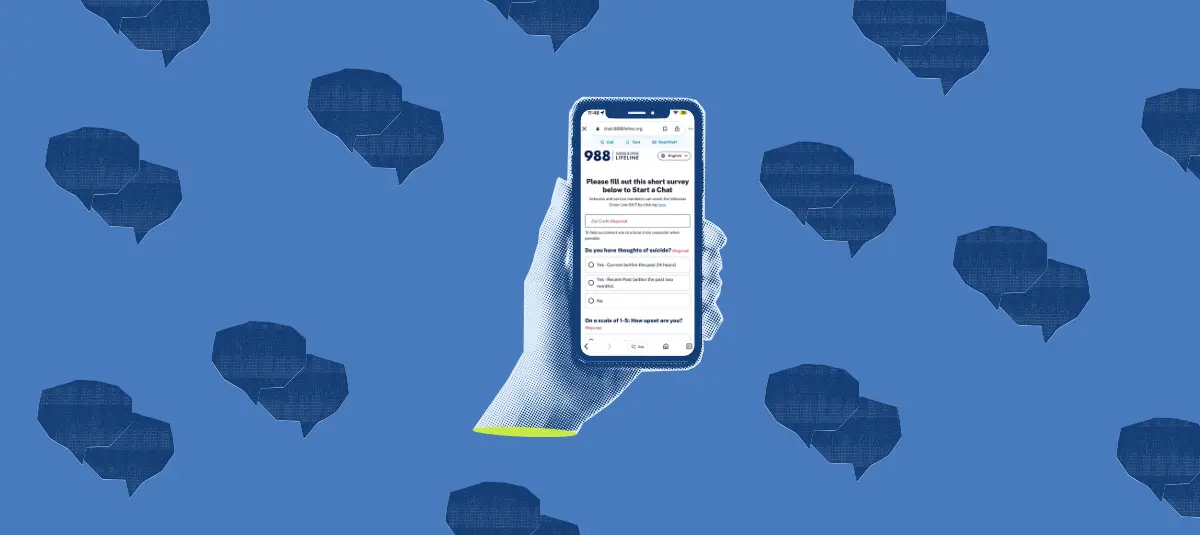
Transitioned to the easy-to-remember three-digit dialing code in July 2022, the 988 service replaced legacy 10-digit hotline numbers with a streamlined, nationwide access point for individuals experiencing mental health-related distress, emotional crisis, or suicidal ideation. Operated through a network of over 200 independent local call centers across the United States, 988 provides free, confidential, 24/7 support via call, text, and online chat.
Federal health officials, including representatives from the Substance Abuse and Mental Health Services Administration (SAMHSA), have repeatedly emphasized the preventative power of early intervention and open communication. Public health directives urge communities to normalize discussions around mental health, treating psychological distress with the same urgency and lack of stigma as physical medical emergencies.
Clinical experts stress that asking directly about suicide does not plant the idea in someone’s head; rather, it opens a vital door for relief. Institutional guidelines encourage friends, family members, and colleagues to recognize warning signs—such as drastic behavioral shifts, expressions of hopelessness, withdrawal from social activities, or the finalization of personal affairs—and to utilize professional intervention resources immediately.
Future Outlook: Building Resilience and Fostering Empathy
As society continues to grapple with the long-term psychological fallout of the pandemic and the ongoing mental health crisis, the imperative moving forward is clear: building structural and interpersonal resilience.
Preventing future tragedies requires a multi-layered approach that integrates mental health education into everyday life. Educational institutions, workplaces, and community organizations must prioritize emotional literacy, teaching individuals not only how to monitor their own mental health but also how to hold space for others without judgment.
Moreover, the technological tools that delivered devastating news across state lines can also be leveraged for good. Digital health platforms, telehealth services, and peer-support networks are expanding access to counseling, ensuring that geographic isolation is no longer a barrier to receiving timely care. Campaigns to promote resources like the 988 Lifeline must remain visible and pervasive, ensuring that anyone experiencing a moment of profound crisis knows precisely where to turn.
Ultimately, the enduring legacy of loss within families like the one chronicled here serves as a solemn reminder of the fragility of human life and the deep interconnectedness of our communities. By honoring memories through open dialogue, dismantling the stigma of seeking help, and leaning into empathy during times of profound darkness, society can move toward a future where fewer families receive that devastating notification, and where help is always within arm’s reach.
If you or someone you know is struggling or in crisis, help is available. You can call or text 988 or chat at 988lifeline.org.
It is important to take care of yourself when you are supporting someone through a difficult time, as this may bring up difficult emotions. If it does, please reach out for support yourself.

