Transforming the Modern Classroom: Kahoot! Unveils a Comprehensive Suite of AI-Powered and Unplugged Features for the New Academic Year
Lina Irawan September 23, 2026 28 views 0 Comments
Executive Overview
As educators worldwide prepare for the dawn of a new academic year, the pressure to deliver engaging, inclusive, and effective instruction has never been higher. Modern classrooms are dynamic environments defined by stark contrasts: teachers are tasked with bridging post-pandemic learning gaps—particularly in foundational mathematics—while simultaneously managing the digital distractions of smartphones and tablets, or navigating environments entirely devoid of personal devices.
In response to these complex, real-world educational challenges, Kahoot!, the global learning and gamification platform, has rolled out a sweeping suite of updates designed for the 2026 academic calendar. This comprehensive product refresh moves far beyond the platform’s traditional multiple-choice quizzes. It introduces device-free modalities, adaptive mathematical remediation powered by real-time analytics, expansive language-learning toolkits supporting over 55 languages, advanced open-ended critical thinking prompts for older students, and a state-of-the-art AI generation engine known as the Kahoot! Assistant.
This article provides an in-depth examination of these new features, analyzing how they address systemic pedagogical pain points, save educators invaluable preparation time, and foster deeper, more equitable student engagement across primary, secondary, and higher education institutions.
Detailed Chronology of the 2026 Back-to-School Release
The rollout of Kahoot!’s new academic year features represents the culmination of extensive feedback loops involving teachers, administrators, and educational researchers. Understanding the evolution of these tools highlights how the platform has adapted to the shifting needs of contemporary pedagogy.
Phase 1: Addressing the Digital Divide and Device-Free Classrooms
For years, the foundational premise of educational technology platforms relied on a "one-to-one" device model—where every student possessed a smartphone, tablet, or laptop. However, educational equity research continually demonstrates that not all schools have equal access to hardware. Furthermore, a growing cohort of school districts are implementing strict bans on personal mobile devices during instructional hours to combat distraction and screen fatigue.
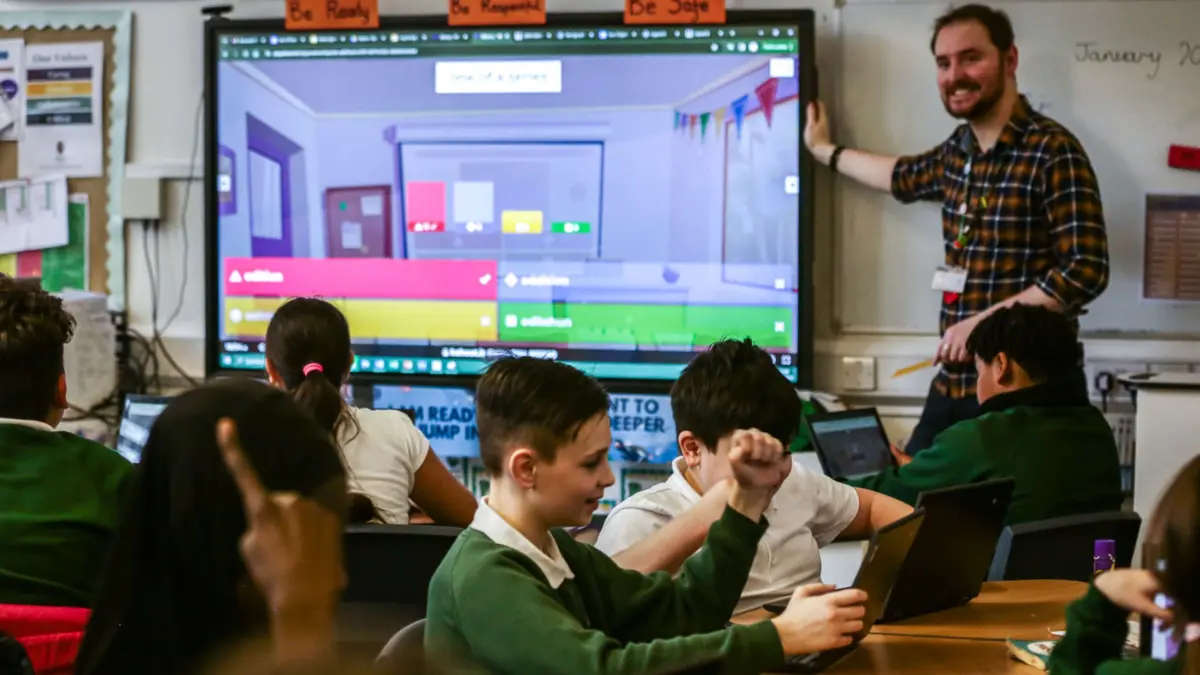
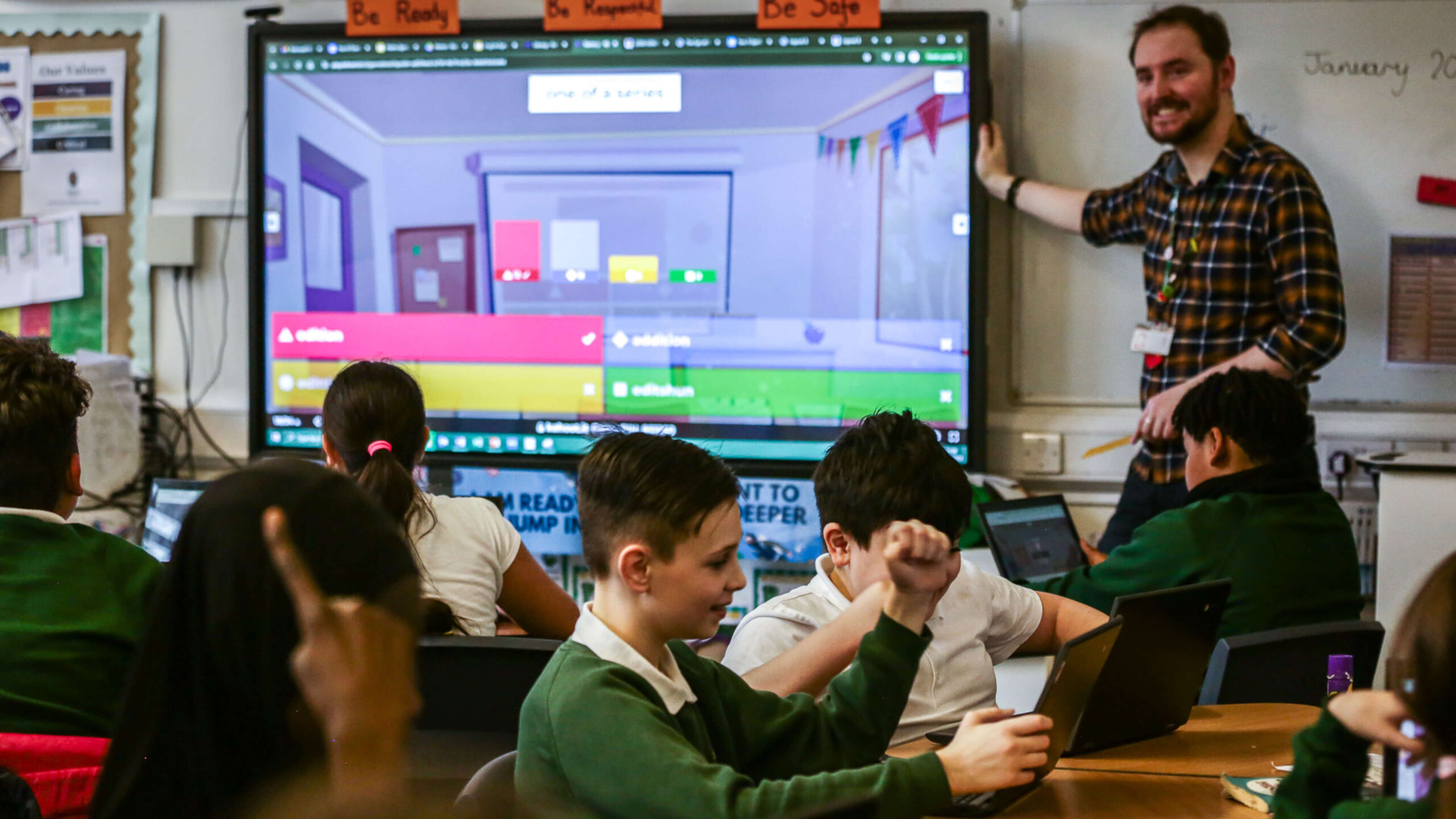
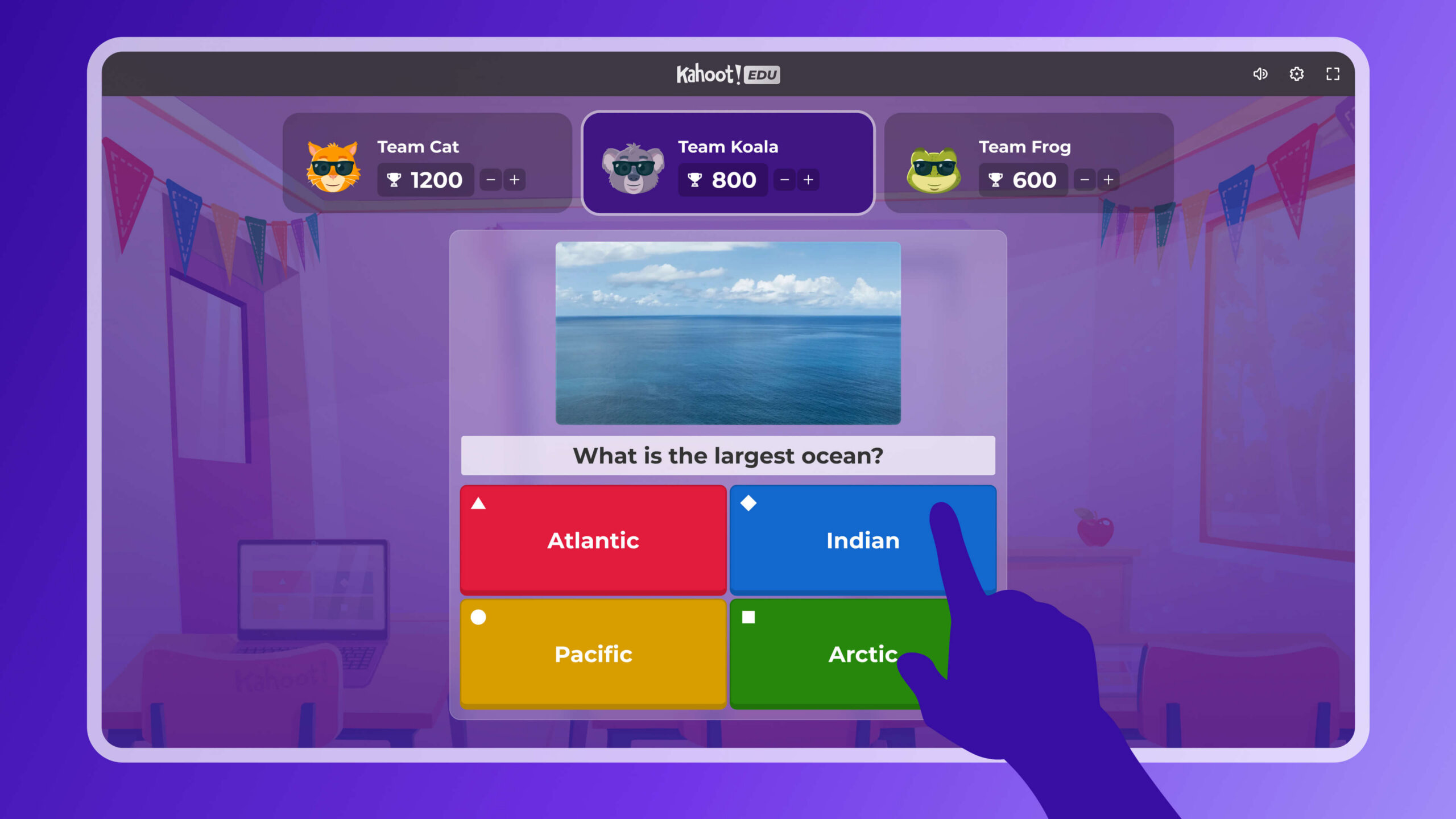
Recognizing this operational friction, Kahoot! engineered a strategic shift. Rather than locking interactive gamification behind personal screens, the platform developed Clásica: Unplugged and Mosaicos por equipos (Team Mosaics). Released ahead of the autumn term, these modalities allow educators to project a single interactive session onto a central classroom display. Students engage through verbal responses, physical flashcards, or collaborative small-group debates. This chronological pivot marks a major milestone for the company: acknowledging that digital engagement does not strictly require individual digital devices.
Phase 2: Targeting STEM Deficits Through Adaptive Practice
Mathematics education has faced unprecedented hurdles over the past several years, with longitudinal studies indicating widening achievement gaps in basic arithmetic, number sense, and algebra. Traditional worksheets often fail to address these gaps because they present a static difficulty level that bores advanced learners while overwhelming struggling students.
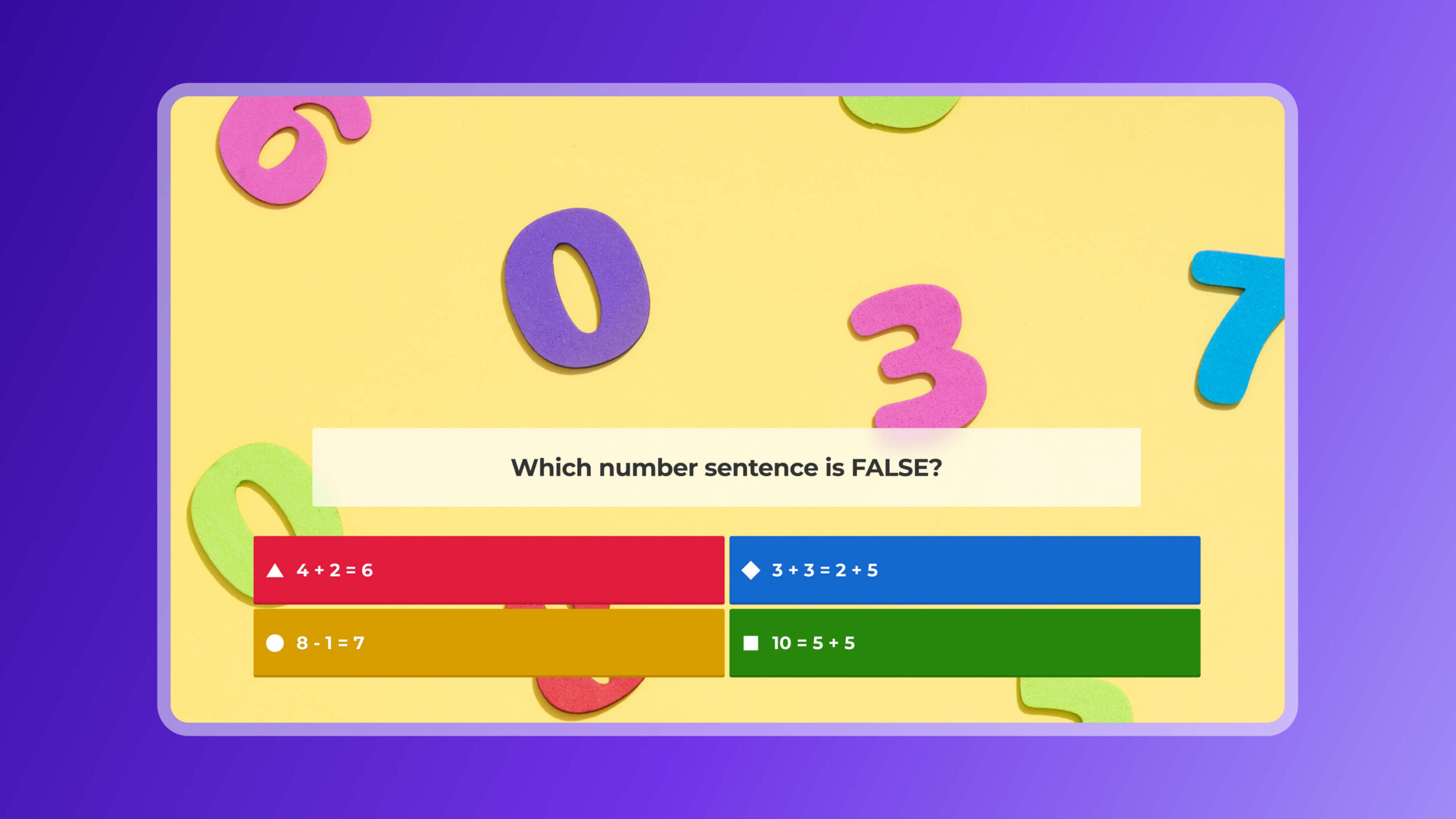
To counter this, Kahoot! integrated Misiones matemáticas (Math Missions) into its core ecosystem. Built as an adaptive practice tool, Math Missions continuously evaluates a student’s performance in real time. If a student struggles with algebraic equations, the system automatically recalibrates, offering targeted, scaffolded practice at a granular level. Conversely, advanced students are accelerated. This algorithmic intervention ensures that personalized remediation occurs seamlessly without requiring the teacher to manually grade dozens of differentiated worksheets.
Phase 3: Linguistic Expansion and Critical Thinking Scaffolding
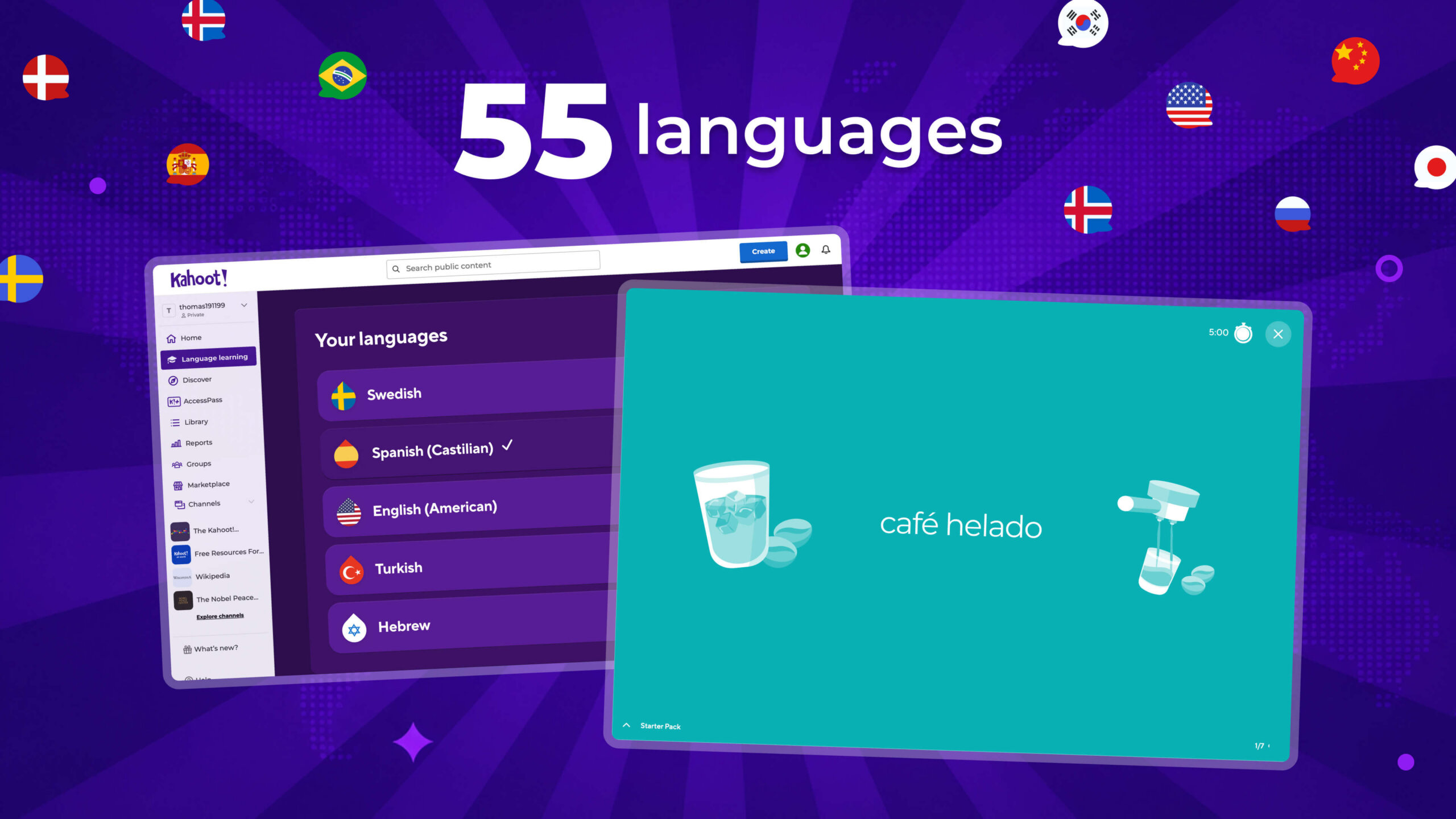
As classrooms become increasingly multicultural and multilingual, language acquisition has transitioned from an elective subject to an essential core competency. The subsequent release of Kahoot! Language Learning broke new ground by curating interactive lessons across more than 55 languages. By fusing micro-learning visual modules with high-energy gamified reviews, the tool provides educators with a flexible asset for warm-up exercises, multi-player vocabulary clashes, and assigned homework.
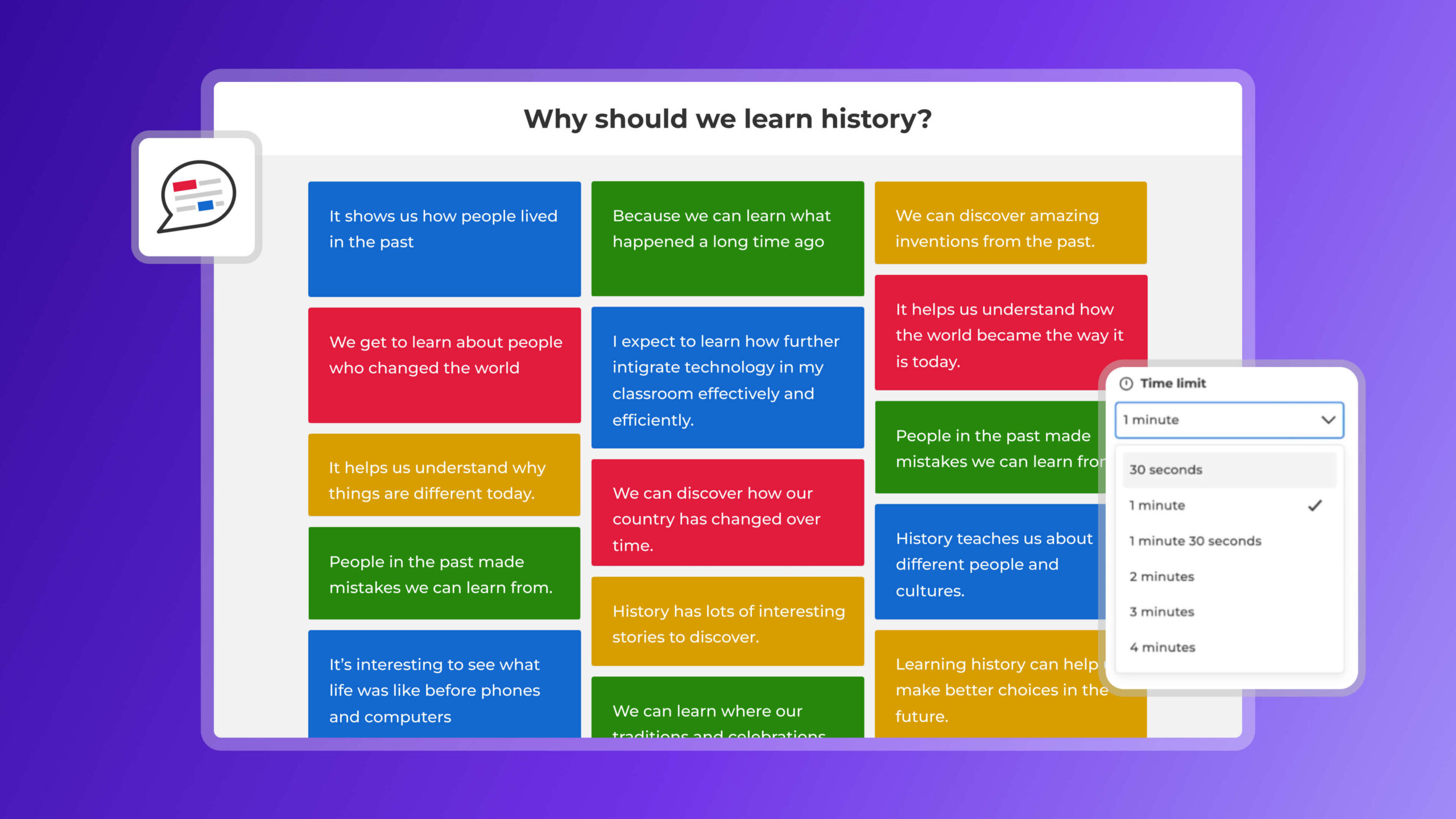
Simultaneously, educators teaching older cohorts (ages 16 and up) voiced a pedagogical demand for deeper analytical rigor. Standard multiple-choice formats, while excellent for recall, often fall short when evaluating complex synthesis, historical analysis, or ethical reasoning. In response, Kahoot! deployed advanced open-ended question types and brainstorming boards. These features allow students to submit qualitative thoughts, which are then mapped onto collaborative digital sticky-note boards in real time, driving rich classroom discourse and qualitative assessment.
Phase 4: Workflow Optimization via Artificial Intelligence
The final chronological pillar of the 2026 update focuses squarely on educator burnout and lesson preparation fatigue. Administrative duties and lesson planning consume hours of a teacher’s personal time. The debut of the Asistente de Kahoot! (Kahoot! Assistant) leverages generative artificial intelligence to streamline this workflow. By allowing instructors to input URLs, raw documents, or existing slide decks, the assistant instantly converts static material into interactive, gamified lesson plans, effectively eliminating hours of manual data entry and formatting.
Supporting Context & Metrics: The Pedagogical Landscape
To fully grasp the significance of Kahoot!’s 2026 updates, one must examine the broader data shaping modern education. According to recent educational technology benchmarks:
Preparation Time Strain: Teachers report spending an average of 10 to 12 hours per week outside of contractual hours on lesson planning and material curation. Tools like the Kahoot! Assistant directly target this inefficiency.
The Smartphone Ban Wave: Over 40% of school districts across major Western regions have enacted restrictions or outright bans on personal mobile devices in classrooms, making offline and shared-screen tools like Clásica: Unplugged essential for ed-tech survival.
Math Remediation Urgency: Standardized testing data highlights a persistent 15–20% deficit in grade-level mathematics proficiency compared to pre-2020 baselines, underscoring the critical need for adaptive platforms like Math Missions.
By aligning its product roadmap with these structural metrics, Kahoot! has transitioned from a supplementary quiz game into a comprehensive instructional infrastructure.
Official Statements and Pedagogical Philosophy
The underlying philosophy guiding these updates emphasizes flexibility, teacher empowerment, and student-centric pacing. Educational leads at Kahoot! have emphasized that technology should serve as a bridge, not a barrier, in the classroom.
"The beginning of a new school year is the ultimate window of opportunity to set classrooms up for enduring success," noted a senior product spokesperson during the global launch. "To help educators start on the right foot, our newest features are meticulously engineered to solve real, day-to-day friction points—ranging from navigating device-free mandates to closing fundamental math gaps. Whether an instructor wants to slash preparation time, spark critical thinking, or motivate homework completion, our updates deliver the agility needed to meet every single student precisely where they are."
Furthermore, experts in digital pedagogy have praised the integration of shared-screen options. Educational psychologists note that social interaction, verbal articulation, and collaborative peer debate—fostered by Team Mosaics and Unplugged modes—activate cognitive pathways that solitary screen-tapping often bypasses.
Future Outlook: The Evolution of Interactive Learning
Looking ahead, the trajectory of educational technology points toward hyper-personalization, seamless hybrid integrations, and ethical artificial intelligence deployment. Kahoot!’s recent release signals several long-term trends for the sector:
The Convergence of Online and Offline Spaces: The success of device-free modes proves that gamified learning does not need to rely on individual hardware. Future classrooms will likely see a hybrid model where physical manipulatives and verbal discourse are dynamically tracked and augmented by central AI displays.
AI-Driven Pedagogical Co-Pilots: As generative tools like the Kahoot! Assistant mature, we will move past simple quiz generation into predictive learning analytics. Future iterations of these assistants may automatically diagnose whole-class misconceptions from a single homework submission and draft customized remedial lesson plans overnight.
Equitable Global Accessibility: With over 55 languages integrated into its language suite, platforms like Kahoot! are breaking down linguistic barriers, enabling cross-border collaborative learning and supporting refugee or immigrant student integration at an unprecedented scale.
Professional Development and Getting Started
For educators eager to master these new capabilities, structured professional development pathways have been established. Institutions can access comprehensive training modules, such as the official professional development course on essential back-to-school resources, designed to fast-track teacher proficiency.
As schools navigate the opportunities and challenges of the 2026 academic year, comprehensive toolkits like Kahoot!+ Gold—tailored for primary, secondary, and higher education—alongside the foundational free tier (Kahoot! Go), offer scalable entry points for educators at every level. By lightening the administrative load and maximizing student engagement, these innovations reaffirm that the future of learning remains collaborative, adaptable, and profoundly human.