
Executive Overview
In the modern educational landscape, instructional coaching and school leadership are often built on a fundamental paradox: while the ultimate objective is to foster growth, innovation, and enhanced student outcomes, the immediate mechanism—asking educators to change their instructional practices—frequently triggers profound friction. Historically, when teachers push back against proposed changes, school leaders and instructional coaches have been quick to diagnose the barrier as a personal or professional shortcoming of the educator. Labels such as "resistant," "set in their ways," or "unwilling to innovate" have long dominated administrative post-mortems of failed professional development initiatives.
However, a paradigm shift is underway in educational psychology and leadership coaching. In her ninth and latest book, How to Coach Resistance: Turning Pushback Into Possibility, veteran instructional coach, author, and educational consultant Elena Aguilar challenges the conventional wisdom surrounding teacher pushback. Aguilar posits that resistance is not an isolated character flaw inherent to the teacher, but rather a dynamic, co-created interaction between two people. When a coach responds to hesitation with increased pressure, they inadvertently escalate the very defense mechanisms they are trying to dismantle.
This comprehensive overview explores Aguilar’s groundbreaking framework for navigating difficult professional conversations. By examining the emotional undercurrents of pushback, utilizing structured evaluation models like the ACE (Acknowledge, Cultivate, Expand) framework, accurately diagnosing growth gaps, and acknowledging legitimate, righteous pushback, instructional leaders can radically transform conflict into a collaborative catalyst for professional growth. Far from placing blame on educators or coaches, Aguilar offers a message of profound hope: because resistance is a dynamic interaction, it can be reshaped through intentional changes in coaching posture and communication strategy.
Detailed Chronology: The Evolution of Professional Coaching Dynamics
To fully understand the current revolution in coaching methodologies, it is necessary to examine how the relationship between instructional leaders and classroom teachers has evolved over recent decades.
Phase One: The Compliance-Driven Era
In earlier decades, instructional coaching and evaluation were predominantly administrative and compliance-driven. Supervisors observed classrooms primarily to ensure adherence to curricular pacing guides, state standards, and institutional mandates. In this top-down environment, pushback from teachers was treated as insubordination or incompetence. The professional recourse was disciplinary action or mandatory remediation, which routinely fostered cultures of fear, teacher alienation, and high turnover rates.
Phase Two: The Rise of Instructional Coaching
As educational research began to recognize the vital role of continuous professional learning, the role of the "instructional coach" emerged. Rather than evaluating teachers for punitive purposes, coaches were deployed as non-evaluative partners designed to help educators refine their craft. Yet, early iterations of coaching often retained an underlying prescriptive bias. Coaches frequently entered classrooms armed with "best practices" that they felt compelled to install, regardless of the local context, student demographic, or teacher bandwidth. When teachers resisted these externally imposed interventions, coaches frequently defaulted to old assumptions: that the teacher simply lacked the motivation to improve.
Phase Three: The Relational and Emotional Turn
The contemporary era—championed by thought leaders like Elena Aguilar—represents a fundamental reckoning with the human and emotional dimensions of adult learning. Recognizing that teaching is an intensely emotional, high-stakes profession, modern coaching theory shifts the focus from mere behavioral compliance to emotional safety, relational trust, and cognitive partnership. Aguilar’s work marks a critical milestone in this evolution, moving the conversation away from how to fix resistant teachers to how coaches and leaders can alter their own behaviors to invite authentic collaboration.
Supporting Context & Frameworks: Deconstructing Pushback
Aguilar’s methodology provides actionable, structured frameworks that move educators away from adversarial standoffs and toward shared problem-solving. Below are the foundational frameworks detailed in her work.
[ Traditional Approach ] ──► Coach exerts pressure ──► Teacher defends ──► Escalation & Stalemate
[ Aguilar's Approach ]   ──► Coach drops pressure ──► Genuine Curiosity ──► Collaborative Growth
1. The Dynamic Interaction Model: Dropping the Hand
The core premise of Aguilar’s philosophy is that resistance requires two participants exerting pressure against one another. When a coach insists that a particular strategy will work and a teacher insists that it is impossible for their students, both parties are locking hands in a tug-of-war of defensive posturing.
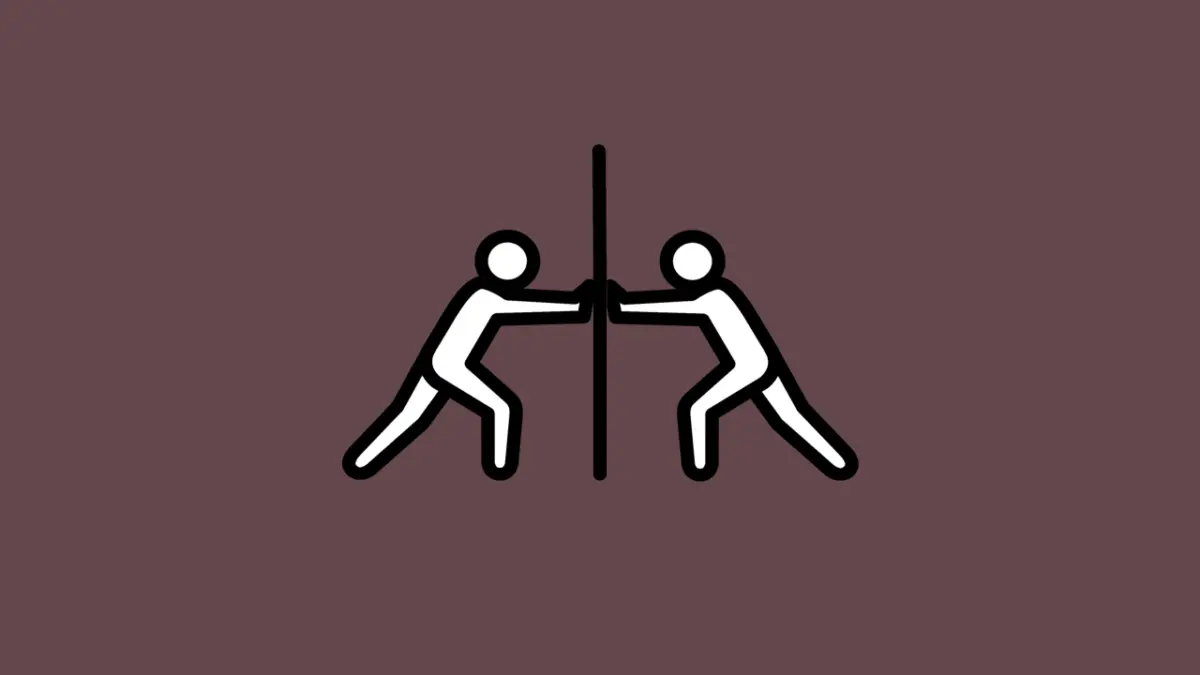
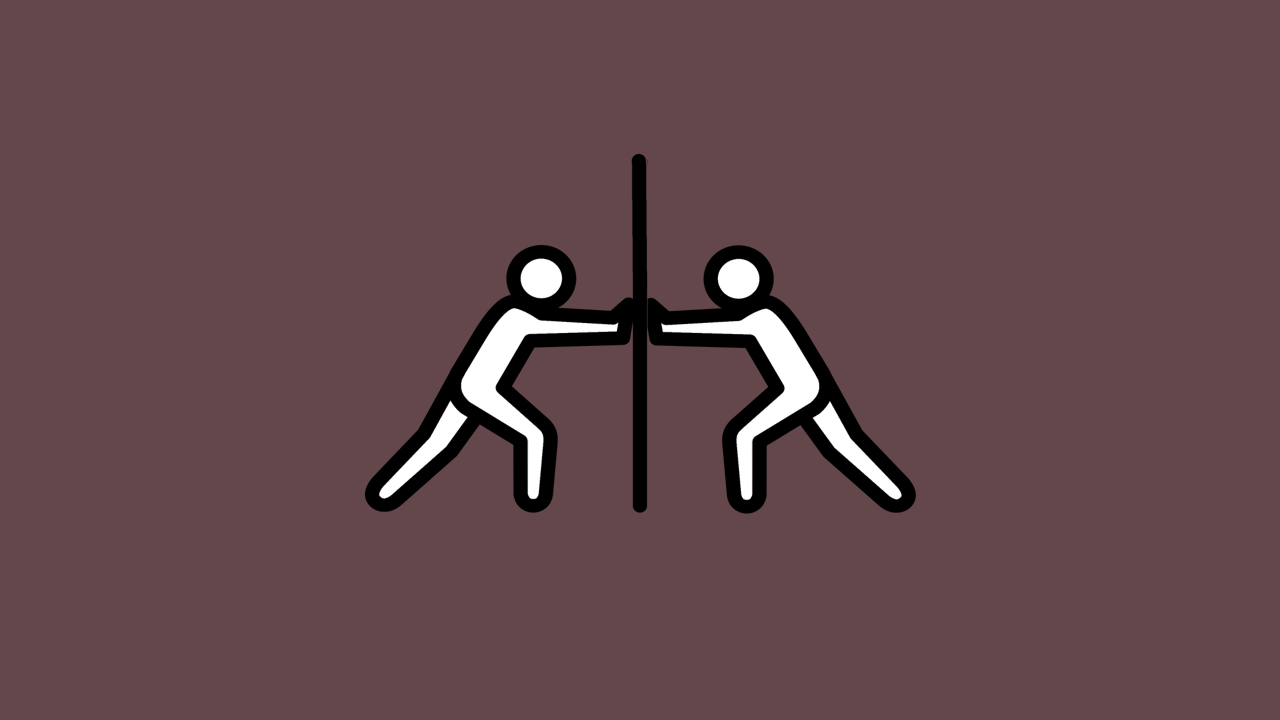
Aguilar employs the powerful metaphor of two hands pushing against each other. The psychological pressure experienced in the room is a product of this mutual exertion. To disrupt this cycle, the coach must intentionally "drop their hand." This does not mean abandoning high standards or agreeing with every objection; rather, it means stepping back from the argument to cultivate genuine curiosity. By asking open-ended questions about a teacher’s concerns rather than defending a curriculum or initiative, the coach creates the psychological safety required for dialogue.
2. The ACE Framework for Navigating Emotions
Beneath the surface of nearly every instance of professional resistance lies a complex web of emotions—fear of failure, inadequacy, overwhelm, or exhaustion. To address this, Aguilar developed the ACE framework:
- Acknowledge Emotions: Before jumping into tactical problem-solving or lesson planning, leaders must pause to validate what the teacher is feeling. This process does not require formal psychological training. By utilizing exploratory language—such as, "It sounds like there might be some fear or overwhelm here; does that feel accurate to you?"—coaches signal acceptance and respect. Tools like Aguilar’s Core Emotions framework help educators articulate complex feelings that are often masked by professional defensiveness.
- Cultivate Compassion: Struggling educators frequently subject themselves to intense self-criticism, which paralyzes their ability to innovate. Coaches can help dismantle this internal judgment by asking a simple reframing question: "What would you say to a best friend who was experiencing this exact same challenge?" Furthermore, Aguilar notes that coaches must first cultivate self-compassion; an invitation to be kind to oneself rings hollow if the coach is perpetually running on burnout and self-judgment.
- Expand the Story: Human beings naturally attach limiting beliefs to difficult experiences (e.g., "If this lesson fails, I am a terrible teacher" or "My students are completely incapable of deep critical thinking"). The final step involves unearthing these narratives and intentionally expanding them to encompass alternative possibilities and hopeful futures.
3. The Gaps Framework: Diagnosing the Real Barrier
When instructional initiatives stall, labels like "will gap" (the teacher just doesn’t want to do it) are applied indiscriminately. Aguilar’s Gaps Framework expands our understanding of professional roadblocks by categorizing them into six distinct areas for growth:
- Skill: The mechanical ability to execute a teaching strategy.
- Knowledge: The theoretical or foundational understanding of a concept.
- Capacity: The logistical resources, time, energy, or cognitive bandwidth required.
- Will: The internal motivation, desire, or belief in the value of the task.
- Emotional Intelligence: The ability to manage emotional responses and relational dynamics in the classroom.
- Cultural Competence: The awareness, sensitivity, and skills needed to navigate diverse student backgrounds and identities equitably.
By systematically walking through these categories, a coach can frequently reframe what appeared to be an attitude problem (a will gap) into a training opportunity (a knowledge or skill gap), thereby tailoring precise, compassionate interventions.
4. Righteous Resistance: Honoring Legitimate Objections
Crucially, Aguilar acknowledges that not all pushback is rooted in fear, gaps, or emotional distress. Sometimes, resistance is entirely justified. When educators are asked to implement policies, curricula, or pacing demands that are developmentally inappropriate, pedagogically unsound, or ethically questionable, their pushback is a manifestation of professional integrity.
In these scenarios, effective leaders do not attempt to manipulate or placate the teacher. Instead, they validate the legitimacy of the concern, help the educator explore their professional agency (such as determining what avenues exist to voice dissent), and examine their own leadership values to determine if they, too, need to speak truth to power.
Official Insights & Expert Perspectives
In her extensive interviews and writings, Aguilar consistently emphasizes that shifting one’s coaching posture is ultimately an act of radical empathy and professional respect.
"This is not to blame you," Aguilar writes, addressing instructional coaches and school leaders directly. "It is the most hopeful thing I can tell you, because it means resistance is not fixed. It is determined at least in part by what you bring into the room, and what you bring is something you can change."
Educational leadership experts note that this philosophy bridges the persistent chasm between administrative mandates and classroom realities. By framing coaching as a partnership rather than an inspection, institutions can foster environments where adult learners feel just as supported, valued, and understood as the students they serve. As schools navigate increasing operational pressures, teacher retention crises, and curricular shifts, adopting an inquiry-driven, emotionally intelligent coaching model is no longer merely a professional development luxury—it is an organizational imperative.

Future Outlook: The Next Frontier in Instructional Leadership
Looking ahead, the integration of emotional intelligence and relational frameworks into educational administration is poised to redefine how schools support personnel. As districts increasingly recognize that teacher burnout and instructional pushback are systemic symptoms rather than individual failings, professional development programs are adapting.
Future-focused school districts are beginning to incorporate emotional literacy, trauma-informed leadership, and collaborative coaching models into administrator credentialing programs. By training principals, assistant principals, and instructional coaches to recognize the six categories of the Gaps Framework and master the ACE process, educational institutions can move away from adversarial management styles.
Ultimately, the future of effective school leadership rests on the recognition that growth cannot be forced through compliance; it must be cultivated through trust. When instructional leaders approach pushback not as an obstacle to be conquered, but as an invitation to listen deeply, they unlock new pathways for institutional transformation, educator well-being, and student success.

