In the high-stakes environment of modern education, instructional coaching and school leadership are foundational to driving school improvement. Yet, whenever a coach, administrator, or professional development provider asks an educator to modify their instructional practice, they are invariably demanding change. While these interventions are invariably designed with the noble intent of optimizing student learning outcomes, they are frequently met with friction. Teachers push back—sometimes intensely.
Historically, institutional responses to this friction have suffered from a narrow, deficit-based perspective. When an educator resists a new pedagogical framework or a revised curriculum, school leaders have routinely diagnosed the problem as a personal failing of the teacher: they are stubbornly resistant to change, rigidly set in their ways, or fundamentally uncooperative.
However, a paradigm shift is underway. In her ninth and latest publication, How to Coach Resistance: Turning Pushback Into Possibility, veteran instructional coach and educational author Elena Aguilar challenges this conventional wisdom. Aguilar posits that resistance is not an isolated character flaw residing within an individual educator; rather, it is an active, co-created relational dynamic between two people. Crucially, the manner in which a coach or leader responds to pushback can inadvertently exacerbate the tension.
This realization offers profound empowerment to instructional leaders. If resistance is a shared dynamic, then coaches retain substantial agency over the interaction. By altering their own relational stance, dropping defensive postures, and embracing deep curiosity, leaders can dismantle adversarial barriers and establish fertile ground for genuine professional growth. This in-depth report explores Aguilar’s transformative frameworks—including the ACE model and the Gaps Framework—offering a comprehensive blueprint for turning professional friction into collaborative possibility.
Detailed Chronology: Evolving Conceptions of Teacher Professional Resistance
To fully appreciate the urgency and innovation of Aguilar’s current work, it is necessary to examine how the educational sector has historically conceptualized teacher pushback and how the coaching profession has evolved over the past several decades.
The Era of Compliance and Top-Down Mandates (Late 20th Century)
For decades, school reform models relied heavily on hierarchical, top-down compliance structures. When school districts adopted new policies, textbooks, or instructional methodologies, principals and supervisors acted primarily as compliance officers. If teachers expressed hesitation or operational concerns, these objections were systematically categorized as insubordination or incompetence. Professional development was largely transactional—delivered via "sit-and-get" workshops—with little regard for adult emotional processing, psychological safety, or collaborative dialogue.
The Rise of Instructional Coaching (Early-to-Mid 2000s)
As the educational landscape recognized that punitive compliance models failed to yield sustainable academic gains, the role of the instructional coach emerged. Designed to be non-evaluative, supportive partners, coaches were introduced to bridge the gap between abstract educational theory and daily classroom execution.
Despite good intentions, early coaching models frequently mirrored traditional supervisory practices. When coaches encountered teacher hesitancy, they often defaulted to persistent advocacy for their preferred strategies, inadvertently recreating an adversarial dynamic. Coaches would redouble their efforts to persuade, while teachers would retreat further into defensive isolation.
The Shift Toward Emotional Intelligence and Relational Dynamics (Present Day)
With the publication of How to Coach Resistance, the educational sector is entering a sophisticated era of coaching rooted in emotional intelligence, systemic awareness, and relational psychology. Aguilar’s work synthesizes years of frontline coaching experience with contemporary understandings of adult learning theory.
Rather than viewing resistance as a pathology to be cured, contemporary instructional leaders are learning to view pushback as vital diagnostic data. Pushback is increasingly understood as a signal—an indicator of unaddressed fears, systemic misalignments, capacity shortages, or legitimate ethical objections. This chronology underscores a vital evolution: modern educational leadership has pivoted from demanding compliance through force to cultivating collaboration through empathy and structured inquiry.
Supporting Context & Metrics: The Anatomy of Instructional Friction
The friction between instructional coaches and classroom teachers is not merely an interpersonal nuisance; it carries significant systemic implications for school culture, teacher retention, and student achievement.
The Financial and Human Cost of Disconnection
Teacher attrition remains one of the most critical challenges facing contemporary education. According to national education data, teacher burnout and feelings of professional isolation are primary drivers of departures from the profession. When coaching interactions feel adversarial or invalidating rather than supportive and collaborative, teachers experience heightened stress and emotional exhaustion.
Conversely, effective coaching relationships anchored in trust and psychological safety have been shown to dramatically increase teacher retention and instructional efficacy. Research indicates that teachers who receive high-quality, empathetic coaching report higher job satisfaction and lower levels of burnout.
Deconstructing the "Two Hands" Metaphor
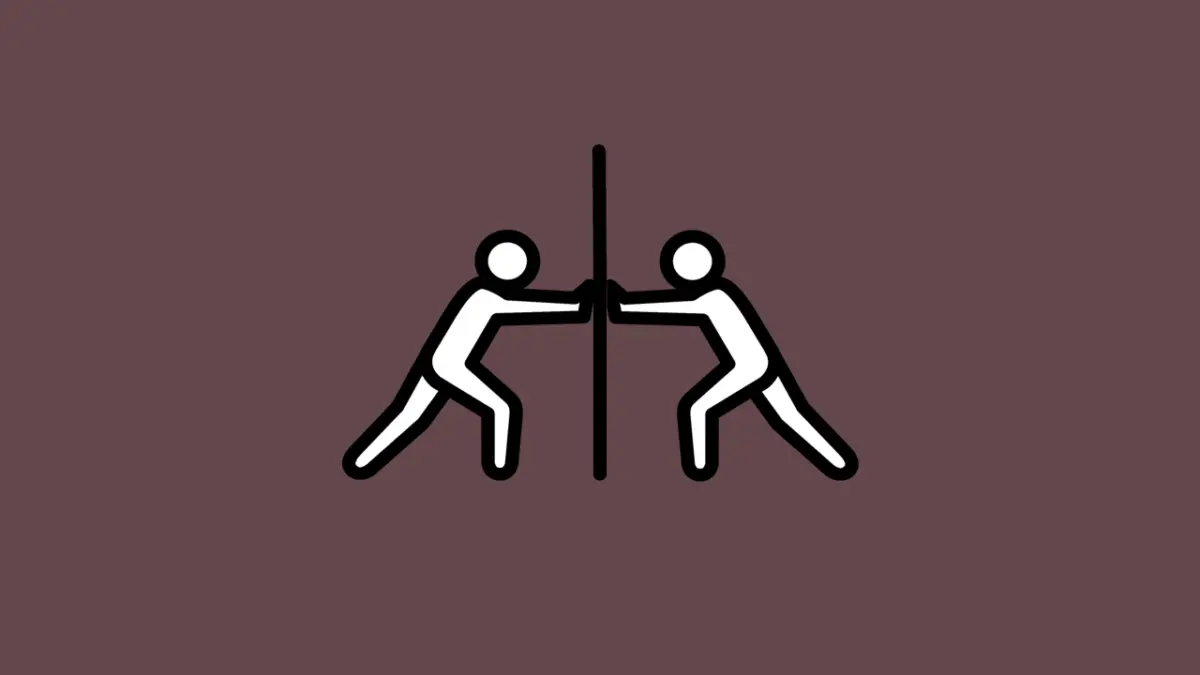
To understand the mechanics of instructional pushback, Aguilar utilizes a powerful somatic metaphor: two hands pushing forcefully against one another.
The Teacher’s Hand: Propelled by anxiety, fear of failure, or systemic fatigue, the teacher pushes back against an imposed change, declaring that students cannot handle a new task or that a curriculum is unviable.
The Coach’s Hand: Propelled by anxiety over their own effectiveness, institutional pressure to demonstrate compliance, or a desire to "fix" the problem quickly, the coach pushes back in return, insisting that the strategy is sound and must be implemented immediately.
This mutual pressure cooker generates heat without light. The fundamental breakthrough of Aguilar’s framework is simple yet radical: one party can drop their hand. By consciously stopping the exertion of direct counter-pressure, the coach short-circuits the adversarial loop, replacing defensiveness with investigative curiosity.
Official Statements and Framework Insights
During her extensive interview on the Cult of Pedagogy podcast, Elena Aguilar detailed the foundational pillars of her new book, offering actionable frameworks designed to fundamentally reshape how educators navigate difficult conversations.
1. Embracing the ACE Framework: Acknowledge, Cultivate, Expand
When a coach drops their defensive stance and opens space for dialogue, they frequently encounter intense, unexpressed emotions. To navigate this emotional terrain without slipping into amateur therapy, Aguilar developed the ACE framework:
Acknowledge Emotions: Before engaging in tactical problem-solving, coaches must pause and validate what the educator is feeling. Crucially, this requires an exploratory rather than prescriptive approach. Instead of telling a teacher, "You are angry about this new policy," a skilled coach might observe, "I’m noticing some real hesitation and fear around this timeline. Does that resonate with what you’re experiencing?" Utilizing tools like Aguilar’s Core Emotions framework helps educators articulate nuanced feelings—moving from generalized distress to specific vulnerabilities like shame or overwhelm.
Cultivate Compassion: Struggling educators frequently subject themselves to intense self-criticism, which paralyzes innovation. Coaches must help teachers access self-compassion—often by asking what they would say to a cherished colleague facing the exact same challenge. Aguilar stresses a critical caveat for leadership: “You are inviting them to speak kindly to themselves… If the person doing the inviting has not practiced this on themself, the invitation is hollow.”
Expand the Story: The final component involves interrogating the internal narratives and limiting beliefs attached to the situation. By examining how an educator interprets a setback or an administrative directive, coaches can help them explore alternative explanations and discover new pathways forward.
2. Navigating the Gaps Framework
When pedagogical discussions finally turn to instructional design and classroom execution, leaders must accurately diagnose what is hindering progress. Aguilar’s Gaps Framework categorizes areas for professional growth into six distinct domains:
Skill: The mechanical ability to execute a specific instructional routine.
Knowledge: The foundational understanding of a subject matter or pedagogical theory.
Capacity: The structural, temporal, or physical resources required to complete a task (e.g., planning time, class size, energy levels).
Will: The internal motivation and desire to engage in the work.
Emotional Intelligence: The ability to regulate emotions, navigate relationships, and process empathy.
Cultural Competence: The awareness of cultural dynamics, biases, and equity issues impacting students and staff.
Labeling a teacher as "resistant" typically assumes a deficit of will. However, careful inquiry frequently reveals a deficiency in knowledge or capacity. For instance, a secondary teacher resisting a reading-heavy curriculum may simply lack formal training in literacy instruction. By identifying the precise gap, leaders can deploy targeted, supportive interventions rather than relying on empty exhortations.
3. Honoring Righteous Resistance
A hallmark of Aguilar’s philosophy is the validation of dissent. Not all pushback is rooted in fear, skill gaps, or emotional resistance; sometimes, educators object because an administrative directive is pedagogically unsound, developmentally inappropriate, or ethically questionable.
“There are times when resistance is righteous, and there needs to be resistance,” Aguilar asserts. “Resistance in and of itself is not a bad thing.”
When kindergarten educators are instructed to mandate rigid, hour-long carpet sessions contrary to developmental milestones, their pushback is not a character flaw—it is professional integrity in action. In such instances, coaches must create space to validate these legitimate concerns, explore available agency, and help strategize how to channel institutional feedback productively.
Future Outlook: The Evolution of Professional Learning Communities
As educational institutions navigate the complexities of post-pandemic recovery, evolving curriculum standards, and widespread workforce burnout, the demand for sophisticated, human-centered leadership has never been higher. The traditional playbook of top-down mandates and punitive oversight is rapidly losing viability.
Moving forward, the integration of frameworks like Aguilar’s How to Coach Resistance signals a broader cultural maturation across the K-12 educational landscape. School districts are increasingly investing in professional development that prioritizes psychological safety, emotional intelligence, and collaborative inquiry.
Key Implications for the Future of Educational Leadership:
Redefining Accountability: Modern accountability will shift away from mere compliance tracking toward relational accountability—measuring success by the depth of trust, transparency, and mutual support established between leaders and educators.
Proactive Emotional Support: Training programs for instructional coaches will increasingly incorporate trauma-informed practices, emotional literacy frameworks, and somatic awareness techniques to prevent burnout on both sides of the coaching dyad.
Systemic Listening Infrastructure: Forward-thinking schools will implement structured feedback loops that allow "righteous resistance" to flow upward, ensuring that frontline educator insights actively inform district-level decision-making and policy formation.
Ultimately, the future of instructional improvement hinges on our ability to transform adversarial friction into a collaborative dialogue. By abandoning the outdated notion that teacher resistance is an insurmountable personal defect, educational leaders can unlock unprecedented potential. Through curiosity, deep emotional attunement, and systematic gap analysis, schools can cultivate environments where pushback ceases to be a barrier—and instead becomes the starting point for profound, lasting educational transformation.