
Executive Overview
In an era characterized by rapid information flow, shifting cultural norms, and hyper-connectivity, traditional religious institutions face unprecedented challenges from within and without. The Read, Do, & Tell Podcast, hosted by ministry voices Amy and Becky, has dedicated a multi-part series to examining a timeless yet urgent ecclesiastical threat: heresy and the systematic distortion of Christian doctrine.
Following prior discussions on foundational theological departures and heresies concerning the divine nature of God (explored in Episode 26), Episode 27 pivots to a critical examination of heresies against the gospel of Jesus Christ.
In Christian theology, the "gospel"—the euangelion, or "good news"—refers strictly to the redemptive life, sacrificial death, and bodily resurrection of Jesus Christ for the forgiveness of sins. According to orthodox Christian belief, this message is narrow, exclusive, and foundational. However, contemporary religious landscapes are increasingly cluttered with alternative frameworks that subvert this core message.
This investigative report examines the theological framework presented in Episode 27, analyzing the nature of modern heretical teachings—such as the prosperity gospel and ideological syncretism like Marxism—the specific mechanisms by which these false gospels infiltrate modern churches, and the broader implications for believers navigating contemporary spiritual spaces.
Detailed Chronology: The Evolution of the Podcast’s Series on Theological Deviations
To understand the weight of Episode 27, one must examine the systematic buildup established by the Read, Do, & Tell Podcast over preceding weeks. The hosts have methodically constructed a curriculum designed to awaken modern congregations to the realities of doctrinal drift.
Episodes 23 & 24: Defining the Boundaries of Orthodoxy
The series began with foundational definitions. In episodes 23 and 24, Amy and Becky established that heresy is not merely a minor disagreement over church administration, musical styles, or secondary tertiary doctrines. Rather, heresy represents an intentional distortion, subversion, or direct contradiction of the character of God and the pure gospel as historically revealed in Scripture.
The hosts emphasized that throughout church history, the labeling of a teacher as a "heretic" was never undertaken lightly. It was reserved for positions that undermine the very foundation of salvation and Christian identity. The series stressed that God views doctrinal purity with utmost seriousness, cautioning believers against spiritual apathy.
Episode 26: Heresies Against God
Continuing the trajectory, Episode 26 shifted the lens from human salvation to the very nature of the Creator. This installment explored historical and modern mischaracterizations of the Trinity, the attributes of God (such as minimizing His holiness, wrath, or sovereignty), and the rise of anthropocentric (man-centered) theology. Listeners were urged to recognize that a distorted view of God inevitably leads to a distorted gospel.
Episode 27: Heresies Against the Gospel
Released as the logical culmination of this theological audit, Episode 27 zeroes in on the mechanism of salvation itself. The hosts address how the pure, grace-based message of Christ’s finished work on the cross is frequently co-opted, commercialized, or politicized. By naming specific theological errors, pointing out compromised teachers, and addressing dangerous ideological movements, the episode serves as both a theological warning call and an apologetic resource.
Supporting Context & Metrics: The Mechanics of Modern Heresy
To fully grasp the assertions made in Episode 27, it is necessary to contextualize the specific theological deviations highlighted by the hosts within the broader landscape of modern religious trends.
1. The Prosperity Gospel (The Word of Faith Movement)
One of the primary targets of critique in discussions surrounding modern heresies is the "prosperity gospel," often associated with the Word of Faith movement.
- The Core Premise: Proponents teach that God’s will is for believers to be materially wealthy, physically healthy, and psychologically fulfilled, and that financial giving or positive confession can "unlock" or manipulate God’s blessings.
- The Theological Distortion: This shifts the focus of the cross from spiritual redemption and eternal salvation to temporal, material gain. It turns faith into a transactional commodity, effectively reducing God to a cosmic vending machine and substituting the grace of Christ with human effort, positive thinking, or financial seed-faith offerings.
2. Ideological Syncretism: Marxism and Critical Theories in the Pulpit
Episode 27 also highlights a more insidious trend: the integration of secular, sociopolitical ideologies—specifically Marxism and modern critical theories—into Christian teaching and institutional partnerships.
- The Core Premise: These ideologies view history and human relationships strictly through the lens of power dynamics, oppressors versus oppressed, and systemic socioeconomic struggle.
- The Theological Distortion: When married to the gospel, the ultimate "oppressor-oppressed" dynamic becomes economic or systemic rather than the biblical reality of sin and holiness. Consequently, redemption is reframed not as spiritual liberation from sin through the blood of Christ, but as sociopolitical liberation achieved through human activism, structural revolution, or ideological alignment. This effectively replaces the vertical reconciliation between God and man with a horizontal, secularized social justice framework.
3. False Movements and Alternative Religions
Beyond distinct internal distortions, the episode examines external religious movements that masquerade under Christian terminology while entirely rejecting foundational tenets of the gospel—such as the substitutionary atonement, the bodily resurrection, and the absolute divinity of Jesus Christ.
Official Statements and Educational Frameworks
The creators of the Read, Do, & Tell Podcast operate under a clearly defined pedagogical and spiritual framework. Citing the biblical model of Ezra—who dedicated his heart to studying the law of the Lord, practicing it, and teaching its statutes and ordinances to Israel—the ministry emphasizes a three-pronged approach for everyday believers: Read, Do, and Tell.
The Call to Discernment
In the accompanying materials for Episode 27, the ministry emphasizes that passive consumption of media leaves believers vulnerable to theological drift. The official stance of the podcast is that discernment is not an optional hobby for theologians, but a daily requirement for every Christian.
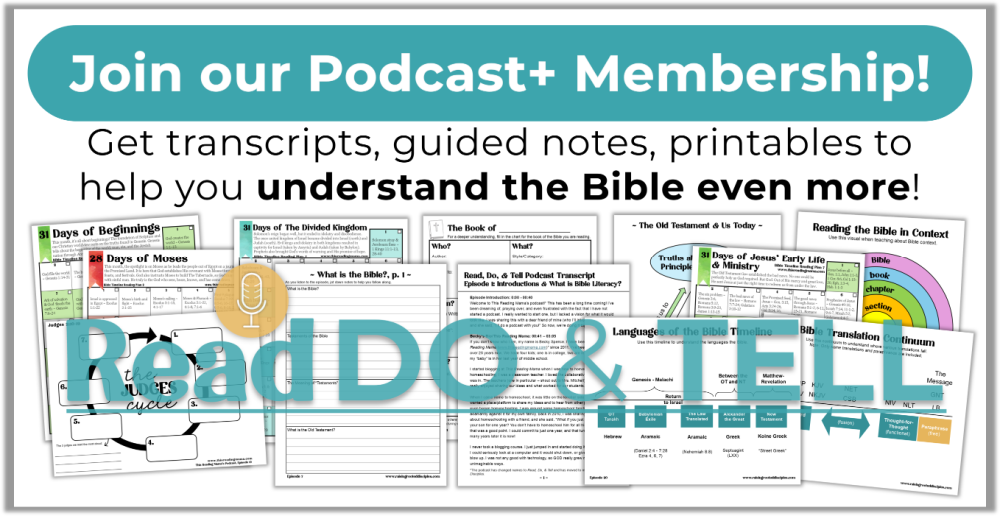
To support this, the platform offers a Podcast+ Membership, providing structured resources designed to anchor believers in sound doctrine:
- Transcripts and Guided Notes: Allowing participants to review complex theological arguments at their own pace.
- Bible Reading Plans: Directing attention back to the primary source text to evaluate teachings against Scripture.
- Exclusive Bible Printables and Study Tools: Designed to equip families and small groups to identify and counter modern errors.
Future Outlook: Navigating the Future of Christian Orthodoxy
As cultural pressures mount and ideological lines blur, the church faces a decisive crossroad. The proliferation of digital media means that heretical teachings can reach millions of homes instantly, bypassing traditional denominational accountability structures.
What Lies Ahead for the Church?
- Increased Polarization: As orthodox ministries draw clear lines regarding compromise, partnerships with secular ideologies, and false gospels, theological divisions within Western Christianity are likely to sharpen.
- The Rise of Lay-Led Discernment: With institutional trust fluctuating, independent resources—such as theological podcasts, study groups, and grass-roots literacy programs—will play a vital role in equipping everyday believers.
- A Return to Historical Fundamentals: Long-term spiritual health will depend heavily on a generational return to historic creeds, confessional statements, and rigorous, text-driven biblical exposition.
Conclusion
Episode 27 of the Read, Do, & Tell Podcast serves as a timely reminder that the battle for truth is perennial. By confronting heresies against the gospel with clarity, courage, and biblical fidelity, teachers like Becky and Amy are helping to build a resilient generation of believers—rooted deeply in the Word, equipped to discern error, and unwavering in their proclamation of the true good news of Jesus Christ.

