
Executive Overview
In the high-stakes environment of modern education, instructional coaching and leadership are designed to be catalysts for professional growth. However, when school leaders or coaches introduce new methodologies, curricula, or classroom practices, they frequently encounter a predictable obstacle: teacher resistance. Traditionally, educational systems have diagnosed this pushback as a personal deficiency—characterizing resistant educators as inflexible, change-averse, or entrenched in outdated habits.
A paradigm-shifting perspective is challenging this deficit-based narrative. In her ninth and latest publication, How to Coach Resistance: Turning Pushback Into Possibility, veteran instructional coach and educational consultant Elena Aguilar argues that resistance is rarely a localized teacher problem. Instead, Aguilar posits that pushback is an interactive dynamic—a relational feedback loop co-created by both the educator and the coach.
This comprehensive review explores Aguilar’s transformative frameworks, examining how coaches can de-escalate tension, uncover the emotional and structural barriers beneath the surface, distinguish between lack of will and genuine capacity gaps, and recognize when "resistance" is actually a righteous, pedagogically sound defense against misguided mandates. By replacing defensive posturing with deep curiosity and structured emotional intelligence, educational leaders can convert friction into a fertile ground for sustainable institutional growth.
Detailed Chronology of the Coaching Paradigm Shift
To understand how the educational community arrived at this new conceptualization of teacher pushback, it is helpful to trace the evolution of instructional coaching over the past several decades.
Phase One: The Compliance Model (Late 20th Century)
Historically, supervision in K-12 education was evaluative and compliance-driven. Administrators conducted periodic, high-stakes classroom observations, handed down mandates from the district office, and expected immediate implementation. When teachers objected or struggled to adopt new initiatives, administrators typically responded with administrative pressure or corrective action plans. This dynamic bred an atmosphere of surveillance and fear, driving pedagogical dissent underground and cementing adversarial relationships between teachers and leadership.
Phase Two: The Deficit-Model Coaching Era (Early 2000s–2010s)
As the field of instructional coaching professionalized, schools increasingly adopted models focused on teacher development rather than mere evaluation. Yet, early coaching frameworks often retained a subtle deficit mindset. Coaches were trained to identify "gaps" in teacher performance and implement targeted interventions. When educators pushed back against proposed changes, coaches frequently categorized this behavior as "resistance to change"—a psychological barrier residing entirely within the teacher. The standard remedy involved persistence, persuasion, or doubling down on the coaching protocol, which often escalated defensive reactions.

Phase Three: The Relational and Emotional Turn (Present Day)
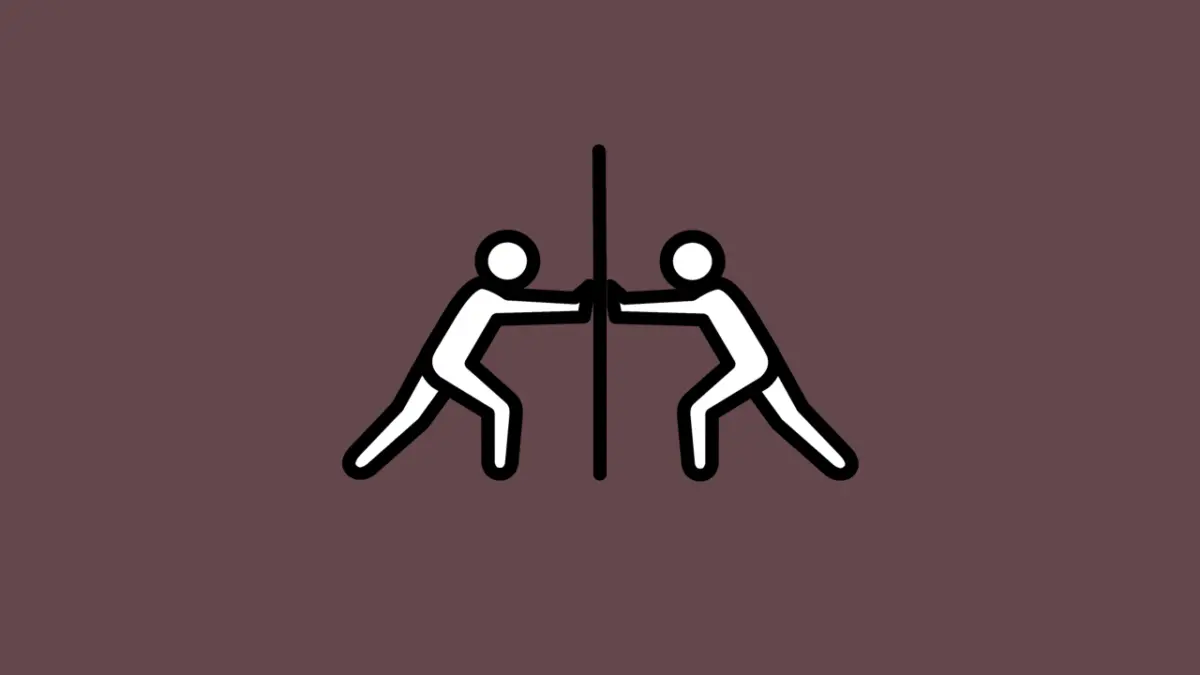
The release of Aguilar’s How to Coach Resistance marks a maturing of the instructional coaching discipline. Modern educational research increasingly recognizes that adult learning is deeply emotional, relational, and context-dependent. The current era shifts the burden of adaptation away from unilateral compliance and onto the coaching dyad. By viewing resistance as a shared interpersonal dynamic—akin to two hands pushing against each other with equal and opposite force—contemporary frameworks empower coaches to de-escalate tension unilaterally by altering their own approach.
Supporting Context & Frameworks: Decoding the Mechanics of Pushback
Aguilar’s methodology provides actionable, structured frameworks designed to dismantle adversarial dynamics and address the root causes of educator friction.
1. The Interpersonal Dynamic: Dropping the Hand
The foundational premise of Aguilar’s work is that what coaches experience as "resistance" is actually a reciprocal dynamic fueled by mutual anxiety. Teachers worry about exposing vulnerabilities, failing in front of students, or managing an already unmanageable workload. Simultaneously, coaches often experience performance anxiety, worrying about their inability to produce measurable behavioral changes or justify their role to administrators.
When a teacher voices skepticism, the coach’s defensive instincts kick in, resulting in a metaphorical arm-wrestling match. Aguilar uses the powerful imagery of two hands pushing against each other:
"If you don’t want to experience resistance, drop your hand. Stop exerting your own pressure against their pressure."
Dropping the hand does not mean conceding educational standards or abandoning instructional goals. Rather, it means relinquishing the need to "win" the argument. By pivoting from persuasion to radical curiosity—asking open-ended questions about a teacher’s specific concerns—coaches create psychological safety, paving the way for genuine collaboration.

2. The ACE Framework: Navigating the Emotional Landscape
Beneath intellectual pushback often lie intense, unexpressed emotions. To navigate these subterranean feelings without requiring clinical intervention, Aguilar introduces the ACE framework: Acknowledge emotions, Cultivate compassion, and Expand the story.
- Acknowledge Emotions: Before jumping into problem-solving, coaches must pause and validate what the educator is feeling. Using tools like Aguilar’s Core Emotions inventory helps teachers pinpoint specific affective states—such as fear, shame, or distress—rather than masking them as anger or apathy. Naming the emotion strips it of some of its paralyzing power.
- Cultivate Compassion: Struggling educators frequently subject themselves to harsh internal criticism. Coaches can help by prompting teachers to extend the same grace to themselves that they would offer a trusted colleague or best friend. Crucially, Aguilar notes that coaches must first cultivate self-compassion; inviting a teacher to embrace vulnerability rings hollow if the coach has not practiced self-kindness.
- Expand the Story: Every difficult interaction is tethered to an underlying narrative (e.g., "My students are incapable of deep critical thinking," or "Administration sets me up to fail"). Coaches help educators unpack these beliefs, examine alternative explanations, and intentionally choose a more empowering narrative.
3. The Gaps Framework: Diagnosing the Real Barrier
When instructional alignment fails, coaches often default to assuming a "will gap"—the assumption that a teacher simply does not want to comply. Aguilar’s Gaps Framework challenges this reductionist view by categorizing professional obstacles into six distinct areas for growth:
- Skill: The mechanical ability to execute a practice.
- Knowledge: The foundational understanding behind a methodology.
- Capacity: The logistical, time, or energy resources available.
- Will: The internal motivation or desire to act.
- Emotional Intelligence: The self-regulation and interpersonal awareness needed to navigate challenges.
- Cultural Competence: The ability to understand and bridge cultural differences with students and communities.
By systematically evaluating these six dimensions, coaches can accurately diagnose whether an educator’s hesitation stems from a lack of pedagogical training (knowledge/skill) or competing demands (capacity), rather than stubbornness.
4. Righteous Resistance: Honoring Legitimate Pushback
A vital contribution of modern coaching theory is the validation of dissent. Not all pushback is emotional or skill-based; sometimes, teachers object because proposed mandates are pedagogically unsound, developmentally inappropriate, or inequitable.
When a kindergarten educator is instructed to enforce static carpet-sitting for an hour, their resistance is not a deficit—it is professional expertise asserting itself against bureaucratic detachment. Coaches must create space for this "righteous resistance," helping educators weigh their options, identify avenues for advocacy, and determine how to constructively challenge policies that run counter to student well-being.
Official Statements and Expert Perspectives
The dialogue surrounding instructional coaching reform highlights a growing consensus among educational leaders, pedagogical researchers, and frontline practitioners.

Reflecting on the psychological dimensions of adult learning, Elena Aguilar emphasizes that acknowledging mutual responsibility is ultimately liberating for school leaders:
"This is not to blame you… It is the most hopeful thing I can tell you, because it means resistance is not fixed. It is determined at least in part by what you bring into the room, and what you bring is something you can change."
Industry observers note that as schools grapple with teacher retention crises and burnout, traditional top-down accountability models are rapidly losing efficacy. Professional development organizations increasingly stress that instructional support must pivot from a model of correction to one of partnership.
By communicating a clear, non-judgmental stance—encapsulated by the sentiment, "I’m not here to judge you. I’m not going to tell you what to do. I want to be a partner. I want to help you work through this"—coaches can disarm defensive postures and foster environments of genuine professional inquiry.
Future Outlook: The Next Frontier in Instructional Leadership
As educational institutions look toward the future, the integration of emotionally intelligent coaching frameworks will likely become a cornerstone of effective school administration. Several key trends are expected to shape the evolution of teacher support systems:
- Systemic Integration of Emotional Intelligence: Training programs for instructional coaches and school administrators are increasingly incorporating coursework in emotional regulation, trauma-informed leadership, and adult developmental psychology.
- Redefining Accountability: Forward-thinking districts are moving away from rigid, checklist-driven observation models in favor of collaborative inquiry cycles where teachers co-design their professional growth trajectories alongside instructional coaches.
- Preventing Burnout and Attrition: By addressing the root causes of educator frustration—such as capacity gaps, unaddressed emotional burdens, and top-down policy disconnects—schools can foster healthier work environments that directly combat teacher turnover.
Ultimately, the transformation of pushback from an adversarial hurdle into an engine for innovation represents a mature evolution in pedagogy. When instructional leaders trade coercion for curiosity, they unlock the profound potential of adult learners, creating resilient school cultures where both teachers and students thrive.

