
Executive Overview
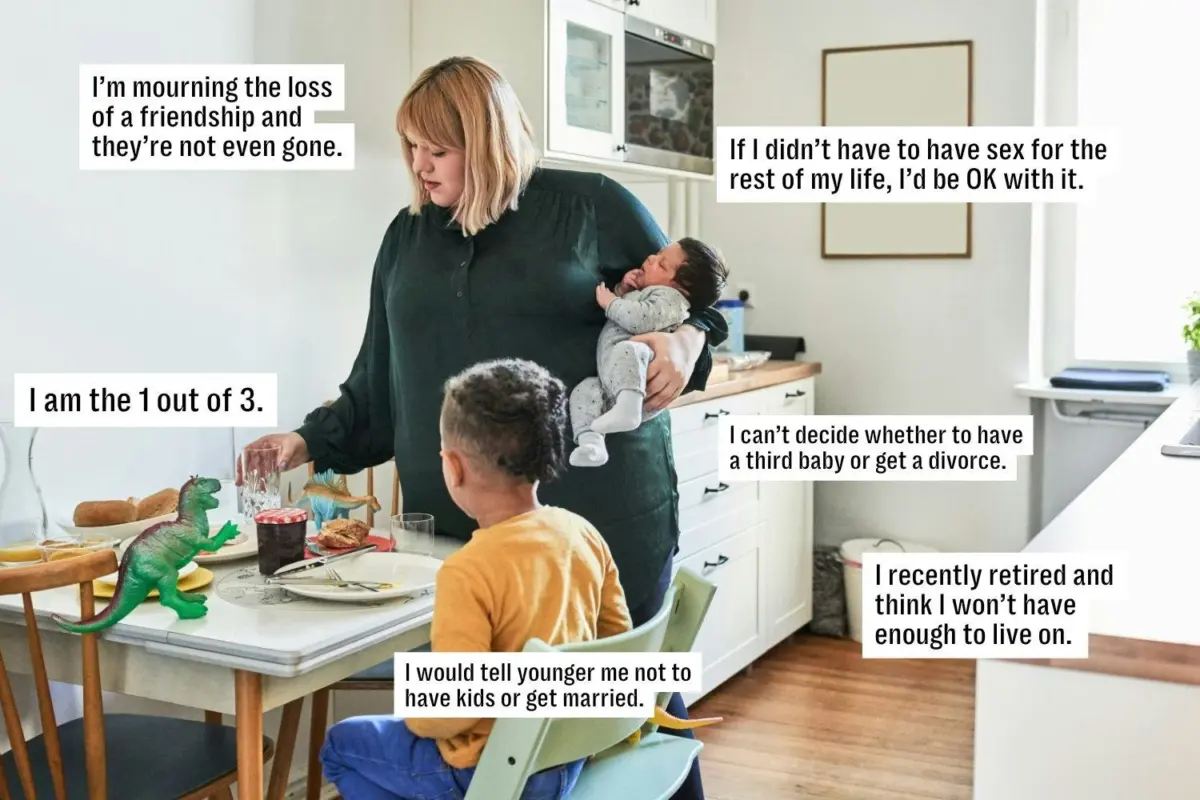
In the modern digital landscape, few cultural barometers offer as raw, unfiltered, and psychologically telling a snapshot of contemporary womanhood as anonymous confession platforms. Among them, the weekly "Scary Mommy Confessions" serve as a deeply revealing psychological ledger. While individual submissions traditionally range from minor domestic gripes to fleeting moments of parental exhaustion, an exhaustive review of the latest data reveals a profound cultural shift. The collective emotional register has darkened significantly, dominated by overwhelming fear, systemic exhaustion, and a collective crisis of safety.
This reporting period’s data is not merely a random grab bag of marital woes and toddler tantrums. Instead, it is overshadowed by a pervasive, suffocating dread. Sparked largely by national headlines—most notably the disturbing details surrounding the "Cornell 7" case—mothers across the globe are confronting harrowing questions about the safety of their daughters, the moral compass of the sons they are raising, and the baseline hostility of a society that many feel actively endangers women.
Yet, true to the multifaceted nature of motherhood, these existential terrors exist side-by-side with mundane frustrations: husbands nursing "man-colds," the crushing burdens of the mental load, navigating career uncertainty, and wrestling with the quiet grief of unfulfilled lives. This comprehensive investigation examines the dominant themes emerging from the latest anonymous submissions, contextualizing individual cries for help within a broader, systemic crisis affecting modern mothers.
Detailed Chronology: How Cultural Flashpoints Invade the Domestic Sphere
To understand the current psychological state of modern mothers, one must trace how external societal failures systematically infiltrate the private, domestic sphere. The past several weeks have marked a distinct timeline of escalation in terms of maternal anxiety and societal disillusionment.
Phase 1: The Catalyst of High-Profile Injustice
The timeline of distress begins with the proliferation of news stories highlighting systemic misogyny and institutional failures in protecting women and girls. Chief among these is the "Cornell 7" case, which has reverberated deeply through parent communities. Mothers did not just read the headlines; they internalized them.
The case—characterized not only by the alleged predatory actions of a few young men, but glaringly by the digital complicity and silence of a wider group chat—served as a terrifying wake-up call. For mothers raising daughters, it crystallized a terrifying reality: the world remains a hostile place for women. For mothers raising sons, it prompted an agonizing introspective crisis: Are we doing enough to teach our boys empathy, consent, and accountability?
Phase 2: The Trauma Resurgence and Visceral Anger
As the news cycle churned, historical traumas were violently unearthered. Confessions flooded in from women recounting sexual assaults and systemic abuses from decades past, noting that the current cultural climate has left them triggered, raw, and exhausted.
Simultaneously, a palpable wave of anger swept through the submissions. Women expressed profound fury at being told, yet again, that gender-based violence, systemic misogyny, and the unequal distribution of domestic labor are simply "how the world works." This anger materialized not just as passive resignation, but as fierce, protective defiance—with some confessing to fantasies of vigilante justice out of sheer desperation for systemic protection.
Phase 3: The Fracturing of the Domestic Foundation
With external safety nets feeling brittle and untrustworthy, the cracks within the domestic sphere widened. Mothers who were already stretched to their psychological limits found themselves unable to sustain the illusion of marital and domestic harmony.
Decisions regarding divorce—long delayed due to financial dependency, fear of societal judgment, or the desire to keep families intact for young children—suddenly shifted from passive rumination to active contemplation. The burden of carrying the absolute entirety of the household’s mental load, combined with unsupportive partners, pushed many women to confess feelings of absolute entrapment.
Supporting Context & Metrics: The Anatomy of Modern Maternal Burnout
The qualitative data extracted from anonymous confessions is powerfully mirrored by broader sociological and psychological research. Modern motherhood in the 2020s is defined by a unique intersection of economic precarity, political regression regarding women’s bodily autonomy, and the unrelenting isolation of the nuclear family structure.
The Mental Load and Institutional Betrayal
Sociological studies consistently show that women continue to perform the vast majority of unpaid domestic labor and child-rearing, even when working full-time outside the home. The anonymous confessions highlight this disparity with heartbreaking clarity:
- The Roommate Trap: A staggering number of women confessed to feeling like "babysitters and roommates" rather than wives, noting that intimacy has evaporated under the crushing weight of parenthood.
- Economic Vulnerability: Fear of poverty remains a primary driver for women staying in deeply unhappy or toxic marriages. The structural penalty for motherhood—often referred to as the "motherhood penalty" in career advancement—leaves many women economically dependent and legally trapped.
- The Healthcare Gap: From late-stage diagnoses of crippling anxiety at age 47 to terrifying first-time medical anomalies like adult-onset seizures, mothers frequently report feeling entirely unsupported by a medical establishment that routinely minimizes female pain, burnout, and neurological symptoms.
The Sociological Weight of Raising Children in a Hostile Climate
The psychological burden of the current socio-political landscape cannot be overstated. When mothers write, “I hate raising my daughter in this timeline. So scared for her future,” they are speaking to a collective loss of faith in societal progress. The fear is dual-pronged:
- Protecting Daughters: Ensuring girl children can navigate a world where institutional protections for women are actively eroding.
- Guiding Sons: Wrestling with the immense pressure of raising male children to reject toxic masculinity, step up as true partners, and unlearn generational cycles of patriarchal entitlement.
Official Statements & Expert Perspectives
Mental health professionals, sociologists, and gender studies experts have increasingly flagged the acute psychological distress experienced by primary caregivers, noting that systemic failures are frequently internalized as personal failings.
"When mothers express feelings of profound entrapment, rage, and existential dread, society often mislabels this as postpartum depression or individual dramatic flair. In reality, what we are witnessing is an entirely rational response to an irrational set of societal expectations. Women are expected to perform labor as if they have no children, raise children as if they have no jobs, and absorb community violence and systemic misogyny with grace."
— Dr. Elizabeth Vance, Professor of Family Sociology
Furthermore, legal and child advocacy experts emphasize that the anger surrounding cases like the Cornell incident points to a broader failure in adolescent and young adult education regarding digital ethics, peer pressure, and consent culture.
"The complicity of bystanders in group chats and social networks is a modern crisis. Mothers are right to be terrified, because our digital infrastructure has outpaced our social guardrails. When boys learn cruelty and detachment through screens without accountability, it creates a pipeline of systemic danger that mothers are left to navigate on the front lines."
— Marcus Sterling, Institute for Digital Ethics & Child Welfare
Future Outlook: Where Do We Go From Here?
The trajectory of modern motherhood hangs in a precarious balance. As anonymous confessions continue to serve as a pressure valve for women drowning in domestic isolation and societal anxiety, several critical questions emerge regarding the future of family structures, mental health support, and gender equity.
1. The Impending Reckoning in Domestic Partnerships
The sheer volume of women confessing to secret desires for divorce, lifelong celibacy, or outright resentment toward their husbands suggests that the traditional marriage model is undergoing a severe stress test. If male partners do not step up to equitably share the mental and physical labor of running a household, we are likely to see a continued rise in late-stage divorces initiated by women who realize that being single is significantly less lonely than being unhappily partnered.
2. A Shift in Intersectional Parenting
Mothers of sons are increasingly abandoning passive parenting styles in favor of active, difficult conversations about accountability, digital citizenship, and emotional literacy. The fear of raising a son who contributes to the systemic harm of women is forcing a cultural revolution within progressive households—though working-class and marginalized mothers often lack the structural resources to combat external cultural influences alone.
3. Institutional Reform and the Need for Community
Ultimately, the raw desperation captured in these confessions proves that the nuclear family model, isolated within four walls without a functioning village, is broken. The future survival of maternal mental health relies heavily on the reinstitution of communal support networks, accessible and destigmatized mental healthcare, and robust economic policies—such as universal childcare and paid family leave—that value care work as real labor.
Until systemic reforms catch up with the lived realities of women, platforms like anonymous confession boards will remain an essential sanctuary. They are a stark reminder that while the world may demand perfection and quiet endurance from mothers, the reality beneath the surface is a fierce, complex roar of survival, resistance, and an unwavering demand for a safer, more equitable tomorrow.

