Subscription boxes designed to foster Science, Technology, Engineering, and Mathematics (STEM)—as well as STEAM, which integrates the arts—have evolved from a niche market into a cornerstone of modern domestic education. While brands like KiwiCo have captured the mainstream consciousness and established a gold standard for hands-on, project-based learning, the market has expanded exponentially. Today, parents, educators, and gift-givers face a rich, albeit overwhelming, array of alternatives.
This comprehensive review report draws upon extensive, hands-on testing by families to evaluate the leading STEM and STEAM subscription services currently available. Designed to minimize screen time, alleviate the logistical burdens of lesson planning, and provide structural support for homeschooling and enrichment, these kits deliver real-world problem-solving directly to the doorstep. This investigation analyzes the top alternatives to KiwiCo, detailing their unique educational philosophies, target demographics, logistical frameworks, and structural benefits to help stakeholders make informed investment decisions in children’s cognitive development.
Detailed Chronology & Evolution of the STEM Subscription Model
The trajectory of children’s educational media has transitioned dramatically over the past two decades. In the early 2000s, supplemental learning relied heavily on static textbooks, flashcards, and software programs that anchored children to desktop computers. As mobile devices proliferated, educational technology pivoted toward applications and gamified screen time, raising concerns among educators and child psychologists regarding cognitive fatigue, attention spans, and a lack of tactile engagement.
By the early 2010s, the maker movement and educational philosophies emphasizing constructivism—the idea that learners construct knowledge actively rather than passively taking in information—sparked a renaissance in physical, hands-on learning tools. KiwiCo pioneered the modern subscription box model for children, curating age-specific crates that bundled raw materials, blueprints, and instructional guides into monthly deliveries.
Following this success, the market diversified rapidly between 2015 and the present day. Specialized subscription services emerged to target hyper-specific developmental windows and niche academic disciplines:
Early Childhood (2018–Present): Companies like Lovevery introduced stage-based, Montessori-aligned play kits for infants and toddlers, prioritizing cognitive and motor development over traditional building blocks.
Invention and Engineering (2020–Present): Industry figures and former NASA engineers, such as Mark Rober with CrunchLabs, launched specialized boxes focused on mechanical engineering, iterative prototyping, and physics principles.
Advanced Sciences (2021–Present): Platforms like MEL Science and The Curiosity Box expanded into high-level chemistry, medicine, and seasonal scientific apparatuses suitable for older children and teenagers.
This evolution reflects a maturing industry that recognizes learning is not a one-size-fits-all endeavor, but rather a dynamic continuum requiring tailored, multidisciplinary approaches.
Top-rated children’s STEM and STEAM subscription boxes evaluated in this report are categorized below by their primary educational focus, target age groups, and delivery frequencies:
Brand
Primary Focus
Target Age Group
Delivery Frequency
Key Educational Philosophy
KiwiCo
Comprehensive STEM/STEAM
0–16+ years
Monthly
Constructivist, age-graded project design
CrunchLabs
Mechanical Engineering & Invention
8–12+ years
Monthly
Iterative prototyping & video-guided physics
Lovevery
Early Childhood Development
0–4 years
Bi-monthly
Montessori-inspired, stage-based play
MEL Science
Chemistry, Physics, Medicine
5–14+ years
Monthly
Immersive, digital-hybrid laboratory experiments
Little Passports
Geography, Culture, & Science
3–10 years
Monthly
Global citizenship and multidisciplinary exploration
Green Kid Crafts
Eco-Science & STEAM Art
3–10+ years
Monthly
Environmental stewardship and artistic integration
The Curiosity Box
Advanced Science & Physics
13+ years
Quarterly
High-grade scientific toys and Vsauce-backed inquiry
Womple Box
Geography & Story-Driven STEM
3–11 years
Monthly
Narrative immersion and cultural science
Supporting Context & Educational Metrics
The proliferation of STEM subscription services is underpinned by a robust body of educational research. Proponents of STEM education emphasize that early exposure to scientific reasoning and mathematical modeling establishes foundational neural pathways critical for complex problem-solving in adulthood.
The Pedagogical Framework
According to educational literature published by STEM education watchdogs, experiential learning models improve student retention rates significantly compared to rote memorization. Key components of this framework include:
Intrinsic Motivation: By presenting children with tangible, real-world engineering puzzles—such as constructing a functioning gear system or mapping a foreign ecosystem—learners become intrinsically motivated to hypothesize, test, and refine their designs.
Transferable Life Skills: Engaging with physical kits stimulates divergent thinking, resilience in the face of trial-and-error, and collaboration when families work together to assemble complex mechanisms.
Multidisciplinary Integration (STEAM): The inclusion of the "Arts" into traditional STEM curricula ensures that children develop spatial awareness, aesthetic reasoning, and narrative context, bridging the gap between cold mechanics and human-centric design.
Advantages for Parents and Educators
Beyond the cognitive benefits for children, subscription kits provide quantifiable logistical advantages for parents, particularly in households balancing remote work, homeschooling, or demanding schedules.
Reduction of Cognitive Load: Sourcing specialized materials—such as electronic circuits, non-toxic chemical reagents, or precision-cut wooden components—for weekend projects can be time-consuming and expensive. Subscription boxes deliver pre-proportioned, prepped activities that cut setup time to a minimum.
Structured Homeschool Support: Many homeschooling families utilize these boxes as modular units of study, integrating the monthly themes into daily or weekly lesson plans.
Screen-Time Mitigation: In an era dominated by digital entertainment, tactile subscription boxes provide a compelling alternative that commands children’s attention through physical creation and manual dexterity.
Comprehensive Evaluation of KiwiCo Alternatives
While KiwiCo remains a powerhouse in the subscription box industry, several standout alternatives cater to specific developmental stages, learning styles, and academic interests.
1. CrunchLabs: Engineering Through Invention
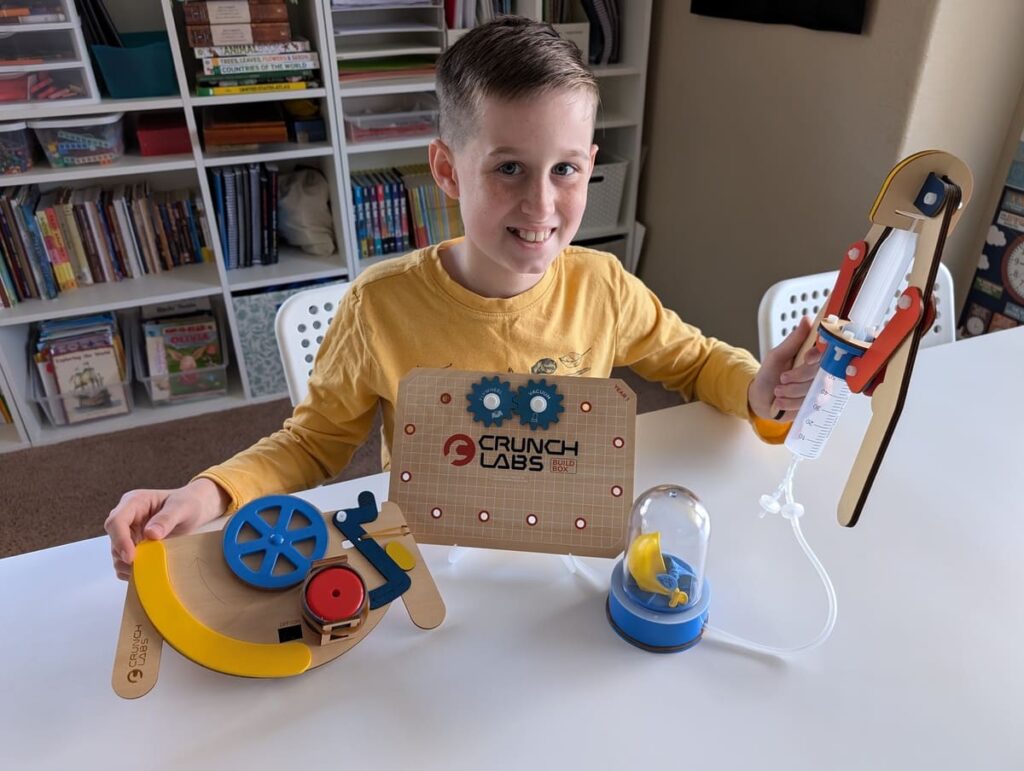
Founded by former NASA engineer and prominent YouTube educator Mark Rober, CrunchLabs focuses heavily on mechanical engineering, physics, and the iterative design process.
The Experience: Each month, subscribers receive custom parts and instructions designed to build a working gadget, toy, or mechanical system. Crucially, the physical kit is paired with exclusive video content featuring Mark Rober, who breaks down complex engineering principles with engaging, accessible humor.
Comparison: While comparable to KiwiCo’s Tinker Crate or Eureka Crate, CrunchLabs places a distinct emphasis on invention, creative iteration, and the engineering design cycle rather than static assembly.
2. Lovevery: Early Childhood Montessori Play
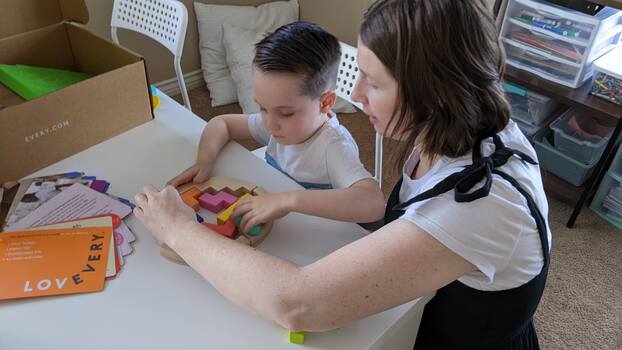
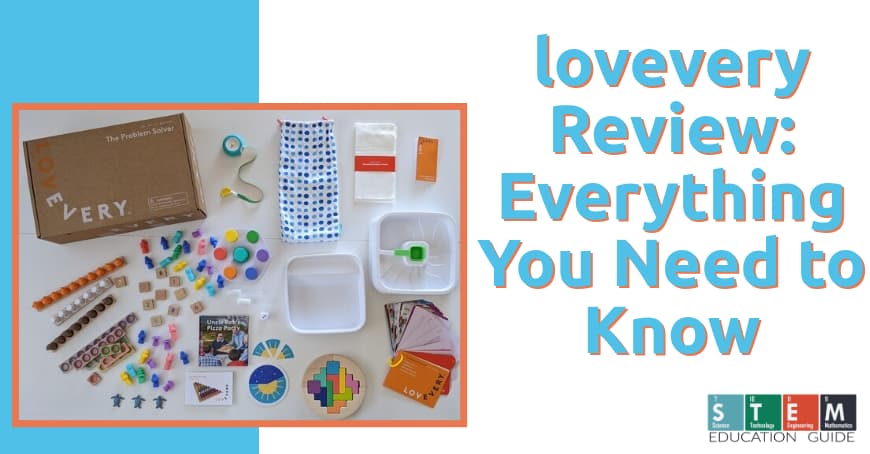
For families with infants and toddlers aged zero to four, Lovevery (pronounced "Love-every") occupies a unique space in the early development market.
The Experience: Delivered bi-monthly, Lovevery play kits are meticulously researched by a panel of experts ranging from certified positive discipline trainers to human neuroscientists. Grounded in a Montessori approach, the toys focus on stage-based play that targets specific developmental windows.
Why It Works: Although it does not serve older children, Lovevery provides unmatched quality in sensory development, fine-motor coordination, and independent exploration for early learners.
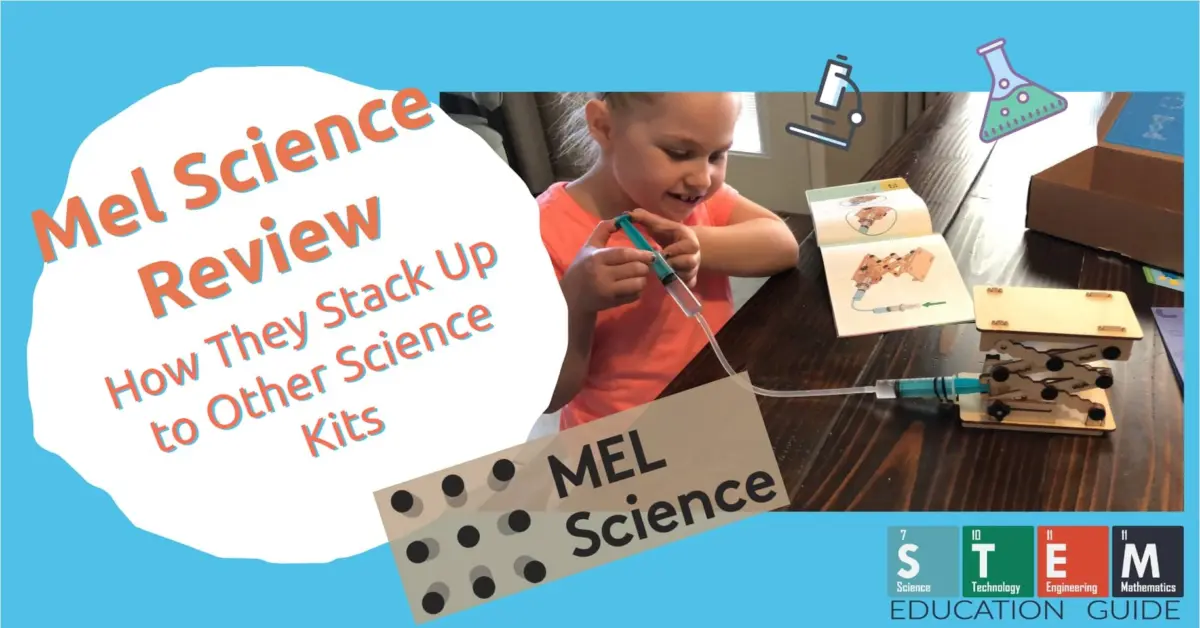
3. MEL Science: The Laboratory Experience
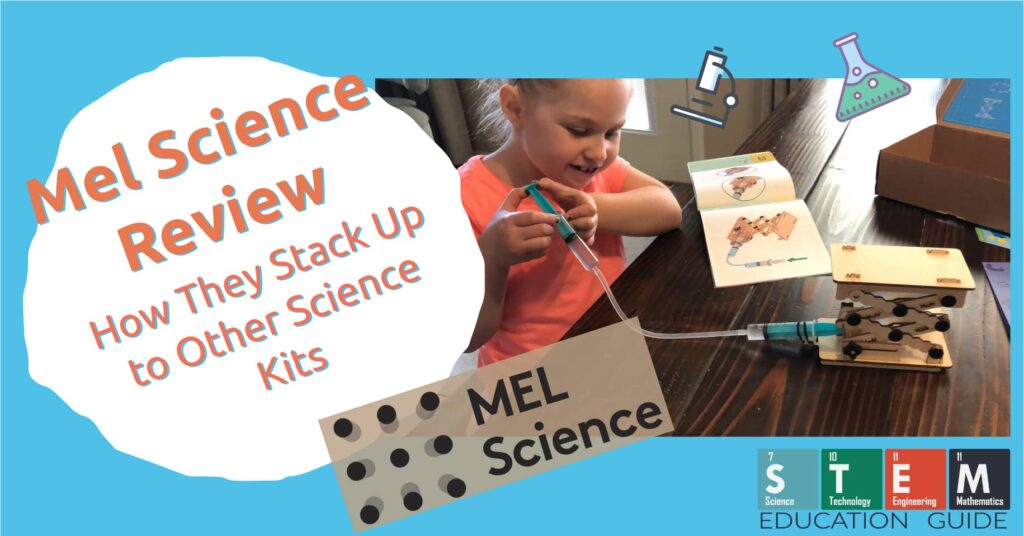
For families seeking a direct, one-to-one pedagogical comparison to KiwiCo with an advanced scientific focus, MEL Science is an industry leader.
The Experience: MEL Science makes science accessible and exciting across multiple age groups and disciplines, including coding, mathematics, physics, chemistry, and even medicine. Their kits utilize a hybrid approach combining physical laboratory equipment with digital augmented reality (AR) and virtual reality (VR) integrations.
Why It Works: The inclusion of medical and advanced chemical kits allows older children to engage with genuine scientific methodologies safely within the home environment.
4. Little Passports: Global Citizenship and Science
Little Passports has established itself as a premier option for fostering global awareness alongside scientific inquiry.
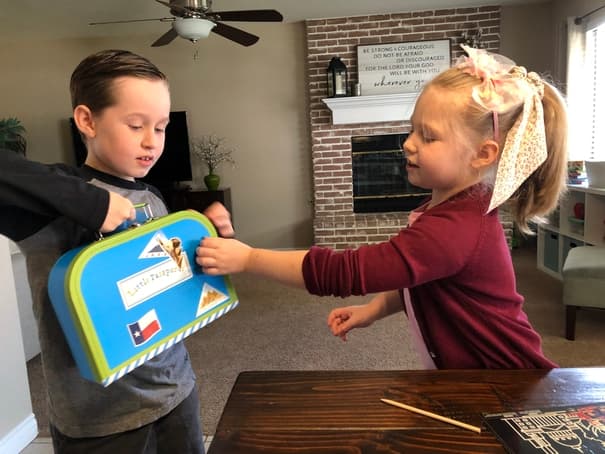
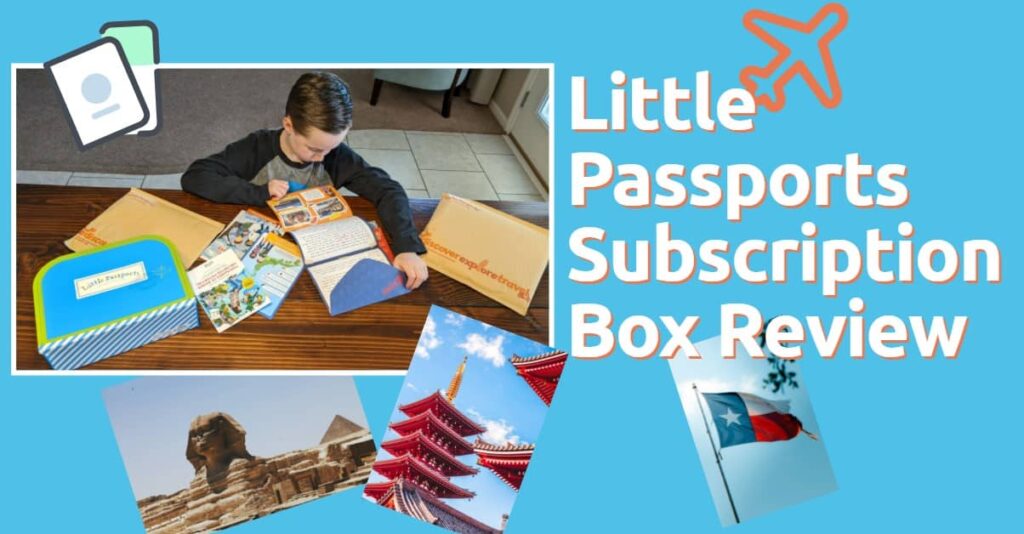
The Experience: Designed for children ages three to ten, the subscription introduces young learners to geography, cultural traditions, art, and science from around the world. Over time, the company has expanded its offerings to include specialized lines such as the Science Expedition (STEM) box, Space box, and Animals Wild box.
Why It Works: The narrative framework—where children earn stamps in a mock passport while exploring a new country each month—creates deep emotional engagement and a broader worldview.
5. Green Kid Crafts: Eco-Friendly STEAM
Rooted in environmental science, Green Kid Crafts was founded by a mother and environmental scientist with a mission to connect children with the natural world.
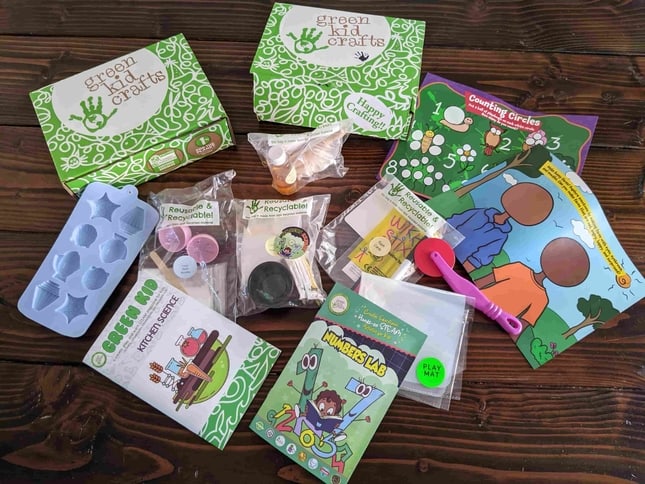
The Experience: By blending STEM principles with artistic expression (STEAM), these boxes feature eco-friendly materials and themes centered around ecology, earth sciences, and conservation.
Why It Works: It offers an intentional curriculum for environmentally conscious families looking to instill sustainable values alongside creative problem-solving skills.
6. The Curiosity Box: Advanced Science for Teens
Targeting adolescents aged 13 and up, The Curiosity Box was created by Vsauce, a leading science education network.
The Experience: Delivered quarterly rather than monthly, these seasonal boxes provide high-grade, sophisticated scientific apparatuses and toys—such as Newton’s cradles, plasma orbs, and anamorphic illusion kits—alongside puzzles and exclusive literature.
Why It Works: The quarterly delivery schedule respects the busy schedules of teenagers while offering deep, intellectually stimulating projects that challenge high school-aged learners.
7. Womple Box: Geography and Story-Driven STEM
Womple Box bridges the gap between storytelling, geography, and hands-on STEAM projects.
The Experience: Offering two distinct tiers—the Dinobox for ages three to five and the Womple Box for ages six to eleven—children embark on narrative-driven adventures to explore international cultures, ecosystems, and historical landmarks through building projects and accompanying adventure books.
Why It Works: The integration of narrative literature with tactile building exercises captures the imaginations of young readers who thrive on contextualized learning.
Official Statements & Industry Perspectives
Industry analysts and educational developers emphasize that the success of subscription boxes lies in their ability to democratize access to high-tier educational resources. Dr. Elena Vance, a childhood cognitive development researcher, notes:
"When children are handed a box of raw materials accompanied by a challenge rather than a strict instruction manual, their brains shift from passive consumption to active production. The rise of specialized subscription services has successfully bridged the gap between institutional laboratory settings and the family living room, empowering parents to act as co-facilitators in scientific discovery."
Furthermore, creators like Mark Rober have publicly stated that the primary objective of engineering-focused kits is not necessarily to turn every child into an aerospace engineer, but rather to normalize failure as a step in the learning process. By reframing "mistakes" as iterations, children develop psychological resilience that translates across academic disciplines and social environments.
Future Outlook
The market for subscription-based children’s education is projected to continue its robust expansion, driven by several emerging trends:
Technological Integration: Future iterations of STEM boxes are expected to lean further into augmented reality (AR), mixed reality (MR), and companion applications that turn physical builds into interactive digital games, providing an even richer feedback loop.
Sustainability and Circular Economies: As consumer awareness grows regarding single-use plastics and shipping waste, subscription box curators are facing increased pressure to utilize biodegradable packaging, sustainably sourced wood, and recyclable components. Brands that pivot successfully toward circular manufacturing models will likely dominate the market share in the coming decade.
Personalized Curriculums: Advances in data analytics and customer profiling may soon allow subscription services to dynamically adjust the difficulty and subject matter of upcoming boxes based on a child’s demonstrated interests and skill mastery, moving from static monthly cohorts to hyper-personalized educational pathways.
Conclusion: How to Choose the Right Subscription Box
Selecting the appropriate subscription box requires balancing a child’s intrinsic interests with parental educational goals:
Identify Interests: Observe whether the child gravitates toward building physical structures, mixing compounds, exploring nature, or telling stories. Match these observations to specialized crates (e.g., CrunchLabs for mechanical engineering, MEL Science for chemistry, or Womple Box for geography).
Evaluate Flexibility: Review cancellation and pause policies carefully. Many top-tier services offer month-to-month flexibility, allowing families to rotate boxes as children’s interests evolve.
Embrace the Process: Prioritize the enjoyment of trial-and-error over rigid adherence to instructions. When parents and children troubleshoot a malfunctioning circuit or an unstable bridge together, the true value of these subscription boxes is realized: cultivating lifelong learners equipped with critical thinking, resilience, and curiosity.