
Executive Overview
In the high-stakes environment of modern education, instructional coaching and school leadership often pivot on a singular objective: driving change. Whether implementing a new literacy curriculum, adjusting classroom management techniques, or overhauling assessment frameworks, coaches and administrators frequently approach teachers with expectations for behavioral and pedagogical evolution. Yet, these well-intentioned directives routinely crash against a formidable barrier—teacher pushback.
Traditionally, educational institutions have diagnosed this friction as a deficit residing squarely within the educator. Labels such as "resistant to change," "set in their ways," or "unwilling to adapt" have long dominated administrative post-mortems of failed professional development initiatives. However, renowned educational author, coach, and consultant Elena Aguilar challenges this orthodoxy in her ninth and most recent publication, How to Coach Resistance: Turning Pushback Into Possibility.
Aguilar posits a paradigm shift: resistance is rarely a localized teacher problem; rather, it is a complex, co-created dynamic born of the interaction between two individuals. By recognizing that coaches, team leaders, and professional development (PD) providers frequently escalate this friction through defensive posturing, Aguilar reframes pushback not as an obstacle to be crushed, but as critical data. Through structured frameworks like the ACE (Acknowledge emotions, Cultivate compassion, Expand the story) model and the Gaps Framework, educators and leaders are equipped to dismantle adversarial dynamics, unpack underlying emotional and structural barriers, and validate legitimate pedagogical dissent.
This comprehensive review explores Aguilar’s insights, examining how instructional leaders can pivot from top-down coercion to genuine collaborative partnership, ultimately transforming workplace tension into a catalyst for profound professional growth.
Detailed Chronology: The Evolution of Coaching Dynamics and the Paradigm Shift
To understand the weight of Aguilar’s current contribution to educational leadership, it is necessary to contextualize how instructional coaching has evolved over the past several decades.
Phase One: The Compliance Era (Late 20th Century)
Historically, supervision in K-12 education functioned primarily through an evaluative lens. Principals and administrators dropped into classrooms with checklists, measuring compliance against standardized benchmarks. In this era, pushback was met with administrative authority. Teachers who questioned directives were typically viewed through a compliance framework, where disagreement equaled insubordination or incompetence. Professional development was largely transactional, consisting of "sit-and-get" workshops that ignored the adult learning lifecycle.
Phase Two: The Rise of Instructional Coaching (Early-to-Mid 2000s)
As educational research began to emphasize the value of job-embedded professional learning, the role of the "instructional coach" emerged. Coaches were positioned as non-evaluative thought partners designed to bridge the gap between abstract educational theory and classroom practice. However, early coaching models frequently inherited the implicit mandate of the administrative office: fix the teacher. When coaches encountered friction—such as a teacher refusing to adopt a mandated math program—the default methodology remained focused on overcoming the teacher’s perceived reluctance, often relying on persuasive rhetoric, data bombardment, or psychological pressure.

Phase Three: The Relational and Systemic Turning Point (Present Day)
Aguilar’s How to Coach Resistance marks a maturation of the instructional coaching field. Rather than viewing coaching as a unidirectional intervention—where the coach acts upon the teacher—modern educational theory increasingly recognizes coaching as a reciprocal, relational ecosystem. Aguilar’s work codifies this shift by arguing that resistance is sustained by mutual anxiety. When a teacher digs in their heels out of fear of failure, and a coach responds by doubling down on their curriculum mandates out of fear of failing their administrative supervisors, a cyclical deadlock occurs.
By mapping out this evolutionary pivot, Aguilar shifts the locus of control. Because resistance is a dynamic interaction, changing one side of the equation—specifically, the coach’s posture—can entirely alter the trajectory of the professional relationship.
Supporting Context & Metrics: Unpacking the Anatomy of Pushback
To operationalize Aguilar’s theories, educational leaders must examine the granular mechanics of what occurs during a high-stakes coaching cycle. The friction between a coach and a teacher is rarely about the surface-level topic (e.g., a lesson plan format or a seating chart); it is driven by underlying emotional currents, cognitive gaps, and, occasionally, righteous pedagogical disagreement.
1. The Mechanics of Mutual Pressure
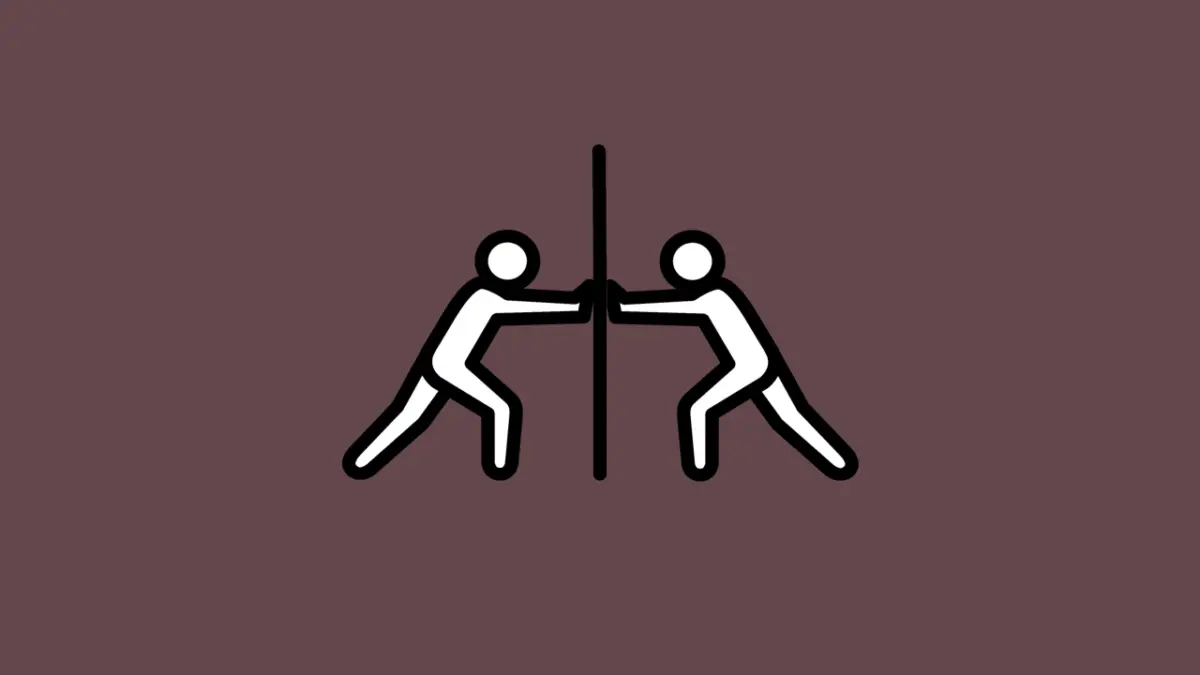
Aguilar employs a vivid somatic metaphor: two people pushing against each other with their hands. As the pressure mounts, both parties experience defensiveness. The teacher insists, "My students can’t handle this text," while the coach counters, "Your students are entirely capable if you scaffold correctly."
This verbal tennis match creates an invisible barrier. To neutralize the tension, Aguilar advises coaches to intentionally "drop their hand"—to cease applying pressure and pivot toward radical curiosity. This is not an invitation to abandon rigorous standards or agree with ineffective practices; rather, it is a strategic pause designed to de-escalate the amygdala’s fight-or-flight response, opening the neural pathways required for adult learning.
2. The ACE Framework for Emotional Literacy
When a coach successfully de-escalates the dynamic, they almost invariably uncover deep-seated emotions. To navigate this territory without overstepping professional boundaries into therapy, Aguilar introduces the ACE framework:
- Acknowledge Emotions: Coaches do not need to probe into a teacher’s childhood or psychological history. Instead, they must simply name and validate the emotional reality in the room. Utilizing exploratory language—such as, "It sounds like there’s some apprehension around this shift; does that resonate?"—fosters psychological safety. Aguilar’s Core Emotions tool assists educators in drilling past surface-level irritability to identify root feelings like shame, fear, or distress.
- Cultivate Compassion: Burnout and professional self-loathing are pervasive in education. Teachers frequently hold themselves to impossible standards, which translates into harsh internal dialogues. Aguilar suggests a powerful reframing technique: asking a struggling educator what they would say to a best friend facing identical circumstances. Furthermore, Aguilar stresses that coaches cannot authentically invite self-compassion in others if they have not cultivated it within themselves.
- Expand the Story: Human beings construct narratives to make sense of professional struggles ("I am a bad teacher," or "Administration sets us up to fail"). Coaches help unpack these cognitive constructs, empowering educators to evaluate whether their current narrative serves them and consciously choose a more expansive, agency-driven perspective.
3. Diagnosing the True Barrier: The Gaps Framework
When the emotional climate has stabilized and the conversation turns toward instructional design, coaches frequently misdiagnose the root cause of an educator’s hesitation. Aguilar’s Gaps Framework categorizes professional roadblocks into six distinct areas, reframing them not as character deficits, but as growth opportunities:

- Skill: The mechanical ability to execute a specific teaching strategy.
- Knowledge: Understanding the foundational concepts behind a pedagogy.
- Capacity: Having the physical time, energy, and resources to implement a change.
- Will: The internal motivation and desire to engage in the work.
- Emotional Intelligence: The ability to manage self and relate to students and colleagues effectively.
- Cultural Competence: The awareness of and responsiveness to systemic inequities and diverse student backgrounds.
Traditional frameworks often mischaracterize a lack of skill, knowledge, or capacity as a deficiency in will. For instance, a secondary math teacher objecting to an inquiry-based reading requirement may initially appear uncooperative (a will gap). However, deep inquiry often reveals that the educator was never trained in reading instruction (a knowledge and skill gap). By properly diagnosing the gap, coaches can prescribe targeted, supportive interventions rather than punitive oversight.
4. Validating Righteous Resistance
Crucially, Aguilar acknowledges a reality that many administrative frameworks ignore: sometimes, pushback is entirely justified.
"There are times when resistance is righteous, and there needs to be resistance," Aguilar notes. "Resistance in and of itself is not a bad thing."
If a kindergarten teacher is ordered to enforce sixty minutes of sedentary, whole-group direct instruction, their pushback is rooted in a deep, developmentally appropriate understanding of young children. In these instances, skilled coaches do not attempt to gaslight the teacher into compliance. Instead, they help the educator evaluate their locus of control: What are the avenues for dissent? What consequences might follow? How can institutional stakeholders be engaged to challenge developmentally or ethically flawed mandates?
Official Statements and Expert Insights
The release of How to Coach Resistance: Turning Pushback Into Possibility has catalyzed discourse across the educational leadership community. In her comprehensive podcast interview with Cult of Pedagogy, Aguilar expanded upon the core philosophical underpinnings of her work, emphasizing that professional transformation relies entirely on the quality of human relationships.
"This is not to blame you," Aguilar writes, addressing instructional coaches directly regarding their role in fostering friction. "It is the most hopeful thing I can tell you, because it means resistance is not fixed. It is determined at least in part by what you bring into the room, and what you bring is something you can change."
Educational leadership experts have echoed this sentiment, noting that the traditional top-down accountability models of the past two decades have yielded diminishing returns. By shifting the paradigm from compliance monitoring to collaborative inquiry, schools can retain veteran talent, foster institutional resilience, and cultivate cultures of continuous, non-judgmental learning.

Aguilar’s methodology communicates a singular, reassuring message to educators caught in the crossfire of systemic reform:
"I’m not here to judge you. I’m not going to tell you what to do. I want to be a partner. I want to help you work through this."
Future Outlook: Implications for School Leadership and Professional Development
As educational systems navigate ongoing teacher shortages, post-pandemic learning recovery, and mounting curricular mandates, the relevance of Aguilar’s work cannot be overstated. The traditional reflex of enforcing compliance through top-down pressure is increasingly proving unsustainable, contributing directly to soaring attrition rates among both teachers and instructional coaches.
Looking forward, the integration of frameworks like the ACE model and the Gaps Framework into administrative training programs promises to reshape how schools handle reform. Future-focused educational institutions are beginning to recognize that:
- Coaching is an Inside-Out Endeavor: Leadership preparation programs must prioritize emotional intelligence and self-awareness for administrators and coaches, ensuring they recognize their own defensive triggers before attempting to guide others.
- Systemic Empathy Drives Retention: Cultivating spaces where "righteous resistance" can be safely voiced prevents educator alienation and fosters institutional trust.
- Targeted Support Overrides Broad Mandates: Moving away from generalized disciplinary labels ("resistant") toward nuanced diagnostic tools ("skill gap" vs. "will gap") ensures that professional development dollars and coaching hours are deployed with maximum precision and efficacy.
Ultimately, How to Coach Resistance serves as a timely reminder that systemic educational improvement is not achieved by breaking resistance down, but by listening to what it is trying to communicate. When instructional leaders trade coercion for curiosity, pushback ceases to be a roadblock and transforms into the foundational blueprint for authentic school transformation.

