
Executive Overview
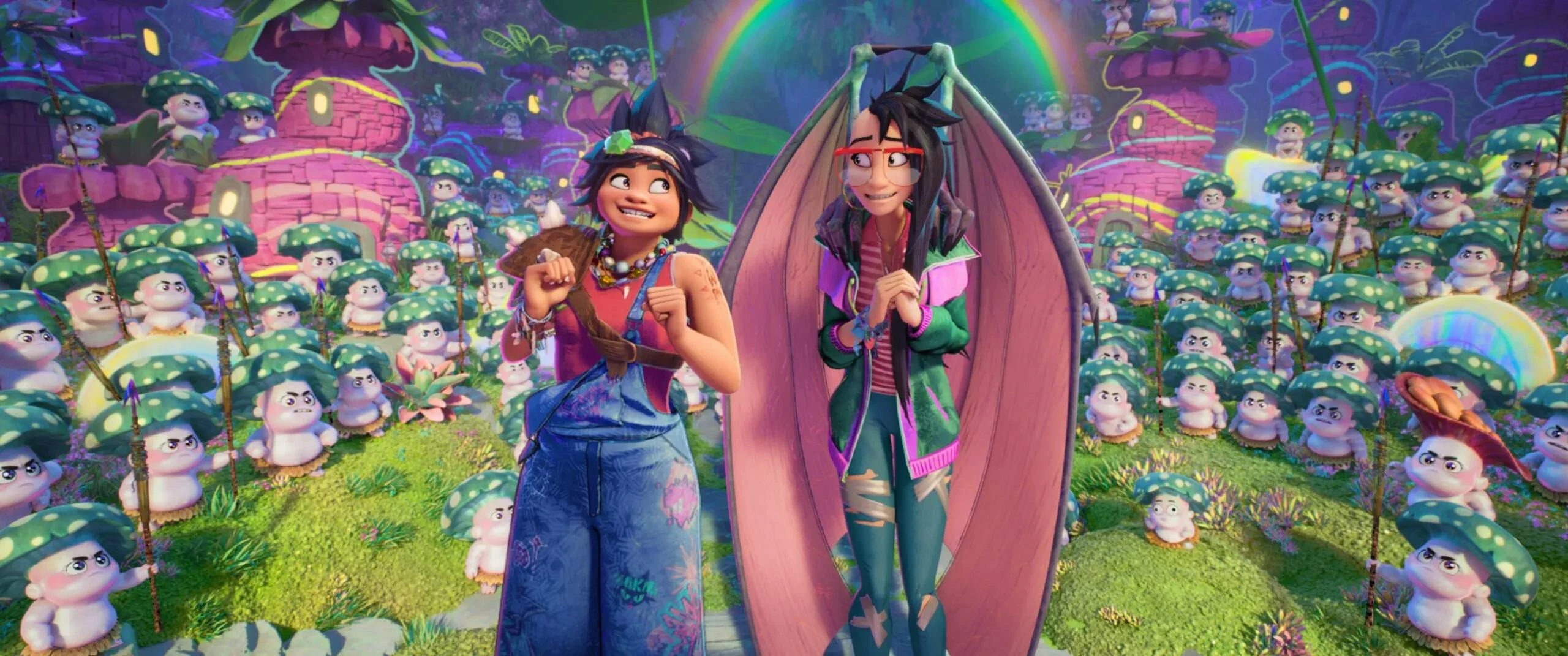
This past weekend, DreamWorks Animation’s latest cinematic venture, Forgotten Island, officially hit theater screens worldwide, instantly striking a profound and deeply emotional chord with audiences who grew up during the twilight of the 20th century. Directed by the visionary creative team behind the critically acclaimed Puss in Boots: The Last Wish—specifically filmmakers Joel Crawford and Januel Mercado—the film operates as a high-octane fantasy adventure wrapped in a deeply personal, poignant coming-of-age narrative. Set against a backdrop of rich cultural mythology and pre-millennium innocence, Forgotten Island chronicles the unbreakable bond between two distinct personalities: the chaotic, risk-taking adventurer Jo (voiced by GRAMMY-winning artist H.E.R.) and the brilliant, resolute intellectual Raissa (voiced by actress Liza Soberano).
At its core, the film is a masterclass in emotional resonance, capturing the visceral ache of adolescent transitions, particularly the formidable hurdle of impending geographical separation just before the ubiquity of the modern internet era permanently altered human communication. For women who navigated their formative years in the late 1990s and early 2000s, Forgotten Island does more than simply entertain; it functions as a cinematic time capsule. From the jangly weight of personalized charm bracelets to the tactile satisfaction of curating analog mixtapes, the film meticulously reconstructs the textures of a bygone era.
This comprehensive review and journalistic analysis examines the cultural impact of Forgotten Island, dissecting how its unique blend of multicultural folklore, analogue artifacts, and supernatural action successfully captures the authenticity of turn-of-the-millennium girlhood, while establishing a new benchmark for animated storytelling.
Detailed Chronology: The Narrative Journey of Forgotten Island
To understand the profound emotional impact of Forgotten Island, one must first examine the structural chronology of its narrative arc, which mirrors the classic beats of the 90s girl-power adventure genre while subverting them through modern emotional maturity.
Act I: The Mythology of Youth and the Pre-Y2K Setting
The film opens by establishing the deep-rooted friendship between Jo and Raissa, forged in the crucible of childhood imagination. Raised in part by her folklorically-minded grandmother (referred to affectionately as her Lola), Jo absorbs a wealth of regional mythologies and spooky legends. The narrative deliberately grounds itself in a pre-smartphone reality. There are no instant messaging apps, no cloud-synced photo albums, and no omnipresent digital footprint. Instead, history is recorded in physical artifacts: ticket stubs, Polaroid photographs, hand-drawn comics, and, most importantly, handmade trinkets.
When Jo and Raissa discover cryptic clues pointing toward the legendary "Forgotten Island"—a mysterious sanctuary whispered about in Jo’s grandmother’s deathbed stories—it sets into motion their ultimate quest. This journey is not merely an escapade for hidden treasures; it represents a desperate, subconscious effort to freeze time. With Raissa’s impending departure for college on the horizon, the island serves as the final frontier for their childhood camaraderie.
Act II: Into the Supernatural Unknown
As the duo embarks on their voyage, the film shifts into high-gear creature-feature action reminiscent of cult-classic television staples like Buffy the Vampire Slayer and Charmed. The island itself acts as a living psychological landscape, where the supernatural entities the girls encounter directly mirror their internal anxieties about growing apart.
Among the standout denizens of the island is Bungi, a mischievous, ancient baby demon brought to life with chaotic comedic timing by Manny Jacinto (The Acolyte). Bungi serves as both an obstacle and a catalyst for the girls to confront their mutual fears of inadequacy and change. Simultaneously, they must contend with more formidable threats, including the terrifying and majestic Dreaded Manang, voiced by Broadway legend Lea Salonga (the legendary singing voice of Princess Jasmine in Disney’s Aladdin). Salonga’s performance infuses the vampiric folklore entity with a terrifying yet deeply sympathetic gravity.
As Jo and Raissa battle these literal and figurative demons side-by-side, the narrative expertly highlights how the unspoken trust between childhood best friends acts as an impenetrable shield against external chaos.
Act III: The Hardest Goodbye
The emotional climax of Forgotten Island arrives not with a grand explosion or a magical revelation, but with the quiet, devastating reality of transition. The film refuses to shy away from the heavy emotional toll of the late-90s diaspora—the painful goodbyes necessitated by higher education, career relocations, and the vast distances of a world not yet shrunk by high-speed broadband connections.
When the dust settles and the supernatural threats are neutralized, Jo and Raissa must face the ultimate test: parting ways. Yet, the film delivers a message of enduring hope. While their physical circumstances will change, the physical mementos and shared foundational memories ensure that their bond remains permanently etched in time.
Supporting Context & Metrics: The Cultural Blueprint of 1990s Girlhood
The authenticity of Forgotten Island is not accidental; it is built upon a meticulous recreation of late-20th-century adolescent culture. Sociological and cultural metrics regarding media consumption during the 1990-2000 transition period reveal why these specific touchstones resonate so deeply with contemporary adult audiences.
1. Friendship Charm Bracelets vs. Modern Beaded Culture
While contemporary pop culture has seen a massive resurgence in DIY jewelry—largely catalyzed by massive stadium tours and viral social media trends—the charm bracelets of the late ’90s occupied a fundamentally different psychological space. In Forgotten Island, Jo and Raissa’s charm bracelets are cumulative, living archives of their shared history.
- The Trinkets: Every major milestone, inside joke, and shared trauma receives a physical manifestation. From a miniature yarn doll representing the Manananggal (a vampiric Philippine folklore entity) to a tiny cassette tape charm symbolizing their musical bond, these bracelets grew heavier and noisier with every passing year.
- The Psychological Value: Sociologically, these jangling metallic artifacts served as wearable armor and public declarations of alliance in the complex social hierarchies of middle and high school.
2. Multicultural Celebrations and Found Family
One of the film’s most critically praised narrative choices is its unflinching, joyful integration of Filipino culture. During Raissa’s going-away-to-college party, viewers are treated to an authentic display of traditional family dynamics:
- The Staples: Karaoke machines blaring classic anthems, tables groaning under the weight of lechon (roast pig), framed religious imagery keeping a watchful eye over the festivities, and an army of well-meaning, boundary-ignoring aunts and uncles.
- The Cross-Cultural Bridge: For Jo, an outsider to these specific traditions, being welcomed into this vibrant ecosystem highlights a defining element of 90s multiculturalism—the concept of the "found family." Whether it was a Filipino cookout, a Latino Carne Asada, or a neighborhood backyard barbecue, the friendships of this era were frequently solidified by the blending of cultural households, teaching young people empathy and cross-cultural appreciation long before diversity training became a corporate standard.
3. The Sacred Art of the Mixtape
Long before algorithms curated our emotional states via Spotify playlists, musical expression required manual labor, physical patience, and technological precision.
- The Ritual: The film captures the painstaking process of waiting by a stereo boombox, index finger hovering over the "Record" and "Play" buttons simultaneously, holding one’s breath to fast-forward through commercial breaks or waiting for a DJ to stop talking over the intro of a beloved track.
- The Aesthetic: The tactile satisfaction of cracking open the cellophane wrapper of a blank cassette, sliding out the J-card to hand-write song titles in messy adolescent handwriting, and applying personalized stickers made the mixtape a deeply intimate love letter. The needle drops in Forgotten Island tap directly into this auditory nostalgia, proving that analog music carries a warmth that digital streaming struggles to replicate.
4. Unsupervised Adventures and the Pre-Digital Freedom
Perhaps the most striking contrast between ’90s youth and modern adolescence highlighted in the film is the complete absence of screen-based surveillance.
- The Absence of Mobile Phones: Without cell phones to check in every ten minutes or social media platforms to broadcast their whereabouts, Jo and Raissa operated with a degree of physical autonomy that has since vanished from modern childhood.
- The Formative Trouble: Getting lost in the woods, tracking down local legends, and facing real-world consequences without a digital safety net forged a resilience and mutual reliance that defined the generation.
Official Statements and Creative Insights
The artistic vision behind Forgotten Island was driven by a desire to honor a specific era of animation and personal history. In exclusive press statements accompanying the film’s theatrical release, co-directors Joel Crawford and Januel Mercado elaborated on their inspirations.
"We didn’t just want to make another fantasy adventure film," stated co-director Joel Crawford during a recent press junket. "We wanted to capture the specific texture of growing up right on the precipice of the digital age. There was a unique magic to the finality of goodbyes back then. When your best friend moved across the world, you didn’t have FaceTime. You had letters, landline phone bills your parents yelled about, and the memories you forged together in the physical world."
Co-director Januel Mercado echoed these sentiments, emphasizing the importance of cultural representation within the fantasy genre:
"Bringing Filipino folklore to a global DreamWorks platform was a massive priority for us. Growing up, we rarely saw these kinds of creatures—like the Manananggal or regional iterations of ancestral spirits—given the blockbuster treatment. Pairing these mythological elements with a universal story of female friendship allowed us to create something that feels both entirely unique and universally relatable."
Lead voice actress H.E.R., who brings Jo to life with fierce emotional depth, shared her personal connection to the role:
"Playing Jo felt like stepping into a time machine. She is chaotic, she is loyal, and she loves her best friend fiercely. That kind of ride-or-die friendship is something every girl remembers. You feel invincible when you’re side-by-side with your best friend, and Forgotten Island honors that exact feeling of invincibility."
Future Outlook: The Legacy of Forgotten Island and the Nostalgia Economy
As Forgotten Island continues its theatrical run, industry analysts are closely monitoring its box office trajectory and cultural footprint. Initial weekend returns indicate strong word-of-mouth enthusiasm, particularly among demographic cohorts aged 25 to 45 who see their own adolescent experiences reflected on the silver screen.
Industry Impact and Animation Trends
The film’s success signals a broader shift within major animation studios. Following the stylistic risks popularized by Spider-Man: Into the Spider-Verse and DreamWorks’ own Puss in Boots: The Last Wish, audiences are increasingly rejecting homogenized, hyper-realistic CGI in favor of visually distinct, painterly art styles infused with emotional grit and cultural specificity. Forgotten Island proves that high-concept fantasy does not need to sacrifice grounded emotional storytelling to succeed commercially.
Cultural Longevity and the Return of Analog Artifacts
Beyond the box office, cultural commentators are already noting a resurgence in interest regarding the physical artifacts highlighted in the film. Social media platforms are seeing a spike in tutorials on how to make traditional charm bracelets, while independent record stores report renewed curiosity from younger demographics regarding cassette tapes and physical media curation.
Final Verdict
Forgotten Island is much more than a successful animated feature; it is a vital cultural artifact that validates the intense, life-altering power of female friendship during adolescence. By weaving together high-stakes supernatural action, rich multicultural folklore, and the irreplaceable analog textures of late ’90s youth, DreamWorks has crafted a timeless classic.
Whether you are a woman who grew up trading mixtapes and decoding local myths with your childhood best friend, or a parent looking to share a piece of your formative years with a new generation, Forgotten Island demands to be experienced on the big screen. Grab your bestie, leave your cell phones in the car, and prepare to take a magical, nostalgic portal back to a time when friendship could conquer any monster—real or imagined.

