
Executive Overview
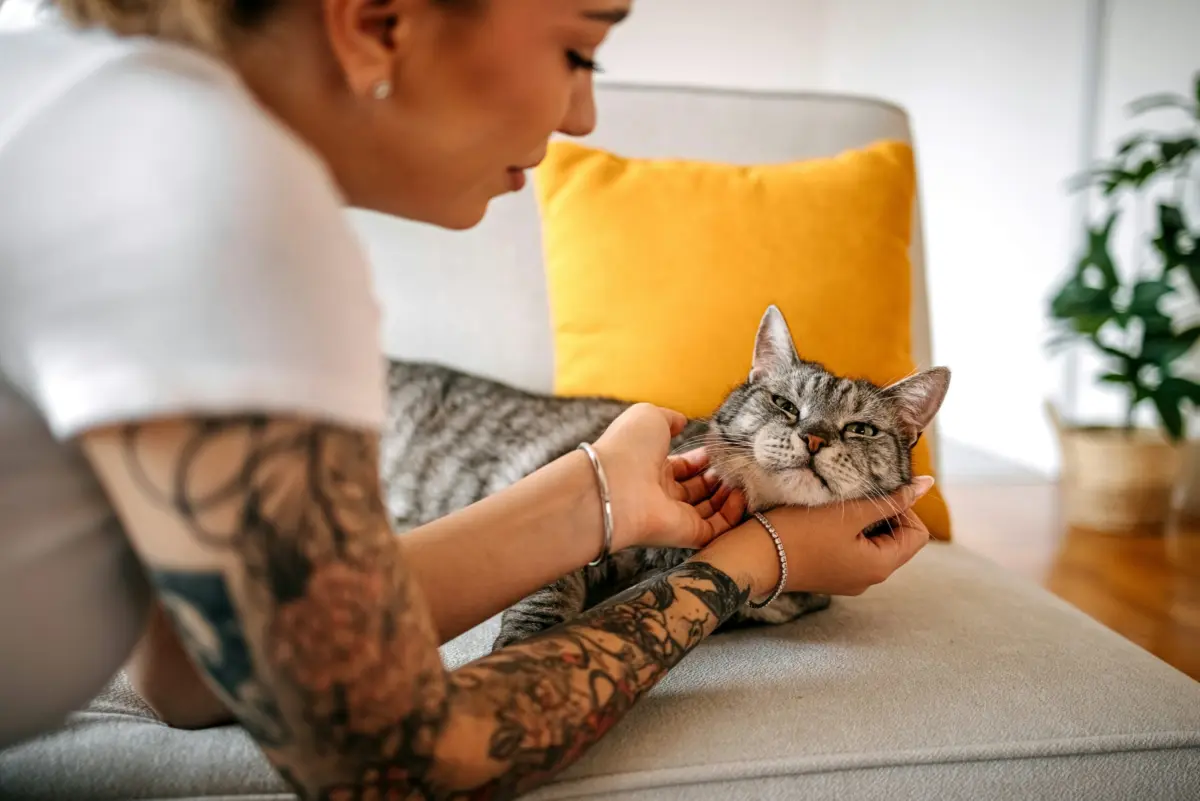
Cats are famously eccentric creatures, known for engaging in a bizarre pantheon of behaviors that leave their human companions perpetually amused, bewildered, or slightly alarmed. From rhythmically rubbing their teeth against human ankles to sprinting across the house at 3:00 a.m. as though possessed by unseen phantoms, feline antics are woven into the fabric of pet ownership. However, when a seemingly tranquil cuddle session on the couch is interrupted by the unexpected realization that your feline friend is leaking saliva, the mood shifts quickly from amusement to concern.
While drooling is commonly associated with canine physiology—think of the classic image of a Mastiff or a Bulldog—it is a decidedly less typical presentation in cats. Consequently, when a cat begins to salivate excessively, owners are forced to confront an urgent question: Why is my cat drooling suddenly?
According to leading emergency veterinarians, the answer is far from monolithic. Feline hypersalivation—medically known as ptyalism—can run the entire gamut of medical significance. On one end of the spectrum, it can be a benign physiological response to intense contentment, an expression of sheer bliss while receiving chin scratches. On the other end, it can serve as the canary in the coal mine, signaling acute toxicity, severe dental trauma, gastrointestinal distress, or an underlying neurological crisis.
This comprehensive investigative report examines the clinical drivers behind sudden feline drooling, outlines the critical diagnostic markers pet owners must evaluate, details official guidance from veterinary specialists, and provides a clear roadmap for navigating pet health emergencies.
Detailed Chronology: Understanding the Onset and Escalation of Feline Drooling
To properly assess an episode of feline hypersalivation, veterinary professionals emphasize the importance of understanding the timeline and context of the symptom. Drooling rarely occurs in a vacuum; it is the physical manifestation of an underlying stimulus acting upon the cat’s nervous system, salivary glands, or oral cavity.
Phase One: Immediate Triggers and Benign Responses
In many cases, the onset of drooling is acute, short-lived, and tied directly to an immediate sensory experience.
- The Taste Aversion Reflex: Cats possess a notoriously sensitive palate and a strong biological aversion to bitter compounds. If a cat licks a bitter-tasting topical medication, a household cleaning residue, or a toxic houseplant, the immediate reflex is often profuse foaming or drooling as the body attempts to purge the offending substance from the oral cavity.
- The Stress and Anxiety Response: Veterinary visits, car rides, unfamiliar visitors, or sudden loud noises can induce acute psychological stress. In some cats, this manifests as heavy panting accompanied by transient hypersalivation.
- The Blissful Purr: Conversely, profound relaxation can occasionally trigger a temporary lapse in normal saliva management. Cats that are deeply content, kneading blankets, or receiving vigorous affection may simply forget to swallow, resulting in minor pooling around the lips.
Phase Two: The Escalation of Clinical Signs
When drooling persists beyond a brief, isolated event, the timeline shifts from environmental reaction to pathological progression. If a cat begins drooling due to a fractured tooth, a developing periodontal abscess, or a low-grade toxin exposure, the initial symptom is typically compounded by secondary behaviors over the course of hours:
- The cat begins pawing frantically at its mouth or face.
- Grooming habits cease, leading to a dull or unkempt coat.
- Food avoidance develops, or the cat approaches the food bowl with apparent hunger only to cry out and back away in pain.
- Behavioral shifts occur, ranging from uncharacteristic aggression due to pain to severe lethargy and hiding.
Phase Three: The Critical Threshold
If the underlying cause is systemic—such as organ dysfunction, progressive poisoning, or a neurological event—the timeline accelerates into a medical emergency. Within hours of the initial drooling episode, cats may display compounding symptoms including recurrent vomiting, muscular tremors, ataxia (loss of coordination), and unresponsiveness. Understanding this chronological progression is vital for pet owners, as intervening during Phase One or early Phase Two can mean the difference between a simple outpatient veterinary visit and intensive, critical-care intervention.
Supporting Context & Metrics: The Anatomy of Feline Salivation
To appreciate why cats drool, one must first understand the mechanical and neurological systems governing saliva production in the feline body. Saliva is essential for maintaining oral health, lubricating food for easier swallowing, and initiating the primary stages of digestion. However, when the autonomic nervous system—specifically the parasympathetic nervous system—is overstimulated, or when local irritants overwhelm the oral cavity, the salivary glands go into overdrive.
Physiological and Pathological Drivers of Ptyalism
Veterinary literature generally categorizes the causes of feline hypersalivation into distinct clinical domains:
-
Oral and Dental Pathologies
- Periodontal Disease: Calculus buildup, gingivitis, and stomatitis create chronic inflammation within the oral cavity, generating excess fluid and profound pain that interferes with normal swallowing.
- Dental Trauma: Fractured teeth with exposed pulp chambers cause excruciating, localized discomfort, prompting continuous drooling.
- Foreign Bodies: Linear foreign objects—such as string, thread, or ribbon—frequently wrap around the base of the tongue or become lodged in the roof of the mouth, triggering severe salivation and gagging.
-
Toxicological Exposures
- Botanical Toxins: Common household and garden plants, notably true lilies (Lilium species), dieffenbachia, philodendrons, and various species of ferns, contain insoluble calcium oxalate crystals or systemic toxins that instantly irritate the feline oral mucosa.
- Chemical and Pharmacological Agents: Ingestion of topical flea and tick preventatives meant exclusively for dogs (which frequently contain permethrin) or household cleaning agents can induce acute, life-threatening neurological toxicity, of which drooling is often the first visible symptom.
-
Systemic and Metabolic Disorders
- Gastrointestinal Distress: Nausea stemming from pancreatitis, inflammatory bowel disease, or dietary indiscretion invariably causes an increase in saliva production immediately prior to vomiting.
- Hepatic and Renal Encephalopathy: Liver or kidney failure leads to a buildup of toxins in the bloodstream, affecting neurological function and manifesting in atypical physical signs, including excessive salivation and behavioral changes.
Statistical Insights into Feline Emergency Presentations
While comprehensive global data on feline-specific drooling is rarely isolated from general emergency metrics, emergency veterinary hospital networks report that gastrointestinal upsets, toxin ingestions, and advanced dental disease account for over 65% of all emergency room visits involving unexpected feline hypersalivation. Furthermore, veterinary toxicologists note that feline poisonings carry a significantly higher mortality rate when treatment is delayed by even a few hours, underscoring the critical importance of early recognition and prompt professional intervention.
Official Statements: Insights from Leading Emergency Veterinarians
To provide actionable, authoritative guidance for pet owners navigating this unnerving symptom, prominent figures in veterinary emergency and critical care have shared expert clinical perspectives.
Dr. Lori Ross, an emergency veterinarian and executive medical director at Emergency Veterinary Care Centers (EVCC), emphasizes the multifaceted nature of the symptom and the necessity of looking beyond the saliva itself.
"Sometimes a cat will drool because it has tasted something unpleasant or bitter, is nauseous, or is extremely stressed or frightened. Some cats will also drool when they’re very relaxed or purring," explains Dr. Ross. "But sudden drooling can also be a sign of a problem in the mouth. Dental disease, a painful or broken tooth, an ulcer, inflammation, or something stuck in the mouth can all cause excessive saliva. We also have to think about toxin exposure."
Dr. Ross highlights that cats are master concealers of discomfort—an evolutionary survival trait designed to hide vulnerability from predators. Consequently, owners must be hyper-observant of subtle contextual clues.
"Bad breath, dropping food, chewing differently, reluctance to eat, pawing at the face, or resisting having the mouth or face touched can point toward oral or dental pain," Dr. Ross notes. She adds a vital warning regarding environmental hazards: "Cats can be exposed to things by licking them off their fur, eating something they shouldn’t, or even getting certain chemicals on their skin. Drooling can be one of the first signs of poisoning. If you suspect your cat has gotten into a toxin, don’t wait for additional symptoms to develop before calling. Some poisonings can become much more difficult to treat once symptoms progress."
Echoing these protocols, Dr. Carly Fox, a senior veterinarian in the Schwarzman Animal Medical Center’s Emergency & Critical Care Service, provides clear parameters for when owners can relax versus when they must take immediate action.
"If the drooling is directly after your cat is given an oral medication or is associated with stress—like a car ride to the vet—it will typically resolve on its own, and no treatment is needed," states Dr. Fox.
However, Dr. Fox draws a firm line regarding duration and accompanying systemic signs:
"If your pet is drooling with no obvious cause and it does not resolve in one to two hours, or is associated with muscle twitching or abnormal behavior, they should be evaluated by a veterinarian. Drooling plus vomiting, seizure, loss of appetite, or hyperactivity should be considered an emergency."
Both specialists agree on a golden rule of veterinary observation: evaluate the whole cat, not just the symptom. A feline that encounters a bitter medicine, salivates for sixty seconds, and immediately resumes normal grooming and play is likely entirely fine. Conversely, a cat that is drooling while hiding in a dark corner, exhibiting shallow breathing, or showing facial swelling requires immediate, professional veterinary triage.
Future Outlook: Advances in Feline Diagnostics and Preventive Care
As veterinary medicine continues to evolve, the approach to diagnosing and managing complex feline presentations like hypersalivation is undergoing a technological revolution.
Diagnostic Innovation in Emergency Care
Historically, identifying the root cause of acute feline drooling relied heavily on physical manipulation of a stressed, painful cat’s oral cavity—a process fraught with risk for both the clinician and the patient. Modern emergency veterinary facilities are increasingly utilizing advanced diagnostic imaging, including high-resolution dental radiography and point-of-care ultrasound (POCUS), to rapidly and painlessly assess oral structures and internal organs without inflicting additional trauma on the distressed animal.
Furthermore, rapid-response blood panels and advanced toxicology screening tools allow emergency clinicians to identify metabolic derangements and specific classes of toxins within minutes rather than hours. This technological acceleration significantly shortens the diagnostic window, enabling targeted, life-saving therapies to be deployed much earlier in the clinical timeline.
The Rise of Proactive Feline Wellness
In parallel with emergency advancements, the veterinary community is placing a renewed emphasis on preventive wellness to intercept conditions before they manifest as acute crises. Routine dental cleanings under general anesthesia—once viewed by many cat owners as an unnecessary luxury—are now widely recognized as a fundamental pillar of feline preventative medicine. By addressing periodontal disease, resorptive lesions, and compromised teeth proactively, veterinarians can drastically reduce the incidence of chronic oral pain and the associated secondary symptoms, such as hypersalivation.
Additionally, veterinary toxicologists are working alongside pet product manufacturers to increase public awareness regarding common household hazards. Educational campaigns focusing on the lethal risks of human medications, toxic flora, and canine-specific parasite preventatives are empowering pet owners to create safer living environments for their feline companions.
Conclusion: Trusting Your Instincts as a Pet Parent
Ultimately, navigating the complexities of feline health comes down to intuition backed by reliable professional guidance. As Dr. Ross aptly summarizes:
"A little drool in an otherwise happy, normal cat is one thing. A cat who is suddenly drooling and doesn’t seem like themselves is a cat I want a veterinarian to know about."
By remaining vigilant, understanding the critical thresholds of medical urgency, and maintaining a proactive partnership with qualified veterinary professionals, cat owners can ensure their beloved companions receive the precise, timely care they deserve when unexpected symptoms arise.

