In an era characterized by theological pluralism, subjective spirituality, and a widespread erosion of biblical literacy, the Read, Do, & Tell Podcast has thrust a foundational and often uncomfortable subject back into the contemporary Christian dialogue: the historical and modern menace of heresy. In Episode 26, hosts Becky and Amy continue their rigorous multi-part series on doctrinal deviations, turning their sharp focus specifically toward heresies against God.
Far from being mere academic debates confined to dusty seminary halls, heresies—defined by the hosts as teachings that intentionally distort or contradict God, His nature, or the pure gospel as revealed in Scripture—represent an existential threat to the integrity of the Christian faith. The podcast establishes a vital theological boundary: while secondary matters of Christian practice and secondary doctrines allow for healthy, diverse perspectives among believers, distortions regarding the core character, attributes, and trinitarian nature of God cross the line from difference of opinion into dangerous heresy.
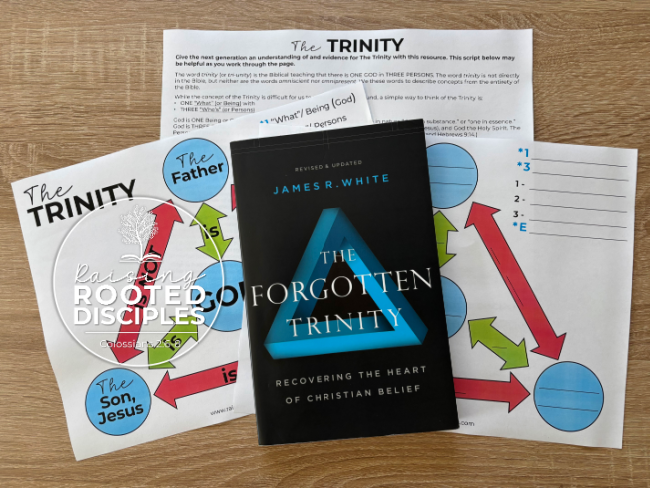
To demonstrate that contemporary theological errors are rarely novel, the episode bridges ancient church history with present-day realities. Becky and Amy guide listeners through the critical foundational councils and creeds of the early church fathers, proving that the battles fought centuries ago against distortions of the divine nature continue to manifest today in slick, modern packaging. Additionally, the episode equips believers with practical study tools, offering exclusive resources such as the Trinity Diagram & Teaching Pack to combat biblical illiteracy and anchor believers firmly in historical orthodoxy. This comprehensive feature explores the historical gravity of heresy, examines the ancient precedents, analyzes contemporary theological aberrations, and outlines the urgent call for a return to disciplined scriptural study.
Detailed Chronology: From Ancient Creeds to Modern Pulpits
Understanding how the modern church evaluates heresy requires traversing a well-trodden historical path. The institutional church did not formulate creeds out of an arbitrary desire for control; rather, church councils were convened in response to aggressive, destabilizing theological errors that threatened to sever the faithful from the true gospel.
The Early Church and the Birth of Creeds
During the first four centuries following the resurrection of Christ, the global church wrestled deeply with how to articulate the mystery of the Godhead. As various charismatic teachers emerged with alternative interpretations of Jesus Christ’s divinity, His relationship to the Father, and the identity of the Holy Spirit, chaos threatened the nascent Christian communities.
The Apostolic Era and Early Warnings: Even within the New Testament canon, the Apostles repeatedly warned against false teachers who preached "another Jesus" or distorted the grace of God. These warnings laid the groundwork for an active, vigilant defense of orthodoxy.
The Council of Nicaea (325 AD): Convened to address the pervasive Arian controversy—which claimed that Jesus Christ was a created being rather than co-eternal with the Father—the Council of Nicaea established the foundational language of the Nicene Creed, affirming that the Son is homoousios (of one substance) with the Father.
The Council of Constantinople (381 AD): Expanding upon Nicaea, this council formally clarified the divinity and personhood of the Holy Spirit, solidifying the orthodox formulation of the Trinity against pneumatomachian heresies.
Later Christological Councils (Ephesus in 431 AD and Chalcedon in 451 AD): These councils safeguarded the dual natures of Christ—fully God and fully man—against extremes that either merged His natures into a confused hybrid (Monophysitism) or effectively split Him into two separate persons (Nestorianism).
The Modern Resurgence of Ancient Errors
As Becky and Amy emphasize in Episode 26, today’s church is witnessing a recycling of these ancient deviations under new linguistic branding. Modern theological errors regarding the Trinity and the nature of God often bypass overt denial in favor of subtle subversion.
Modalism (Oneness Pentecostalism and Pop-Culture Analogies): Frequently explained using water turning into ice, steam, or liquid, or an actor changing masks, modern modalism denies the eternal coexistence of the three distinct persons of the Trinity, suggesting instead that God merely operates in different "modes" at different times.
Arianism Reborn: Modern religious movements that strip Jesus of His absolute divinity—relegating Him to a supreme created being, a brilliant moral teacher, or an elevated angel—mirror the exact heresies dismantled at Nicaea.
Moralistic Therapeutic Deism: While not a classical heresy in the truest trinitarian sense, this modern cultural distortion redefines God as a cosmic therapist and divine butler whose primary goal is to make individuals feel good about themselves, effectively domesticating the holy, transcendent Creator of the universe.
Supporting Context & Metrics: The State of Theological Literacy
The urgency behind the Read, Do, & Tell Podcast’s deep dive into heresies against God is underscored by alarming trends in contemporary Christian theology and biblical literacy.
The Theological Literacy Crisis
Data compiled by organizations such as Ligonier Ministries and LifeWay Research over recent years paint a stark picture of modern churchgoers’ understanding of God:
The Trinity: Studies consistently reveal that a staggering percentage of self-identified evangelical Christians hold views concerning the Trinity that align historically with recognized heresies (such as Arianism or Modalism).
The Nature of Christ: A significant portion of regular church attendees struggle to correctly identify orthodox Christology, frequently agreeing with statements that compromise either Christ’s fully divine or fully human nature.
Doctrinal Indifference: Modern secular individualism has fostered a climate where objective theological truth is viewed as secondary to emotional experience. Phrases like "As long as it works for you" have largely replaced the apostolic mandate to "contend for the faith that was once for all delivered to the saints" (Jude 1:3).
The Role of Structured Discipleship
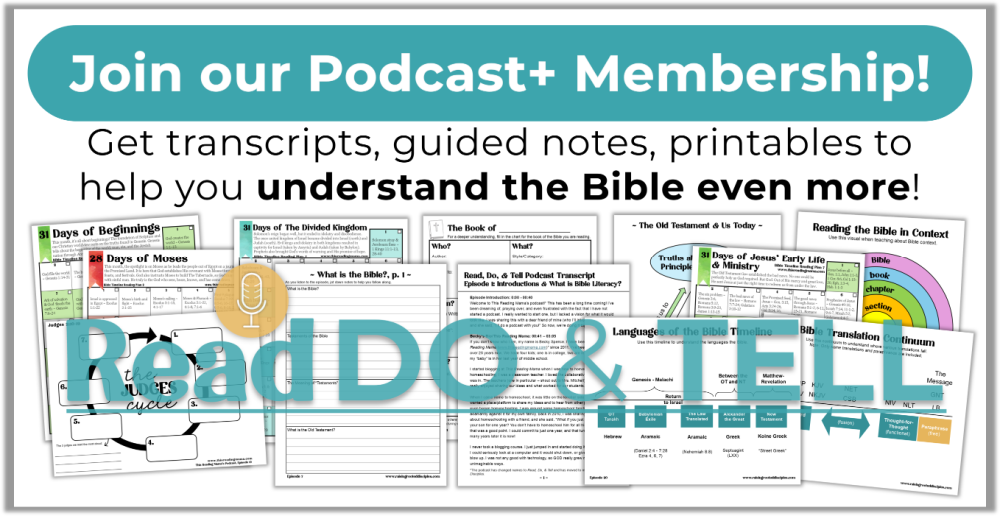
To combat these troubling trends, resources like the Raising Rooted Disciples ministry emphasize structural, foundational education. The availability of tools such as the Trinity Diagram & Teaching Pack—alongside comprehensive podcast transcripts, guided notes, and structured Bible reading plans via the Podcast+ Membership—highlights a growing movement among modern Christian educators: the necessity of moving beyond surface-level devotionals into rigorous, doctrine-rich discipleship for families and communities alike.
Official Statements & Core Theologies
The theological framework presented by hosts Becky and Amy is anchored in historical orthodox Christianity, drawing a hard line between acceptable secondary distinctives and destructive primary heresies.
Defining Heresy: A Serious Matter
In their ongoing series, the hosts make a definitive distinction between secondary matters—such as modes of baptism, styles of church governance, or eschatological timelines—and primary doctrines regarding the nature of God:
"We need to remember that heresy is a SERIOUS matter to the church AND to God! Heretical teaching is teaching that intentionally distort or contradict God or the pure gospel as revealed in Scripture. Those who teach heresies are ‘heretics.’"
This authoritative stance pushes back against the cultural narrative that doctrine does not matter. According to the podcast, altering the definition of who God is—whether by stripping away His justice, redefining His trinitarian fellowship, or manufacturing a false Jesus—is not a matter of harmless personal opinion; it strikes at the very heart of worship and salvation.
The Significance of Church History
Addressing the common hesitation believers feel when confronted with ancient creeds and church history, the podcast issues a rallying cry:
"Amy and I briefly go through four of the early councils and creeds of the church fathers to show you these heretical teachings are nothing new. Don’t check out when it comes to church history! This stuff is IMPORTANT!"
By grounding faith in the historical consensus of the universal church, believers are protected from the intellectual isolation of modern consumer Christianity. Understanding how past generations defended the faith against subtle distortions provides a timeless theological compass for today’s believers.
Future Outlook: Guarding the Deposit of Faith
As the church looks toward the future, the challenge of maintaining theological purity in a hyper-connected, pluralistic global culture will only intensify. The rise of digital communication allows unmonitored, unchecked theological errors to spread across international borders at unprecedented speeds.
The Path Forward for Discipleship
To safeguard future generations of believers, several strategic shifts must occur within local churches and home discipleship environments:
Re-centering Pulpit Ministry on Doctrine: Pastors and teachers must boldly address the attributes of God, the historical reality of the creeds, and the precise boundaries of orthodox trinitarianism. Avoiding complex theological concepts out of a fear of alienating seekers ultimately leaves believers vulnerable to spiritual deception.
Intentional Family Discipleship: Initiatives like those championed by Raising Rooted Disciples—integrating visual aids like the Trinity Diagram, structured study notes, and systematic Scripture reading—prove that deep theological truths can and must be taught early and consistently within the home.
A Return to Biblical Rigor: Emulating the zeal of Ezra, who dedicated his heart "to study the law of the Lord, and to practice it, and to teach His statutes and ordinances," modern believers must cultivate an insatiable appetite for objective scriptural truth over subjective cultural sentiment.
Conclusion
Episode 26 of the Read, Do, & Tell Podcast serves as both a timely warning and an encouraging resource. By exposing the persistent nature of heresies against God—from ancient philosophical deviations to modern cultural adaptations—Becky and Amy remind the church that vigilance is an ongoing requirement of faith. Armed with historical creeds, robust study tools, and an unwavering commitment to Scripture, the modern church can successfully navigate the turbulent waters of contemporary theological confusion and stand firm in the truth of who God is.