
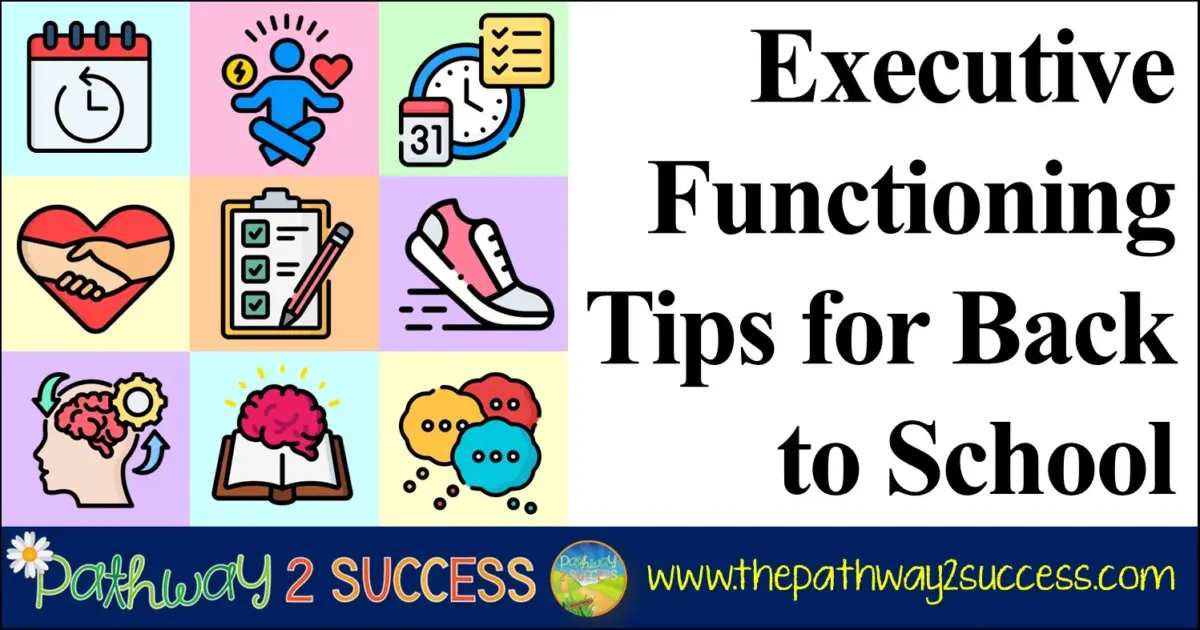
Executive Overview
As the vibrant energy of summer gives way to the structured rhythm of a new academic year, students across the nation face a familiar yet formidable challenge: the transition back to the classroom. While academic readiness is frequently measured by reading levels, mathematical fluency, and scientific inquiry, educators and cognitive psychologists increasingly recognize that the true linchpin of student success lies deeper within the brain’s architecture.
Executive functioning—the suite of higher-order cognitive processes governed by the prefrontal cortex—includes planning, working memory, impulse control, flexible thinking, task initiation, and organization. When students possess a robust foundation in these skills, the academic year unfolds with a predictable, manageable momentum. Conversely, learners struggling with executive dysfunction often experience the school year as a chaotic gauntlet. Imagine the student buried beneath an avalanche of misplaced worksheets, or the adolescent paralyzed by anxiety because they cannot map out a multi-step research project. These moments are not merely frustrating; they actively impede learning, breed academic disengagement, and erode self-esteem.
The transformative news for educators, administrators, and parents alike is that executive functioning skills are not fixed traits; they are malleable cognitive capacities that can be explicitly taught, modeled, and reinforced. By embedding intentional executive functioning strategies into the daily fabric of the classroom from day one, educators can construct a reliable scaffold that empowers children and teens to navigate academic and emotional hurdles with confidence. This report investigates the critical importance of executive functioning during the back-to-school season, explores comprehensive methodologies for classroom integration, and outlines a forward-thinking blueprint for fostering lifelong cognitive resilience.
Detailed Chronology of the Transition: Setting the Cognitive Stage
The back-to-school season represents a profound ecological shift in the lives of children and adolescents. Moving from the unstructured, autonomous days of summer vacation to the highly regulated environment of a school day requires a massive re-allocation of cognitive resources. Understanding how to manage this transition chronologically can prevent cognitive overload.
Phase 1: The Pre-Term Setup (Laying the Groundwork)
Long before the first bell rings, the physical and spatial environment of the classroom plays a silent yet powerful role in shaping student behavior. An organized, clutter-free classroom models the exact spatial and mental organization educators expect from their students. During this pre-term phase, teachers must establish physical homes for every supply, design predictable spatial layouts, and involve students early in understanding these systems. By creating a physical space that minimizes visual distractions and chaotic clutter, educators reduce the cognitive load required simply to navigate the room.
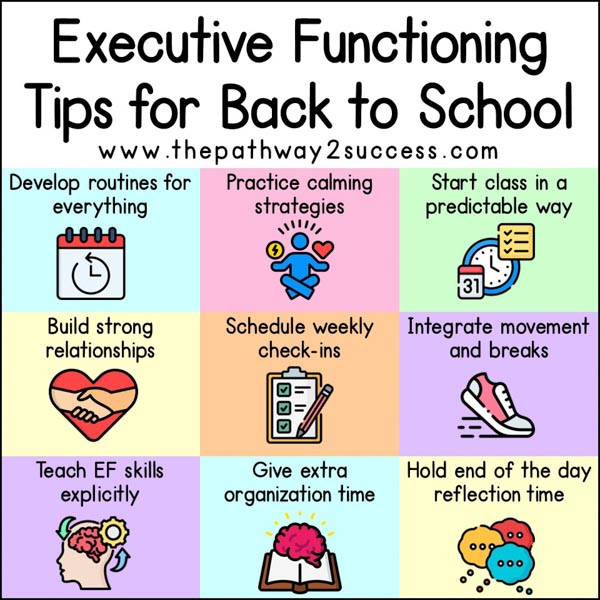
Furthermore, establishing predictable morning routines before the academic year accelerates is vital. A structured morning protocol—whether it involves a standardized entry task, a "word of the day," or a reflective bell-ringer—eliminates the executive tax of uncertainty. When students step into a classroom knowing precisely what steps are expected of them first thing in the morning, their brains are freed from anxiety and primed for higher-order learning.
Phase 2: The First Two Weeks (Explicit Instruction and Routine Building)
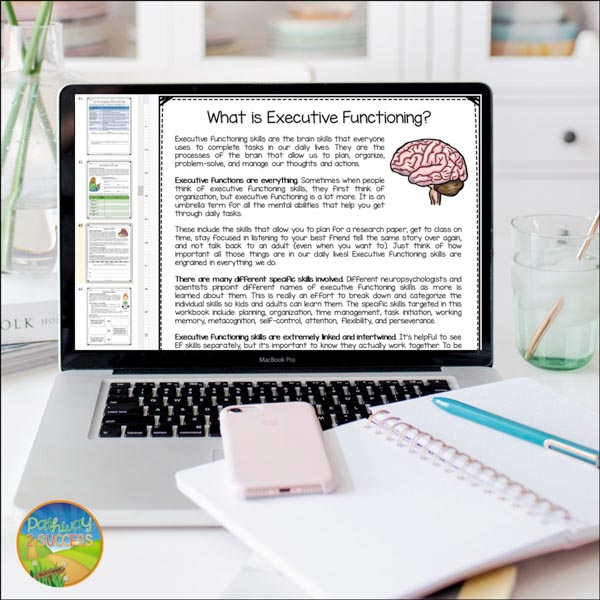
The initial fortnight of the school year is critical. Just as teachers do not expect students to independently decode complex literature without reading instruction, they cannot expect learners to instinctively master task prioritization, emotional regulation, or impulse control.
During these formative weeks, educators must explicitly teach executive functioning skills as distinct curriculum components. This involves breaking down routine classroom activities into granular, step-by-step procedures. Whether the objective is transitioning between subjects, lining up for lunch, or handing in homework, routines must be mapped out, modeled, and practiced repeatedly until they become second nature.
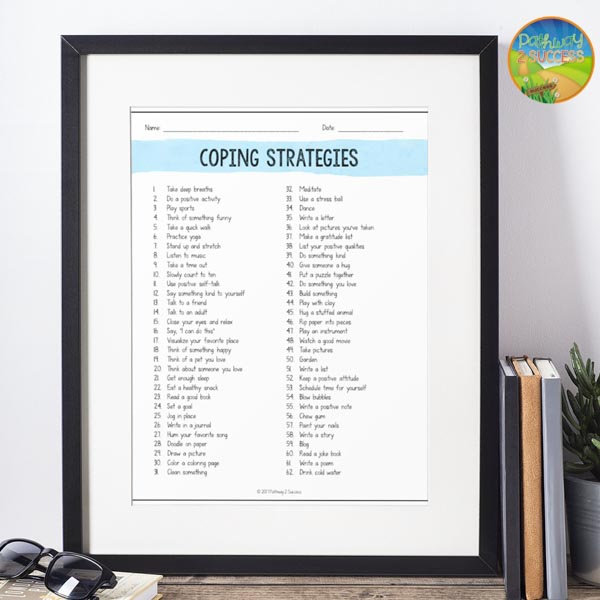
Concurrently, this period requires the intentional introduction of self-calming strategies. Because stressed or emotionally dysregulated brains cannot access the prefrontal cortex effectively, teaching evidence-based coping mechanisms—such as controlled breathing, grounding exercises, or mindful movement breaks—ensures that students possess the emotional tools necessary to self-regulate when challenges arise.
Phase 3: The Ongoing Academic Integration (Mid-Term Maintenance)
As coursework deepens and academic demands escalate, executive functioning strategies must shift from isolated lessons to deeply integrated elements of everyday academic content. Rather than treating planning and organization as standalone subjects, teachers weave them into reading, writing, and mathematics. For instance, an essay-writing unit naturally incorporates working memory and planning; a complex math problem inherently demands cognitive flexibility and error-monitoring.
During this ongoing phase, regular formative checkpoints—such as weekly or bi-weekly one-on-one student conferences—serve as vital feedback loops. These check-ins allow educators to monitor student goal attainment, evaluate which organizational tools are working, and make mid-course corrections before minor stumbles devolve into academic failure.
Supporting Context & Metrics: The Science of Executive Dysfunction
Executive functioning is governed by the prefrontal cortex, the region of the human brain that undergoes the most dramatic structural and functional development during childhood and adolescence. While brain development continues well into a person’s mid-twenties, children experience rapid surges in executive capacity that must be guided and supported by environmental scaffolding.
Research in educational psychology highlights several stark metrics regarding the impact of executive functioning on academic outcomes:
- Cognitive Load Reduction: Predictable classroom routines and visual schedules have been shown to reduce baseline anxiety in students by up to 35%, freeing up vital working memory capacity for complex problem-solving.
- Self-Regulation and Achievement: Longitudinal studies consistently indicate that students who master self-monitoring and emotional regulation strategies early in the academic year demonstrate higher rates of task persistence, resulting in statistically significant gains in standardized academic performance.
- The Sleep Deficit Factor: Clinical data underscores the profound interconnection between physical health habits—particularly sleep hygiene—and cognitive control. Sleep-deprived adolescents exhibit diminished inhibitory control and reduced cognitive flexibility, directly impairing their ability to plan, focus, and manage frustration.
Despite these clear correlations, many educational systems historically treated executive dysfunction as a behavioral deficit rather than a skill gap. When a student fails to turn in assignments or loses track of materials, punitive measures often fail because they address the symptom rather than the underlying cognitive deficit. Shifting toward an explicit, skill-building paradigm alters this trajectory, transforming the classroom into a laboratory for cognitive growth.
Official Insights & Best Practices from Educators
Implementing a comprehensive executive functioning framework requires a multi-faceted approach that engages both cognitive and social-emotional domains. Leading educational strategists recommend a core set of evidence-based practices for the modern classroom:
1. Explicit Skill Instruction and Universal Design
Educators emphasize that executive functioning should be integrated into daily instruction using dedicated curricula, task cards, and bell-ringer activities. By normalizing conversations around executive functioning challenges—sharing personal examples of how adults use planners, timers, and mental checklists—teachers remove the stigma associated with disorganization and forgetfulness.
2. The Power of "Strategy Shares"
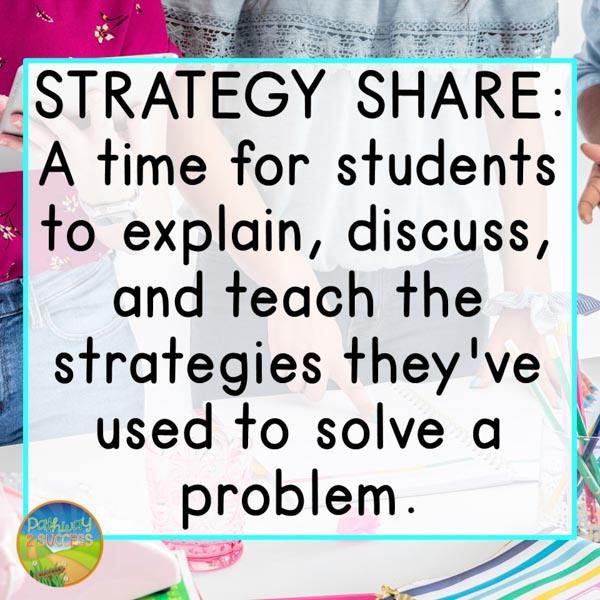
To foster a collaborative community of learners, classrooms should regularly schedule "strategy shares." In these sessions, students articulate the specific cognitive tactics they utilized to solve a difficult math problem, organize a research paper, or manage emotional frustration. This metacognitive practice not only validates diverse learning styles but also populates each student’s mental toolbox with peer-tested strategies.
3. Integrating Movement and Physiological Regulation
Cognitive health is inextricably linked to physical vitality. Educators are increasingly viewing movement breaks not as frivolous rewards, but as critical physiological resets. Integrating kinesthetic learning—such as station rotations during writing tasks or active engagement during math drills—enhances neurological blood flow, sharpens attention spans, and supports sustained self-regulation.
4. Cultivating Relational Trust
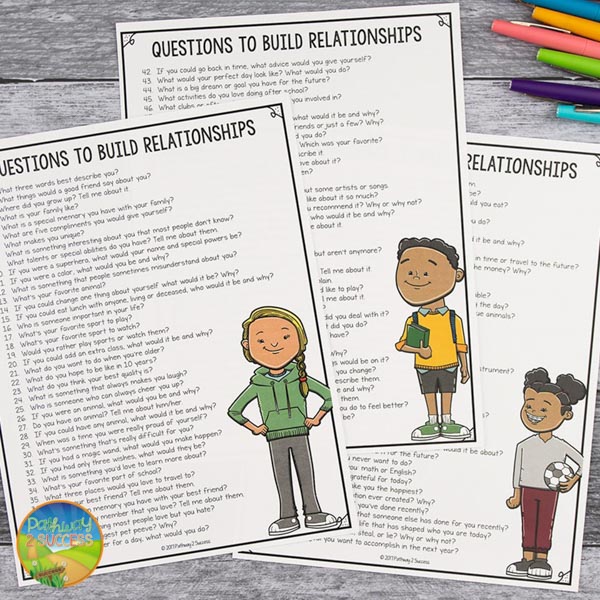
Executive functioning requires vulnerability; students must feel safe enough to attempt challenging tasks, make mistakes, and accept critical feedback. Building robust teacher-student and student-student relationships creates a resilient classroom community. Utilizing structured relationship-building prompts helps students open up, take healthy intellectual risks, and support one another through academic friction.
Future Outlook: Building Lifelong Cognitive Resilience
As we look toward the future of education, the integration of executive functioning support is poised to shift from an innovative pedagogical add-on to an absolute cornerstone of universal design for learning (UDL). In an increasingly complex, fast-paced, and digitally saturated world, the ability to filter distractions, sustain attention, plan strategically, and adapt to unforeseen changes is arguably more valuable than rote memorization.

Preparing students for the workforce of tomorrow demands that educational institutions prioritize the cultivation of these metacognitive skills from early childhood through secondary education. When schools intentionally invest time in teaching children how to think about their thinking, organize their physical and digital environments, and regulate their emotional states, they are offering a profound gift: enduring cognitive independence.
Ultimately, the back-to-school season serves as an annual reminder that learning is a dynamic, evolving journey. By extending patience to students—and to educators navigating these complex frameworks themselves—we can reframe mistakes as data points, celebrate incremental victories, and ensure that every learner starts each day with the internal tools required to thrive.

