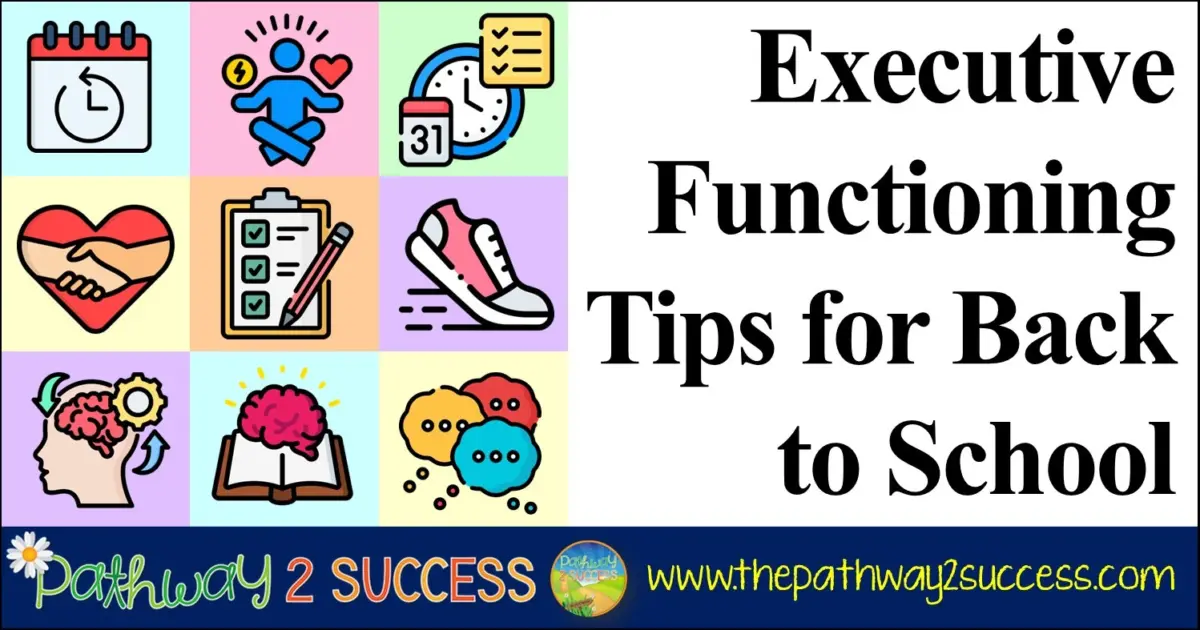
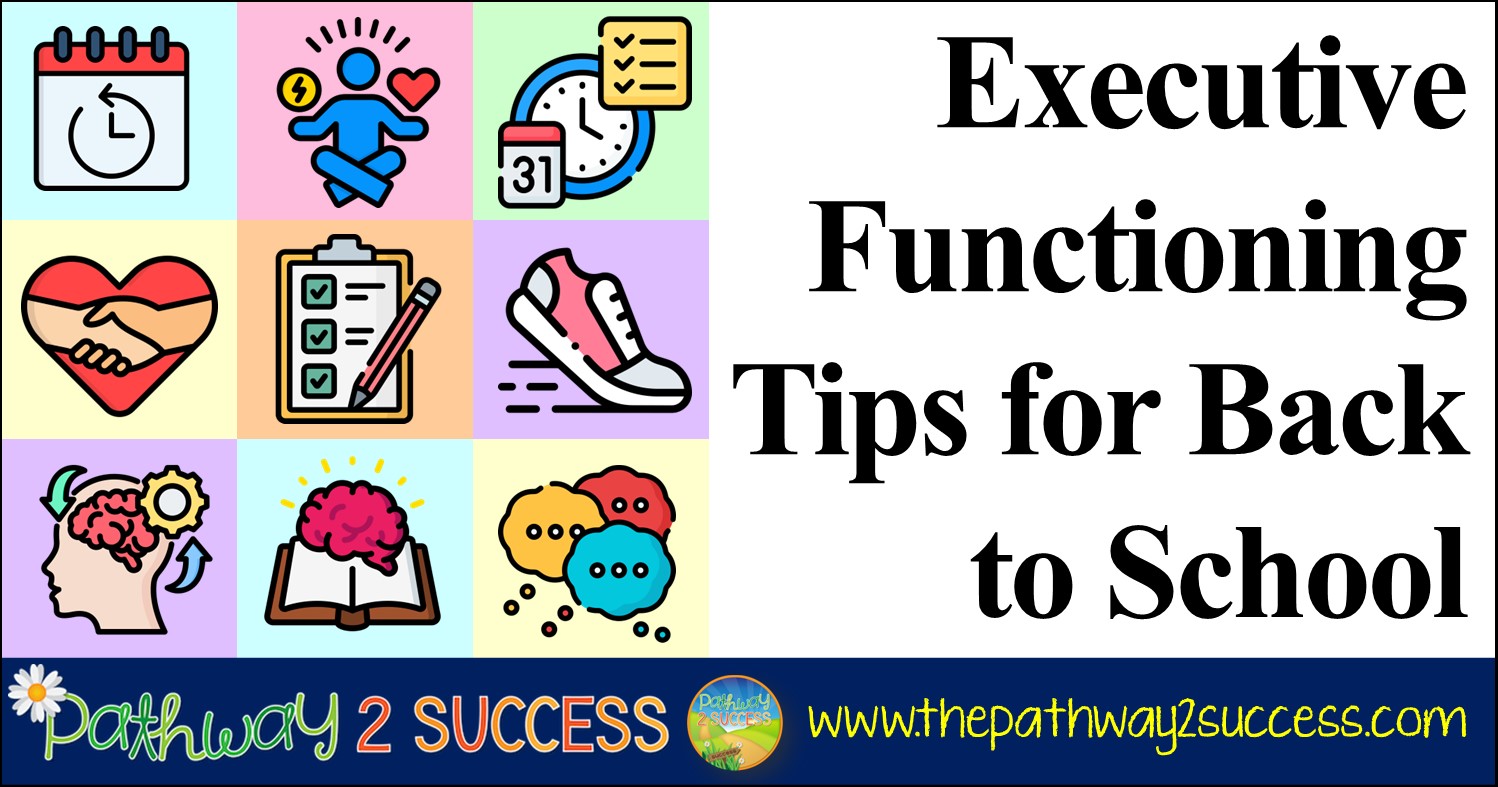
As the back-to-school season approaches, classrooms buzz with a familiar mix of nervous anticipation and high hopes. While educators meticulously prepare lesson plans and polish their syllabi, a foundational set of cognitive processes quietly dictates whether a student will thrive or merely survive the academic year: executive functioning.
Encompassing critical mental skills such as working memory, flexible thinking, self-control, planning, and time management, executive functioning forms the invisible architecture of academic and personal success. When students possess a robust foundation in these areas, transitions are smooth, assignments are completed with minimal friction, and challenges are met with resilience. Conversely, learners who struggle with these competencies often experience a chaotic start characterized by misplaced papers, profound confusion regarding classroom expectations, and overwhelming stress.
The good news for modern educators and parents alike is that executive functioning skills are not fixed traits; they can be intentionally modeled, explicitly taught, and systematically strengthened from day one. By weaving these competencies directly into daily routines, classroom layouts, and academic instruction, schools can proactively dismantle learning barriers. This comprehensive guide explores the multi-faceted approach required to integrate executive functioning strategies into the modern classroom, offering a blueprint for a successful, low-stress academic year.
Detailed Chronology: Setting the Stage from Day One
To understand how executive functioning shapes a student’s academic trajectory, one must look closely at how these skills are deployed chronologically throughout the school day. Success does not happen by accident; it is engineered through intentional, phased classroom practices.
The Morning Launch: Predictability and Reduced Cognitive Load
The school day begins long before the first academic bell rings. For students grappling with executive dysfunction, unstructured mornings are minesweepers of anxiety. When a child walks into a chaotic, unpredictable environment, a significant portion of their limited cognitive resources is wasted simply trying to figure out what to do next.
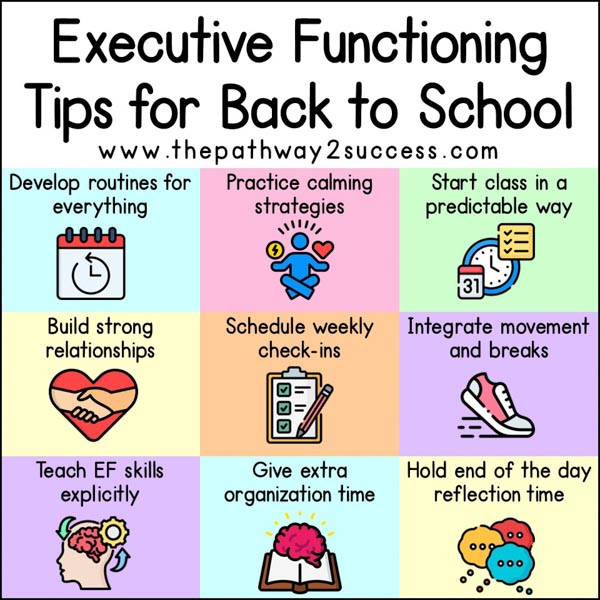
By contrast, establishing a predictable, structured morning routine acts as a psychological "jump-start." Predictable check-ins, routine bell-ringers, and clear daily schedules minimize cognitive fatigue. When learners know precisely how the day begins—whether through a quiet reading period, a motivational journal prompt, or a standardized arrival checklist—their brains are freed up to engage in actual learning.
Midday Momentum: Integration, Movement, and Strategy Shares
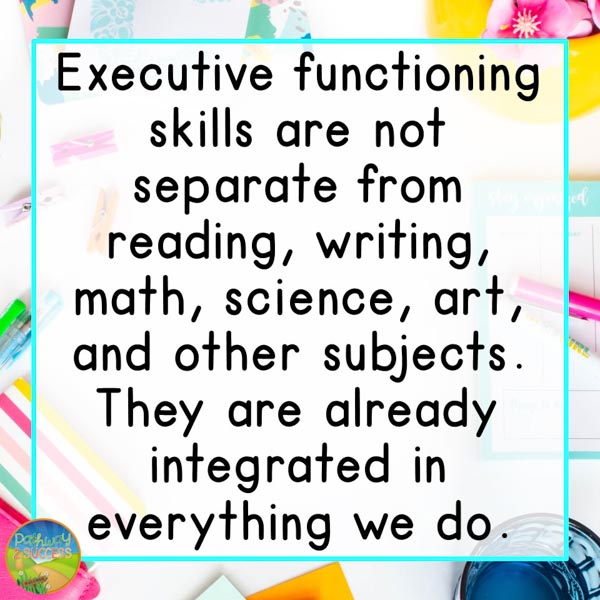
As the morning transitions into rigorous academic instruction, executive functioning skills must be actively integrated into core subjects like math, reading, and science. Planning a multi-step research paper or breaking down a complex word problem requires the exact same mental machinery used in organization and self-regulation.
During these peak instructional hours, incorporating physical movement is non-negotiable. Movement is not merely a reward or a way to burn off excess energy; it is a vital neurological catalyst for focus and emotional self-regulation. Transitioning between learning stations or incorporating kinetic activities directly into academic drills keeps the brain alert and receptive.
Furthermore, mid-day "strategy shares" provide a collaborative venue for students to articulate how they solved a problem. By explaining their thinking processes to peers, students transition from passive recipients of information to active managers of their own cognitive toolkits.
Afternoon Reflection: Consolidation and Self-Monitoring
As the school day winds down, the focus shifts from execution to evaluation. The end of the day represents an ideal, low-stakes window for reflection. Rather than rushing out the door, students benefit immensely from dedicated time to review what worked, what fell short, and what adjustments are needed for the morrow.
Simultaneously, regular organizational sweeps allow students to clean out backpacks, file loose papers, and reset their physical workspaces. This concluding ritual reinforces self-monitoring—the vital ability to pause, evaluate personal progress against established goals, and make mid-course corrections before leaving the academic environment.
Supporting Context & Metrics: The Science of Executive Functioning
To fully appreciate why schools must prioritize executive functioning, educators must look at the broader psychological and neurological context underpinning these skills.
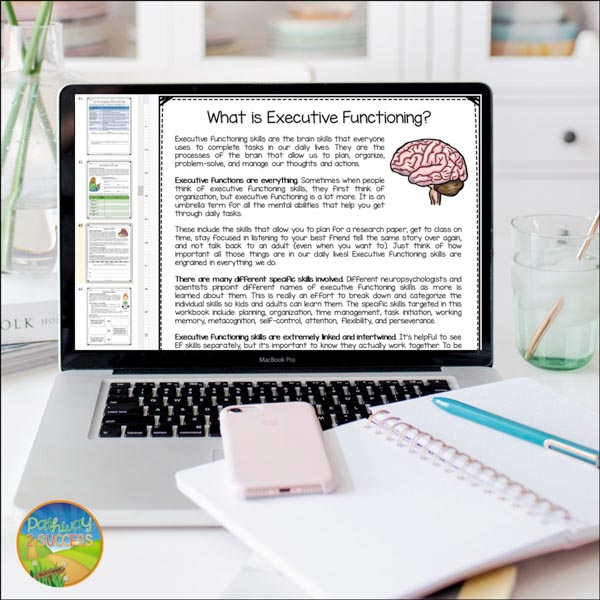
What is Executive Functioning?
Often described as the "air traffic control system" of the brain, executive functions are managed by the prefrontal cortex. This region of the brain is among the last to mature, continuing its development well into a person’s mid-twenties. This developmental lag explains why children and adolescents frequently struggle with impulse control, emotional regulation, and long-term planning.
According to developmental psychologists, executive functioning is broadly categorized into three core pillars:
Working Memory: The ability to retain and manipulate information over short periods.
Cognitive Flexibility: The capacity to switch gears, adapt to unexpected changes, and view problems from multiple perspectives.
Inhibitory Control: The mastery of self-control, enabling students to resist distractions, regulate emotional outbursts, and pause before acting.
The Academic and Emotional Toll of Deficits
When these core systems are underdeveloped, the ripple effects are profound. Research consistently demonstrates that students with executive functioning deficits are at a significantly higher risk for academic underachievement, chronic disorganization, school anxiety, and behavioral challenges.
The Academic Gap: A student may possess deep mastery of a subject (such as history or science) yet fail an assignment entirely because they lacked the planning skills required to structure a multi-page essay or meet a final deadline.
The Emotional Toll: Chronic disorganization breeds stress. When a student repeatedly loses materials or struggles to transition between tasks, cortisol levels rise, putting the brain into a continuous "fight or flight" mode. In this hyper-aroused state, optimal learning becomes neurologically impossible.
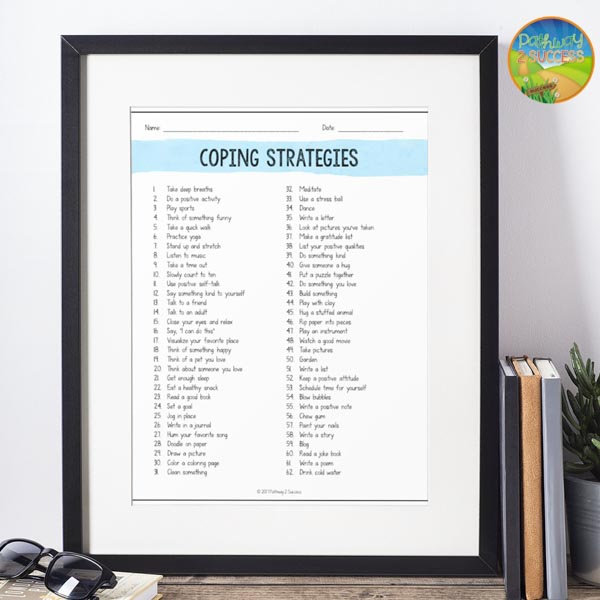
By implementing explicit strategies—such as universal coping mechanisms, structured daily schedules, and visual supports—schools can actively bridge the gap between cognitive potential and academic performance.
Official Statements and Expert Perspectives
Educational leaders, developmental specialists, and school psychologists increasingly advocate for a paradigm shift in how schools approach classroom management and student support.
Dr. Sarah Jenkins, a leading researcher in educational psychology and cognitive development, notes:
"We have historically penalized students for executive functioning failures, treating disorganization or impulsivity as disciplinary issues rather than developmental delays. The modern classroom must recognize that executive skills are taught behaviors. Just as we do not expect a child to instinctively know how to calculate fractions without explicit instruction, we cannot expect them to intuitively master working memory management or complex planning without systematic guidance."
Furthermore, progressive teaching frameworks emphasize that emotional regulation must precede cognitive instruction. As educators point out across pedagogical guidelines, a stressed or dysregulated brain cannot encode new information.
Marcus Vance, a veteran middle school administrator and curriculum specialist, emphasizes the power of community-building in this equation:
"Building relationships—both teacher-to-student and student-to-student—creates the psychological safety net necessary for executive functioning growth. Students will not take healthy risks, admit when they are lost, or accept constructive feedback unless they feel deeply connected to their classroom community. Relationships are the vehicle through which cognitive strategies are successfully delivered."
Future Outlook: Building a Resilient Framework for Tomorrow
Looking ahead, the integration of executive functioning into standard curricula is poised to become a cornerstone of twenty-first-century education. As classrooms become increasingly diverse and technologically driven, the demand for high-level cognitive flexibility and self-regulation will only escalate.
To future-proof our educational models, schools are moving away from reactive interventions—where help is only offered after a student fails—and shifting toward proactive, universal design frameworks. This means embedding executive functioning supports directly into school infrastructure:
Whole-School Curriculums: Adopting year-long executive functioning programs that explicitly teach vocabulary related to goal-setting, attention, and perseverance.
Proactive Mentorship: Institutionalizing weekly or bi-weekly student-teacher conferences that utilize objective work samples to track personal growth, strategy implementation, and goal attainment.
Holistic Wellness Integration: Recognizing that optimal cognitive performance is inextricably linked to foundational physiological habits, including proper nutrition, physical exercise, and restorative sleep.
Ultimately, the journey toward executive functioning mastery is a shared enterprise. It requires patience, consistency, and a profound dose of grace—not only for students navigating the complexities of growing up, but for educators and parents guiding them along the way. By celebrating small victories, maintaining predictable structures, and keeping communication open, schools can transform the back-to-school season from a period of high anxiety into an empowering launchpad for lifelong success.