
Executive Overview
In the modern educational landscape, the middle and high school classroom serves as a micro-society where diverse backgrounds, developing identities, and burgeoning intellects intersect daily. Within these dynamic spaces, interpersonal friction is not merely expected—it is an inevitable, natural byproduct of human interaction. Whether it is a disagreement over project methodologies in a science lab, the social isolation felt when peers exclude a classmate, or the perceived disrespect of an untimely interruption, adolescent environments are continually charged with relational tension.
For decades, traditional school discipline models approached these incidents reactively, relying on punitive measures such as detention, suspension, or authoritarian mediation to suppress disruptive behaviors. However, contemporary educational psychology and social-emotional learning (SEL) research advocate for a paradigm shift. Modern conflict resolution frameworks do not aim to eliminate disagreements entirely. Instead, the ultimate objective is to equip pre-teens and teenagers with the cognitive, emotional, and communicative toolkits necessary to manage conflicts independently, constructively, and healthily.
By prioritizing proactive skill-building over reactive punishment, educators can transform everyday friction into pivotal growth opportunities. Implementing structured conflict resolution strategies fosters empathy, bolsters self-advocacy, enhances emotional regulation, and deepens classroom connectivity. This comprehensive report explores the foundational philosophy behind modern adolescent conflict resolution, examines core pedagogical strategies, analyzes the underlying neurobiological factors influencing youth behavior, and outlines actionable frameworks for educators striving to cultivate resilient, collaborative learning environments.
Detailed Chronology: The Evolution of Classroom Discipline
To understand why modern educators are pivoting toward relationship-centric conflict resolution, it is essential to trace the historical progression of classroom management models over the past half-century.
The Era of Retributive and Punitive Control (1970s–1990s)
Historically, school administration operated primarily under a retributive model. When interpersonal conflicts escalated into arguments or disruptions, the response was swift and compliance-based. Rules were clearly posted, infractions were cataloged, and penalties were systematically administered. The underlying assumption of this era was that fear of punishment would deter future misconduct.
While this approach maintained surface-level order, educational researchers increasingly noted its long-term limitations. Punitive models failed to teach students how to behave differently; they merely suppressed outward expressions of conflict. Furthermore, students subjected to repeated disciplinary exclusions often experienced academic regression, increased alienation, and a heightened likelihood of future behavioral infractions—a trajectory now widely recognized in educational sociology as the school-to-prison pipeline.
The Rise of Zero Tolerance and Arbitrative Intervention (Late 1990s–2000s)
Following heightened concerns regarding school safety at the turn of the 21st century, many institutions adopted rigid zero-tolerance policies. Conflict was frequently treated as a severe security threat rather than a normal developmental hurdle. During this period, educators often acted as arbiters or judges, stepping in to assign fault, enforce apologies, and dictate resolutions. While designed to protect students, this style of intervention inadvertently fostered dependency. Adolescents relied entirely on adult authority figures to navigate social problems, stunting the development of autonomous problem-solving and critical communication skills.
The Social-Emotional Learning (SEL) Revolution (2010s–Present)
In recent years, a profound transformation has taken place across middle and high schools nationwide, driven by robust empirical research in neuroscience and developmental psychology. Educators and policymakers have recognized that emotional intelligence and interpersonal competence are foundational to academic success.
The modern SEL framework reframes conflict not as a pathology to be eradicated, but as a teachable moment. Today’s classrooms increasingly incorporate proactive curriculum elements—such as active listening drills, restorative circles, emotional regulation training, and structured scenario discussions. Rather than imposing top-down edicts, modern educators act as facilitators, guiding adolescents through the complex process of self-reflection, emotional calibration, and collaborative negotiation.
Supporting Context & Metrics: The Neuroscience of Adolescent Conflict
Why do middle and high school students frequently struggle with emotional outbursts or impulsive reactions during minor disagreements? The answer lies within the architecture of the developing adolescent brain.
The Amygdala Versus the Prefrontal Cortex
From a neurobiological perspective, effective conflict resolution requires physiological calm. When an adolescent feels threatened, disrespected, or overwhelmed, a primitive region of the brain known as the amygdala—the control center for the "fight, flight, or freeze" response—rapidly hijacks neural processing. In this hyper-aroused state, the brain releases stress hormones like cortisol and adrenaline, prioritizing immediate, impulsive self-preservation over nuanced, rational thought.
Conversely, the prefrontal cortex—the area responsible for executive functions such as long-term planning, impulse control, emotional regulation, and perspective-taking—undergoes massive structural remodeling throughout adolescence and does not fully mature until a person reaches their mid-twenties. This developmental lag explains why teens often experience disproportionate emotional reactions to seemingly minor social slights or academic disagreements.
The Empirical Case for Proactive SEL Integration
Educational research underscores the profound impact of integrating social-emotional learning and structured conflict resolution into secondary curricula:
- Academic Enhancement: Studies consistently show that students enrolled in schools with active SEL programs demonstrate an 11-percentile gain in academic achievement compared to peers in traditional disciplinary environments.
- Reduction in Behavioral Infractions: Proactive conflict resolution training significantly decreases disciplinary referrals, bullying incidents, and out-of-school suspensions.
- Long-Term Societal Benefits: Longitudinal studies indicate that adults who develop strong conflict resolution and emotional regulation skills during their secondary education report higher rates of career stability, healthier interpersonal relationships, and lower instances of chronic stress-related health conditions.
Core Strategies for Implementing Conflict Resolution in Secondary Classrooms
Successfully integrating conflict resolution into middle and high school settings requires a multifaceted, intentional approach. Educators can utilize the following evidence-based strategies to build resilient, self-directed learners.
1. Cultivate Relational Foundations First
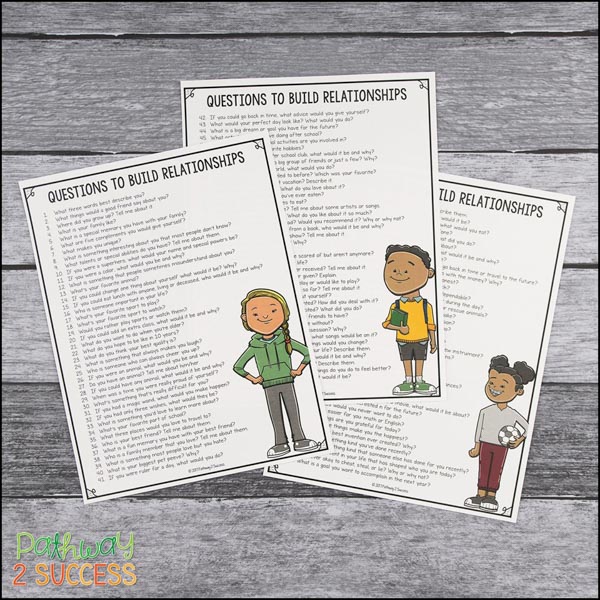
The bedrock of effective conflict resolution is relational trust. Navigating interpersonal problems is inherently uncomfortable; it requires vulnerability and mutual respect. Consequently, educators must intentionally invest time in building deep connections within the classroom community.
When students feel genuinely seen, valued, and connected to their peers and teachers, the emotional cost of resolving a dispute drops significantly. Simple pedagogical interventions, such as opening class periods with structured relationship-building questions or community circles, pave the way for meaningful, empathetic dialogue when major conflicts eventually arise.
2. Explicitly Teach and Differentiate Conflict Strategies
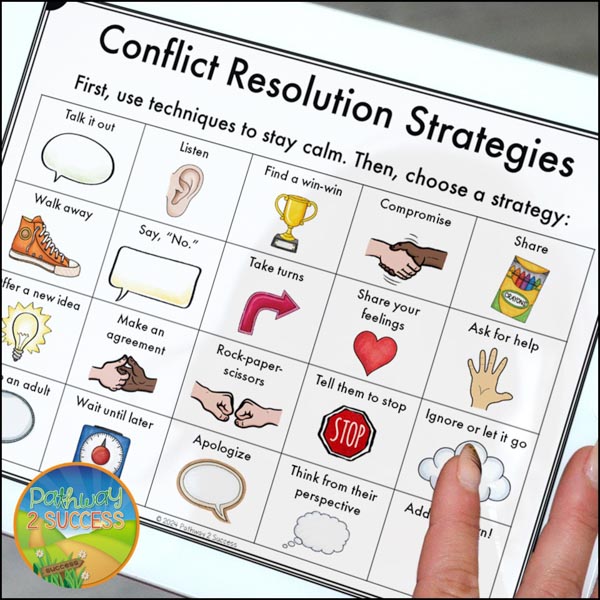
Proactive instruction means providing students with an explicit vocabulary and framework for problem-solving before crises occur. Educators must demystify conflict for teens, framing disagreements as normal, healthy mechanisms for expressing individual needs and boundaries.
Crucially, students must understand that different scenarios demand different tactical responses. For instance:
- Collaborative Dialogue: When two students disagree on the technical execution of a collaborative science project, the appropriate strategy involves active listening, taking turns sharing perspectives, and brainstorming a synthesized solution.
- Assertive Boundary Setting: When a student faces inappropriate peer pressure—such as a classmate demanding answers to an independent assignment—the required response is distinct: utilizing assertive communication to clearly and respectfully say "no."
3. Institutionalize Active Listening Practices
True conflict resolution cannot occur in an environment where individuals merely wait for their turn to speak. Active listening—the deliberate process of hearing, processing, and seeking to understand another person’s perspective—is a critical competency that must be systematically practiced.
Educators can embed active listening into daily academic routines by requiring students to summarize a peer’s argument before offering a counterpoint, utilizing structured fishbowl discussions, or implementing peer-review protocols that emphasize constructive, empathetic feedback rather than superficial critique.
4. Integrate Physiological Calming Techniques
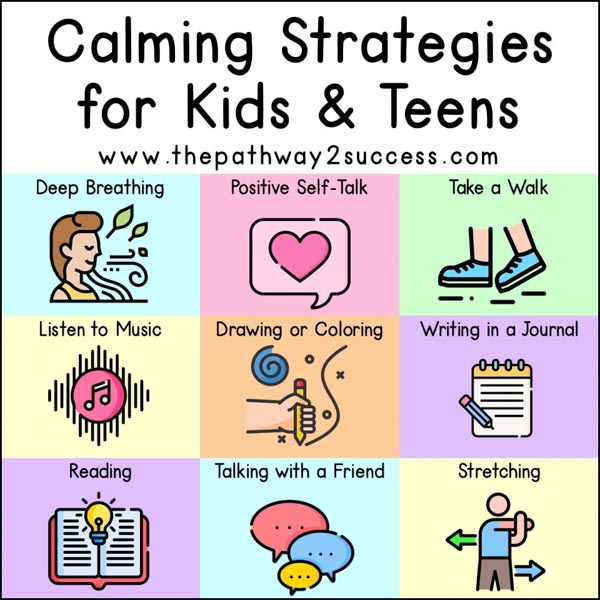
Because heightened emotional states trigger the brain’s survival centers, cognitive problem-solving is virtually impossible while an adolescent is actively dysregulated. Therefore, teaching physiological calming strategies is a prerequisite for effective conflict resolution.
Classrooms can incorporate brief brain breaks, guided deep-breathing exercises, positive self-talk prompts, or brief journaling intervals between high-intensity tasks. When students master self-soothing techniques—such as box breathing or progressive muscle relaxation—they learn to consciously shift control away from the amygdala and back to the prefrontal cortex, enabling rational, clear-headed decision-making during disputes.
5. Utilize Real-World Scenario Discussions
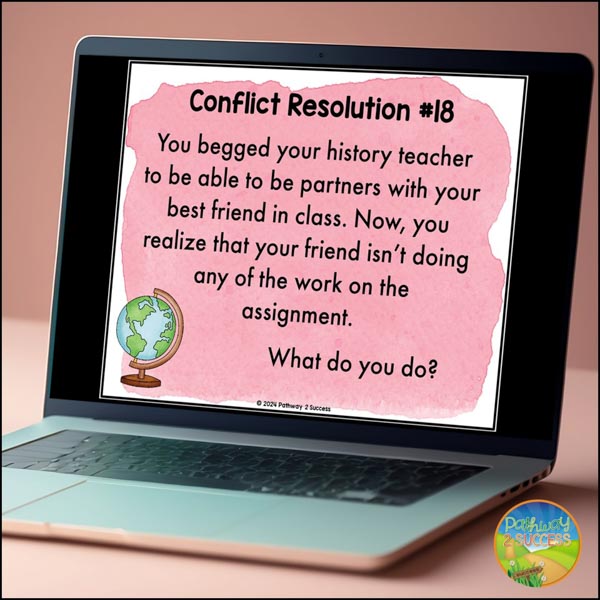
Abstract lectures on conflict resolution often fail to resonate with adolescents. To bridge the gap between theory and practice, educators should regularly introduce realistic conflict scenarios—such as navigating exclusion within social groups, managing unequal contributions in group assignments, or addressing perceived slights in hallway interactions.
By analyzing these hypothetical situations in a safe, moderated environment, students can collaboratively dissect the root causes of the problem, evaluate multiple potential resolutions, and debate the ethical and relational consequences of each choice without the blinding interference of personal emotional stakes.
Official Statements and Expert Perspectives
Educational leaders and psychological researchers emphasize the urgent need for systemic adoption of conflict resolution frameworks in secondary education.
Dr. Elena Vance, a leading developmental psychologist specializing in adolescent behavioral patterns, notes:
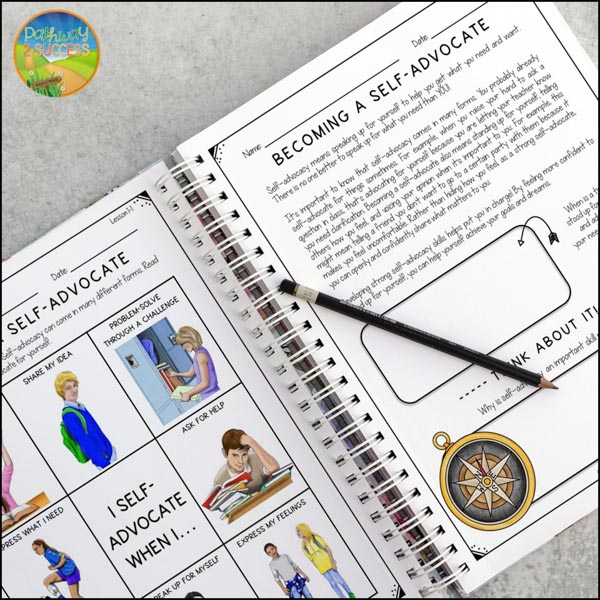
"We cannot expect teenagers to magically acquire the intricate skills of negotiation, emotional regulation, and perspective-taking through osmosis. Just as we explicitly teach algebra or literary analysis, we must systematically scaffold social-emotional competencies. When schools treat conflict resolution as a core academic and life skill rather than a peripheral discipline issue, we fundamentally alter the trajectory of adolescent development."
Marcus Thorne, a veteran high school principal and advocate for restorative practices, highlights the shift in school culture:
"The traditional playbook of punishment and isolation is obsolete. When we transition from asking ‘What rule did this student break?’ to asking ‘What is this conflict trying to communicate, and how can we repair the harm?’ the entire ecosystem of the school changes. Students learn accountability, empathy, and resilience. They stop viewing authority figures as wardens and start viewing them as mentors."
Future Outlook: The Path Forward for Modern Classrooms
As middle and high schools continue to navigate the complexities of the 21st century—marked by digital communication shifts, diverse student populations, and evolving social pressures—the imperative for robust conflict resolution frameworks will only intensify.
Looking ahead, educational institutions are increasingly moving toward whole-school restorative models where conflict resolution is embedded into every tier of the school experience, from academic group work to athletic coaching and extracurricular clubs. Furthermore, the integration of digital SEL tools and interactive scenario-based learning platforms promises to provide students with continuous, personalized practice in social problem-solving.
Ultimately, mastering conflict resolution is not merely an exercise in maintaining classroom management or reducing behavioral referrals. It is a vital act of civic preparation. By equipping adolescents with the tools to listen actively, regulate their emotions, advocate for their needs, and disagree respectfully, educators are cultivating a generation of emotionally intelligent, resilient citizens capable of fostering collaboration and understanding in an increasingly interconnected world.

