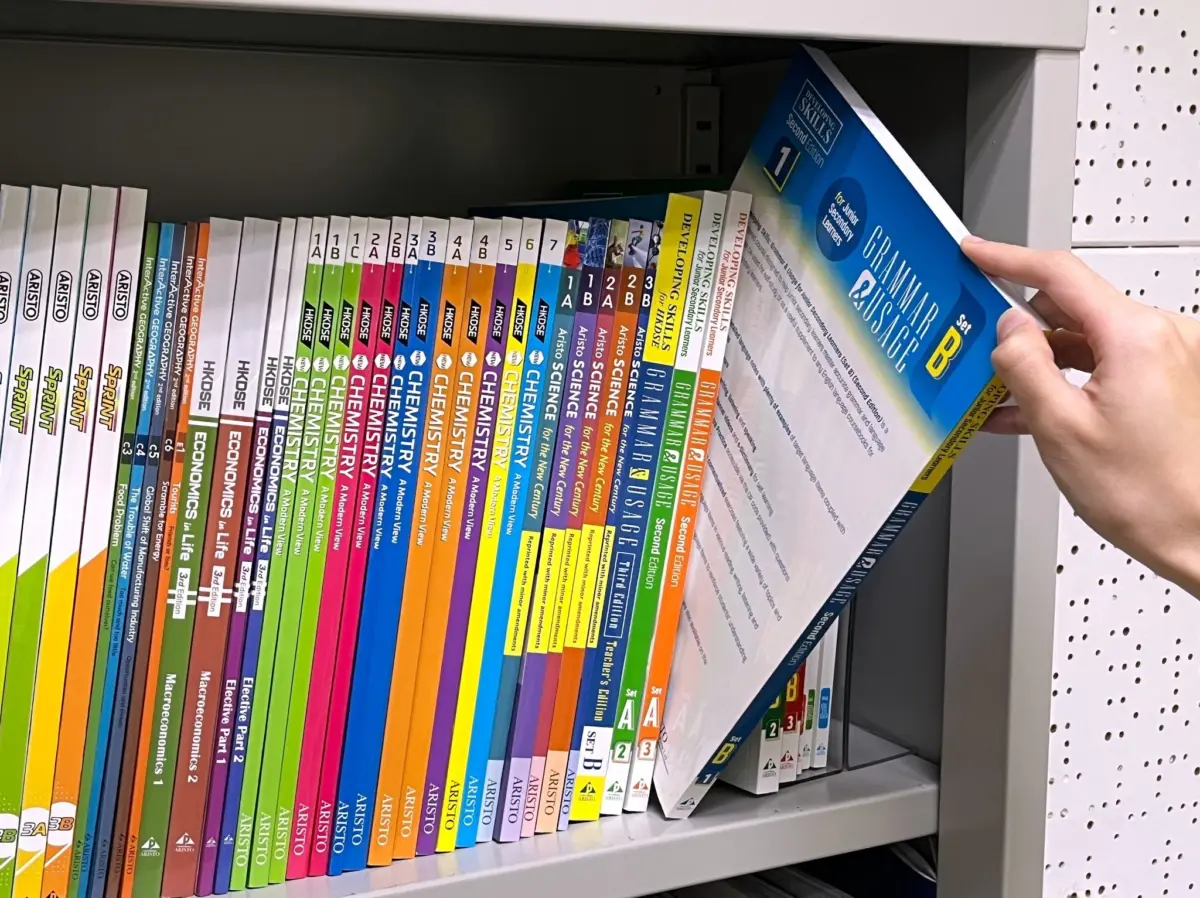
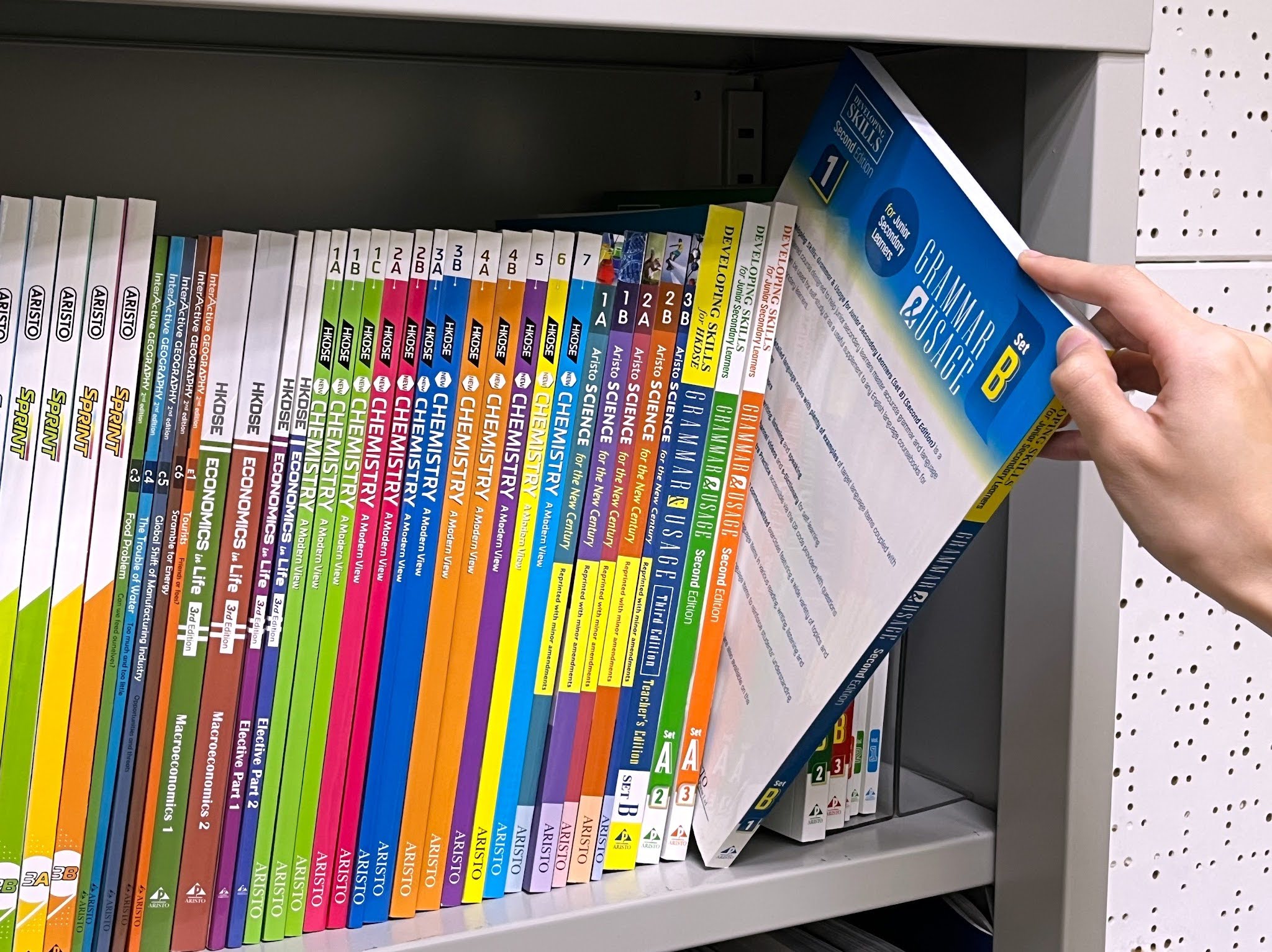
For nearly half a century, Aristo Educational Press has stood as a cornerstone of the academic landscape in Hong Kong. Supplying curriculum-aligned textbooks, rigorous workbooks, and comprehensive pedagogical resources to hundreds of schools, thousands of teachers, and tens of thousands of students, the publisher has long been synonymous with academic reliability. Yet, as the educational sphere undergoes a profound digital transformation, even the most meticulously crafted paper-based curricula face a modern dilemma: how to capture and sustain the attention of digitally native students in an era defined by screens, instant feedback, and gamified interactivity.
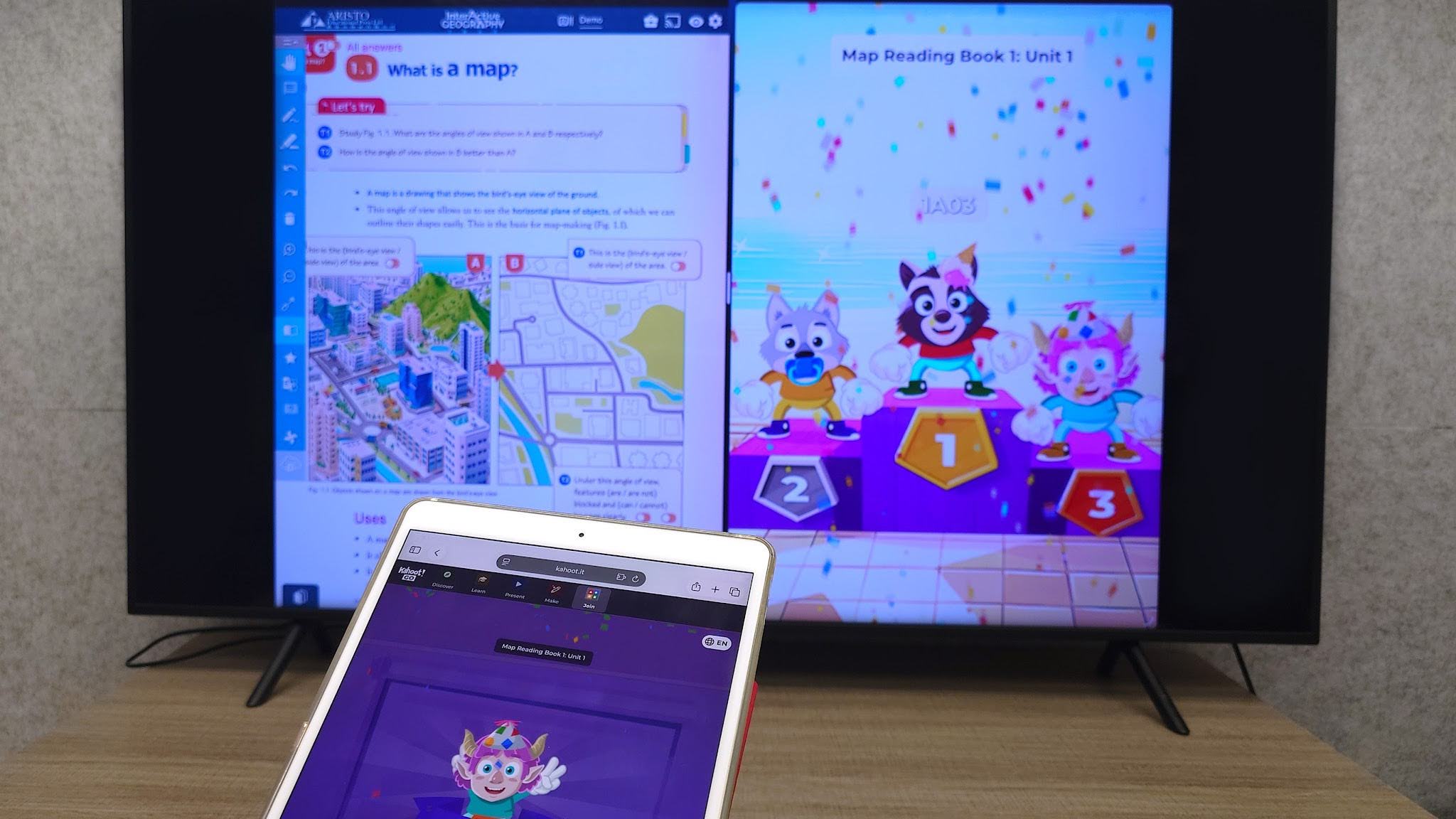
To address this challenge, Aristo has embarked on a pioneering partnership with global learning platform Kahoot!, successfully bridging the physical-digital divide through an innovative "page-to-play" integration. By seamlessly embedding Kahoot! launcher buttons directly into digital textbooks, presentation decks, and online resource portals, Aristo has transformed traditional, static exercises into dynamic, interactive learning experiences. This strategic evolution transcends mere digitization; it represents a fundamental reimagining of how educational content is delivered, assessed, and experienced.
The results of this integration have been nothing short of transformative. Across a diverse array of subjects—spanning English, mathematics, the sciences, history, geography, and economics—Aristo’s integrated Kahoot! content has catalyzed over 46,000 game sessions, reaching more than 570,000 student participants territory-wide. This initiative has not only modernized classroom instruction by providing real-time formative assessment data to educators, but it has also redefined student engagement, proving that rigorous academic revision can be both profoundly effective and inherently enjoyable.
Detailed Chronology: The Evolution of Aristo’s Digital Strategy
The Foundation: Five Decades of Publishing Excellence
Founded nearly 50 years ago, Aristo Educational Press established its reputation on the bedrock of traditional publishing. Specializing in junior and senior secondary school curricula across more than a dozen core subjects, the publisher became a trusted partner for educators navigating the rigorous demands of Hong Kong’s education system. Aristo’s textbooks were celebrated for their pedagogical depth, structured exercises, and alignment with local academic standards. Generations of students grew up reading, highlighting, and working through Aristo’s comprehensive math problems, historical chronologies, and scientific inquiries.
Recognizing the Modern Classroom Disconnect
Despite the enduring quality of its print materials, leadership at Aristo—particularly within the Information and Learning Technologies Department—began to observe a growing friction between traditional study methods and the realities of 21st-century classrooms. Technology had firmly established itself in Hong Kong schools, and students accustomed to interactive digital environments were finding it increasingly difficult to maintain sustained focus on static, paper-based worksheets.
Furthermore, Joe Chan, Manager of the Information and Learning Technologies Department at Aristo, and his team identified a significant bottleneck in formative assessment. Under traditional methods, a teacher assigning a textbook exercise had to collect, review, and manually grade approximately 30 individual scripts or textbook pages before gaining any meaningful insight into where their students were struggling. This delayed feedback loop meant that learning gaps often widened before educators could identify and address them.
Market Research and the Kahoot! Synergy
Rather than attempting to build a proprietary learning platform from the ground up—which would have forced teachers to undergo a steep learning curve and adopt yet another standalone tool—Aristo took a more pragmatic, educator-centric approach. The publisher surveyed local schools and discovered a telling trend: an overwhelming majority of Hong Kong educators were already utilizing Kahoot! independently in their classrooms, drawn to its high engagement levels and intuitive interface.
Recognizing an opportunity for synergy, Aristo chose to integrate with an ecosystem educators already trusted and understood. Instead of asking teachers to migrate to a new platform, Aristo decided to bring Kahoot! directly to where the teachers already were: inside the textbook.
The "Page-to-Play" Implementation
The rollout of the integration marked a major milestone in educational publishing. Aristo systematically converted traditional textbook review questions into curriculum-aligned kahoots. They then embedded direct launcher buttons into digital textbooks, teacher presentation slides, and companion resource websites.
With a single click, educators could transition an entire classroom from passive reading to active, gamified competition. A lesson on cellular biology in a junior secondary science textbook, for example, could instantly pivot into an interactive quiz, projecting questions onto the classroom whiteboard while students answered in real time on their devices.
Supporting Context & Metrics: Data-Driven Impact
The integration of Kahoot! into Aristo’s publishing framework has yielded empirical data that underscores both the scalability and the efficacy of the page-to-play model.
Quantitative Reach and Engagement
The scale of student participation has surpassed initial projections. Across all participating subjects and book titles, Aristo’s integrated Kahoot! content has achieved:
Over 46,000 total game plays, reflecting widespread adoption among educators.
More than 570,000 student participants, demonstrating the vast reach across Hong Kong’s secondary school network.
A staggering 22,000 participants within a single Junior Secondary Science series alone, accumulated through unit revision exercises administered over a three-year period.
Bridging the Learning Gap Beyond the Classroom
One of the most compelling insights yielded by the initiative is the persistence of student engagement outside of regular school hours. Data analytics revealed that the volume of Kahoot! plays actually surged during school holidays and examination revision periods. This trend indicates that students were voluntarily returning to the publisher’s academic content for self-paced review, leisure learning, and exam preparation—a rare feat for traditional homework assignments.
For educators, the metrics provided an equally vital breakthrough. By shifting formative assessments onto the Kahoot! platform, teachers eliminated the lag time associated with manual grading. Real-time analytics dashboards gave instructors instant visibility into classroom comprehension, allowing them to instantly identify learning gaps and adjust their lesson plans on the fly.
Teacher Autonomy and Differentiated Learning
Aristo recognized that a one-size-fits-all approach would fail in diverse classrooms. To combat this, the publisher designed its kahoots to be fully customizable. Teachers retained complete pedagogical autonomy: they could easily duplicate Aristo’s pre-made game sets, edit phrasing, adjust question timers, or delete and add queries to tailor the content precisely to their students’ specific learning capabilities and pace. This flexibility supported robust differentiated learning strategies, accommodating both advanced learners and those requiring remedial support.
Official Statements and Industry Insights
The philosophy driving Aristo’s digital transformation is rooted in a deep understanding of pedagogical priorities. Joe Chan, Manager of the Information and Learning Technologies Department at Aristo Educational Press, has been vocal about the strategic thinking behind the publisher’s pivot toward gamified learning.
Reflecting on the core dilemma that initiated the project, Chan noted:
"Our textbooks have already carried out lots of quality exercises. That’s the core of what we are doing now. The challenge was something else. So we kept asking ourselves: how could we make practice feel quick, easy, and engaging, and what do we put on school screens that is worth the attention of the students?"
Chan also emphasized the critical need to eliminate administrative friction for educators, particularly regarding assessment visibility:
"There was another gap, talking about results and visibility. Because with paper exercises, teachers may need to mark around 30 scripts, 30 pages, before seeing where the students are struggling."
Summarizing the ultimate philosophy that guides the partnership between Aristo’s rigorous academic content and Kahoot!’s interactive interface, Chan encapsulated the initiative’s core mission:
"Learning is the key, the gaming is the pathway. Our goal is to make a page-to-play with just one click, meeting teachers where they already are."
Industry observers have noted that this partnership serves as a masterclass in how legacy educational publishers can successfully navigate the digital age. Rather than viewing technology as a threat to print media, Aristo has positioned digital tools as an enhancement that breathes new life into trusted curricular frameworks.
Future Outlook: Artificial Intelligence and Differentiated Learning
As Aristo Educational Press approaches its monumental 50th anniversary, the leadership team is not resting on its laurels. Having successfully established the page-to-play paradigm across Hong Kong’s secondary schools, the publisher is already casting its gaze toward the next frontier of educational technology.
The Integration of Artificial Intelligence
Looking ahead, Aristo is exploring how artificial intelligence can be harnessed to further personalize the learning experience. While current integrations allow teachers to manually customize kahoots, future iterations are expected to leverage AI to dynamically generate differentiated question sets based on real-time performance analytics. If a classroom struggles with a specific concept in a geography or economics module, intelligent systems could automatically suggest or generate targeted review activities tailored to address those exact misconceptions.
Expanding the Digital Ecosystem
Furthermore, Aristo plans to deepen its digital footprint across an even wider array of elective and core subjects, ensuring that the page-to-play experience becomes a ubiquitous standard across all educational levels. By continuing to listen closely to the needs of Hong Kong educators and students, Aristo aims to refine its digital resource ecosystem further, blending the time-tested reliability of textbook publishing with the limitless potential of interactive, AI-driven digital learning.
In an educational landscape defined by rapid change, Aristo Educational Press and Kahoot! have charted a sustainable, high-impact course forward—proving that when deep pedagogical expertise meets engaging, modern technology, the possibilities for student success are boundless.