Across the United States, 85 million mothers navigate the complexities of modern parenting within a healthcare framework that increasingly fails to protect them. Despite boasting some of the most advanced medical technology and highest healthcare expenditures in the world, the United States remains statistically the most dangerous industrialized nation in which to give birth.
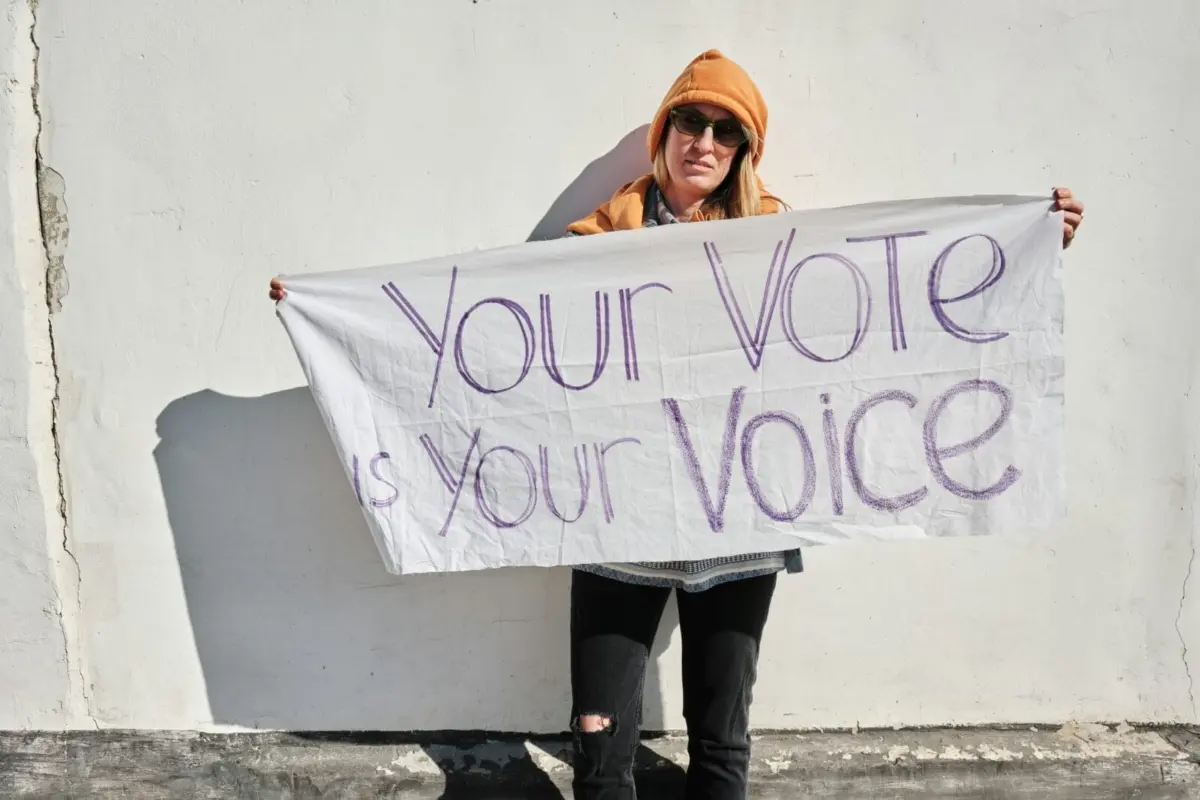
To bridge the dangerous disconnect between political rhetoric and public health realities, two prominent nonpartisan advocacy organizations—the Chamber of Mothers and Healthy Moms, Healthy Babies America (HMHBA)—have introduced a pioneering digital utility named Vote Like a Mother. Launched ahead of the crucial 2026 midterm elections, this free web-based tool directly merges state-specific maternal mortality analytics with comprehensive candidate profiles, transforming abstract health statistics into actionable voting insights. By mapping critical policy markers—ranging from extended Medicaid coverage windows to the preservation of rural labor and delivery units—against gubernatorial candidates’ platforms across all 50 states and Washington, D.C., the initiative aims to mobilize voters to make maternal health a defining ballot-box issue.
Detailed Chronology and Campaign Genesis
The formulation of the Vote Like a Mother platform did not happen in a vacuum; it is the culmination of years of escalating alarm regarding American maternal mortality rates and a shifting political landscape that places reproductive and postpartum policy squarely within the jurisdiction of state legislatures and executive offices.
The Foundation of Advocacy (2020–2024): The Chamber of Mothers established itself as a formidable 501(c)(3) grassroots organization with more than 50 local chapters spanning the nation. Its primary mission has consistently centered on mobilizing mothers around foundational infrastructure needs: federally mandated paid leave, affordable and accessible childcare, and robust investments in maternal healthcare.
The Launch of HMHBA (Early 2026): Healthy Moms, Healthy Babies America was founded as a national nonprofit organization with an ambitious, clear-cut mandate: to cut the United States maternal death rate in half within a five-year window. Co-founded by leaders such as Olivia Walton and Cara Osborne, HMHBA quickly zeroed in on bipartisan solutions, utilizing rigorous polling to demonstrate that protective policies for new mothers enjoy overwhelming cross-party support.
The 2026 Election Landscape: With 36 states slated to hold gubernatorial elections in 2026, the administrative and legislative levers governing women’s health are up for debate. Recognizing this unique legislative window, the Chamber of Mothers and HMHBA collaborated to build votelikeamother2026.com. The platform officially went live ahead of the primary and general election cycles, designed specifically to cut through partisan noise and offer voters a transparent look at how their local leaders impact maternal survival.
Supporting Context, Metrics, and the Postpartum Crisis
To understand why this tool is vital for the 2026 electorate, one must examine the staggering systemic failures plaguing the American medical landscape. Maternal mortality in the U.S. is not merely a clinical issue; it is a profound structural and policy crisis.
The Hidden Danger of the "Fourth Trimester"
A significant misconception within public health is that the greatest risks to a mother’s life terminate immediately following childbirth. In reality, roughly one-third of all pregnancy-related deaths occur during the year after birth—long past the standard six-week postpartum checkup, a milestone by which traditional medical care often tapers off entirely. Furthermore, federal and clinical data indicate that approximately 40% of new mothers never attend a postpartum visit at all.
This lapse in care exposes mothers to severe, preventable complications:
Mental Health Crises: Unscreened and untreated postpartum depression and anxiety.
Physical Sequelae: Untreated pelvic floor trauma, chronic lactation complications, and unmonitored blood pressure spikes that can lead to fatal strokes or hemorrhages.
According to estimates by the Centers for Disease Control and Prevention (CDC), an astonishing 87% of pregnancy-related deaths are preventable. They occur precisely in the administrative and clinical gaps between hospital discharge and long-term recovery.
The Racial and Geographic Disparities
The data reveals stark inequities when viewed through the lenses of race and geography:
Black Mothers: Statistically more than three times as likely to die from a pregnancy-related cause compared to white women, driven by systemic disparities, implicit bias within clinical settings, and cumulative weathering.
Indigenous Populations: American Indian and Alaska Native women face roughly double the mortality risk of their white counterparts.
Rural Mothers: Rapidly accelerating closures of rural hospital labor and delivery units have created vast "maternal care deserts," forcing families to travel hours for emergency obstetric interventions.
Crucially, experts emphasize that these disparities are not inevitable biological outcomes; they are the direct result of policy decisions. Because healthcare regulations, Medicaid extensions, and hospital funding mechanisms are heavily decentralized, the fight for maternal survival is waged primarily at the state level.
Official Statements and Leadership Vision
The architects behind Vote Like a Mother frame the maternal health crisis as a bipartisan indictment of past legislative oversight and an urgent call to action for the nation’s 85 million mothers.
Erin Erenberg, CEO of Chamber of Mothers, places direct accountability on elected officials across the political spectrum:
"The solution to America’s maternal health crisis isn’t hard to conjure, yet too many elected officials, regardless of party, continue to overlook what moms ask for and need: paid leave, affordable, accessible childcare, and robust investments in maternal healthcare."
Erenberg describes the motivation behind the tool as an effort to empower constituents:
"This guide is meant to give moms the tools and understanding to vote like a mother—which means voting your values and for candidates and ballot measures that support a safe, healthy, and whole experience for moms and kids alike."
Echoing these sentiments, Robin Reck, Executive Director of Healthy Moms, Healthy Babies America, highlights the unacceptable geographic lottery governing American healthcare:
"It’s unacceptable that where you live still determines whether you survive having a baby in this country, and unconscionable that most moms have no idea how their own state stacks up. This year, no mom should have to choose between her family and her vote. Her vote is how she protects her family."
Recent national polling conducted by HMHBA reinforces this perspective, revealing that over 80% of American voters across political affiliations support comprehensive legislative fixes, such as extending postpartum Medicaid coverage from 60 days to a full year—a policy currently adopted by some states while neglected by others, such as Arkansas.
Future Outlook: The Road Ahead for Maternal Advocacy
As the 2026 election cycle progresses, tools like Vote Like a Mother represent a fundamental shift in how public health advocacy intersects with the electoral process. By demystifying complex legislative records and juxtaposing them with raw, localized mortality data, the platform empowers an historically overburdened demographic: caregivers.
If the 85 million mothers in the United States successfully leverage their collective political capital around maternal health, the ripple effects could fundamentally reshape American social infrastructure. Ensuring that every mother has access to continuous postpartum care, protected leave, and safe local delivery wards is no longer merely a matter of health policy—it has arrived as a decisive, nonpartisan litmus test for effective governance in the 21st century.