
Executive Overview
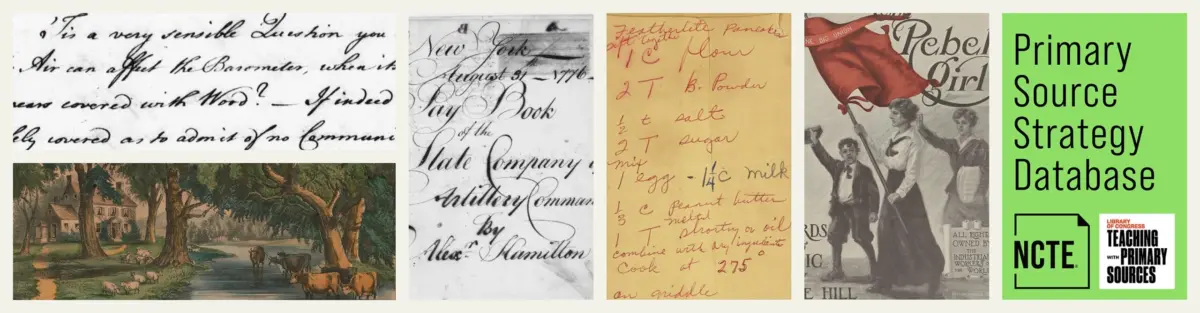
In an era defined by an overwhelming influx of digital information, the ability to critically analyze media, historical artifacts, and foundational texts has never been more vital. Recognizing this pedagogical imperative, the National Council of Teachers of English (NCTE) has forged a dynamic partnership with the Library of Congress. Operating as a key participant in the Teaching with Primary Sources (TPS) Consortium, the NCTE is actively spearheading initiatives designed to seamlessly integrate authentic primary sources into the daily habits of literacy teachers and their students nationwide.
At the heart of this collaborative effort is a robust, searchable digital database housing instructional strategies for over 150 specific items drawn directly from the Library of Congress’s vast digitized collections. Crafted by more than two dozen distinguished educators and English language arts (ELA) leaders, these resources do more than simply offer historical context; they articulate precise literacy merits, tie artifacts to current state academic standards, and suggest thematic units that challenge students to engage deeply with the material.
Among the diverse array of artifacts featured in the database are historical advertisements, early periodicals, and culturally significant documents that serve as springboards for examining systemic societal issues. By leveraging tags such as "picturebook" and "argument," educators can easily navigate the repository to find materials that foster critical thinking, empathy, and historical analysis.
However, integrating these rich primary sources into modern classrooms is not without its complexities. Artifacts that touch upon systemic racism, cultural identity, and social norms—such as early twentieth-century advertisements detailing the policing and commercialization of Black hair—inevitably intersect with contemporary cultural debates. While these resources offer profound opportunities for students to explore the intersections of appearance, power structures, and emotional well-being, they also navigate a landscape marked by parental pushback, ideological friction, and evolving curricular standards. This report provides an in-depth examination of the NCTE-Library of Congress collaboration, the pedagogical frameworks driving these resources, the specific case studies embedded within the database, and the broader implications of teaching contentious history in contemporary American schools.
Detailed Chronology of the Initiative
The integration of Library of Congress archives into standard English language arts and literacy curricula did not happen overnight. It represents the culmination of years of strategic alignment between cultural institutions, federal archives, and educational advocacy organizations.
The Foundation: The TPS Consortium and Early Alignments
For decades, the Library of Congress has maintained the Teaching with Primary Sources program, designed to help educators connect students with the institution’s unparalleled repository of historical documents, photographs, maps, and audio recordings. Recognizing that literacy teachers are uniquely positioned to translate these artifacts into meaningful reading and writing exercises, the Library established the TPS Consortium.
Through this consortium, organizations representing various educational disciplines receive grants and collaborative pathways to develop specialized curricular materials. The NCTE’s involvement marks a significant milestone, bridging the gap between historical archival research and modern English language arts pedagogy. Rather than treating primary sources as the exclusive domain of history and social studies classrooms, the NCTE initiative positions historical artifacts as complex texts worthy of rhetorical analysis, grammatical exploration, and comprehensive comprehension studies.
Development and Deployment of the Searchable Database
Over the past several years, the NCTE mobilized more than two dozen classroom teachers, curriculum developers, and ELA leaders to build a specialized instructional framework. Tasked with reviewing more than 150 specific items from the Library of Congress’s digitized archives, these educators drafted rigorous pedagogical rationales, focus questions, and alignment tables matching the artifacts to state content standards—such as the New Mexico Adopted Content Standards for Speaking & Listening and Literacy in History/Social Studies.
The resulting database went live as a searchable, dynamic repository. By implementing intuitive tagging systems (including Comprehension, Grammar, Spelling, and Argument), the project ensured that busy educators could seamlessly integrate primary sources into existing lesson plans without disrupting core instructional pacing.
Expansion into Interdisciplinary and Culturally Responsive Frameworks
As the database grew, the participating educators expanded its scope beyond traditional historical milestones to encompass artifacts reflecting cultural evolution, social movements, and systemic power dynamics. This evolution included the incorporation of early twentieth-century print culture—such as beauty product advertisements—to prompt discussions on racial identity, beauty standards, and socio-economic history. By framing these artifacts through a lens of critical literacy, the initiative established a pathway for students to investigate how media constructs societal norms across generations.
Supporting Context & Metrics
To fully understand the scope and impact of the NCTE and Library of Congress partnership, it is essential to examine the structural mechanics of the database, the pedagogical theories supporting primary source instruction, and the specific artifacts driving classroom engagement.
Structural Metrics of the Database
- Total Primary Sources Cataloged: Over 150 specific, digitized items directly sourced from the Library of Congress.
- Curriculum Contributors: More than two dozen leading English language arts educators, department chairs, and curriculum specialists.
- Search Parameters & Tags: Categorized by thematic tags (e.g., Arts and Culture, History, News, Journalism, and Advertising) and skill tags (e.g., Comprehension, Grammar, Spelling, Argument).
- Standards Alignment: Mapped against rigorous state benchmarks, including specific high school standards for evaluating rhetoric, textual evidence, and central ideas (such as Common Core-aligned state standards like SL.11-12.3, RH.11-12.1, and RH.11-12.2).
A Deep Dive Into a Featured Artifact: The PORO Hair Grower Advertisement
One of the most compelling instructional modules within the database centers on an advertisement for PORO Hair Grower, originally published in Franklin’s The Statesman.
Summary and Visual Description
The artifact is a historical print advertisement featuring founder Annie Malone Pope-Turnbo alongside a woman identified as L. L. Roberts. Both women are prominently displayed with long, straight hair. The captions provide personal testimonials:
- Under Pope-Turnbo: "4 years ago my hair was only a finger-length, and my temples were bald halfway up my head."
- Under Roberts: "4 years ago my hair just covered my shoulders."
Crucially, the advertisement also serves as a market warning, cautioning readers against counterfeit hair growth products currently circulating in the marketplace and advising consumers to verify official PORO branding.
Instructional Value and Curricular Merit
While an advertisement for hair growth products might initially appear trivial, the NCTE instructional module reveals its profound systemic depth. The resource prompts students to explore how seemingly mundane aspects of personal appearance are deeply intertwined with historical power structures and systemic racism.
- Interrogating Cultural Identity: Discussions surrounding Black hair highlight how dominant social systems historically—and presently—aim to enforce conformity to Eurocentric beauty standards while attempting to erase distinct cultural identities.
- Empathy and Compassion Building: By learning about the historical and ongoing impacts of hair discrimination, students develop a psychological and emotional understanding of the toll such biases take on individuals and entire communities.
- Challenging Social Norms: The artifact empowers students to analyze and question social norms, identify implicit biases, and critically examine how societal standards are constructed to perpetuate inequality.
- Empowering Marginalized Learners: For students directly affected by discrimination, analyzing the historical context of hair care commerce validates their cultural heritage, promotes self-acceptance, and equips them to resist harmful stereotypes.
Standards Integration in Practice
The instructional strategies tied to artifacts like the PORO advertisement demonstrate how history and literacy intersect. Utilizing frameworks mapped to standards such as RH.11-12.1 and RH.11-12.2, educators guide students to cite specific textual evidence from primary sources, connect micro-level details to macro-level historical contexts, and determine central ideas with accuracy. Furthermore, under SL.11-12.3, students evaluate a speaker’s or advertiser’s point of view, reasoning, use of evidence, and rhetorical stance—dissecting word choice, points of emphasis, and underlying tone.
Official Perspectives and Pedagogical Rationales
The partnership between the NCTE and the Library of Congress is underpinned by a shared commitment to democratic education, civic engagement, and advanced literacy.
The NCTE’s Vision for Primary Source Literacy
Leadership within the NCTE consistently emphasizes that literacy in the twenty-first century extends far beyond traditional print decoding. It requires "critical literacy"—the ability to interrogate texts for hidden biases, historical subtexts, and rhetorical intent. By integrating Library of Congress archives into ELA classrooms, teachers are given the tools to transform students from passive consumers of information into active, analytical investigators.
Addressing the Potential for Curricular Challenge
The initiative’s documentation openly confronts the realities of modern pedagogy, specifically addressing the "Potential for Challenge" when introducing topics related to systemic racism, discrimination, and the policing of Black hair. The NCTE resource database acknowledges several categories of resistance often encountered by educators:
- The Colorblindness Ideology: Some community members and administrators argue that race should not be a factor in education, expressing concern that focusing on issues such as hair discrimination unnecessarily introduces division into the classroom.
- Political and Ideological Objections: In various districts, critics holding conservative political views may object to discussions of systemic racism, often conflating them with critical race theory or viewing them as outside the scope of traditional schooling.
- Curricular Prioritization: Critics sometimes contend that social justice topics distract from the "core" mechanics of reading, writing, and arithmetic.
- Misunderstanding Historical Significance: A lack of awareness regarding the historical and contemporary economic, psychological, and social weight of hair discrimination within marginalized communities can lead to skepticism regarding the artifact’s academic worth.
To support educators navigating these sensitive waters, the NCTE initiative provides strategic frameworks and professional development resources. These tools empower teachers to ground their lesson plans firmly in state standards, historical evidence, and transparent pedagogical rationales—ensuring that classroom inquiries remain rigorous, objective, and deeply rooted in historical inquiry.
Future Outlook
As the educational landscape continues to adapt to rapid technological advancements and shifting cultural dynamics, the NCTE and Library of Congress partnership stands as a model for interdisciplinary innovation.
Expanding the Digital Repository
Moving forward, plans are underway to scale the searchable database. By incorporating additional artifacts from the Library of Congress, the initiative aims to cover an even wider spectrum of historical eras, cultural perspectives, and genre types. Future updates will likely introduce more interactive digital tools, allowing students to annotate primary sources collaboratively, conduct comparative rhetorical analyses across multiple eras, and curate their own digital exhibits.
Professional Development and Teacher Support
Recognizing that the success of any curricular resource depends on the proficiency of the educator, the TPS Consortium is expanding its professional development offerings. Workshops, webinars, and regional training sessions will continue to equip teachers with best practices for navigating controversial topics, fostering inclusive classroom environments, and defending rigorous, standards-aligned lesson plans against external pushback.
Cultivating the Next Generation of Critical Thinkers
Ultimately, the collaboration between the National Council of Teachers of English and the Library of Congress represents an investment in the democratic future of American students. By pairing archival primary sources with advanced literacy instruction, the initiative ensures that students leave high school equipped not only with exceptional reading, writing, and rhetorical skills, but also with the critical consciousness necessary to navigate, question, and improve the world around them.

