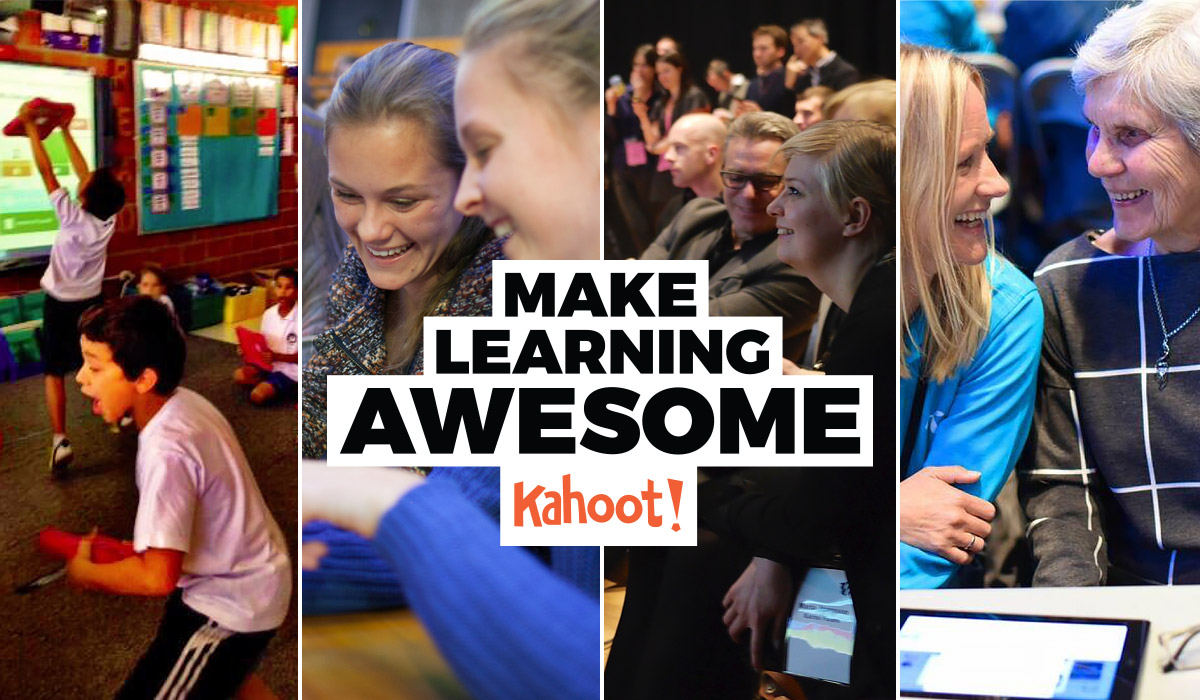
In an era defined by rapid technological shifts and the persistent challenge of maintaining student engagement, digital learning platforms have become indispensable tools for modern educators. At the forefront of this educational revolution is Kahoot!, a globally recognized game-based learning platform that has officially crossed a monumental milestone: empowering a vibrant, worldwide community of 10 million educators.
Spanning K-12 classrooms, higher education lecture halls, and specialized training environments across the globe, this milestone is far more than a simple vanity metric. It represents a fundamental transformation in how teaching professionals approach pedagogy, turning passive listeners into active participants. By combining gamification with formative assessment, Kahoot! has bridged the gap between fun and rigorous academic achievement. This report examines the driving forces behind this historic milestone, the pedagogical impact of interactive tools, firsthand accounts from educators on the front lines of teaching, and the strategic vision guiding the platform into its next chapter of global growth.
Detailed Chronology: The Evolution of Classroom Engagement
To understand the magnitude of reaching 10 million educators, one must trace the evolutionary trajectory of digital learning tools over the past decade. Long gone are the days when chalkboards and static textbooks were the sole arbiters of knowledge transfer.
The Early Innovation Phase: When interactive learning platforms first entered the educational technology (EdTech) landscape, they were often viewed as novelty items—fun distractions reserved for Friday afternoon review sessions. Early adopters experimented with basic digital polling and multiple-choice quiz formats to inject energy into otherwise monotonous lectures.
The Integration and Expansion Era: As broadband infrastructure improved and mobile devices became ubiquitous in schools, platforms like Kahoot! evolved from simple quiz-makers into comprehensive ecosystem tools. Educators began leveraging real-time feedback loops to dynamically adjust their lesson plans based on immediate student comprehension data.
The Global Scaling and Remote Learning Catalyst: The unprecedented disruptions to traditional schooling during the early 2020s accelerated digital adoption by a decade. Teachers urgently required reliable, engaging tools to maintain human connection and academic momentum across hybrid and fully remote learning environments. Kahoot! emerged as a critical lifeline, helping educators sustain classroom culture despite physical barriers.
The 10 Million Educator Milestone: Today, the platform stands as a mature, enterprise-grade educational utility utilized by primary school teachers, high school instructors, and university professors alike. Crossing the 10-million-educator threshold solidifies its status as a permanent pillar of modern instructional design, proving that interactive, game-based engagement is no longer a temporary trend, but a fundamental expectation of 21st-century learners.
Supporting Context & Metrics: The Science of Student Engagement
The rapid expansion of Kahoot!’s educator base is underpinned by a growing body of educational research highlighting the efficacy of gamified learning. Modern cognitive science emphasizes that dopamine-driven reward loops, healthy competition, and immediate feedback significantly enhance memory retention and cognitive agility.
Key Drivers of Platform Adoption
Formative Assessment in Real Time: Traditional grading methods often provide lagging indicators of student performance, informing teachers of a knowledge gap only after an exam has been graded. Interactive tools allow educators to gauge comprehension on the fly, identifying struggling students within seconds.
Inclusivity and Anonymity: For anxious learners or those hesitant to speak up in large lecture halls, anonymous polling and low-stakes gaming environments lower the psychological barrier to participation.
Versatility Across Disciplines: Whether teaching abstract mathematical theorems, historical timelines, foreign language vocabulary, or complex medical terminology, educators have adapted the platform’s flexible framework to virtually every subject imaginable.
Data analytics from educational institutions consistently show that when students are actively invested in the learning process—rather than passively taking notes—attendance rates, assignment completion, and conceptual mastery improve markedly. The 10 million educators utilizing Kahoot! are tapping into this psychological framework daily, driving measurable improvements in student outcomes across diverse socio-economic and geographic landscapes.
Official Statements and Educator Perspectives
The true measure of any educational technology is found in the daily experiences of the teachers and professors who wield it. Across the globe, educators have integrated the platform into the very core of their teaching philosophies.
Voices from the Classroom
Pam Ganley, a primary and secondary educator based in Arizona, USA, highlights the multi-faceted utility of the platform in day-to-day instruction:
"I love using the Kahoot! platform because it allows me to create engaging, interactive content that enhances both my lessons and my students’ learning experience. I use Kahoot! to teach new concepts, review material, reinforce learning, and check for understanding."
This sentiment is echoed in higher education, where maintaining engagement in large, sprawling lecture halls presents a unique set of challenges. Kurt Naicker, a senior lecturer at the University of Johannesburg, points to the power of real-time analytics and anonymous feedback:
"Kahoot! has transformed the way I deliver learning material in higher education. The use of anonymous polls and real-time feedback has been instrumental in helping me, as a lecturer, to continuously gauge where my students are in their learning journey."
Reflecting on the milestone achievement, leadership at Kahoot! issued a heartfelt tribute to the global teaching community:
"We’re celebrating this milestone together with our incredible global community. It represents the teachers, professors, and K-12 and higher education leaders who are dedicated to making learning awesome and driving real engagement and student outcomes for their students every single day. Your creativity and passion continue to drive us to evolve Kahoot!, to help make teaching more effective and learning more engaging."
Year-Round Momentum: Beyond the One-Off Quiz
A common pitfall in educational technology adoption is the tendency to rely on tools only during high-stress periods, such as mid-term exam preparation or end-of-term reviews. However, educational experts argue that sustaining student motivation requires a continuous, year-round strategy.
Maintaining momentum demands proactive planning across distinct academic phases:
Setting the Tone at the Start of the Academic Year: The initial weeks of school are critical for building a positive classroom culture, establishing behavioral norms, and reducing back-to-school anxiety. Interactive icebreakers and low-stakes diagnostic games help educators assess baseline knowledge without intimidating students.
Navigating the Mid-Year Slump: As the initial excitement of the school year fades and darker winter months set in, student fatigue often spikes. Dynamic classroom challenges and collaborative team-based games provide a necessary psychological reset, injecting vital energy back into the learning environment.
Final Sprints and Summer Readiness: As the academic calendar draws to a close, comprehensive review games help consolidate months of learning, ensuring knowledge transfer is long-lasting rather than superficial cramming.
By shifting the narrative from "going through quizzes" to building holistic, interactive learning journeys, educators can keep focus high from the very first day of the semester to the final bell before summer break.
Future Outlook: The Next Horizon for EdTech and Interactive Learning
As Kahoot! looks beyond its current milestone of 10 million educators, the horizon of educational technology points toward deeper integration, advanced analytics, and enhanced accessibility.
The future of digital learning will likely be shaped by several critical trends:
Personalized Learning Paths: Leveraging data-driven insights to tailor interactive challenges to individual student performance metrics, ensuring advanced learners remain stimulated while struggling students receive targeted reinforcement.
Global Collaborative Classrooms: Expanding cross-border, multiplayer academic challenges that connect students from different countries, fostering global citizenship and cultural exchange through playful competition.
Streamlined Administrative Workflows: Reducing lesson-planning friction for educators through intelligent template generation, robust reporting dashboards, and seamless integration with existing institutional Learning Management Systems (LMS).
Conclusion
Reaching 10 million educators is not merely a corporate milestone for Kahoot!; it is a testament to the resilience, creativity, and tireless dedication of the global teaching profession. In an era where the demands placed upon educators grow heavier by the year, tools that spark curiosity and bring joy back into the classroom are more crucial than ever.
As this community continues to expand, one fundamental truth remains clear: when learning is made interactive, collaborative, and genuinely fun, there is no limit to what students can achieve.