
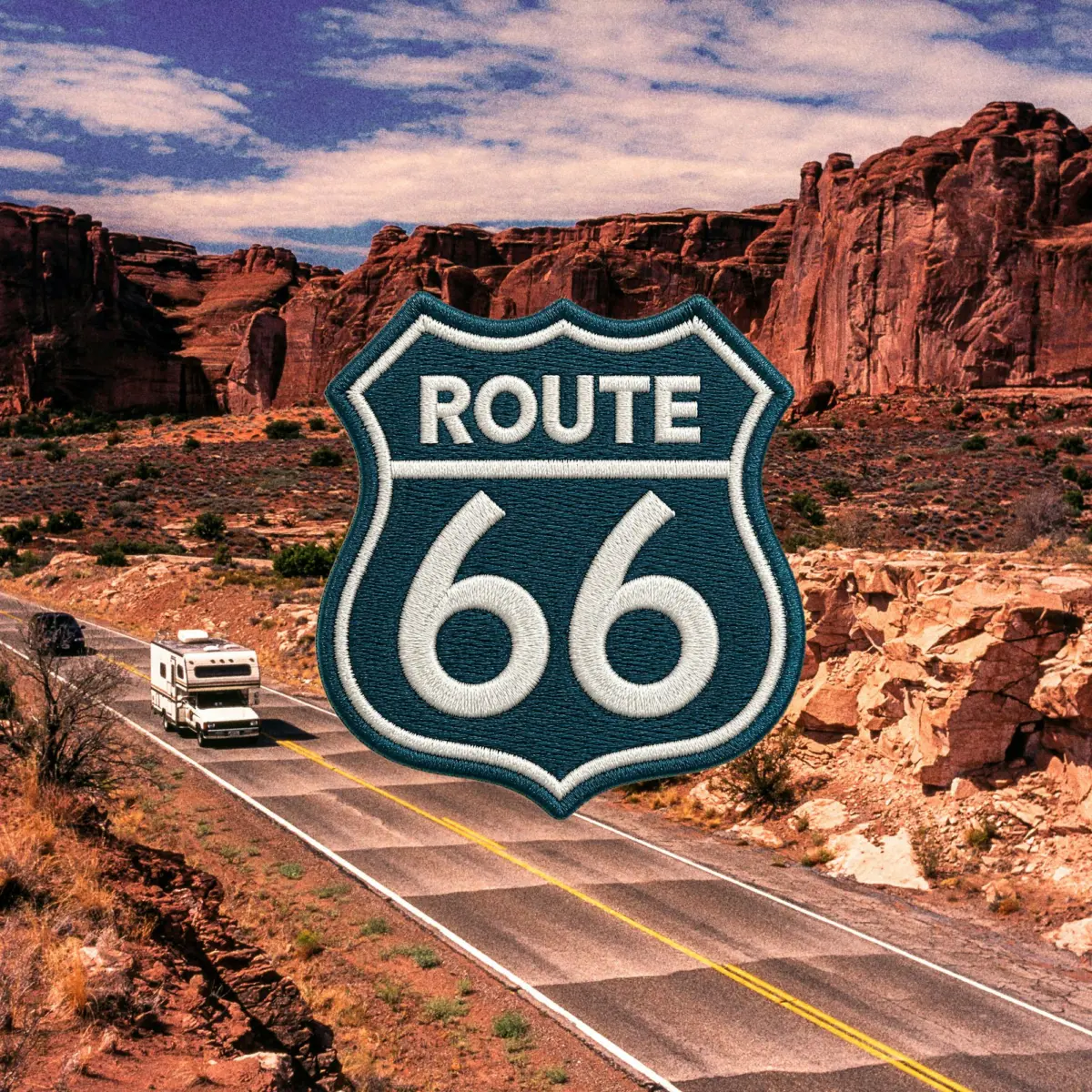
Executive Overview
As the United States approaches its semiquincentennial and traveler preferences decisively pivot toward domestic exploration, America’s most storied highway is experiencing a profound cultural renaissance. Route 66—famously dubbed the "Mother Road" by John Steinbeck in The Grapes of Wrath—spans 2,448 miles from the bustling intersection of Jackson Boulevard and Michigan Avenue in Chicago to the sun-bleached planks of the Santa Monica Pier. Winding through eight states and three time zones, the highway weaves a tapestry of mid-century Americana, quirky roadside architecture, neon-lit motels, and vanishing small-town main streets.
One hundred years after its initial designation in 1926, Route 66 is stepping back into the global spotlight. According to recent travel and booking analytics, modern families and heritage tourists are consciously bypassing high-speed interstates and sterile airport hubs in favor of the slow-paced, unpredictable magic of "windshield time." Propelled by the highway’s official centennial celebrations spanning through 2026, traveler interest has surged toward off-the-beaten-path communities. Small towns that once faced economic obsolescence with the advent of the Interstate Highway System are now seeing a dramatic resurgence, buoyed by a collective cultural yearning for authenticity, nostalgia, and analog connection.
This investigative feature examines the structural revival of Route 66, analyzing the socio-economic factors driving its centenary boom, the architectural and cultural preservation efforts along the route, and actionable strategies for navigating a modern family road trip across an American icon.
Detailed Chronology: The Evolution of the Mother Road
To understand the weight of the centennial celebration, one must trace the winding historical trajectory of the highway itself. Route 66 was not born overnight; it was engineered as a patchwork quilt of existing regional roads, stitched together to unify a rapidly motorizing nation.
The Birth of an Icon (1926)
On November 11, 1926, the U.S. Joint Board on Interstate Highways officially authorized the creation of the U.S. Highway System, bringing birth to Route 66. Initially spanning Illinois, Missouri, Kansas, Oklahoma, Texas, New Mexico, Arizona, and California, the highway served as an economic lifeline. During the Dust Bowl era of the 1930s, it functioned as an essential migration corridor for hundreds of thousands of displaced farmers and families fleeing agricultural devastation in the Great Plains for the perceived economic promise of California.
The Post-War Boom and Car Culture (1945–1956)
Following World War II, Route 66 entered its golden age. As automobile manufacturing surged and American families gained newfound leisure time and disposable income, the highway transformed into the ultimate leisure artery. This era gave rise to the classic American road trip mythology, spawning roadside mom-and-pop motor courts, neon-drenched diners, trading posts, and oversized, eye-catching architectural novelties designed to capture the attention of motorists traveling at 50 miles per hour.
The Bypass and Decline (1956–1985)
The beginning of the end for the continuous highway came with the Federal-Aid Highway Act of 1956, championed by President Dwight D. Eisenhower. The subsequent construction of the Interstate Highway System systematically bypassed the small towns that relied on Route 66 traffic for their economic survival. Businesses closed, neon signs went dark, and segments of the road were decommissioned piece by piece until the American Association of State Highway and Transportation Officials officially voted to remove Route 66 from the U.S. Highway System in June 1985.
The Preservation Movement and Modern Revival (1985–Present)
Almost immediately after its decommissioning, grassroots preservationists stepped in to save the highway from fading into historical obscurity. The creation of the Route 66 Association of Illinois in 1987 catalyzed a multi-state movement to protect the highway’s remaining neon signs, bridges, and historic storefronts. Today, as the highway crosses its century mark, federal funding initiatives like the Route 66 Centennial Commission Act—signed into law to coordinate nationwide educational and tourism efforts—have solidified the road’s status as a protected, living historical monument.
Supporting Context & Metrics: The Shift Toward Slow Travel
The current renaissance of Route 66 is not merely a nostalgic anomaly; it is part of a broader, data-driven shift in global travel behavior.
The Rise of Domestic and "Slow" Tourism
Recent travel metrics indicate that approximately 64% of American travelers are prioritizing domestic vacations over international travel. This inward turn is heavily influenced by economic considerations, environmental awareness, and a post-pandemic psychological need to reconnect with local culture and heritage.
Furthermore, data released by travel platforms like Booking.com highlights a surging consumer appetite for secondary and tertiary destinations—the exact type of small, historically rich towns that line Route 66. Year-over-year search metrics show double-digit increases in traveler interest for less-mainstream stops along the corridor, including:
- Adrian, Texas: The symbolic midpoint of Route 66.
- Victorville and Barstow, California: Desert outposts offering quintessential Mojave Desert vistas and vintage desert-motel architecture.
- Tucumcari, New Mexico: Famed for its remarkably intact collection of mid-century neon signage and retro motor lodges.
- Springfield, Missouri: Widely recognized as the birthplace of Route 66, where the historic naming of the highway was first proposed in 1926.
The Antidote to Screen Fatigue
Sociological studies consistently point to the negative impacts of hyper-connectivity and excessive screen time on family dynamics. The modern family vacation is increasingly viewed by psychologists as an intervention opportunity. "Windshield time"—hours spent looking out the window, engaging in spontaneous conversations, and navigating without algorithmic optimization—offers a rare cognitive reset. The physical constraints of a car interior force families to communicate face-to-face, turning the journey itself into the primary repository of vacation memories rather than a mere logistical hurdle to be cleared.
Official Statements and Centennial Programming
Throughout 2026, the official Route 66 Centennial organization, in partnership with historical societies, state departments of transportation, and local tourism boards, is rolling out an extensive calendar of public programming.
Commemorative Events
Communities along the 2,448-mile stretch are hosting coordinated events designed to honor the highway’s industrial, cultural, and demographic impact. Highlights include:
- Classic Car Convoys and Rallies: Vintage vehicle parades traversing multi-state segments, showcasing restored hot rods, woody wagons, and classic mid-century sedans.
- Music Festivals and Street Fairs: Live musical performances highlighting the evolution of American roots music, blues, and rock-and-roll—genres that grew alongside the highway.
- Museum Exhibitions: Curated displays exploring the dual narrative of Route 66 as both a pathway of hope during the Dust Bowl and a playground for post-war leisure tourists.
According to statements from the Route 66 Centennial Commission, the goal of these coordinated efforts is not only to celebrate the past but to ensure the economic sustainability of the small communities that keep the spirit of the Mother Road alive today. Detailed schedules, ticketing information, and regional itineraries are continuously updated on the official Route 66 Centennial website.
Strategic Playbook: Planning a Modern Route 66 Family Adventure
Embarking on a journey down Route 66 requires a distinct mindset. Unlike modern interstate travel, which prioritizes speed and efficiency, the Mother Road demands patience, curiosity, and adaptability. Travel experts and seasoned road-trippers recommend the following strategies for a successful voyage:
1. Curate and Conquer: Drive a Section, Not the Whole
Attempting to drive the entire 2,448-mile span in a single week is a recipe for travel fatigue. The entire route requires two to three weeks to explore thoroughly. For families with limited vacation time, selecting a single regional segment—such as the vibrant stretch through Oklahoma and the Texas Panhandle, or the scenic desert run through New Mexico and Arizona—ensures a relaxed, deeply engaging experience without the burnout.
2. Embrace Historic Lodging
To fully absorb the culture of the highway, travelers are advised to skip corporate chain hotels in favor of historic motor courts and vintage motels. Many of these properties have undergone meticulous restorations, blending retro aesthetic charm—such as neon exterior signage, atomic-age architecture, and boomerang laminate furniture—with contemporary amenities like high-speed Wi-Fi and updated plumbing.
3. Seek Out Iconic Roadside Novelties
Route 66 is an open-air museum of vernacular architecture and eccentric roadside monuments. Integrating interactive stops into the itinerary keeps younger travelers engaged and creates enduring memories:
- Cadillac Ranch (Amarillo, Texas): A public art installation featuring a line of half-buried, nose-down vintage Cadillacs where visitors are encouraged to leave their artistic mark with spray paint.
- The Blue Whale of Catoosa (Oklahoma): A whimsical waterfront structure built in the 1970s that allows children to explore inside the sculpture while offering ample green space for physical activity.
- The Santa Monica Pier (California): The historic terminal point of the highway, offering classic seaside carnival games, historic amusement rides overlooking the Pacific Ocean, and a fitting celebratory finish line.
4. Cultivate Flexibility and Spontaneity
For meticulously organized travelers, letting go of rigid, minute-by-minute itineraries can be challenging. However, Route 66 thrives on the unexpected detour. Families are encouraged to let children scan the horizon for points of interest, allowing each child to select spontaneous roadside stops throughout the day. This level of autonomy transforms passengers into active participants in the journey.
5. Establish Cinematic Context at Home
Before loading the luggage into the trunk, families can build anticipation through a curated movie night. Cinematic works such as Pixar’s Cars (which heavily draws upon the real-world history of towns bypassed by the interstate), Easy Rider, or Back to the Future help set a visual and cultural tone. When iconic landscapes flash past the car window, they transform from unfamiliar geography into recognizable pieces of American cinematic history.
Future Outlook
As Route 66 enters its second century, its enduring appeal serves as a powerful counter-narrative to modern travel trends. While global tourism increasingly gravitates toward frictionless automation, expedited transit, and curated resort bubbles, the Mother Road offers something radically different: friction, narrative depth, and human connection.
The centennial revival is more than a retrospective celebration; it is a vital economic catalyst for rural America and a cultural reminder of the value of slow exploration. By inviting travelers to step off the highway of modern efficiency and onto the two-lane blacktop of the past, Route 66 continues to prove that the true wealth of a journey is measured not by how fast you reach your destination, but by the indelible memories collected along the way.

