
Executive Overview
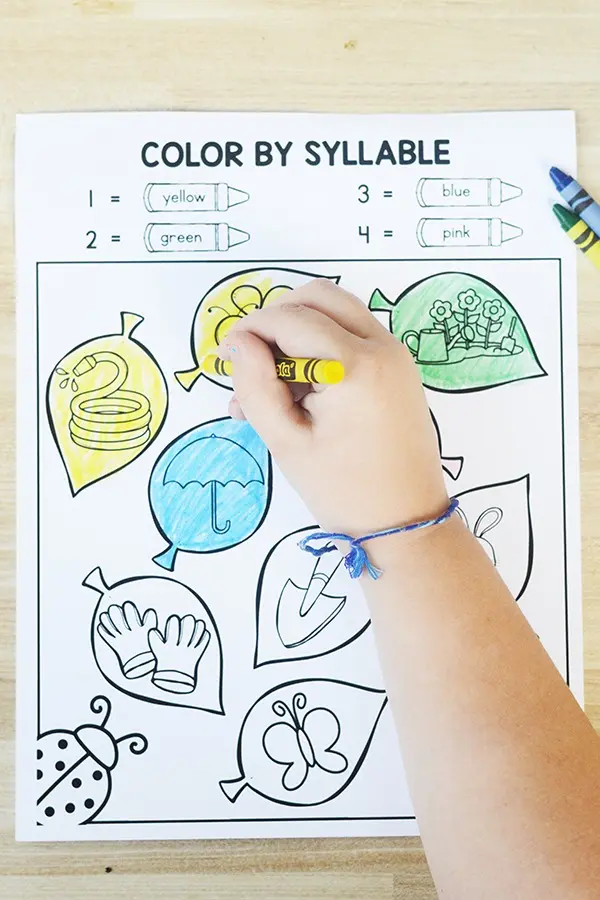
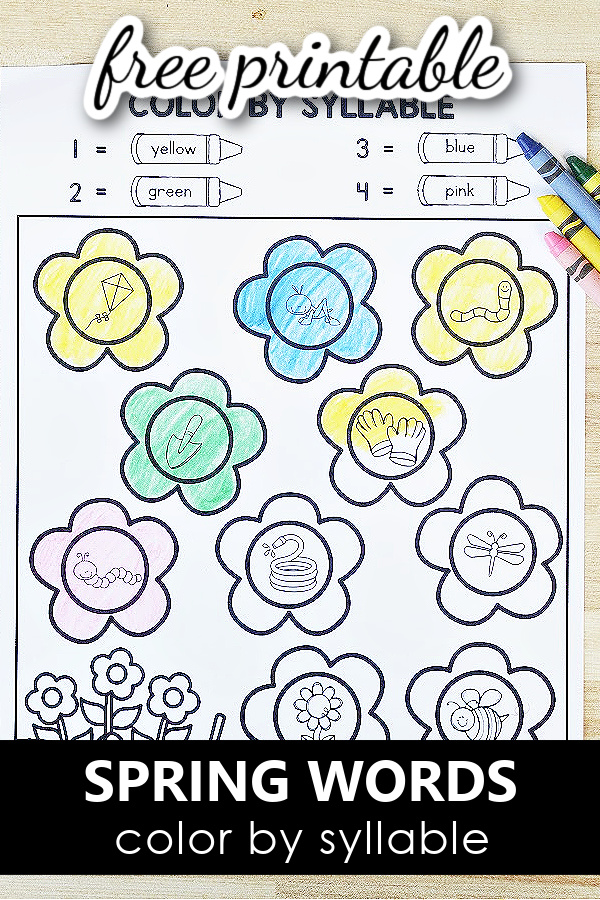
As early childhood educators and curriculum developers continually seek dynamic ways to bridge the gap between foundational reading skills and engaging classroom play, a new pedagogical tool is taking center stage. The newly released Spring Color by Syllable activity set—alongside its comprehensive year-round counterpart—represents a significant step forward in phonological awareness instruction for preschool and kindergarten students.
Rooted in the principles of the Science of Reading, these no-prep resources transform the traditional color-by-code worksheet into an interactive auditory and visual exercise. By breaking down spring-themed and seasonal vocabulary into individual syllables, young learners are empowered to hear, segment, and master foundational sounds. This report explores the mechanics of this innovative literacy tool, its alignment with modern pre-reading standards, its integration into early childhood classrooms, and the broader implications of play-based phonics instruction for the upcoming academic year.
Detailed Chronology: The Evolution of Play-Based Phonological Awareness
The trajectory of early literacy instruction has shifted dramatically over the past decade. Moving away from rote memorization, educators have increasingly embraced multisensory approaches that align with cognitive science.
Phase 1: The Shift Toward Phonological Awareness
Historically, early reading instruction often bypassed auditory discrimination, jumping straight into letter-sound correspondence. However, educational researchers eventually underscored that children must first perceive the sounds within spoken language before mapping them to print. Phonological awareness—the ability to recognize and manipulate parts of spoken language, such as words, syllables, and onset-rime—became recognized as the cornerstone of future reading success.
Phase 2: The Rise of Color-by-Code Mechanics
Color-by-code worksheets have long been a staple in elementary classrooms, prized for their ability to reinforce math facts, color recognition, and fine motor skills. Recognizing their universal appeal, curriculum creators began adapting this familiar format for literacy. Yet, many early iterations focused narrowly on letter identification rather than deeper phonological skills like syllable segmentation.
Phase 3: The Introduction of Syllable-Specific Frameworks
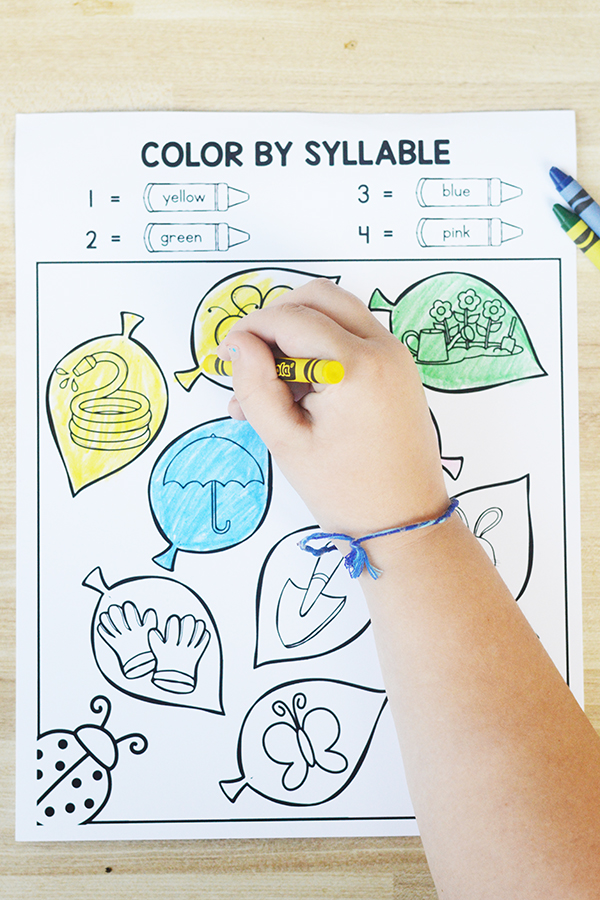
To address this gap, developers introduced targeted syllable-segmentation mechanics. Rather than simply matching a letter, students are required to say a word aloud, clap or tap out its beats, and match the syllable count (ranging from one to five syllables) to a designated color.
Phase 4: Launch of the Spring and Year-Long Editions
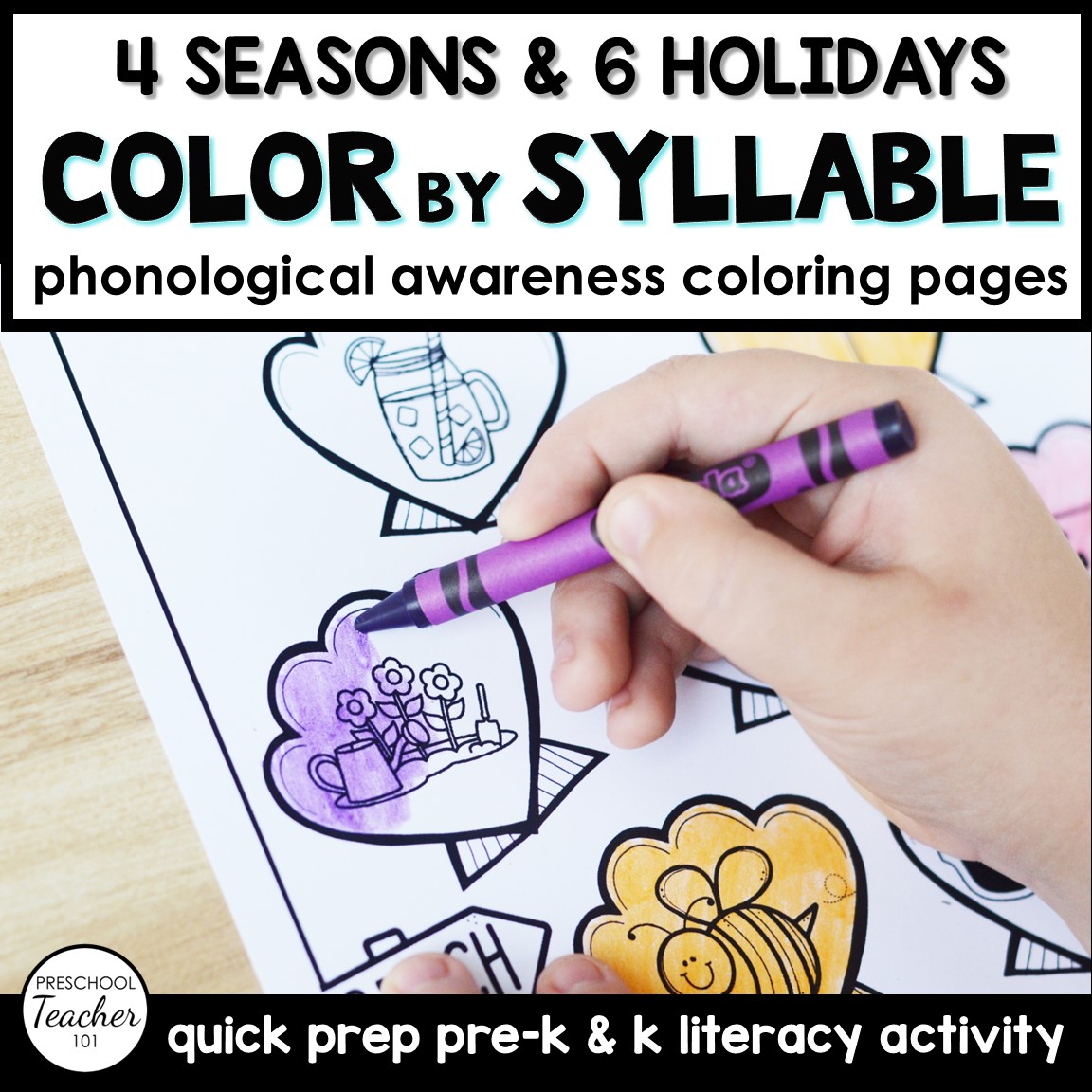
Building upon the success of seasonal color-by-code series, educators released specialized spring-themed printables, followed shortly by a comprehensive 33-page, year-round collection. This evolution allows teachers to seamlessly integrate phonological awareness into literacy centers, take-home practice packets, and fast-finisher stations across all four seasons, culminating in the robust, multidisciplinary resources available today.
Supporting Context & Metrics: The Science of Reading and Syllable Segmentation
To understand the efficacy of the Spring Color by Syllable initiative, one must examine the empirical data driving modern early education frameworks.
The Science of Reading Alignment
The "Science of Reading" is a vast, interdisciplinary body of scientifically-based research about reading and issues related to reading and writing. This research—spanning cognitive psychology, developmental psychology, educational psychology, and neuroscience—consistently highlights that systematic phonological awareness instruction is non-negotiable for emergent readers.
Syllable segmentation acts as a crucial stepping stone. When children divide words like springtime (two syllables) or caterpillar (four syllables) into parts, they learn that words are composed of smaller, manageable sound chunks. This auditory mapping directly supports decoding and encoding skills later on.
Classroom Implementation Metrics and Use Cases
Educators utilizing the color-by-syllable framework report high versatility across diverse learning environments. Data collected from early childhood pilot classrooms highlights three primary operational models:
- Literacy Centers: Small-group stations where children collaborate, practice pronunciation, and verify syllable counts before coloring.
- Independent Practice & Fast Finishers: A reliable, no-prep solution for students who complete core assignments ahead of schedule, ensuring continuous engagement without placing an administrative burden on the teacher.
- Take-Home Practice: Bridging the gap between the classroom and the home environment, allowing parents to actively participate in their child’s pre-reading development using structured, easy-to-understand sheets.
Official Statements and Pedagogical Insights
Leading voices in early childhood education and curriculum design have weighed in on the significance of incorporating play-based, structured phonological tools into daily routines.
"Phonological awareness is the anchor of early literacy. When we give children tools that merge the joy of art with the cognitive challenge of segmenting sounds, we aren’t just keeping them busy—we are wiring their brains for lifelong reading success," notes a leading preschool curriculum specialist.
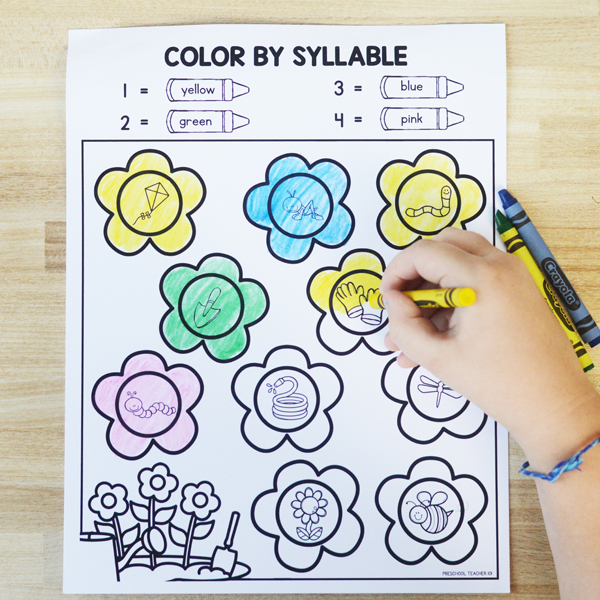
Educators emphasize that while worksheets can sometimes be viewed as monotonous, the color-by-syllable format introduces an element of discovery. Each correctly identified syllable unlocks a portion of a seasonal illustration, providing immediate visual reinforcement.
Furthermore, specialists stress the importance of explicit vocabulary instruction prior to independent work. Because children cannot accurately segment a word they do not understand or recognize, teachers are advised to introduce target terms—such as tulip, raincoat, or butterfly—through group discussions, flashcards, or picture books before releasing students to independent centers.
Comprehensive Overview of the Resource Packages
The Spring Color by Syllable collection, alongside the comprehensive year-long curriculum, offers tailored options designed to accommodate varying developmental stages in Pre-K and Kindergarten classrooms.
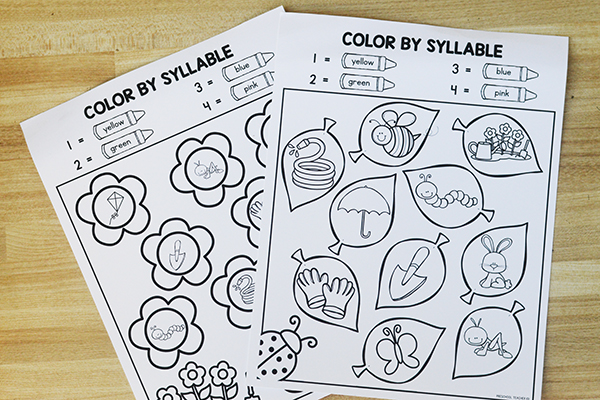
The Free Spring-Themed Set
- Core Focus: Two dedicated spring-themed color-by-syllable pages.
- Primary Objective: To encourage extra skill practice during the blooming spring season while celebrating seasonal themes.
- Accessibility: Available via direct digital request for educators and parents seeking immediate, no-prep literacy interventions.
The Comprehensive Year-Long 33-Page Pack
For classrooms seeking continuous, systematic practice across all instructional periods, the full-year package offers extensive coverage:
- Syllable Range: Activities progressing from 1-syllable to 5-syllable words.
- Seasonal & Holiday Coverage: Specially curated sheets spanning autumn, winter, spring, summer, and major calendar holidays.
- Differentiation: Multiple tiered options within the pack allow educators to scale difficulty based on individual student needs, supporting both struggling learners and advanced fast finishers.
- Availability: Distributed through professional educator networks, including specialized platforms like Teachers Pay Teachers and comprehensive preschool lesson plan catalogs.
Future Outlook: The Trajectory of Early Literacy Tools
As educational technology and print resources continue to converge, the future of early literacy points toward hyper-flexible, scientifically grounded, and engaging materials.
1. Integration of Multisensory Learning
Future iterations of phonological awareness resources are expected to further blend auditory, visual, and kinesthetic elements. While coloring satisfies visual and fine-motor needs, upcoming curriculum expansions may incorporate physical movement cues (such as stomping or clapping) directly into the worksheet instructions.
2. Enhanced Home-School Connections
With the rise of hybrid learning models and a greater emphasis on parental involvement, take-home literacy packs like the Color by Syllable series will likely see expanded adoption. Equipping parents with simple, structured guides ensures that phonological practice extends far beyond the school day.
3. Data-Driven Differentiation
As educators face increasingly diverse classrooms, the demand for no-prep resources that offer built-in differentiation will surge. Tools that allow teachers to seamlessly adjust syllable complexity (moving from simple one-syllable words to complex multi-syllable vocabulary) will remain vital components of modern pre-reading toolkits.
Conclusion
The release of the Spring Color by Syllable activity set—and its expansive year-long companion—underscores a vital truth in education: rigor and engagement are not mutually exclusive. By embedding foundational Science of Reading principles into a familiar, enjoyable format, these resources provide preschool and kindergarten educators with an invaluable asset. As classrooms continue to prioritize evidence-based literacy practices, tools that make learning to read both effective and delightful will undoubtedly remain at the forefront of early childhood education.

