
Executive Overview
As the crisp winds of winter sweep across communities and the anticipation of seasonal school breaks fills classrooms and households, educators and parents often notice a distinct shift in children’s behavior. The winter season—while magical—brings a unique cocktail of disruptions: altered daily routines, a dramatic increase in indoor confinement, reduced exposure to natural sunlight, and the palpable, low-grade stress of holiday expectations. For many young minds, these seasonal shifts translate directly into dysregulation, appearing as heightened anxiety, impulsivity, emotional outbursts, and an inability to focus.
Self-regulation, the cornerstone developmental skill that empowers individuals to manage their thoughts, feelings, and behaviors, becomes an urgent necessity during these turbulent months. Far from being a rigid behavioral expectation, effective self-regulation allows children to successfully navigate everyday emotions, maintain cognitive focus on tasks, and foster positive social connections with peers.
To combat seasonal dysregulation proactively, child development specialists and educators increasingly advocate for integrated, intentional, and—most importantly—engaging activities. Moving away from punitive measures, modern educational frameworks emphasize that practicing self-regulation should be an interactive, creative, and joyful experience. This report explores twelve meticulously curated, evidence-based activities designed to cultivate emotional and behavioral mastery in children and teens throughout the winter season. By blending mindfulness, sensory exploration, and structured play, adults can transform the challenges of winter into profound opportunities for emotional growth.
Detailed Chronology: The Seasonal Cycle of Dysregulation
Understanding when and why children struggle during the winter months requires examining the typical behavioral timeline of the academic and seasonal year.
Phase 1: The Pre-Break Build-Up (Late November to Mid-December)
As autumn gives way to winter, the structural stability of the standard school routine begins to fracture. Excitement surrounding upcoming holidays, altered school schedules, assemblies, and shifting family dynamics introduce erratic stimuli into a child’s environment. During this window, children frequently display signs of cognitive overload. Impulse control diminishes as the anticipation of breaks short-circuits their executive functioning.
Phase 2: The Deep Winter Inversion (January and February)
Following the return from winter break, children face a stark reality check: a return to high academic demands paired with the bleakest weather of the year. Shorter days mean limited outdoor playtime, reduced physical activity, and lower Vitamin D levels due to a lack of sunshine. This phase is characterized by lethargy mixed with cabin-fever-induced restlessness. Behavioral issues spike as children grapple with physical confinement and sensory deprivation.
Phase 3: The Transitional Recovery (Late Winter to Early Spring)
As the winter season begins its slow thaw, educators find themselves repairing the emotional and behavioral wear-and-tear of the previous months. Implementing continuous, low-barrier self-regulation strategies throughout the entirety of this cycle is the only proven method to prevent chronic behavioral exhaustion among youth.
Supporting Context & Metrics: The Science of Winter Regulation
To appreciate the value of targeted winter self-regulation activities, one must look at the underlying neurological and physiological mechanisms at play.
The Neurological Impact of Seasonal Shifts
Human brains are deeply interconnected with environmental cues. The reduction of daylight hours during winter suppresses the production of serotonin while potentially overproducing melatonin, leading to shifts in mood, energy, and emotional resilience. When a child’s central nervous system is overwhelmed by cold temperatures, disrupted sleep schedules, and academic pressures, the amygdala (the brain’s emotional threat center) frequently overrides the prefrontal cortex (responsible for rational thought and self-control).
Empirical Evidence Supporting Mindful Interventions
Clinical research across child psychology consistently underscores the efficacy of targeted interventions:
- Parasympathetic Activation: Mindful breathing and sensory grounding exercises physically stimulate the vagus nerve, down-regulating the sympathetic nervous system ("fight or flight") and promoting physiological calm.
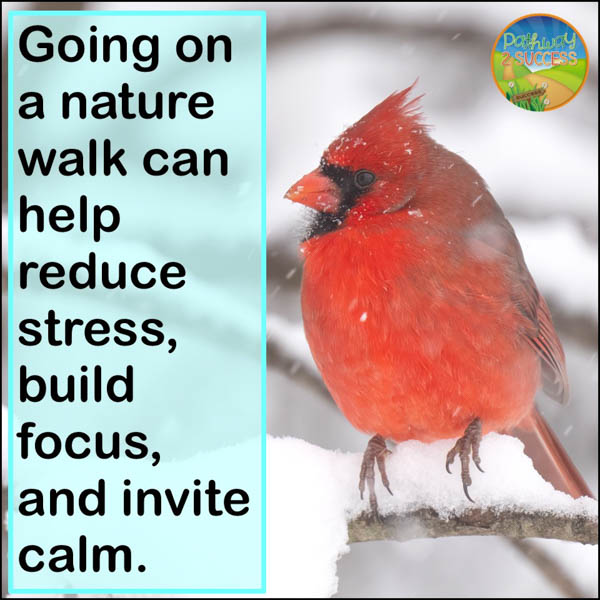
- The Healing Power of Nature: Studies in environmental psychology demonstrate that even brief outdoor exposures ("green/white time") significantly reduce cortisol levels, sharpen attention spans, and elevate baseline moods, even in cold weather.
- Gratitude and Cognitive Re-wiring: Intentional gratitude practices have been clinically shown to alter neural pathways, encouraging the brain to default to positive cognitive patterns rather than stress-induced rumination.
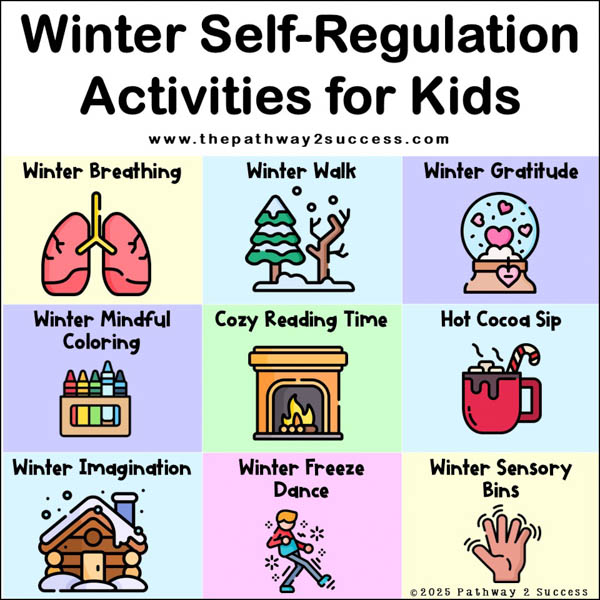
12 Engaging Winter Self-Regulation Activities for Kids and Teens
To bridge the gap between abstract emotional concepts and practical application, educators and caregivers can deploy these twelve dynamic strategies tailored specifically for the winter season.
1. Winter Breathing Exercises
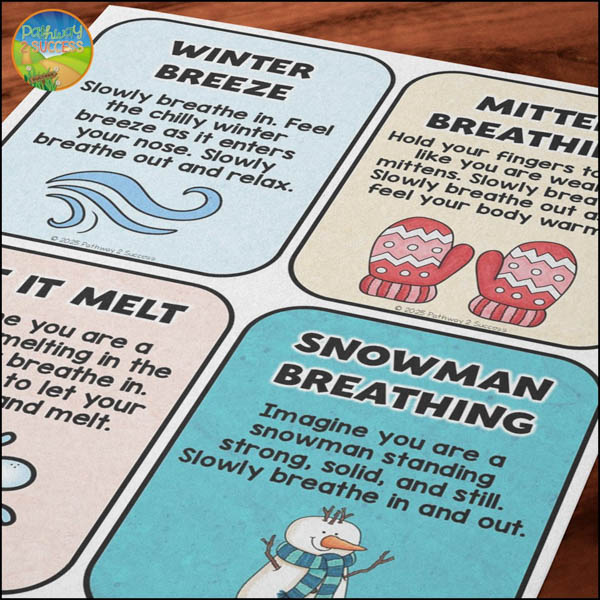
- What it is: Deep breathing exercises designed with a winter theme to help calm the body and mind.
- How to give it a try: Introduce mindful breathing as an internal "pause button." Instead of reacting impulsively to frustration, children take slow, deep inhalations and exhalations. Utilize winter-themed breathing cards or routines (such as tracing the outline of a snowflake while breathing in and out) to anchor their focus.
- Why it works: Focusing on the breath activates the parasympathetic nervous system, easing tension, boosting cognitive focus, and fostering an immediate sense of internal peace.
2. Outdoor Nature Walks
- What it is: Structured outdoor explorations focused on heightening sensory awareness—noticing what we see, feel, hear, smell, and taste in the immediate winter environment.
- How to get started: Set clear behavioral expectations (e.g., staying with the group, respecting local wildlife), bundle up in appropriate winter gear, and head outside. Encourage children to observe a hawk soaring against a grey winter sky or feel the crisp breeze on their skin. Conclude with a reflective sharing or writing circle.
- Why it works: Nature immersion reduces stress hormones, enhances attention capacity, and provides vital physical exercise and natural sunlight desperately needed during darker months.
3. Winter Gratitude Practices
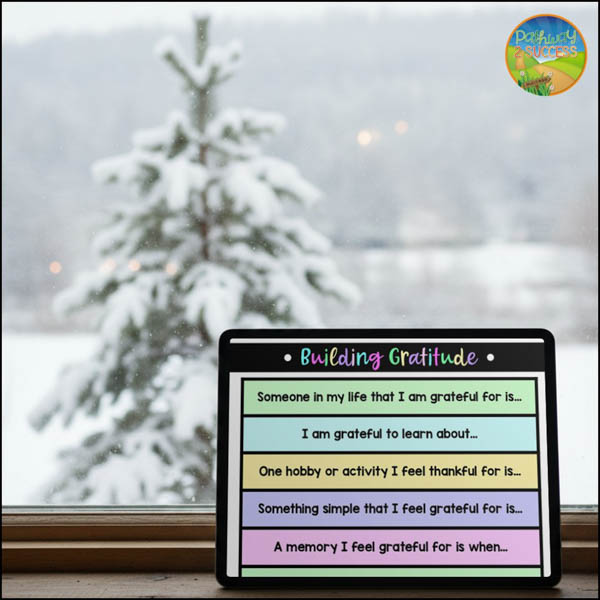
- What it is: Intentional reflection on the positive elements, comforts, and joys unique to the winter season.
- How to give it a try: Host a morning gratitude circle, charting ideas on a board—ranging from warm hot cocoa and snowy ski trips to the simple feeling of sunlight on a cold face. Utilize gratitude sentence starters or integrate the practice into daily journal writing where students can illustrate and share their thoughts.
- Why it works: Practicing gratitude systematically rewires neural pathways toward optimism, resulting in reduced stress, enhanced emotional resilience, and improved sleep quality.
4. Mindful Winter Coloring
- What it is: The deliberate act of coloring winter-themed pages to induce a state of relaxed, creative focus.
- How to give it a try: Provide coloring sheets featuring positive self-talk phrases alongside a variety of media (colored pencils, crayons, gel pens). Emphasize that the objective is not artistic perfection, but rather stress reduction through rhythmic motion and deep breathing.
- Why it works: Coloring serves as an evidence-based tool for lowering anxiety. Because it does not require absolute stillness like traditional meditation, it acts as an accessible self-regulation channel for children who require physical motion.
5. Cozy Reading Time
- What it is: Immersing oneself in a compelling book within a comfortable, warm environment to promote deep relaxation.
- How to get started: Create an inviting atmosphere—perhaps projecting a crackling fireplace video on a screen—and allow students to engage in independent silent reading or participate in a shared read-aloud session.
- Why it works: Reading lowers heart rates, eases muscle tension, builds empathy, and offers a cognitive sanctuary from daily stressors and sensory overstimulation.
6. Winter Sensory Bins
- What it is: Hands-on tactical exploration using containers filled with winter-themed materials.
- How to give it a try: Fill large bins with safe, tactile items such as artificial snow, jingle bells, pinecones, cotton balls, blue and white glass beads, and miniature winter figurines. Allow children to run their hands through the materials freely.
- Why it works: Tactile play grounds children in the physical present, promoting mindfulness and emotional regulation while concurrently supporting fine motor development and creative storytelling.
7. Hot Cocoa Sips
- What it is: A deeply sensory, mindful consumption exercise centered around a warm cup of cocoa.
- How to give it a try: Distribute cups of hot cocoa (or any warm beverage) and guide students through a mindful tasting. Instruct them to hold the mug to feel the warmth, inhale the rich aroma, take slow, deliberate sips, and pause between tastes to notice every sensation.
- Why it works: This exercise transforms a simple treat into active mindfulness. The warmth physically relaxes muscles, while the intentional pacing signals safety to the central nervous system.
8. Winter Imagination & Visualization
- What it is: Guided mental imagery journeys exploring serene, relaxing winter landscapes.
- How to get started: Ask children to close their eyes while you walk them through a peaceful scenario—such as walking through a quiet, snow-covered forest or sitting by a cabin window during a gentle snowfall—using prompts that engage all five senses.
- Why it works: Visualization trains the brain to voluntarily shift physiological states from agitation to deep calm using internal cognitive resources.
9. Winter Crafts
- What it is: Creative, hands-on crafting projects centered on seasonal themes.
- How to get started: Provide a mix of structured instructions and creative freedom using craft supplies to build items like paper snowflakes, winter animal dioramas, or gratitude banners.
- Why it works: Crafting fine-tunes motor skills and channels excess physical and mental energy into a structured, productive outlet, teaching perseverance when creative challenges arise.
10. Winter-Themed Music
- What it is: Active, mindful listening to gentle, instrumental winter-themed audio tracks.
- How to get started: Play soft acoustic guitar or piano compositions during transition times, independent desk work, or as a dedicated listening break where children can close their eyes and absorb the auditory landscape.
- Why it works: Auditory stimuli profoundly influence neurological states. Calming music triggers an immediate relaxation response, stabilizing moods across the classroom or household.
11. Winter Freeze Dance
- What it is: A high-energy movement game that demands intense physical self-control through structured stopping cues.
- How to get started: Play lively music while children dance freely. Instruct them to instantly "freeze" in place whenever they hear a designated winter vocabulary word (e.g., "blizzard," "icicle," "snowman").
- Why it works: Freeze dance marries cardiovascular release with high-level executive function, requiring children to rapidly shift between frenetic motion and absolute stillness, thereby strengthening impulse control.
12. Reflective Journaling & Check-Ins
- What it is: Writing or drawing prompts that encourage emotional literacy during seasonal transitions.
- How to get started: Provide low-pressure writing prompts where children can express how changes in weather, schedules, or holidays are making them feel physically and emotionally.
- Why it works: Labeling emotions ("name it to tame it") diffuses emotional intensity in the brain, turning abstract inner turmoil into manageable, understandable concepts.
Official Statements and Expert Perspectives
As educational institutions increasingly prioritize Social-Emotional Learning (SEL), child psychologists and administrative leaders have voiced strong support for incorporating proactive self-regulation practices into daily winter curricula.
"We cannot expect children to master academic content when their nervous systems are overwhelmed by the sensory and routine disruptions of winter," notes Dr. Elena Vance, a leading child behavioral psychologist. "Interventions like mindful breathing, sensory bins, and nature walks are not ‘extras’ or ‘perks’—they are essential neurological resets that create the internal baseline required for genuine learning to take place."
School administrators across districts implementing structured winter mindfulness initiatives have reported noticeable drops in disciplinary referrals during the high-stress months of January and February, validating the assertion that emotional regulation must be actively taught and practiced rather than simply demanded.

Future Outlook
Looking ahead, the integration of structured self-regulation strategies into seasonal educational programming is poised to become standard best practice in developmental psychology and pedagogy. As society grapples with rising rates of youth anxiety and the compounding stressors of modern life, equipping children with lifelong toolkits for emotional management is more critical than ever.
By embracing playful, evidence-based activities—ranging from a mindful sip of hot cocoa to a brisk, observant nature walk—educators and parents can successfully guide children through the darkest and coldest months of the year. Ultimately, these winter self-regulation practices do more than just get children through the seasonal freeze; they lay the permanent neurological groundwork for resilience, empathy, and emotional well-being that will serve them throughout their lives.

