
Executive Overview
In the fast-evolving landscape of modern education, instructional coaching and school leadership are frequently positioned as the catalysts for continuous school improvement. When educational coaches or administrators step into a classroom to guide a teacher toward enhanced pedagogical practices, they are invariably asking that educator to embrace change. While these interventions are invariably designed with the noble intention of elevating student achievement and classroom efficacy, they are not always met with immediate enthusiasm. In fact, teachers frequently push back—sometimes intensely.
Historically, when resistance occurs, the burden of blame has fallen disproportionately on the educator. Conventional educational narratives often frame pushback as a personal deficit: the teacher is viewed as inherently resistant, rigidly set in their traditional ways, or simply unwilling to innovate. However, a groundbreaking paradigm shift is emerging from renowned educator, author, and coach Elena Aguilar. In her ninth and latest seminal work, How to Coach Resistance: Turning Pushback Into Possibility, Aguilar challenges the foundational assumptions of traditional educational coaching. She posits that resistance is rarely a localized teacher problem; rather, it is a complex, dynamic relational interaction between two people.
This investigative report explores Aguilar’s transformative framework, examining how instructional coaches and school leaders frequently exacerbate the very pushback they are trying to resolve. By analyzing the emotional undercurrents of professional friction, mapping professional development gaps, and validating legitimate pushback, this article outlines a roadmap for turning adversarial friction into collaborative potential. Through strategic emotional acknowledgment, self-compassion, and structural curiosity, educational leaders can unlock unprecedented pathways for teacher growth and institutional transformation.
Detailed Chronology: The Evolution of Coaching Resistance
To understand why Aguilar’s work represents a watershed moment in educational leadership, it is essential to trace the historical evolution of how schools handle educator friction.
The Compliance Era of Professional Development
For decades, instructional coaching was often rooted in a compliance-driven model. School districts imported sweeping curricular mandates and pedagogical frameworks, tasking coaches with ensuring fidelity of implementation. In this paradigm, the classroom teacher was treated as a technician executing a blueprint. When teachers raised objections—whether concerning pacing, student readiness, or cultural relevance—these objections were categorized as compliance failures. Coaching sessions frequently devolved into top-down corrective lectures, which only entrenched defensive postures on both sides.
The Shift Toward Adult Learning Theory
As the educational sector began recognizing teachers as adult learners, the coaching paradigm slowly pivoted toward emotional intelligence and reflective practice. However, a significant blind spot remained: the coach’s own contribution to the relational dynamic. Coaches were trained to manage resistance, de-escalate tension, and persist through friction, but they were rarely taught to examine their own internal triggers, defensive reactions, and systemic pressures.
The Aguilar Framework: A Relational Approach
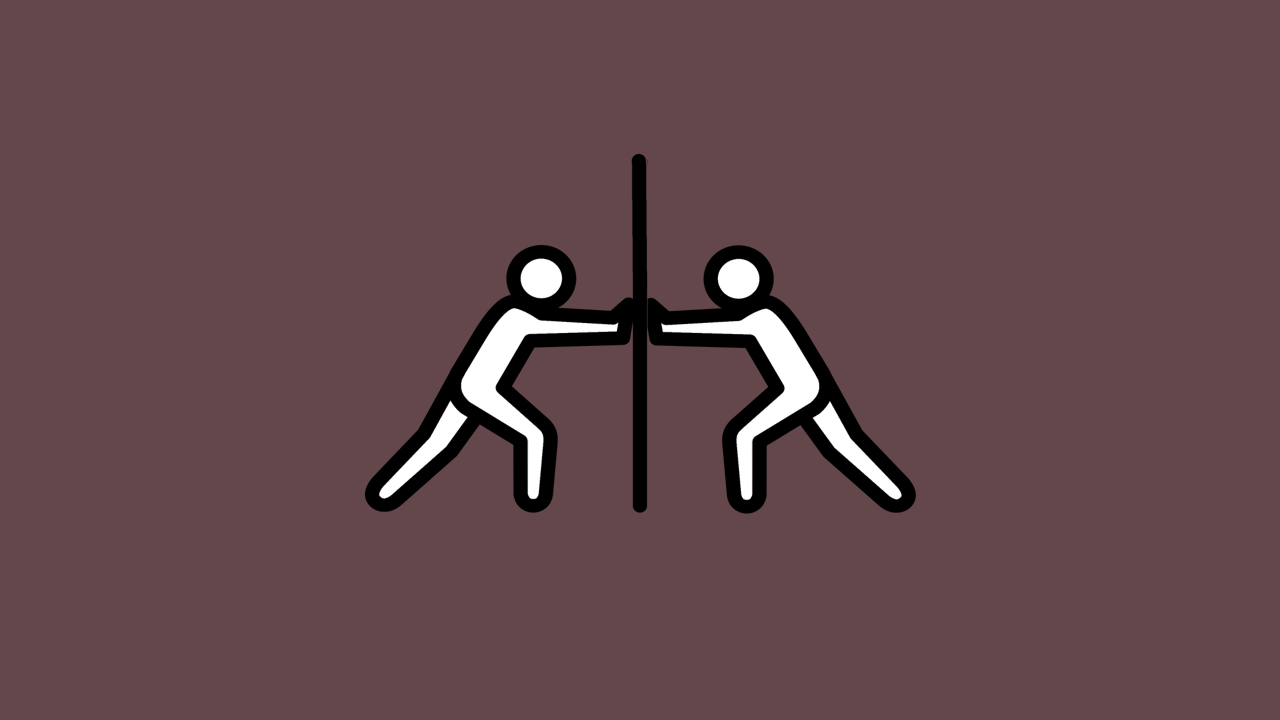
With the publication of How to Coach Resistance, the timeline of educational coaching enters a collaborative era. Aguilar synthesizes decades of front-line coaching experience to reframe resistance not as a wall to be scaled or broken down, but as vital data. By conceptualizing pushback as two hands pushing against each other—where the coach’s pressure directly matches and exacerbates the teacher’s defense—Aguilar provides a practical methodology for interrupting adversarial cycles. The historical trajectory of coaching has thus shifted from enforcing change upon educators to navigating growth with them.
Supporting Context & Metrics: Unpacking the Dynamics of Pushback
To operationalize Aguilar’s theories, educational systems must examine the underlying mechanics of professional pushback. The dynamics of instructional friction are rarely isolated incidents; they are symptomatic of systemic pressures, emotional exhaustion, and misdiagnosed professional needs.
The Anatomy of the Pushback Dynamic
When a coach advocates for a new instructional routine and a teacher objects, a psychological defense mechanism is often triggered on both sides.
- The Educator’s Fear: Driven by vulnerability, fear of failure, or a protective instinct toward their students, the teacher worries they cannot successfully execute the change or that the new method will harm the classroom environment.
- The Coach’s Anxiety: Driven by performance metrics, administrative expectations, or institutional timelines, the coach worries that failing to move the teacher equals professional inadequacy.
When these anxieties collide, the interaction mirrors a physical struggle. Aguilar uses the powerful metaphor of two hands pushing against one another. The harder the coach pushes for curriculum adoption, the harder the teacher pushes back to preserve instructional autonomy. The solution, counterintuitive yet profoundly effective, is for the coach to drop their hand—to stop exerting unilateral pressure and instead step into radical curiosity.
The ACE Framework: Navigating the Emotional Terrain
When a coach drops their defensive posture, they inevitably uncover deep-seated emotions. Aguilar introduces the ACE framework to help leaders navigate these emotional landscapes systematically:
- Acknowledge Emotions: Before jumping into problem-solving, coaches must pause and recognize the teacher’s affective state. Eschewing therapeutic overreach, this step simply involves naming the emotion collaboratively—such as asking if fear or frustration is present—thereby communicating radical acceptance.
- Cultivate Compassion: Educators battling burnout often hold themselves to punishingly high standards. Cultivating compassion—often accessed by asking teachers what they would advise a best friend in the same scenario—unlocks self-grace. Crucially, Aguilar stresses that coaches cannot invite teachers into self-compassion if they have not cultivated it within themselves.
- Expand the Story: Every resistant reaction is tethered to a limiting belief about capability, students, or institutional intent. Unpacking and expanding this narrative allows educators to reframe their reality and envision alternative pedagogical paths.
Diagnosing Through the Gaps Framework
Beyond emotional barriers lie operational and professional obstacles. Aguilar’s Gaps Framework categorizes areas for growth into six distinct pillars, reframing what traditional leaders mislabel as an unwillingness to change:
- Skill: The mechanical ability to execute a strategy.
- Knowledge: Understanding the underlying theory or content.
- Capacity: Having the time, physical energy, or systemic resources.
- Will: The internal motivation or drive.
- Emotional Intelligence: Managing personal triggers and interpersonal dynamics.
- Cultural Competence: Navigating diverse identities and equity-driven realities.
By methodically auditing these six areas, coaches can transition away from the false assumption that a teacher has a "will gap" (unwillingness) when they actually possess a "knowledge or skill gap" (lack of training).
Official Statements and Expert Insights
Reflecting on the core principles of her methodology, Elena Aguilar emphasizes that reframing resistance is the ultimate source of empowerment for instructional leaders:
"This is not to blame you," Aguilar writes regarding the coach’s role in relational friction. "It is the most hopeful thing I can tell you, because it means resistance is not fixed. It is determined at least in part by what you bring into the room, and what you bring is something you can change."
Furthermore, Aguilar addresses the critical reality that not all pushback is unfounded or dysfunctional. In many instances, institutional directives clash with child development realities or educational equity:
"There are times when resistance is righteous, and there needs to be resistance," Aguilar notes. "Resistance in and of itself is not a bad thing."
For example, when a kindergarten educator is commanded to enforce rigid, developmentally inappropriate seatwork for prolonged periods, their pushback is not insubordination—it is professional advocacy. Coaches must build the capacity to honor these legitimate concerns, explore permissible boundaries of institutional compliance, and amplify teacher voices to decision-makers when mandates actively harm student learning environments.

Future Outlook: The Future of Collaborative School Leadership
As school districts across the globe grapple with unprecedented educator retention crises, burnout, and complex post-pandemic academic recovery, the traditional, authoritarian model of instructional coaching is rapidly becoming obsolete. The future of educational leadership hinges on psychological safety, relational intelligence, and empathetic partnership.
Integrating Aguilar’s philosophies into leadership training programs signals a monumental shift in how schools will operate in the coming decade. By training instructional coaches to recognize their own contributions to resistance, utilize emotional frameworks like ACE, diagnose true professional gaps, and respect righteous pushback, educational institutions can foster environments of genuine professional trust.
When teachers no longer fear punitive oversight or superficial compliance checks, classrooms transform from sites of compliance to incubators of innovation. By turning pushback into possibility, modern educational leaders can cultivate sustainable, thriving school cultures where both teachers and students experience profound, authentic growth.

