
Executive Overview
In the high-stakes environment of modern education, instructional coaching and school leadership are frequently positioned as catalysts for positive systemic change. Yet, when coaches or administrators introduce new pedagogical frameworks, curricula, or classroom management strategies, they often encounter an immovable object: teacher resistance. Traditionally, educational institutions have diagnosed this friction as a deficit belonging entirely to the educator—labeling pushback as stubbornness, an unwillingness to evolve, or professional stagnation.
However, a paradigm shift is underway in the discourse on professional development. In her groundbreaking ninth book, How to Coach Resistance: Turning Pushback Into Possibility, veteran instructional coach and educational author Elena Aguilar challenges the foundational assumptions of traditional teacher coaching. Aguilar argues that resistance is rarely a localized issue native to the individual teacher; rather, it is a complex, transactional dynamic generated between two people. When a coach applies rigid pressure, the teacher predictably reacts with defensive pushback, creating a vicious cycle of escalation.
This comprehensive overview explores Aguilar’s transformative insights, breaking down the psychological underpinnings of classroom resistance, evaluating the emotional barriers that obstruct professional growth, and redefining how instructional leaders can pivot from adversarial supervision to empathetic, collaborative partnership. By examining actionable frameworks such as the ACE (Acknowledge emotions, Cultivate compassion, Expand the story) model and the Gaps Framework, educational leaders can unlock new pathways for institutional growth, transforming conflict into a catalyst for genuine pedagogical evolution.
Detailed Chronology: The Evolution of Professional Coaching Dynamics
To understand the current state of teacher coaching and the birth of Aguilar’s new framework, it is vital to trace how instructional support models have matured over the past few decades.
The Era of Compliance and Top-Down Mandates
For decades, school improvement models relied heavily on hierarchical, compliance-driven frameworks. Instructional coaches and administrators operated under an inspection-and-repair model. If student test scores lagged or district initiatives stalled, leadership implemented top-down directives. Teachers were given scripted curricula, mandatory pedagogical timelines, and rigid instructional guidelines.
In this environment, pushback was viewed as insubordination or incompetence. If a teacher questioned a new mandate, the typical institutional response involved increased oversight, formal reprimands, or mandatory remediation plans. This approach deepened systemic distrust, causing educators to retreat behind closed classroom doors, viewing instructional coaches not as collaborative allies, but as evaluative spies for district administration.

The Rise of Modern Instructional Coaching
As educational research began to recognize that sustainable school reform depends on adult learning and teacher agency, the role of the instructional coach evolved. Schools shifted away from evaluative policing toward supportive coaching models. Coaches were introduced to help teachers refine craft knowledge, integrate educational technology, and adapt to shifting standards.
Despite these progressive intentions, old communication patterns persisted. Even well-meaning coaches often fell into the trap of over-advocacy. When a teacher expressed hesitation about a new teaching strategy, the coach would double down on data, research, and policy mandates. The resulting friction was still diagnosed as "teacher resistance," placing the burden of change squarely on the educator’s shoulders while leaving the coach’s methodology unexamined.
The Paradigm Shift: Aguilar’s Transactional Model
Elena Aguilar’s recent work marks a critical evolutionary milestone in educational leadership. By reframing resistance as a shared psychological dynamic rather than an isolated character flaw, Aguilar shifts the focus of professional development from fixing the teacher to transforming the interaction.
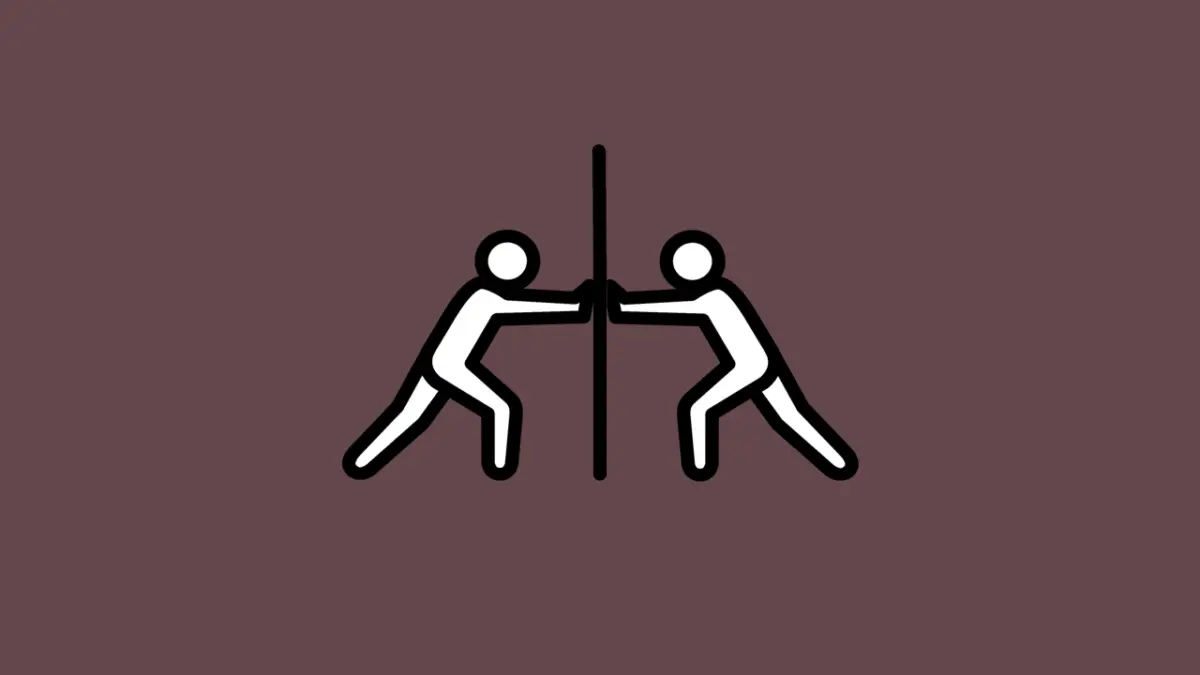
This philosophy asserts that resistance is sustained by mutual pressure—akin to two individuals pushing against each other with open palms. When the coach ceases to apply pressure, steps back, and embraces radical curiosity, the dynamic shifts. This realization empowers instructional leaders, proving that resistance is not a permanent fixture of school culture, but a malleable interaction that can be consciously reshaped.
Supporting Context & Metrics: The Anatomy of Classroom Friction
Navigating teacher pushback requires looking beneath surface-level behaviors to understand the emotional and structural barriers that prevent educators from embracing change.
The Psychology of Fear and Defensiveness
At the heart of most instructional conflicts lies an undercurrent of unacknowledged fear. When an instructional coach suggests a fundamental shift in a teacher’s practice—such as transitioning from traditional lecturing to inquiry-based learning—the educator often processes this feedback not as professional guidance, but as a direct threat to their competency and professional identity.

- Teacher Vulnerability: Educators pour immense emotional labor, time, and personal investment into their classrooms. A critique of their methodology can trigger feelings of inadequacy, shame, and professional exhaustion.
- Coach Anxiety: Conversely, instructional coaches often operate under immense pressure from district leadership to produce rapid metric improvements. When a teacher pushes back, the coach may experience anxiety regarding their own effectiveness, leading them to become defensive, overly prescriptive, or authoritative.
This mutual defensiveness creates an invisible wall. As Aguilar notes, each party’s response compounds the pressure, turning a simple coaching session into a high-stakes standoff.
Deconstructing the ACE Framework
To dismantle this adversarial dynamic, Aguilar introduces the ACE framework—a three-step process designed to help coaches navigate high-emotion professional conversations:
- Acknowledge Emotions: Before jumping into problem-solving, lesson planning, or data analysis, coaches must pause and recognize the emotional reality of the teacher. This does not require clinical therapy or invasive psychological probing; it simply requires verbalizing observed emotional states with empathy and acceptance. Phrases such as, "It sounds like there is some apprehension around implementing this new framework; does that feel accurate?" create a psychological safety net.
- Cultivate Compassion: Burnout and self-judgment plague modern educators. When teachers feel overwhelmed, they often judge themselves harshly for struggling with classroom management or curriculum pacing. Coaches must help educators cultivate self-compassion. A powerful coaching technique involves asking the educator: "What would you say to a trusted teaching colleague going through this exact same challenge?" The resulting shift in perspective typically yields a kinder, more constructive internal narrative. Crucially, Aguilar stresses that coaches cannot authentically offer compassion to others if they do not practice self-compassion themselves.
- Expand the Story: Human beings naturally construct narratives to make sense of professional friction—stories about student capability, administrative intentions, or personal worth. The final phase of the ACE framework involves unpacking these limiting beliefs. By gently inviting educators to consider alternative explanations, coaches help teachers rewrite disempowering narratives and re-engage with instruction from a position of agency.
Uncovering the Gaps: Beyond the "Will" Deficit
When an instructional initiative fails to gain traction, leadership frequently assumes a "will gap"—the persistent belief that the teacher simply lacks the motivation or desire to improve. However, Aguilar’s Gaps Framework establishes that instructional obstacles typically stem from one of six distinct categories:
- Skill: The mechanical ability to execute a pedagogical technique.
- Knowledge: Understanding the foundational theory or content behind a strategy.
- Capacity: Having the necessary time, physical energy, or logistical resources.
- Will: Internal motivation and desire to implement the change.
- Emotional Intelligence: The ability to regulate emotions, navigate relationships, and manage stress.
- Cultural Competence: The awareness and sensitivity required to navigate diverse student populations equitably.
By systematically evaluating these areas through collaborative inquiry, coaches can prevent misdiagnosing capacity, knowledge, or skill deficits as stubborn unwillingness, ensuring that educators receive targeted, meaningful support rather than superficial compliance demands.
Official Insights and Expert Perspectives
The transition from punitive oversight to collaborative coaching is supported by a growing body of pedagogical research emphasizing adult learning theory and relational trust in schools.
Educational psychologists have long noted that adult learners require autonomy, immediate relevance, and psychological safety to alter deeply ingrained professional behaviors. When instructional coaches position themselves as equal partners rather than evaluative monitors, they satisfy the core psychological needs required for adult cognitive flexibility.

Elena Aguilar articulates this philosophy clearly in her foundational teachings, noting that resistance is inherently hopeful:
"This is not to blame you… It is the most hopeful thing I can tell you, because it means resistance is not fixed. It is determined at least in part by what you bring into the room, and what you bring is something you can change."
Furthermore, expert consensus highlights that resistance is not always a pathological barrier to overcome; occasionally, it is a moral imperative. Teachers operate on the front lines of education and frequently possess intuitive insights regarding developmentally inappropriate mandates, institutional inequities, or unfeasible workloads. Aguilar reminds educational leaders to validate "righteous resistance"—instances where a teacher’s pushback is rooted in legitimate advocacy for student well-being. When school systems cultivate spaces where educators can safely challenge institutional decisions, entire school communities benefit from enhanced transparency, mutual respect, and authentic collaboration.
Future Outlook: The Next Generation of Instructional Leadership
As educational institutions navigate post-pandemic recovery, teacher retention crises, and evolving curricular standards, the methodologies governing professional development must adapt. The traditional era of top-down mandates and adversarial coaching is rapidly giving way to relational, trauma-informed, and emotionally intelligent leadership models.
Looking ahead, school districts that invest in training instructional coaches in emotional intelligence, conversational agility, and collaborative frameworks like the ACE model will likely experience higher teacher retention rates and more sustainable instructional innovation. When teachers know their voices are respected, their emotional realities are acknowledged, and their professional autonomy is honored, the traditional battle lines between administration and faculty dissolve.
Ultimately, the future of educational leadership relies on a fundamental redefinition of authority. True leadership is no longer measured by compliance rates or the enforcement of rigid instructional compliance, but by the cultivation of genuine partnerships. By dropping their guard, embracing radical curiosity, and transforming pushback into possibility, instructional coaches and school leaders can build resilient school cultures where both educators and students thrive.

