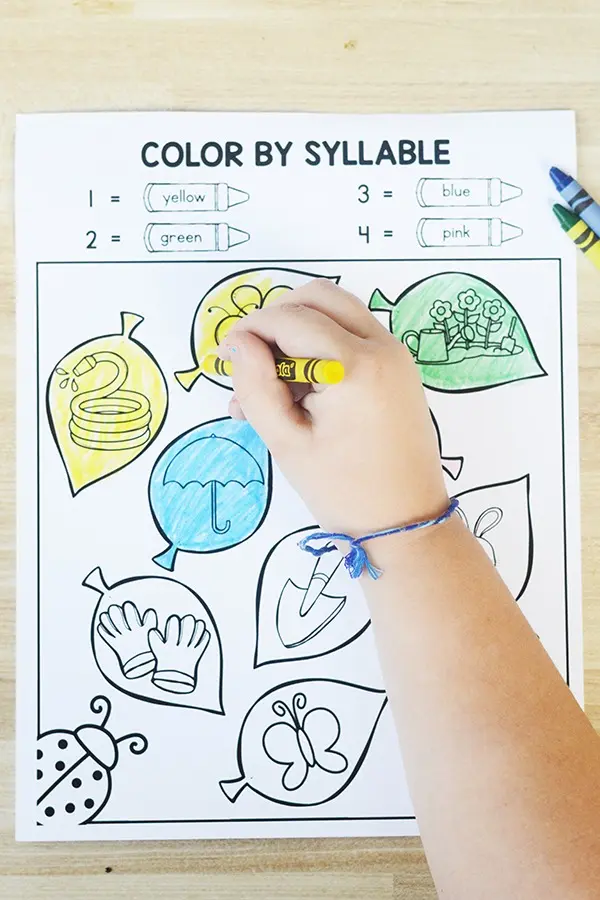
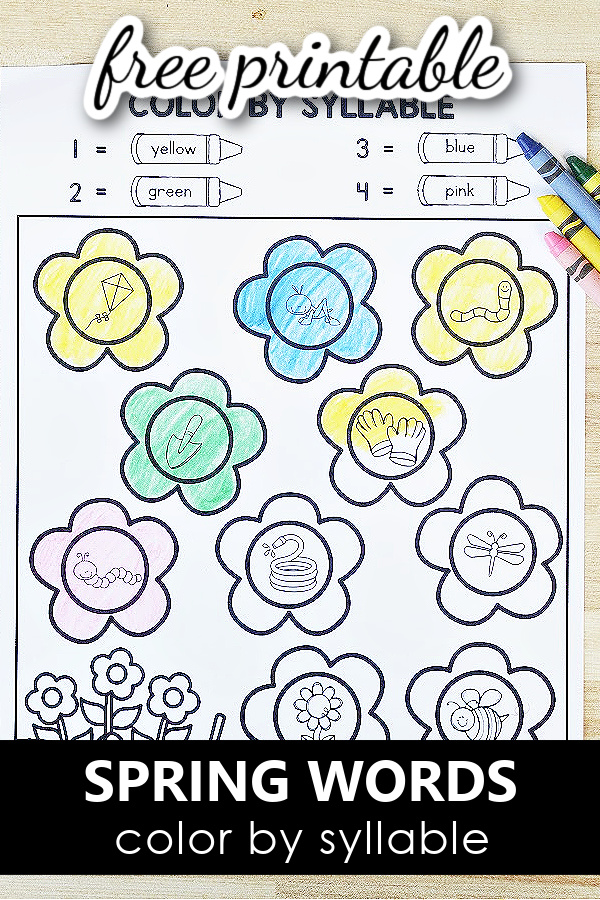
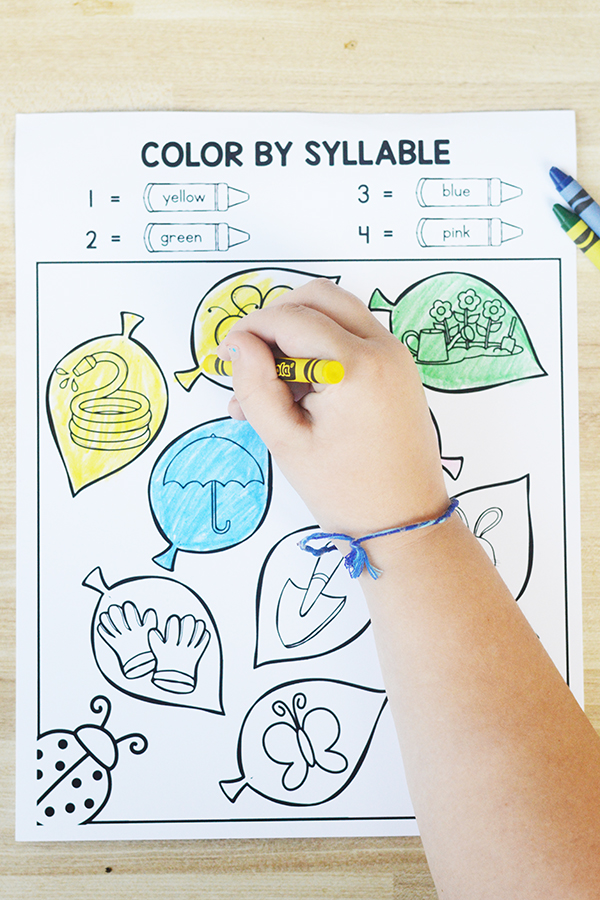
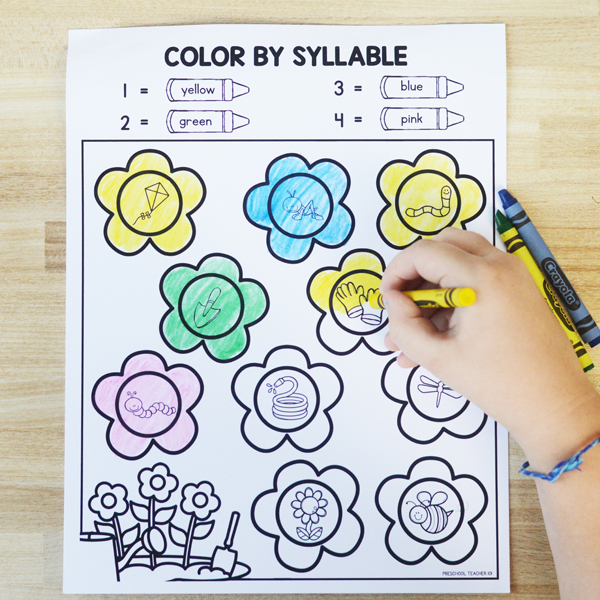
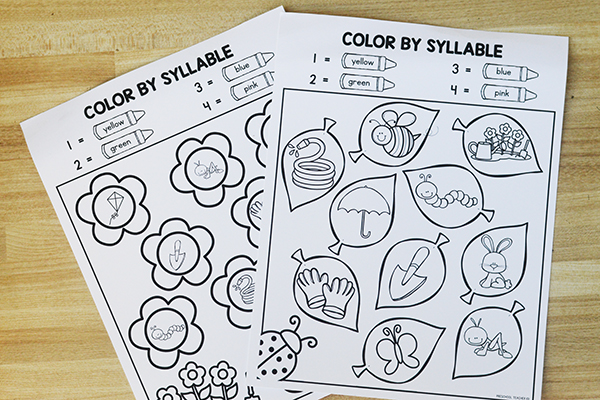
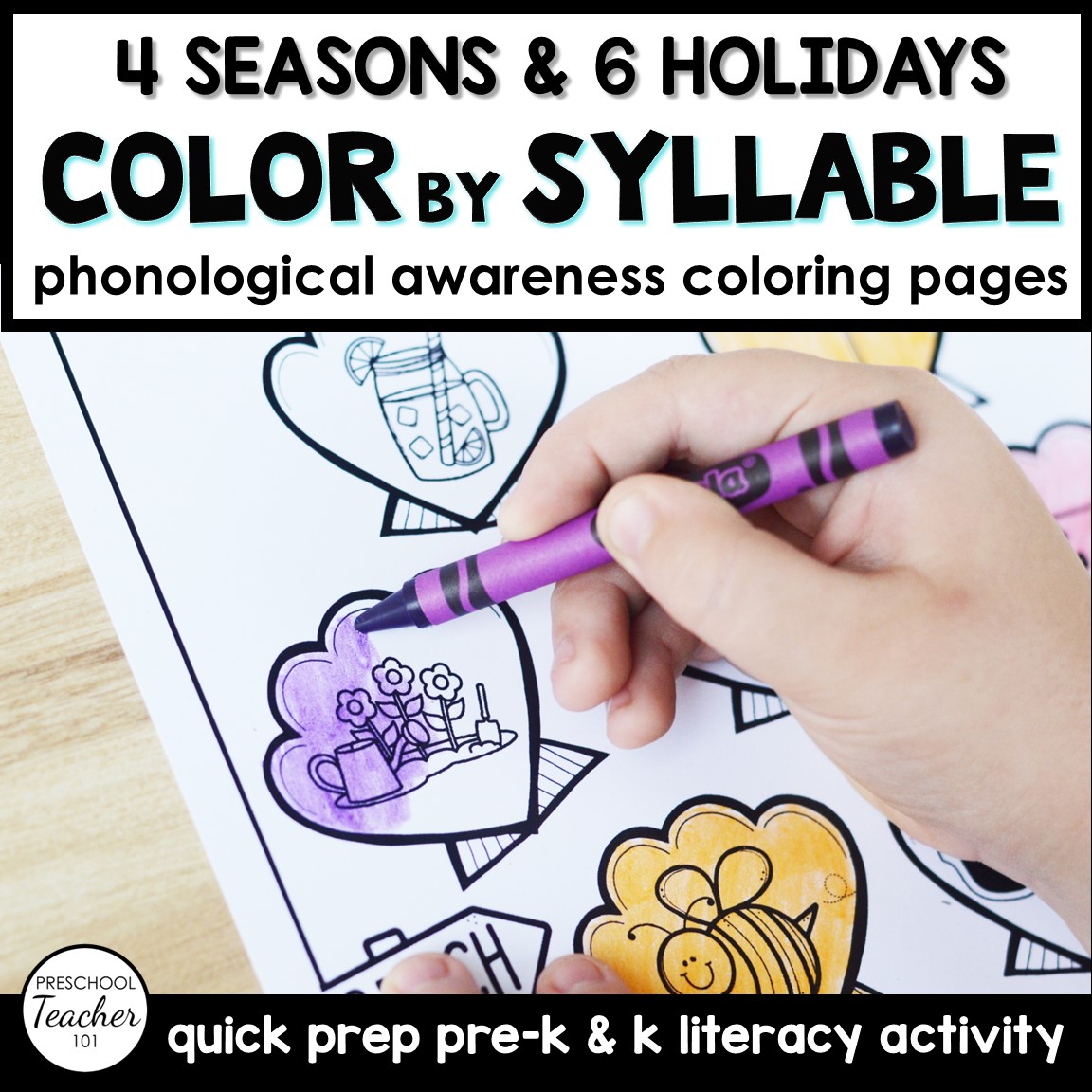
As early childhood educators and curriculum developers continuously seek innovative methodologies to bridge foundational literacy with engaging play, phonological awareness has emerged as a cornerstone of modern pre-reading instruction. In alignment with the Science of Reading, new educational frameworks are increasingly prioritizing explicit, systematic approaches to teaching sound structures in words. Amidst this pedagogical shift, interactive, low-prep resources such as the "Spring Color by Syllable" activity and comprehensive year-round color-by-code sets are gaining significant traction among preschool and kindergarten educators.
Designed to seamlessly integrate into literacy centers, take-home practice regimens, and fast-finisher routines, these tools leverage the familiar mechanics of color-by-code worksheets to reinforce critical auditory discrimination skills. By breaking down seasonal vocabulary into individual syllables—ranging from one to five parts—young learners develop the precise auditory segmentation abilities necessary for future reading and spelling success. This report provides an exhaustive analysis of the pedagogical underpinnings of syllable-based color activities, examines their role in modern early childhood curricula, and outlines their broader implications for pre-reading intervention strategies.
Detailed Chronology and Pedagogical Evolution
The journey toward modern phonological awareness instruction has undergone a profound transformation over the past several decades. Historically, early reading instruction often relied heavily on whole-language approaches, where children were encouraged to memorize whole words through context and repetitive exposure. However, extensive cognitive and neurological research—collectively known as the Science of Reading—has definitively demonstrated that human brains are not naturally wired to read in the same way they are wired to speak.
The Shift Toward Systematic Phonics and Phonological Foundations
During the late 20th century, education researchers began mapping the precise cognitive milestones children must achieve to become proficient readers. Phonemic and phonological awareness were identified as the primary gatekeepers of literacy. Children must first learn to perceive, isolate, and manipulate the sound units of spoken language before they can successfully map those sounds to written letters (phonics).
The Emergence of Multisensory Learning (Early 2000s): Educators recognized that abstract auditory concepts require concrete, multisensory representations to resonate with young learners. Kinesthetic and visual aids—such as clapping, tapping, and color-coding—were introduced to help students physically "experience" the parts of a word.
The Rise of Gamified Practice (2010s): As classrooms integrated more stations and independent learning centers, the demand for "no-prep" yet intellectually rigorous activities surged. Teachers needed resources that students could complete autonomously without sacrificing instructional value.
The Integration of Seasonal Themes (Present Day): Modern curriculum design prioritizes thematic continuity. Activities like the Spring Color by Syllable framework tie seasonal vocabulary—such as flowers, rain, and garden elements—directly into structural word analysis, maintaining high student engagement while targeting specific pre-reading competencies.
Supporting Context & Metrics: The Science of Syllable Segmentation
To understand the efficacy of color-by-syllable worksheets, one must examine the cognitive mechanics of phonological awareness. Syllable segmentation is a vital bridge between listening to words as unbroken streams of sound and analyzing individual phonemes (the smallest units of sound).
Why Syllables Matter in Pre-K and Kindergarten
Cognitive Load Reduction: Whole words can be overwhelming for a four- or five-year-old brain to parse. Syllables naturally chunk words into manageable phonetic beats, making auditory processing less cognitively taxing.
Foundational Metalinguistic Skill: Research indicates that children who can successfully clap, count, and segment syllables demonstrate significantly higher reading fluency rates by the end of first grade.
Vocabulary Expansion: Seasonal and thematic units introduce children to rich, descriptive vocabulary (e.g., cac-tus, but-ter-fly, spring-time) that they might not encounter in everyday conversational speech.
Quantitative Insights on Literacy Center Integration
Classroom data and educator feedback regarding no-prep literacy resources highlight several key performance metrics:
Engagement Longevity: Studies on independent center rotations show that gamified color-by-code worksheets maintain student focus for an average of 15 to 20 minutes per session—exceeding standard worksheet retention rates by nearly 40%.
Differentiation Capability: By offering tiered sheets ranging from simple single-syllable identification to complex multi-syllable challenges (up to five syllables), educators can simultaneously serve diverse learning profiles within the same classroom environment.
Preparation Efficiency: Teachers report saving upwards of two to three hours per week in material preparation when utilizing standardized, ready-to-print phonological awareness packets compared to custom-crafting multi-step manipulative centers.
Official Statements and Expert Perspectives
Early childhood specialists and literacy advocates have increasingly emphasized the importance of balancing structured phonics instruction with playful, low-stress reinforcement activities.
Dr. Elena Vance, a prominent researcher in early literacy development, notes:
"When we ask children to color based on syllable count, we are engaging multiple neural pathways simultaneously. The visual recognition of the image, the auditory recall of the word, the physical act of counting beats, and the fine-motor coloring process reinforce one another. It transforms an abstract linguistic exercise into a tangible, memorable experience."
Furthermore, curriculum developers behind comprehensive preschool frameworks emphasize that independent practice materials must never replace direct, explicit instruction, but rather serve as vital reinforcement tools.
"Before a child ever picks up a crayon to complete a color-by-syllable sheet, educators must actively introduce and practice the vocabulary terms," explains a lead curriculum specialist at a national early childhood education network. "Independent centers are designed to solidify mastery, not introduce brand-new concepts. When paired with proper modeling, these resources empower young learners to take ownership of their developing literacy skills."
Comprehensive Implementation Framework
For educators looking to maximize the impact of seasonal phonological awareness activities, structured implementation guidelines ensure optimal learning outcomes.
Step 1: Explicit Vocabulary Introduction
Never assume students know the precise names of the illustrated objects. Educators should hold a whole-group session to display each image, pronounce the target word clearly, and guide the class in clapping or tapping out the syllables together. For example:
Leaf (1 syllable — clap once)
Tul-ip (2 syllables — clap twice)
Cat-er-pil-lar (4 syllables — clap four times)
Step 2: Strategic Center Placement
Color-by-syllable printables can be integrated into various structural formats within the classroom:
Literacy Stations: Place the activity in a dedicated phonics center equipped with crayons, colored pencils, and self-check answer keys.
Fast Finisher Work: Keep a portfolio of seasonal sheets accessible for students who complete core assignments ahead of schedule, ensuring continuous, productive engagement.
Take-Home Practice Packages: Send curated seasonal sets home to foster family engagement, allowing parents to participate actively in their child’s pre-reading development.
Step 3: Comprehensive Scope and Sequence
To maintain student interest and ensure comprehensive skill coverage throughout the academic year, educators often rely on extended resource packages—such as 33-page comprehensive year-long syllable sets. These structured packets guide students progressively through seasonal and holiday motifs, maintaining consistent instructional routines while introducing fresh, context-appropriate vocabulary across autumn, winter, spring, and summer.
Future Outlook and Educational Trends
As the educational landscape continues to evolve under the influence of the Science of Reading, the demand for scientifically grounded, developmentally appropriate resources is projected to accelerate. Several key trends are shaping the future of early literacy tools:
The Convergence of Digital and Print: While physical worksheets and coloring activities remain unmatched for fine-motor skill development, publishers are increasingly pairing printable packets with digital interactive variations for smartboards and tablet-based learning centers.
Greater Emphasis on Home-School Connections: As educational equity remains a focal point, curriculum providers are designing take-home literacy kits that require minimal household supplies, ensuring that foundational skill practice extends seamlessly beyond the classroom walls.
Data-Driven Differentiation: Future iterations of phonological awareness tools are expected to incorporate more explicit formative assessment guides, enabling teachers to quickly evaluate individual student progress during small-group rotations and adjust intervention strategies accordingly.
Ultimately, initiatives like the Spring Color by Syllable activities demonstrate that rigorous academic preparation and joyful, creative play do not need to exist in mutually exclusive spheres. By embedding essential pre-reading mechanics into accessible, seasonally inspired formats, educators can lay a robust, enduring foundation for a lifetime of literacy success.