
Executive Overview
The holiday shopping landscape has undergone a seismic shift, and the market for children’s educational products is no exception. Traditionally anchored by the post-Thanksgiving brick-and-mortar frenzy, the holiday retail window has expanded drastically. Today, major retailers and specialty direct-to-consumer brands are initiating deep-discount promotional cycles as early as mid-November. This structural change is driven primarily by the steady migration of consumers toward online-only shopping ecosystems. Retailers recognize the logistical hurdles of physical store congestion during peak holiday periods and have responded by funneling their deepest promotional discounts, exclusive bundles, and early-bird specials directly into their digital storefronts.
For parents, educators, and gift-givers, this early-bird paradigm offers a distinct advantage: a chance to secure high-demand educational products without the stress of out-of-stock notices or shipping delays. Science, Technology, Engineering, and Math (STEM) toys have emerged as the fastest-growing sector within the broader toy and game industry. Far from being mere entertainment, these kits bridge the gap between abstract academic concepts and tangible, real-world application. From programmable robotics and advanced logic puzzles to chemistry labs and modular circuit boards, modern STEM tools cultivate critical thinking, resilience, and early technological literacy.
This comprehensive report examines the strategic shifts in retail pricing for the upcoming shopping season, analyzes the broader cultural and educational push toward early technological fluency, and provides an authoritative breakdown of the top 15 STEM toys and learning kits to watch during Black Friday and Cyber Monday.
Detailed Chronology: The Evolution of Early Holiday STEM Sales
To understand why retailers are pushing holiday promotions weeks before Thanksgiving, one must look closely at supply chain dynamics and consumer behavioral shifts over the last half-decade.
The Shift to Mid-November Rollouts
Historically, Black Friday served as the singular starting gun for holiday spending. However, supply chain bottlenecks, inventory forecasting challenges, and the explosive growth of e-commerce platforms forced a strategic pivot across the retail sector. Major distributors of educational technology and learning toys now utilize a phased rollout schedule:
- Early November (The Warm-Up Phase): E-commerce giants and specialized educational retailers begin testing the market with localized price drops on overstocked inventory and legacy tech models.
- Mid-November (The Official Early Launch): Recognizing that online-only purchasing has become the dominant consumer preference, retailers deploy their primary Black Friday-level price cuts roughly 10 days to two weeks before Thanksgiving. This allows logistics networks to distribute parcel volume evenly through December, mitigating holiday shipping crunches.
- Black Friday Through Cyber Monday (The Grand Finale): While early windows capture strategic buyers, the traditional four-day holiday weekend features flash sales, exclusive bundle offers (such as combined starter sets and expansion packs), and limited-time lightning deals on high-ticket robotics and coding kits.
This extended timeline is particularly advantageous for educational toys. Because items like programmable robots and chemistry sets often require careful consideration by parents matching a child’s exact age and skill level, an extended shopping window removes impulsive buying pressure and encourages informed purchasing decisions.
Supporting Context & Metrics: The Rise of STEM Education Through Play
The commercial surge in STEM toys is backed by profound shifts in educational philosophy. Educators and child development specialists increasingly emphasize that foundational engineering, coding, and scientific inquiry must begin long before formal middle or high school instruction.
Bridging the Digital Divide at Home
Modern children are digital natives, yet passive consumption of screen media differs vastly from active technological creation. The best STEM toys shift a child’s role from consumer to creator. Whether they are assembling an aluminum chassis for a coding robot, snapping together electronic circuits to illuminate an LED display, or calculating gravitational angles for a marble run, children are actively applying math and physics principles.
Market research indicates that parents are increasingly prioritizing toys with intrinsic educational value over single-purpose plastic novelties. Key drivers in this market segment include:
- Screen-Free vs. Screen-Inclusive Balance: Parents actively seek a mix of tactile, physical engineering kits (such as marble runs and mechanical kits) and app-connected coding tools that teach computational logic without inducing screen fatigue.
- Inclusivity in STEM: A concerted push by manufacturers to design gender-neutral and female-focused science and chemistry kits (such as specialized cosmetic and foundational chemistry sets) has broadened market appeal and inspired a more diverse generation of young scientists.
- Longevity and Scalability: High-end STEM kits often feature open-ended programming environments or modular expansion pieces, ensuring that a toy purchased for an eight-year-old remains challenging and engaging as they enter their pre-teen years.
Official Industry Statements & Market Strategies
Retail analysts and toy industry executives have noted that consumer demand for educational toys remains remarkably resilient, even amid broader economic fluctuations.
Industry analysts point out that educational products represent a "value-added" purchase for households. When parents invest in holiday gifts, items that double as developmental learning tools are viewed as essential investments in a child’s future rather than frivolous expenditures. Furthermore, direct-to-consumer educational brands have refined their online marketing strategies, offering rich digital libraries, educator guides, and community-driven project tutorials that accompany physical toy purchases. This holistic approach ensures that the educational value extends far beyond the initial unboxing.
The Top 15 STEM Toys and Learning Kits to Watch
Navigating the vast array of educational products can be daunting. To help you separate passing fads from genuinely transformative learning tools, here is an authoritative selection of the top 15 STEM toys and learning kits to monitor for deep discounts this Black Friday and Cyber Monday.
1. mBot Neo
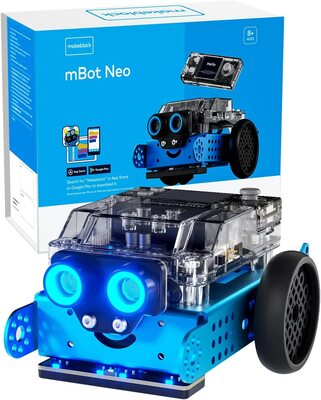
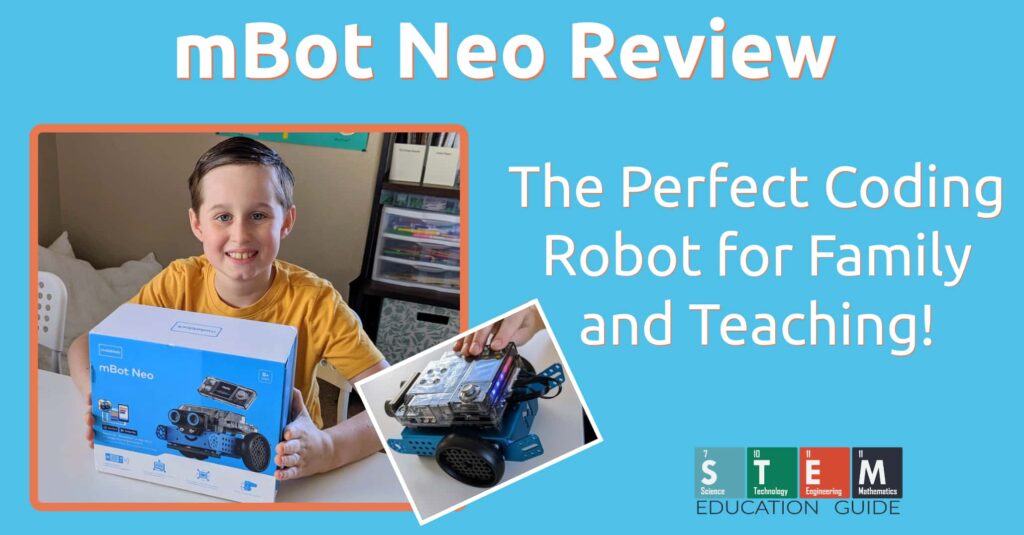
The mBot Neo stands out as a premier DIY coding robot designed for young innovators. Children begin by assembling the robust aluminum and thick-plastic chassis, gaining hands-on mechanical building experience. Once built, users interface with a dedicated mobile application to learn foundational coding concepts. The robot can be programmed to move, dance, light up, and sing. For children who are newer to coding, the mBot Neo also includes a suite of preprogrammed activities accessible via a handheld controller, making it an exceptionally well-rounded entry point into robotics.
2. Sphero BOLT
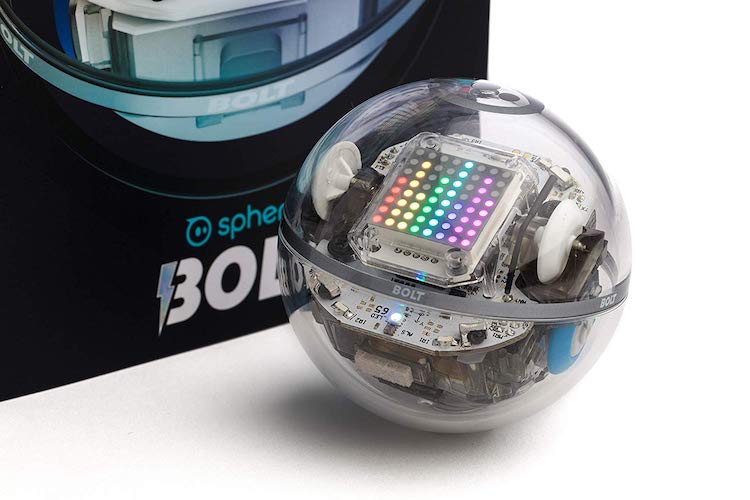
Built for durability, the Sphero BOLT is a shock-proof, waterproof, app-enabled robotic sphere designed to withstand rigorous play environments. Users write custom code on compatible devices, and the BOLT executes complex navigational routes, displays animations on its built-in LED matrix, and interacts with surrounding environments. With an endless library of beginner and advanced classroom activities, it serves as an exceptional tool for growing programmers.
3. Wonder Workshop Dash
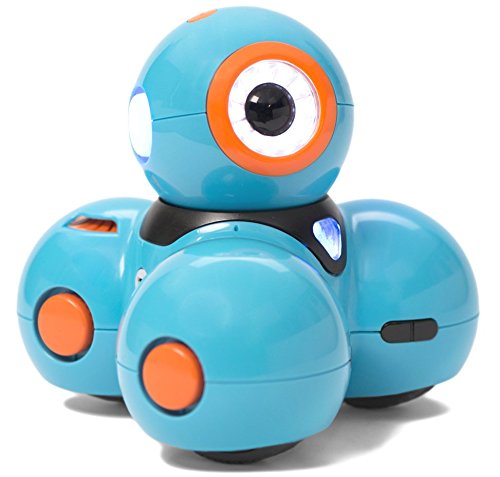
Targeted primarily at children ages six and up, the Wonder Workshop Dash is a nimble, highly expressive programmable robot. Featuring an internal microphone for voice playback and interactive behaviors, Dash responds dynamically to voice commands and spatial surroundings. Crucially, Dash can interact with other Dash robots in the household or classroom, fostering collaborative play. Look for specialized STEAM Creativity bundles during Black Friday, which frequently package Dash with physical flashcards and expansion accessories.
4. Makey Makey
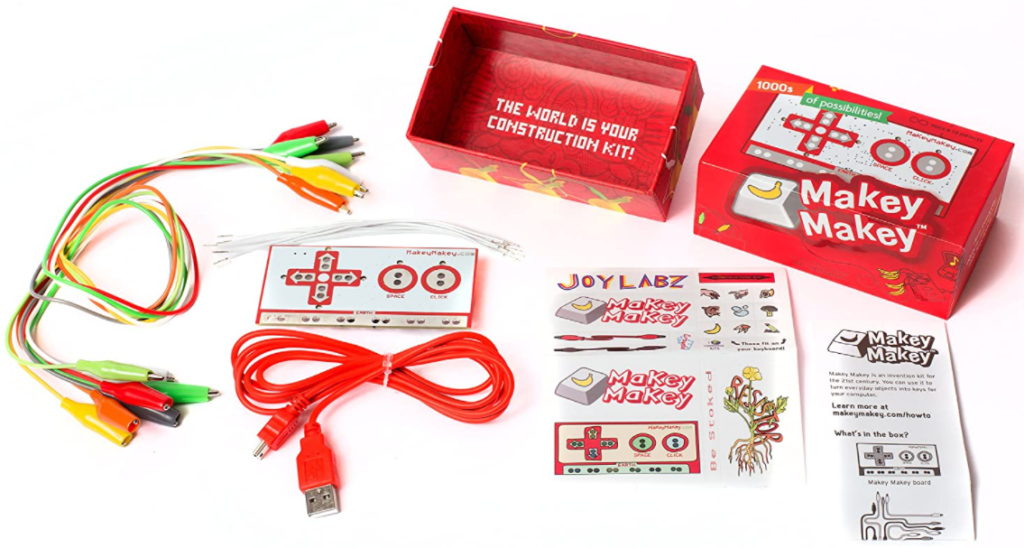
For a truly unique, hands-on introduction to circuitry and technology, the Makey Makey invention kit turns everyday objects into touchpads. By connecting alligator clips from the Makey Makey USB board to items like bananas, Play-Doh, or graphite pencil drawings, children can transform household items into computer keyboard keys. It requires zero programming knowledge to get started, yet offers infinite potential for creative game controllers and digital inventions.
5. Kaboom Explosive Science Lab Kit
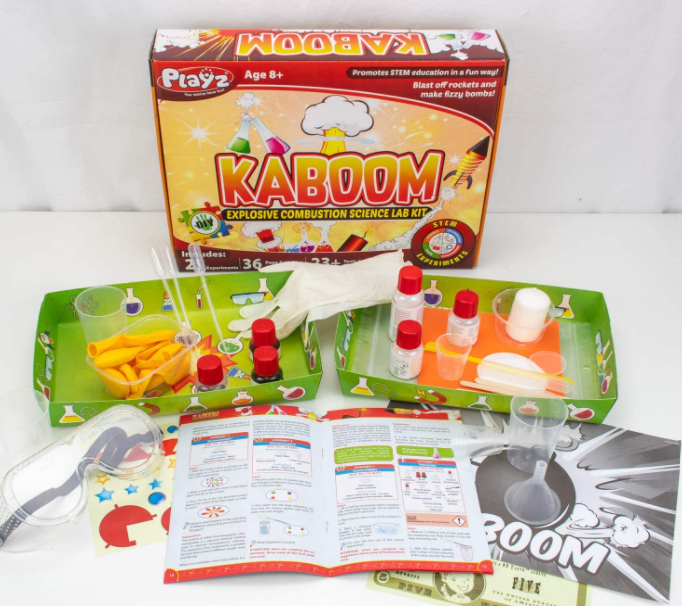
Science comes alive—literally—with the Kaboom Explosive Science Lab Kit. Featuring over 25 dynamic and safe combustion experiments, this kit allows kids to build rockets, launch foam projectiles, and construct fireproof balloons. Far beyond simple pyrotechnics, the kit provides comprehensive educational explanations for the chemical reactions and thermodynamic transformations at play, satisfying curious minds while making science wildly entertaining.
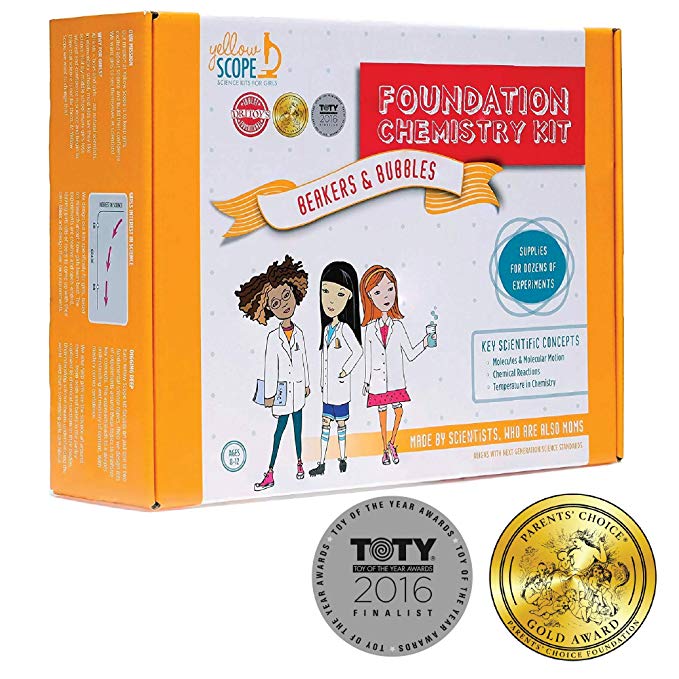
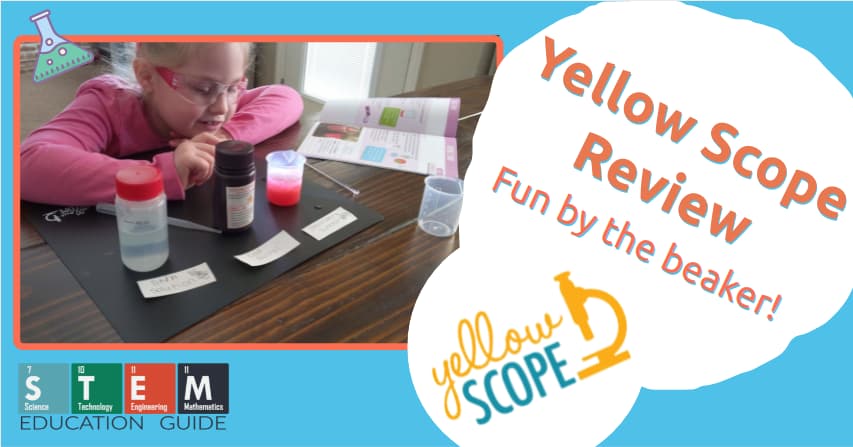
6. YELLOW SCOPE Foundation Chemistry Kit
Designed specifically to encourage girls in STEM, the Yellow Scope Beakers & Bubbles chemistry kit explores real-world chemical applications, such as the science behind cosmetics, body care products, and household chemistry. Developed by female scientists, these rigorous yet accessible laboratory kits provide professional-grade equipment and thorough instructional guides that demystify the scientific method.
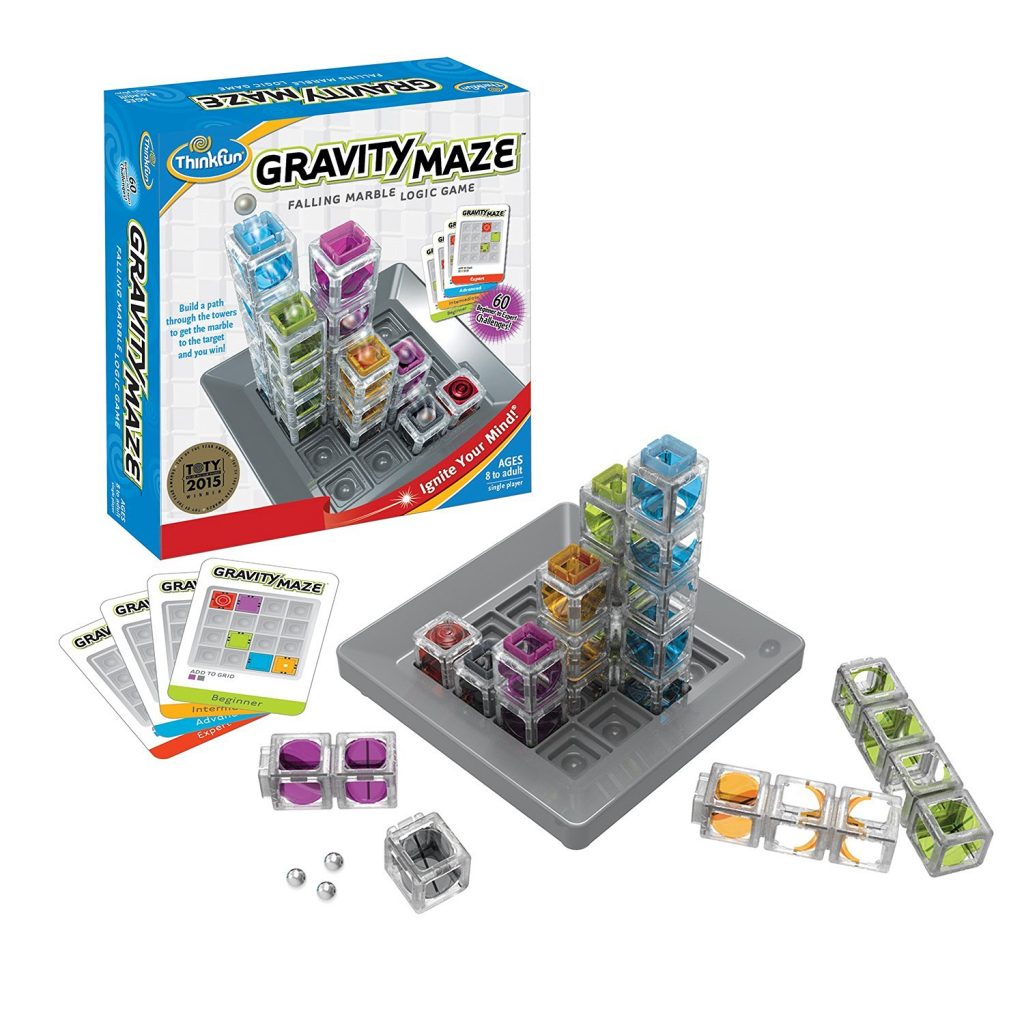
7. ThinkFun Gravity Maze Marble Run
Combining a traditional marble run with a logic puzzle, ThinkFun’s Gravity Maze challenges players to use visual perception and spatial reasoning cards to route a marble from a starting point to a target tower. Players must arrange translucent towers to bridge gaps and account for gravitational pull. It is widely considered one of the finest tactile logic games for children aged eight and older.
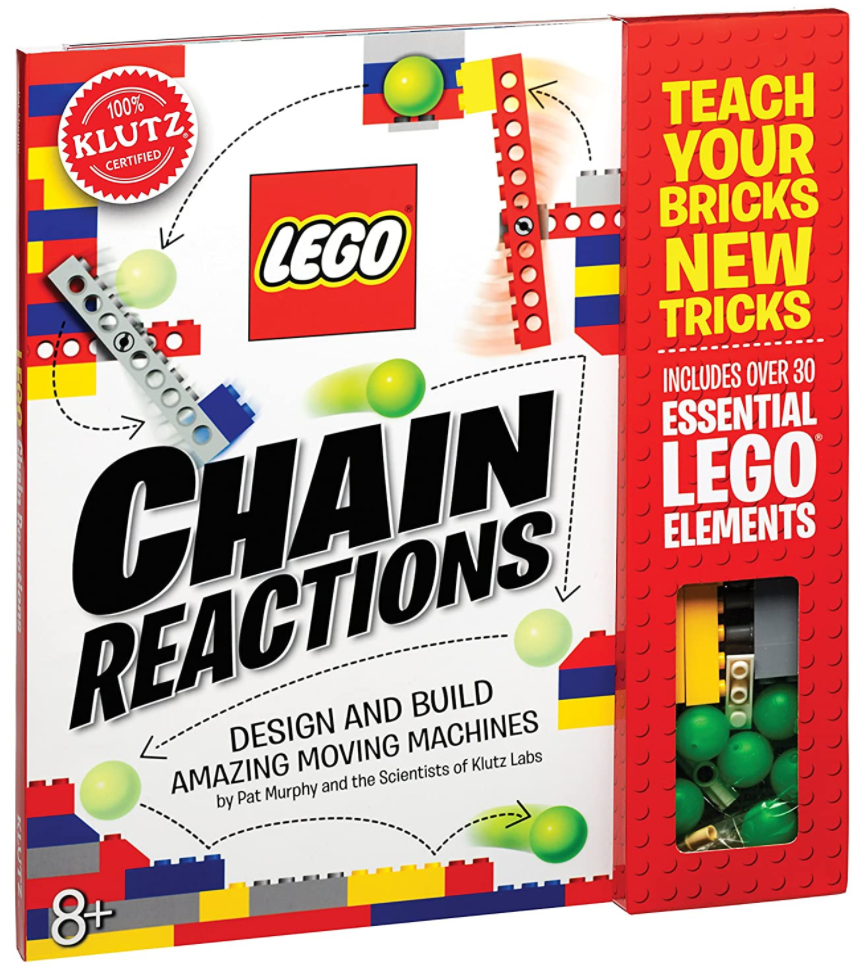
8. LEGO Chain Reactions
An ideal project for budding mechanical engineers, LEGO Chain Reactions provides specialized components and step-by-step instructions for building complex contraptions that utilize physics, kinetic energy, and cause-and-effect mechanics. Children experience an immense boost in confidence when they watch their constructed series of ramps, pendulums, and falling bricks trigger fluid mechanical motion.
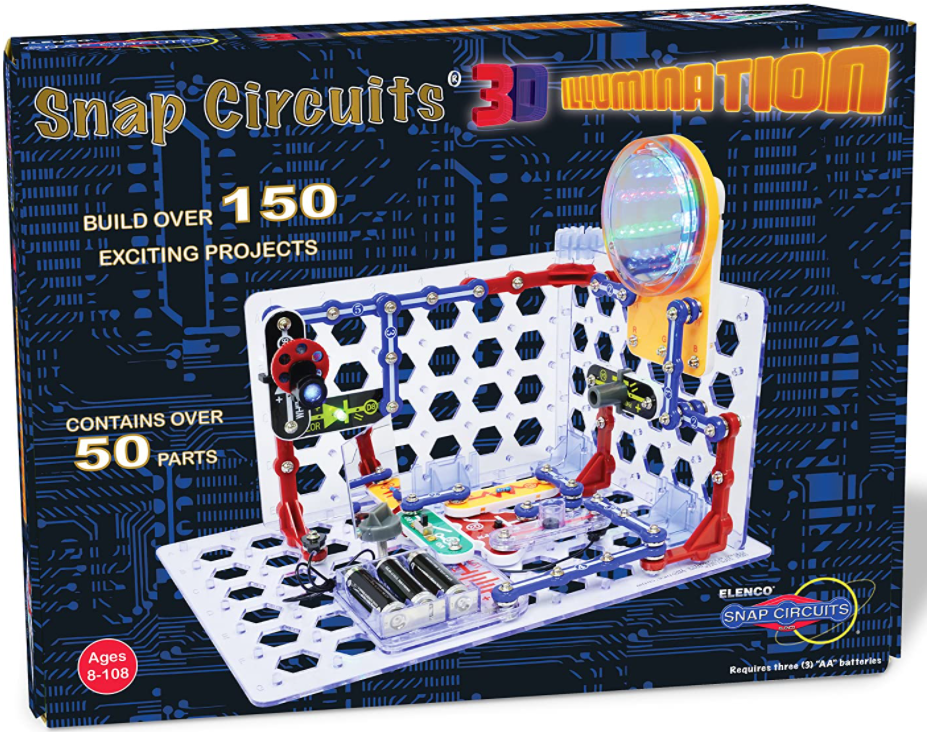
9. Snap Circuits 3D Illumination Electronics Exploration Kit
Snap Circuits revolutionized how children learn electronics by replacing soldering irons and loose wires with color-coded, snap-together plastic grid blocks. The 3D Illumination edition introduces vertical building structures, allowing young engineers to construct glowing towers, fiber optic displays, and complex electronic circuits while learning the fundamentals of voltage, current, and resistance.
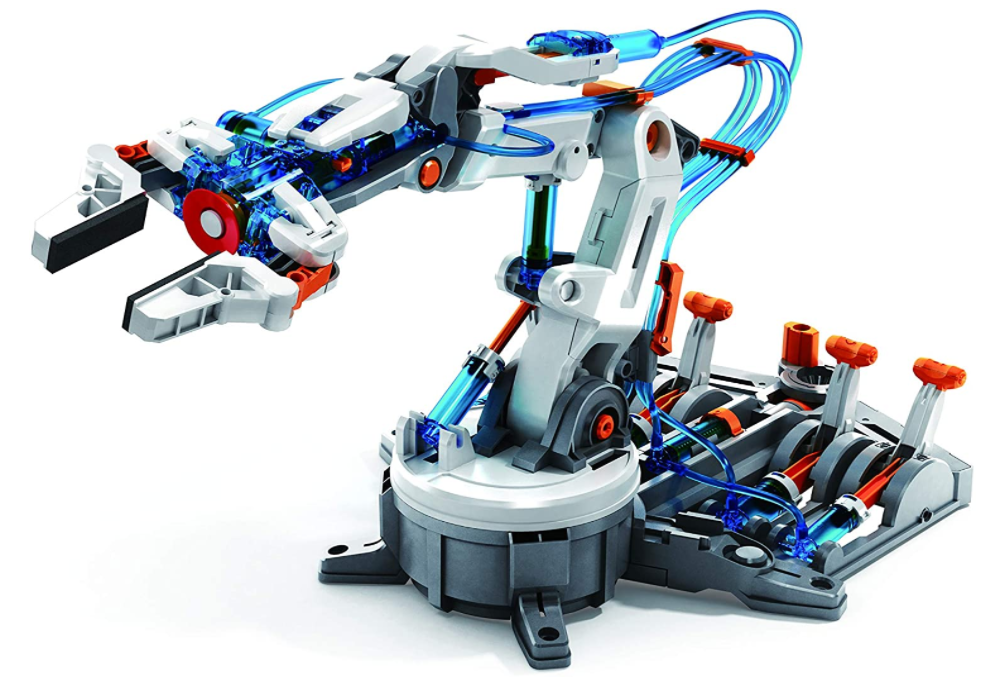
10. Elenco Teach Tech Hydraulic Kit (HydroBot Arm)
Introduce young learners to fluid power with the Elenco Teach Tech HydroBot Arm. Utilizing hydraulic plungers instead of electric motors, children assemble a fully functional mechanical arm capable of 270-degree rotation, gripping, and lifting objects. It provides a brilliant, screen-free exploration of mechanical engineering, fluid dynamics, and ergonomic design.
11. Botley The Coding Robot Activity Set
For younger children ready to explore computational thinking without staring at a tablet screen, Botley is an exceptional solution. This 100% screen-free robot is programmed using a handheld remote programmer, allowing kids to input sequences of commands that guide Botley around obstacle courses, navigate mazes, and perform loops.
12. Elenco TEACH TECH Mech-5 Robot Kit
For children seeking an advanced mechanical challenge, the Mech-5 is a programmable coding robot that operates entirely without microchips or batteries. Instead, children program the robot’s physical coding wheel using snap-in mechanical buttons, instructing the robot to kick, throw, lift, draw, and spin. It offers a deep dive into mechanical logic and engineering problem-solving.
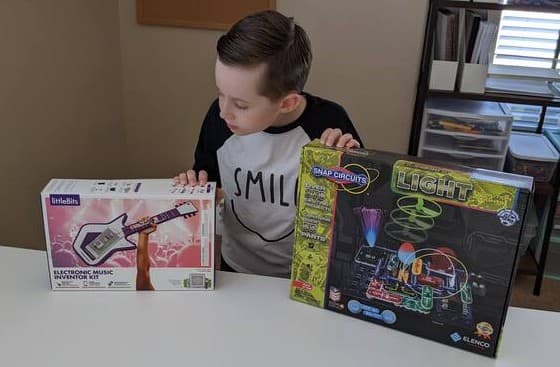
13. littleBits Electronic Music Inventor Kit
Merging technology with the arts, the littleBits Electronic Music Inventor Kit lets children construct and customize their own interactive musical instruments, such as a synthetic guitar. Using modular, magnetic electronic blocks and a companion coding app, kids can experiment with sound waves, frequency, and digital audio design.
14. Kid K’NEX Build-A-Bunch Set
Designed with safety and tactile development in mind, Kid K’NEX features chunky, soft, colorful plastic pieces that are easy for small hands to snap and twist together. Toddlers and young children can build animals, vehicles, and abstract structures, establishing early spatial awareness and fine motor coordination essential for future engineering studies.
15. Ravensburger GraviTrax XXL Marble Run
The GraviTrax XXL system redefines the classic marble run through a modular, hexagonal-grid architecture. Utilizing gravity, magnetism, and kinetic energy, builders can design intricate multi-level tracks that send marbles soaring through loops and curves. Completely screen-free and endlessly expandable, it exercises advanced physics and spatial planning skills.
Future Outlook
As the boundaries between digital interactivity and physical play continue to blur, the STEM toy market is projected to expand significantly over the coming decade. Future innovations will likely integrate augmented reality (AR) seamlessly with physical building blocks, allowing children to visualize electrical currents or structural stress points through digital overlays on physical creations.
For holiday shoppers, the early online rollout of Black Friday discounts provides an unprecedented window of opportunity. By planning purchases early, utilizing digital comparison tools, and selecting toys aligned with a child’s specific developmental milestones, families can secure high-value educational gifts that inspire a lifelong passion for science, technology, engineering, and mathematics.

