The landscape of holiday shopping has fundamentally shifted. Gone are the days when consumers waited in sub-freezing temperatures outside brick-and-mortar storefronts on the Friday following Thanksgiving. Today, the holiday shopping season kicks off much earlier, driven by major online retail shifts and a booming demand for educational entertainment. Nowhere is this transformation more pronounced than in the market for Science, Technology, Engineering, and Math (STEM) toys.
As modern parents and educators increasingly prioritize skill-building play over traditional, passive entertainment, retailers have responded by pushing steep discounts on advanced learning kits well into mid-November. This strategic pivot to online-first fulfillment reflects broader macroeconomic trends. Supply chain adaptations, the digitization of consumer habits, and a surging cultural emphasis on early childhood technical literacy have converged to make Black Friday a month-long digital shopping event.
This comprehensive report examines the top-performing STEM toys, learning kits, and robotics systems to watch this season. It breaks down the shift toward digital-first retail promotions and provides an authoritative guide for parents, educators, and gift-givers seeking maximum educational value and deep financial discounts.
Detailed Chronology: The Shift to Mid-November Online Retail
For decades, the standard retail calendar dictated a strict chronology: Thanksgiving marked the pause of autumn, followed immediately by the chaotic frenzy of Black Friday, culminating in Cyber Monday. However, the retail ecosystem has undergone a massive structural overhaul over the past several years.
Phase 1: The Logistics-Driven Shift (Early November)
Retailers first began pulling holiday promotions forward to alleviate logistical bottlenecks. With global supply chains facing unprecedented strains and consumer demand skyrocketing for items shipped directly to doorsteps, merchants realized that cramming all sales into a single 48-hour window was no longer sustainable. Consequently, "Black Friday in November" transitioned from a clever marketing gimmick into a necessary operational strategy.
Phase 2: The Digital-First Mandate (Mid-November)
By shifting the core of their promotional efforts to mid-November, major online marketplaces and specialized toy retailers successfully distributed server loads, shipping windows, and customer service inquiries across weeks rather than days. For educational toy buyers, this development is a significant win. Rather than panic-buying limited inventory on the official holiday weekend, shoppers gain prolonged access to deeply discounted robotics, chemistry sets, and logic puzzles.
This digital-first approach ensures that parents can carefully research products, compare reviews, and secure the best prices without navigating crowded retail aisles or dealing with out-of-stock notices on high-demand learning tools.
Supporting Context & Metrics: The Rise of STEM Learning Through Play
The appetite for educational toys is not merely a passing fad; it is a direct response to a rapidly changing global workforce. According to market analysts, the global STEM toys market continues to experience exponential year-over-year growth. Parents are investing heavily in toys that foster critical thinking, spatial reasoning, algorithmic logic, and scientific inquiry.
Unlike traditional toys that offer transient amusement, STEM products are designed to scale with a child’s cognitive development. A programmable robot purchased for a seven-year-old often transitions into a complex coding platform as the child ages. Because these items command higher initial price points due to the microchips, durable materials, and proprietary software involved, Black Friday and Cyber Monday have become the primary annual windows for families to acquire these valuable educational tools affordably.
Curated Guide: Top 15 STEM Toys and Learning Kits to Watch
To help navigate the vast array of discounts available this holiday season, our editorial team has evaluated the top-performing learning systems across robotics, chemistry, engineering, and logic.
1. mBot Neo (Makeblock)
Category: DIY Coding Robots
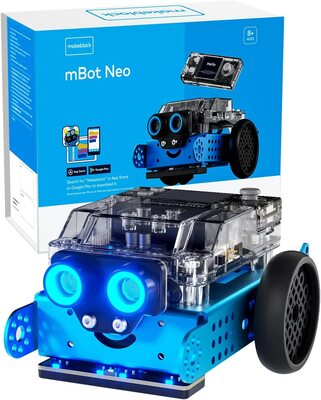
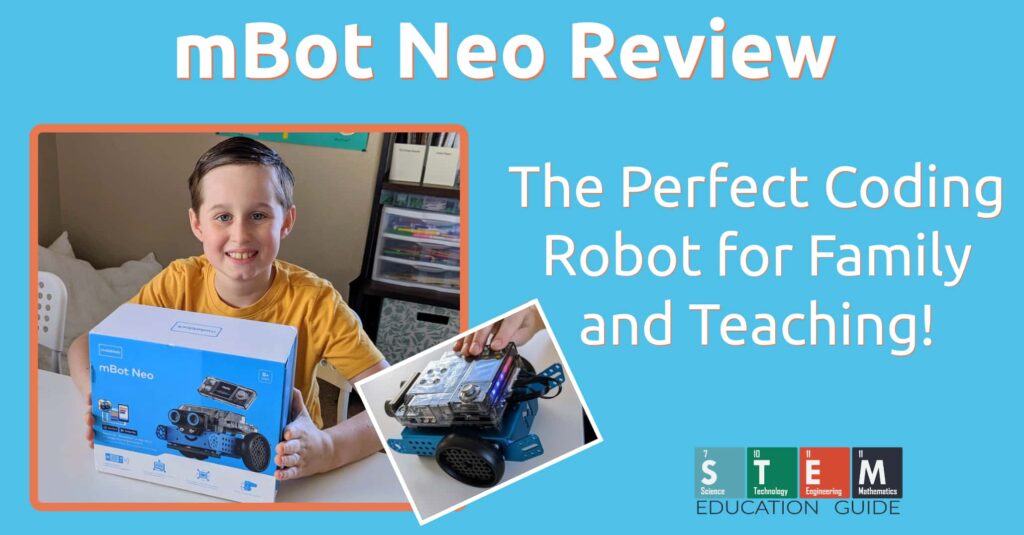
Overview: The mBot Neo is an exceptionally robust DIY coding robot constructed from high-grade aluminum and thick plastics. Kids assemble the physical hardware and then use a companion app to program movements, dances, lights, and sounds.
Why It Stands Out: For families seeking an entry point into robotics, the mBot Neo strikes an ideal balance between physical construction and digital programming. If a child is not yet ready to write code, the unit features preprogrammed activities accessible via a standard controller. It remains a premier choice for hands-on technical learning.
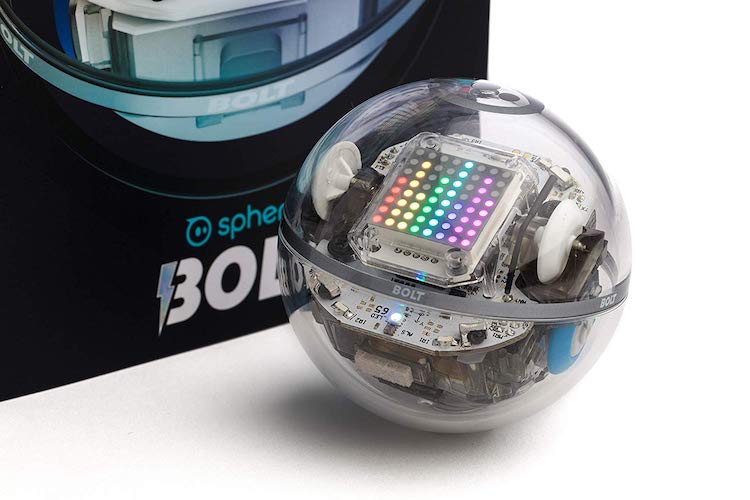
2. Sphero BOLT
Category: Programmable Robotic Spheres
Overview: The Sphero BOLT is a waterproof, shock-resistant, highly durable programmable robotic ball. Users write custom code on mobile devices, and the BOLT executes complex pathing, matrix display patterns, and sensor-based movements.
Why It Stands Out: Its rugged build quality makes it virtually indestructible under normal play conditions, appealing heavily to both home users and educators. The expansive ecosystem of online beginner-to-advanced coding guides ensures long-term engagement.
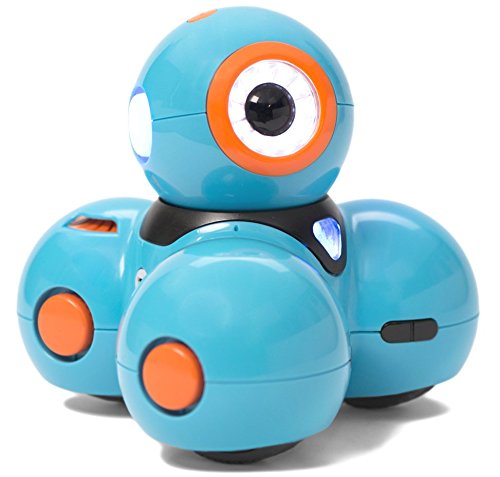
3. Wonder Workshop Dash
Category: Early Childhood Robotics (Ages 6+)
Overview: Dash is a nimble, highly expressive robot designed specifically for younger learners. Equipped with an onboard microphone for audio playback and responsive sensors, Dash encourages interactive play.
Why It Stands Out: Dash is engineered to eliminate parent-side intimidation. Built-in app challenges guide children seamlessly through sequential logic puzzles without requiring prior coding experience from the adult. Furthermore, Dash units can interact with one another, making them fantastic for multi-child households or neighborhood playgroups. Look out for bundled offers like the STEAM Creativity Bundle during holiday sales.
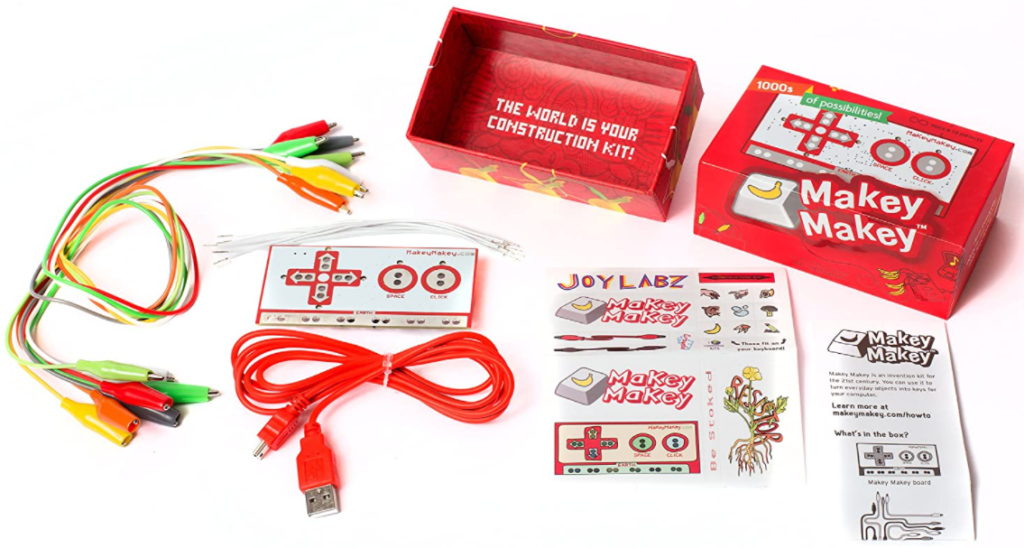
4. Makey Makey Invention Kit
Category: Hands-On Technology & Circuitry
Overview: Developed by JoyLabz, Makey Makey transforms everyday objects—such as bananas, playdough, or aluminum foil—into computer keys and touchpads.
Why It Stands Out: The brilliance of Makey Makey lies in its absolute simplicity. Requiring only the circuit board, alligator clips, a USB cable, and an active imagination, it bridges the gap between physical objects and digital software interfaces, making computer science concepts instantly accessible to young inventors.
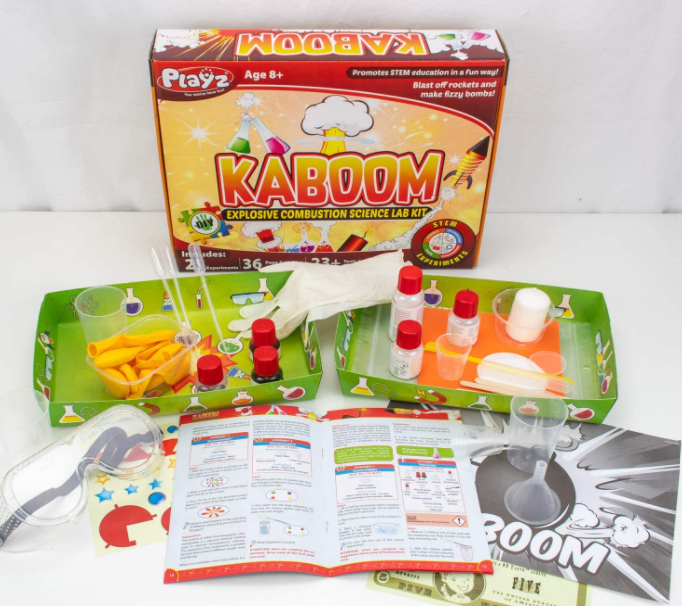
5. Playz Kaboom! Explosive Science Lab Kit
Category: Chemistry & Combustion Science
Overview: Featuring over 25 explosive and combustion-based experiments, this kit allows children to build model volcanoes, launch mini rockets, and create fireproof balloons outdoors.
Why It Stands Out: Science is brought to life through high-energy demonstrations. Crucially, the kit emphasizes the underlying chemical reactions, ensuring that children understand the scientific principles ("the why") behind every pop, bang, and fizz.
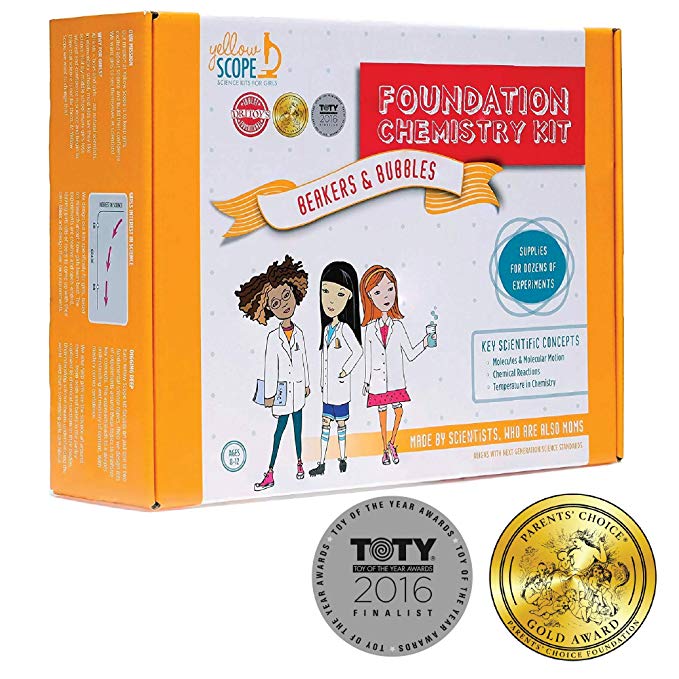
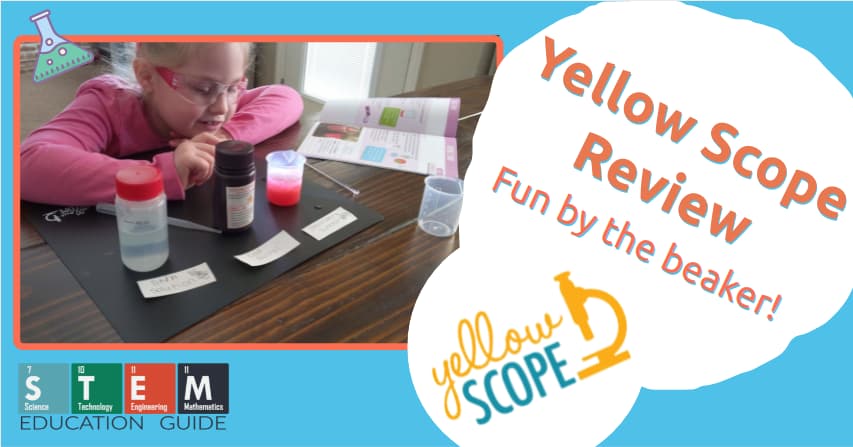
6. Yellow Scope Beakers & Bubbles Chemistry Kit
Category: Specialized Chemistry & STEM for Girls
Overview: Designed to spark interest in scientific careers often overlooked by young girls—such as cosmetic science—this rigorous kit explores the chemical formulation behind everyday beauty and body products.
Why It Stands Out: Yellow Scope develops curricula specifically designed to build confidence in female scientists. The rigorous, lab-grade equipment and comprehensive instructional guides offer a genuine, high-level scientific experience.
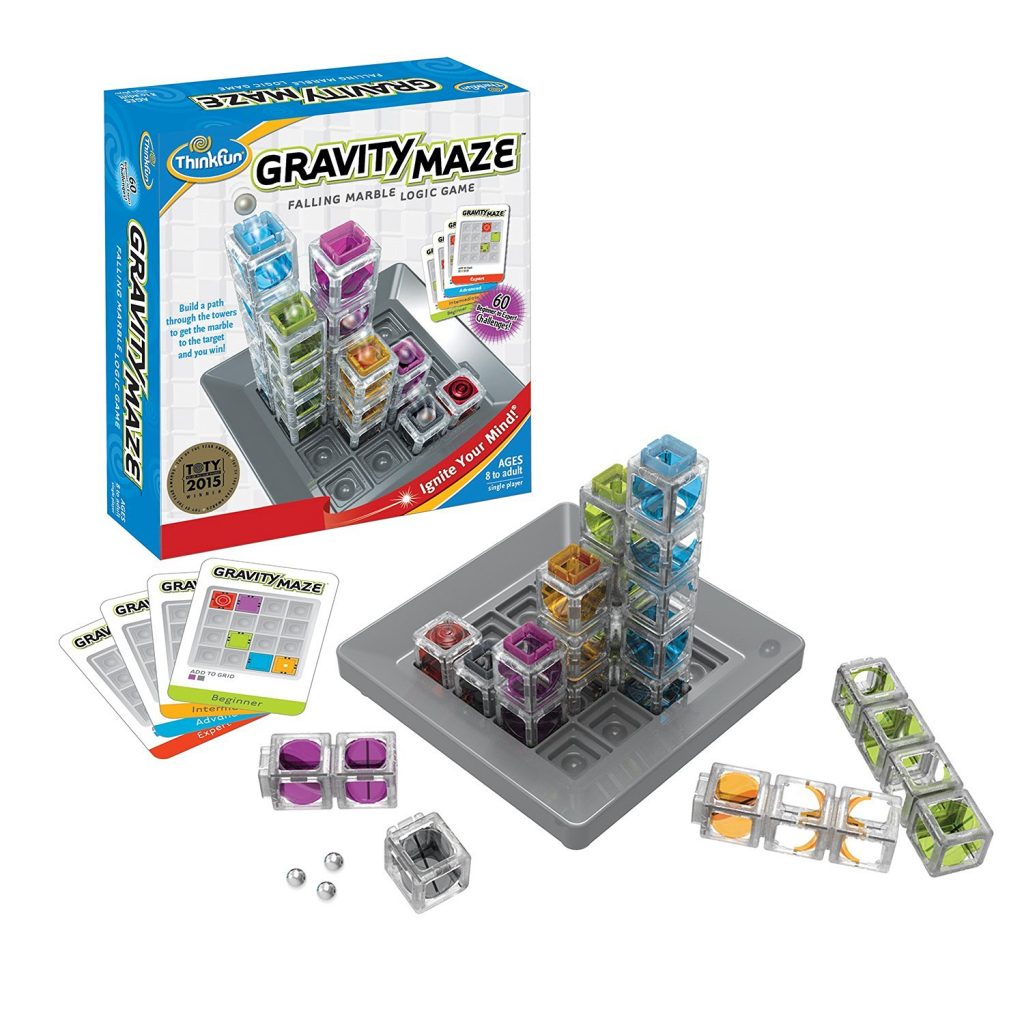
7. ThinkFun Gravity Maze Marble Run
Category: Logic Games & Spatial Reasoning
Overview: A hybrid logic game and marble run where players utilize challenge cards to construct vertical paths that guide a marble from start to finish.
Why It Stands Out: Requiring acute spatial reasoning and forward-planning, Gravity Maze is widely considered a gold standard for screen-free logic toys suitable for children aged eight and older.
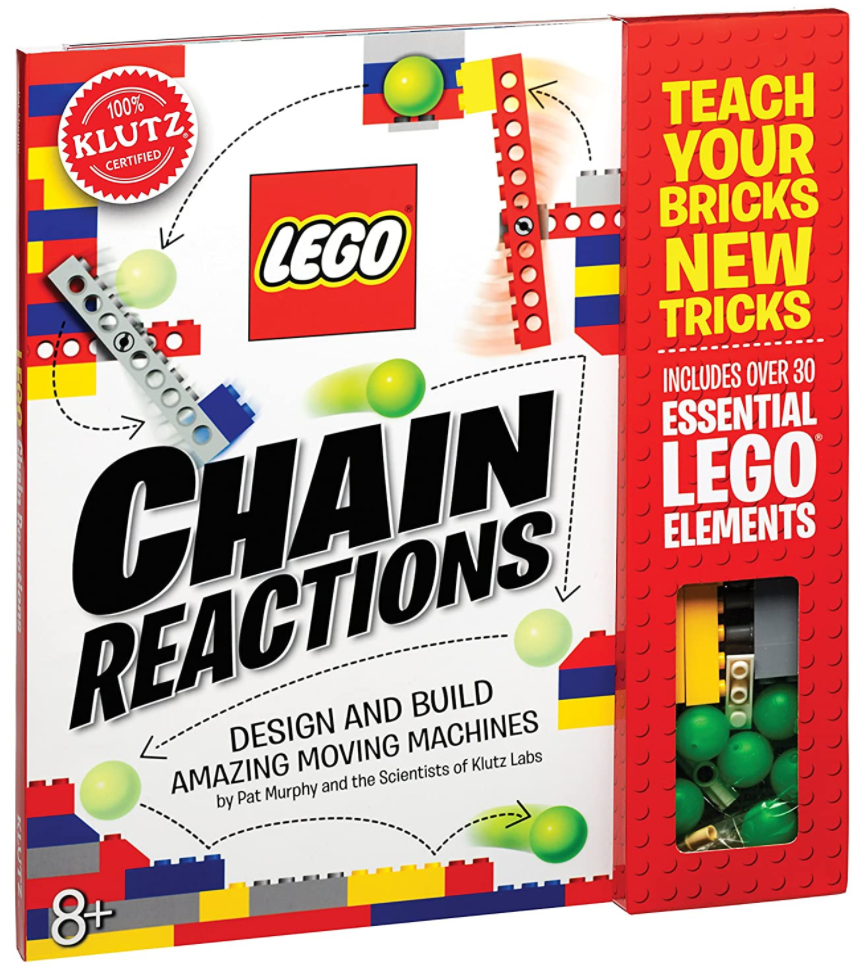
8. LEGO Chain Reactions Science Building Kit
Category: Engineering & Mechanical Physics
Overview: Published by Klutz in partnership with LEGO, this kit teaches basic mechanical physics by having children construct intricate Rube Goldberg-style contraptions using standard bricks and specialized components.
Why It Stands Out: Children experience immediate validation and confidence when they design a stationary structure that initiates a dynamic chain reaction of movement.
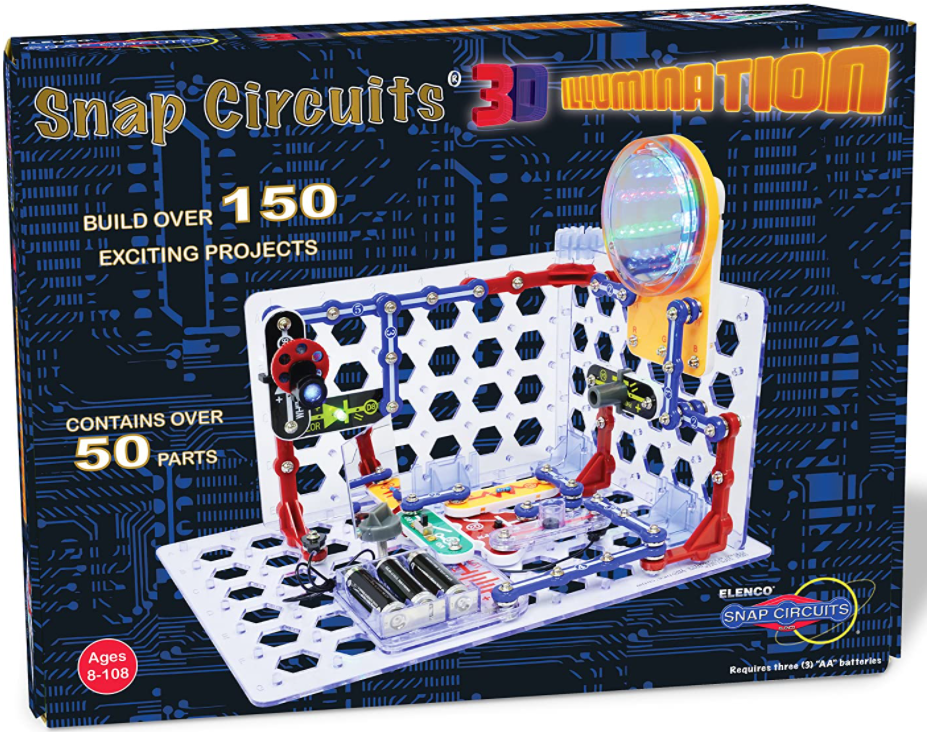
9. Snap Circuits 3D Illumination Electronics Exploration Kit
Category: Electrical Engineering
Overview: Snap Circuits systems allow children to safely snap together functional electronic components on a plastic grid to light up LEDs, spin fans, and generate sounds.
Why It Stands Out: This 3D Illumination edition adds vertical dimension and stunning visual aesthetics to standard circuit building, providing a hands-on masterclass in electrical currents and system design.
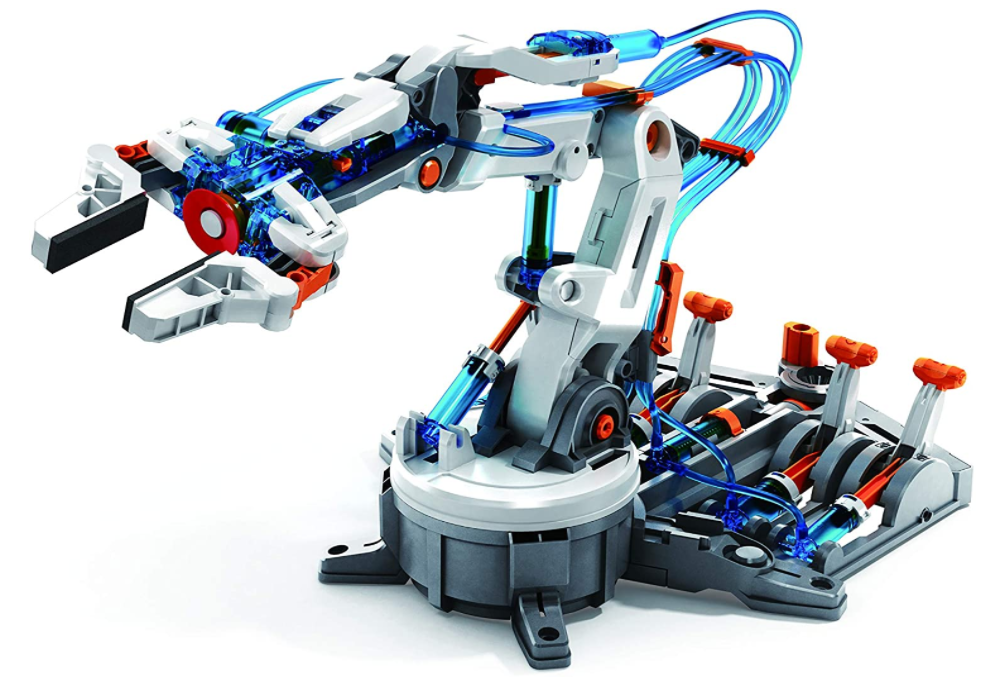
10. Elenco Teach Tech HydroBot Hydraulic Arm
Category: Renewable Energy & Mechanical Engineering
Overview: Utilizing water-filled hydraulic plungers and offering a 270-degree rotational radius, this build-it-yourself robotic arm teaches fluid dynamics and mechanical leverage.
Why It Stands Out: Operating entirely without batteries or motors, the HydroBot demonstrates the raw power of hydraulics and mechanical advantage through direct physical manipulation.
11. Botley The Coding Robot Activity Set
Category: Screen-Free Early Coding
Overview: Botley is an award-winning robot designed to teach core programming logic entirely without screens, tablets, or smartphones, utilizing a dedicated remote programmer instead.
Why It Stands Out: For parents seeking to minimize digital device exposure while maximizing technical education, Botley provides a friendly, approachable entry point into directional programming and algorithmic thinking.
12. Elenco Teach Tech Mech-5 Mechanical Robot Kit
Category: Advanced Mechanical Coding
Overview: The Mech-5 is a programmable mechanical robot that kicks, throws, draws, lifts, and spins based entirely on a physical coding wheel input.
Why It Stands Out: By eliminating electronic microchips in favor of pure mechanical programming, Mech-5 challenges older children to conceptualize mechanical logic and troubleshoot physical code errors hands-on.
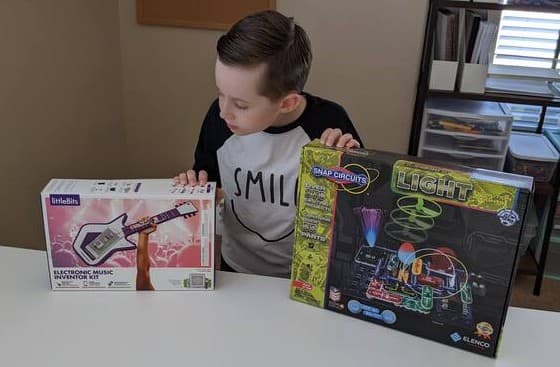
13. littleBits Electronic Music Inventor Kit
Category: Audio Engineering & Creative Technology
Overview: A modular electronic construction system that allows kids to build a playable electric guitar while exploring sound wave frequencies and digital programming via a companion app.
Why It Stands Out: It successfully merges the creative arts with technical engineering, making it a stellar collaborative project for small groups of children.
14. Kid K’NEX Build-A-Bunch Set
Category: Toddler Construction & Fine Motor Skills
Overview: Featuring 66 soft, chunky, colorful plastic pieces and connection gears, this set is tailored specifically for younger toddlers to construct animals, vehicles, and structures safely.
Why It Stands Out: It bridges simple block stacking with mechanical gear linkages, laying early foundations for spatial awareness and engineering design.
Overview: A completely modular, screen-free marble run built on a unique hexagonal grid system that tests gravitational physics and structural integrity.
Why It Stands Out: The hexagonal modularity forces children to carefully plan multidirectional elevations, magnetic cannons, and kinetic transfers, ensuring infinite replayability.
Official Statements & Industry Perspectives
Industry leaders and educational toy manufacturers have consistently noted that the democratization of online retail has positively impacted consumer behavior.
"The modern parent is no longer looking merely to pacify a child during the holiday season," notes a leading children’s educational media analyst. "There is an overwhelming market demand for toys that serve a dual purpose: deep engagement paired with verifiable educational outcomes. When retailers offer these items at promotional prices in November, it empowers families to invest in high-caliber learning systems that might otherwise stretch household budgets."
Retail executives echo this sentiment, emphasizing that digital-first rollouts allow customers to make deliberate, value-driven purchasing decisions rather than impulse buys driven by artificial scarcity on Black Friday proper.
Future Outlook: What Lies Ahead for Educational Retail
As we look toward future holiday seasons, several clear trajectories emerge within the STEM toy market:
Augmented Reality Integration: Expect to see an increasing fusion of physical toys with augmented reality (AR) smartphone applications, allowing children to visualize invisible forces like electrical currents or algorithmic loops interacting with their physical creations.
Sustainable Materials: Manufacturers are rapidly transitioning away from virgin plastics toward bio-based polymers, recycled woods, and eco-friendly packaging without sacrificing the durability required for complex mechanical kits.
Prolonged Promotional Windows: The era of the single-day Black Friday rush is officially behind us. Mid-November promotional kickoffs are now permanent fixtures of the retail calendar, benefiting budget-conscious families and thoughtful holiday shoppers alike.
By taking advantage of early November sales, parents and educators can secure industry-leading STEM toys—from programmable robots like the mBot Neo and Sphero BOLT to tactile physics kits like GraviTrax and Snap Circuits—at exceptional values, setting the stage for a season of inspired, educational play.