
Executive Overview
In the high-stakes environment of modern education, instructional coaching and administrative leadership are fundamentally driven by change. Whether implementing a newly adopted, rigorous reading curriculum, shifting instructional methodologies, or redesigning classroom environments, coaches and school leaders are consistently tasked with asking educators to alter their daily practices. Yet, these well-intentioned requests are frequently met with significant pushback.
Traditionally, educational systems have misdiagnosed this resistance as an inherent personal deficit belonging solely to the teacher. Labels such as "inflexible," "set in their ways," or "unwilling to adapt" have long dominated administrative post-mortems of failed professional development initiatives. However, acclaimed educator, author, and leadership coach Elena Aguilar challenges this long-standing paradigm in her ninth book, How to Coach Resistance: Turning Pushback Into Possibility.
Aguilar argues that resistance is not a static character flaw residing within an individual teacher, but rather a dynamic, reciprocal exchange between two people. By examining the emotional undertows, systemic performance gaps, and legitimate pedagogical objections that fuel pushback, Aguilar provides instructional leaders with a transformative roadmap. Her core thesis is fundamentally hopeful: because resistance is co-created within an interpersonal dynamic, coaches possess the agency to de-escalate tension, pivot away from defensive postures, and unlock genuine, sustainable instructional growth.
Detailed Chronology: The Evolution of Coaching Dynamics
To fully understand Aguilar’s modern methodology, it is necessary to examine how the landscape of educational coaching has evolved over the past several decades, moving from a culture of compliance to one of relational partnership.
Phase One: The Era of Compliance and Inspection (Late 20th Century)
Historically, classroom observation and teacher evaluation were rooted in a hierarchical framework. Principals and instructional supervisors functioned primarily as inspectors. Teachers viewed feedback with suspicion because it was directly tied to evaluation, retention, and punitive measures. Resistance during this era was rarely addressed openly; instead, teachers engaged in "compliance theater"—adopting administrative directives superficially while closing their classroom doors to maintain their autonomous teaching styles.
Phase Two: The Rise of Instructional Coaching (Early 2000s–2010s)
As schools recognized the limitations of evaluation-driven supervision, the instructional coaching model gained prominence. Schools hired specialists to collaborate with teachers, analyze student data, and model best practices. While this represented a massive leap forward, a critical blind spot remained: coaches were often trained extensively in content and pedagogy, but received little preparation in adult learning theory, emotional intelligence, or conflict resolution. When teachers pushed back against pedagogical recommendations, coaches frequently defaulted to authority or double-downed on their strategies, inadvertently triggering defensive feedback loops.

Phase Three: The Relational Turn and Emotional Awareness (Present Day)
With the release of How to Coach Resistance, Aguilar marks a definitive shift into a third phase of educational coaching—one that prioritizes emotional intelligence, psychological safety, and systemic empathy. Rather than viewing coaching as a clinical transfer of knowledge from expert to novice, Aguilar frames it as an intimate, collaborative negotiation of professional identity. This contemporary approach recognizes that instructional choices are deeply intertwined with a teacher’s emotional well-being, self-efficacy, and personal values.
Supporting Context & Metrics: Unpacking the Anatomy of Resistance
To dismantle the traditional stigma surrounding teacher pushback, Aguilar introduces frameworks that redefine how educators and leaders diagnose friction in the classroom. Her methodologies dismantle assumptions and replace them with precise diagnostic tools.
1. The Interpersonal Dynamic: Dropping the Hand
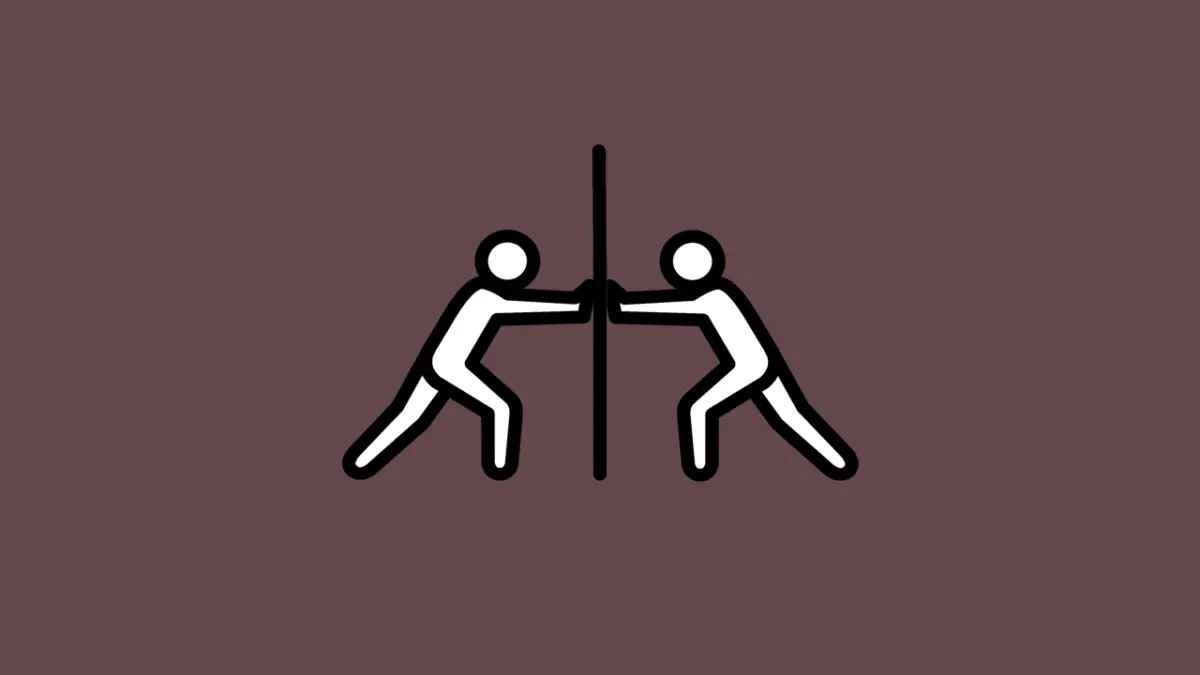
Aguilar uses a vivid physical metaphor to describe the pushback loop: two people pressing their palms against each other in a test of force. As the coach pushes for curriculum adoption or methodological change, the teacher pushes back out of fear, anxiety, or fatigue.
The breakthrough occurs when the coach chooses to "drop their hand"—abandoning the need to win the argument, defend the curriculum, or prove a point. By replacing coercion with radical curiosity ("What are your primary concerns regarding this material?"), the coach disarms the interaction. This pivot does not require the coach to surrender instructional standards; rather, it creates the relational space necessary to explore what is actually obstructing progress.
2. The ACE Framework: Navigating Emotional Undercurrents
When a coach successfully de-escalates tension, they frequently uncover a reservoir of unexpressed emotions. Aguilar’s ACE framework offers a systematic, three-step response protocol:
- Acknowledge Emotions: Eschewing the need for formal therapy, coaches can validate a teacher’s emotional state—such as fear, overwhelm, or shame—without judgment. Utilizing tools like Aguilar’s Core Emotions resource allows educators to pinpoint exact feelings rather than defaulting to broad expressions of frustration.
- Cultivate Compassion: Self-judgment is a primary barrier for struggling educators. By prompting teachers to consider what they would say to a trusted colleague in the exact same situation, coaches help foster self-compassion. Crucially, Aguilar stresses that coaches must model this self-compassion internally; an inauthentic invitation to grace falls flat.
- Expand the Story: Teachers often construct rigid narratives about their students’ capabilities or their own professional limitations (e.g., "These kids cannot handle rigorous text"). Coaches guide educators to unpack these underlying beliefs, review alternative interpretations, and consciously rewrite their instructional narratives.
3. The Gaps Framework: Diagnosing the True Barrier
When resistance persists into instructional planning, Aguilar’s Gaps Framework helps isolate the precise obstacle hindering implementation. She categorizes professional stumbling blocks into six distinct areas:

- Skill: The mechanical ability to execute a strategy.
- Knowledge: Understanding the foundational concepts behind a practice.
- Capacity: Having the requisite time, physical energy, or mental bandwidth.
- Will: The internal motivation or desire to enact the change.
- Emotional Intelligence: The self-regulation and interpersonal awareness required to navigate complex classroom dynamics.
- Cultural Competence: The awareness and responsiveness needed to bridge differences between educator and student backgrounds.
While struggling teachers are routinely mislabeled as suffering from a "will gap" (unwillingness to change), a closer diagnostic look frequently reveals an underlying knowledge or capacity gap. For instance, a secondary math teacher objecting to reading-heavy curriculum modules may simply lack formal training in disciplinary literacy—transforming what looked like defiance into an unmet professional development need.
4. Righteous Resistance: Validating Legitimate Objections
Crucially, Aguilar acknowledges that not all pushback is rooted in fear, emotion, or skill deficits. Sometimes, teacher resistance is entirely justified. When a kindergarten educator is instructed to force six-year-olds to sit passively on a rug for a mandatory sixty-minute instructional block, their pushback is rooted in a developmentally sound understanding of early childhood pedagogy.
In such scenarios, effective coaching requires validating the teacher’s ethical and professional stance. Even when instructional leaders lack the administrative authority to overturn district-wide mandates, they can help teachers evaluate their options, identify avenues for advocacy, and minimize the psychological toll of enforcing developmentally inappropriate practices.
Official Statements and Expert Insights
Reflecting on the core philosophy of her work, Elena Aguilar emphasizes that shifting one’s perspective on resistance is the ultimate catalyst for professional empowerment:
"What we experience as resistance is actually the dynamic between two people… If you don’t want to experience resistance, drop your hand. Stop exerting your own pressure against their pressure."
Aguilar expands on the liberating nature of this realization for instructional leaders:

"This is not to blame you… It is the most hopeful thing I can tell you, because it means resistance is not fixed. It is determined at least in part by what you bring into the room, and what you bring is something you can change."
Detailing the foundational posture required for effective modern coaching, Aguilar highlights partnership over prescription:
"I’m not here to judge you. I’m not going to tell you what to do. I want to be a partner. I want to help you work through this."
Future Outlook: The Next Wave of Educational Leadership
As school districts nationwide grapple with teacher retention crises, burnout, and mounting academic recovery pressures, the implications of Aguilar’s work are profound. The traditional top-down model of educational reform—characterized by rigid mandates, punitive evaluations, and zero-tolerance policies toward pushback—is increasingly proving unsustainable.
Looking ahead, progressive educational institutions are expected to integrate emotional intelligence training and conflict transformation frameworks directly into administrative certification programs and instructional coaching pipelines. By training leaders to view resistance not as an act of defiance, but as valuable diagnostic data, schools can foster environments characterized by psychological safety.
Ultimately, the future of instructional improvement relies on dismantling the adversarial walls that have historically separated teachers from coaches. When educational leaders trade coercion for curiosity, and judgment for compassion, they transform pushback from a professional roadblock into a powerful catalyst for collective growth and student achievement.

