
Executive Overview
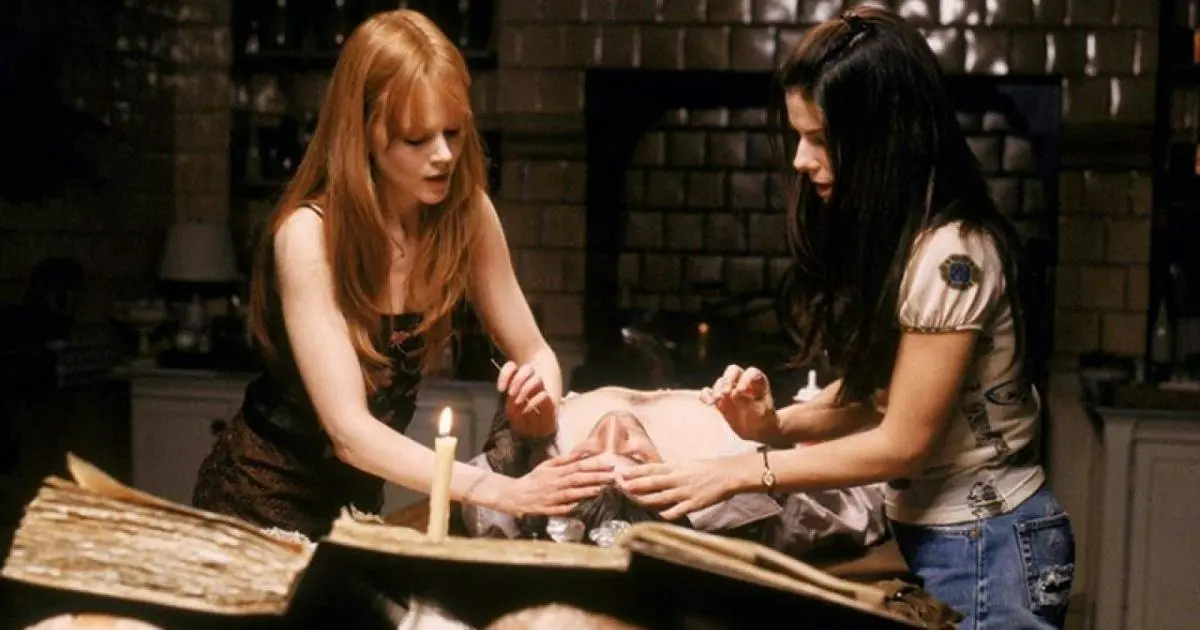
Few cinematic properties capture the intoxicating intersection of romance, sisterly solidarity, and the occult quite like Practical Magic. Released in 1998 and directed by Griffin Dunne, the original film adapted Alice Hoffman’s bestselling novel into a touchstone of late-century popular culture. Starring Sandra Bullock and Nicole Kidman as Sally and Gillian Owens—two sisters bound by blood, generational curses, and an extraordinary lineage of witchcraft—the film cemented itself as an alternative to the aggressive slasher tropes dominating autumn box offices.
Nearly three decades after its initial release, the cultural appetite for the Owens lineage has not waned. The theatrical premiere of Practical Magic 2 has reignited global interest in the franchise, proving that audiences continue to crave narratives centered on female empowerment, supernatural mystique, and unapologetic emotional depth. Despite historically lukewarm critical receptions—a trend that followed both the 1998 original and its recent successor—fans have consistently elevated these narratives, driving the sequel straight to the top of the box office.
This comprehensive report explores the trajectory of the Practical Magic franchise, examines the broader cinematic ecosystem of witchy and supernatural comfort-watches, and contextualizes the enduring psychological appeal of magic, sisterhood, and resilience in modern filmmaking.
Detailed Chronology: From Page to Screen and Beyond
To fully understand the cultural footprint of Practical Magic, one must trace its evolution from literary source material to a cinematic franchise spanning nearly thirty years.
1995–1998: The Genesis of Modern Cinematic Witchcraft
Alice Hoffman published her landmark novel Practical Magic in 1995, presenting a darker, more melancholic exploration of the Owens family curse—a hex ensuring that any man who falls in love with an Owens woman meets an untimely demise. Warner Bros. swiftly acquired the film rights, tapping screenwriters Akiva Goldsman, Robin Swicord, and Adam Brooks to adapt the sprawling multi-generational narrative into a streamlined feature film.
When the film hit theaters in October 1998, it blended coastal New England aesthetics, late-’90s bohemian fashion, and an atmospheric score by Alan Silvestri. While contemporary critics found the tonal shifts between domestic comedy and gothic tragedy jarring, the film found its true home on home video and cable television. It transformed into an evergreen seasonal favorite, celebrated for its cozy domesticity, iconic "midnight margaritas" sequence, and a stellar supporting cast featuring Stockard Channing and Dianne Wiest as the eccentric Aunt Jet and Aunt Frances.
2020–2026: The Renaissance of the Coven
As nostalgia for late-20th-century cinema reached a fever pitch in the 2020s, rumors of a Practical Magic sequel transitioned from internet speculation to Hollywood reality. Warner Bros. officially greenlit Practical Magic 2, securing the returns of both Sandra Bullock and Nicole Kidman.
Directed by Susanne Bier and written by Akiva Goldsman, the sequel brought back Channing and Wiest while introducing a new generation of Owens women portrayed by Joey King and Maisie Williams. Released to theaters this month, the film shattered initial skepticism by immediately capturing the number-one spot at the box office. While professional critics remained divided, audiences rallied behind the project, awarding it an emphatic 91% audience approval rating on Rotten Tomatoes.
Supporting Context & Metrics: The Box Office and Audience Disconnect
The financial and cultural trajectory of the Practical Magic franchise offers a fascinating case study in the growing divergence between professional film critics and general audiences.
Critical Reception vs. Audience Sentiment
| Metric / Milestone | Practical Magic (1998) | Practical Magic 2 (2026) |
|---|---|---|
| Opening Weekend Rank | Top 3 Box Office | #1 Box Office |
| Critic Approval (Rotten Tomatoes) | Mixed (~22%) | Mixed |
| Audience Approval (Rotten Tomatoes) | Cult Classic Status | 91% Approval |
| Core Themes | Sisterhood, Grief, Generational Curses | Curse-Breaking, New Generation, Legacy |
The persistent gap between critical evaluation and audience adoration highlights a fundamental truth about supernatural romance and comfort cinema: viewers prioritize emotional resonance, atmospheric world-building, and relational chemistry over rigid adherence to traditional narrative structures. Just as the 1998 original overcame poor initial reviews to become a beloved perennial classic, Practical Magic 2 has leveraged nostalgic goodwill and robust generational casting to conquer the modern box office.
Official Statements and Industry Insights
Industry analysts and creative stakeholders have weighed heavily on the cultural mechanics driving the success of the franchise. In recent interviews surrounding the release of Practical Magic 2, screenwriter Akiva Goldsman reflected on the unique challenges of revisiting a beloved classic:
"When we adapted Alice’s novel in the nineties, the goal was to ground the magic in the very real, messy experiences of grief and sisterhood. Returning to this world decades later required us to honor that emotional foundation while opening the door to a new generation. The Owens women aren’t just surviving the curse anymore; they are actively dismantling it."
Box office analysts note that the film’s dominance at the box office is part of a broader industry shift toward comforting, female-led IP. In an era dominated by high-octane action franchises and grim-dark streaming series, audiences are actively seeking what industry insiders term "sanctuary cinema"—films that offer emotional safety, aesthetic warmth, and a strong sense of community.
Future Outlook: Navigating the Witchy Cinematic Landscape
The triumphant return of the Owens family signals a robust future for supernatural drama, magical realism, and female-centric storytelling in Hollywood. As studios look for reliable intellectual property that appeals across generations, the success of Practical Magic 2 proves that witchy, romantic, and atmospheric storytelling remains intensely lucrative.
For fans who have exhausted the Owens sisters’ latest cinematic chapter, the broader cinematic ecosystem offers a rich tapestry of companion pieces. Whether exploring the campy nostalgia of Hocus Pocus (1993) and its 2022 sequel, the theatrical grandeur of Wicked (2024), or the earnest teenage rebellion of The Craft (1996) and The Craft: Legacy (2020), audiences continue to seek out narratives that explore the mystic, the uncanny, and the unbreakable bonds of chosen and biological family.
Ultimately, as Sally Owens famously advises, one must "always throw spilt salt over your left shoulder, keep rosemary by your garden gate, plant lavender for luck, and fall in love whenever you can." In the realm of modern cinema, falling in love with these magical worlds remains an enduring, irresistible spell.

