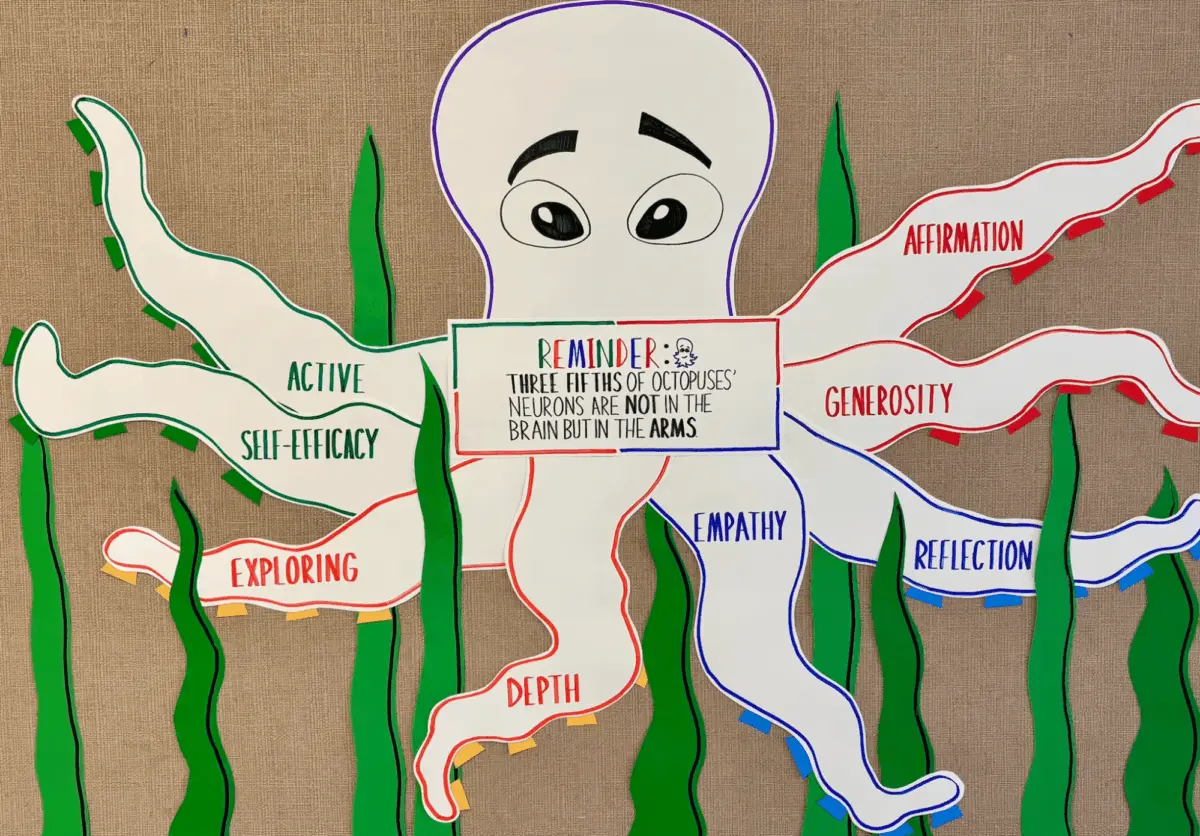
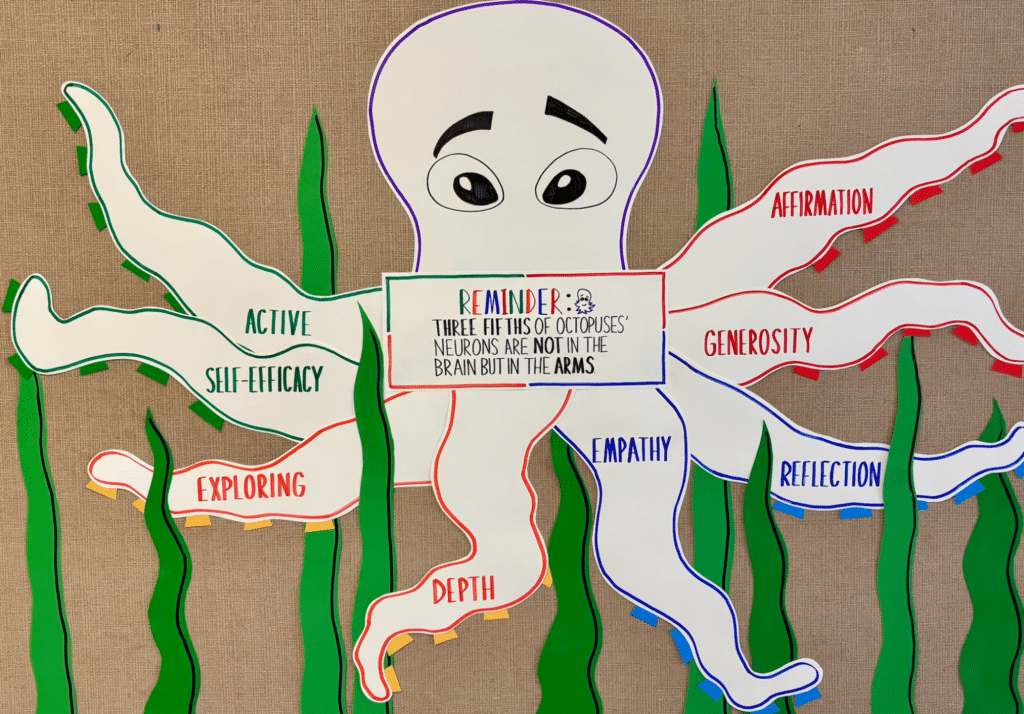
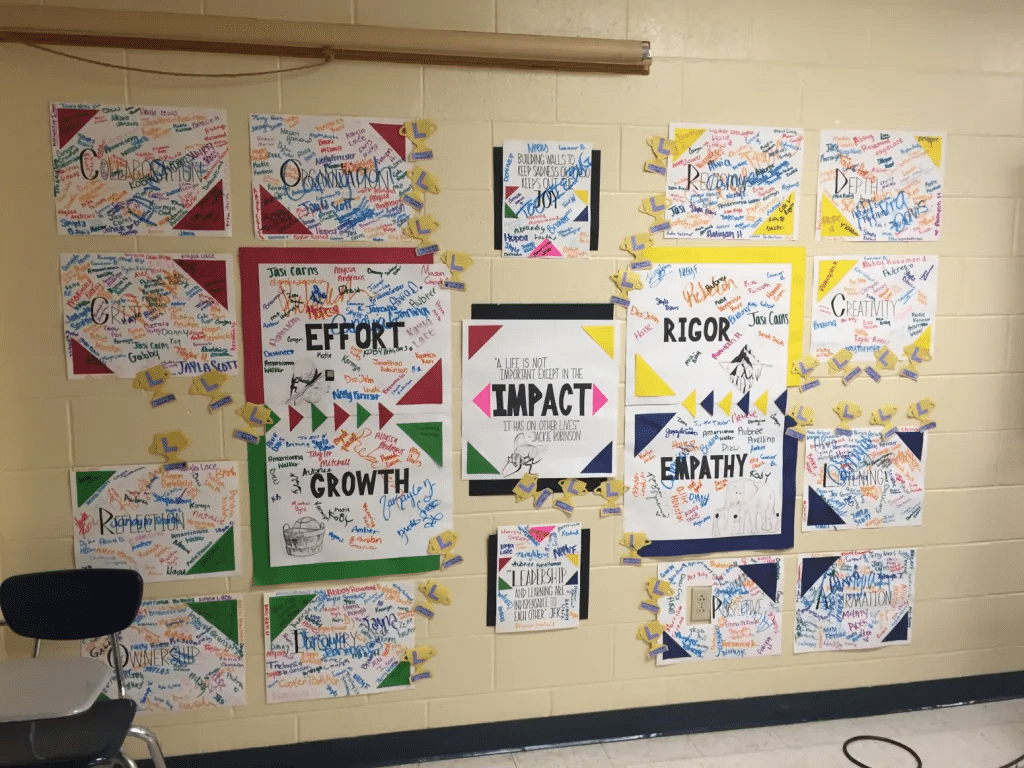
In an educational landscape increasingly dominated by standardized testing metrics, digital distractions, and institutional burnout, a quiet revolution is taking place on the walls of high school classrooms. Led by veteran educator Marcus Luther, a growing movement of teachers is redefining classroom management not through punitive measures or rigid rule-following, but through systemic peer affirmation. At the heart of Luther’s approach is a seemingly whimsical, yet profoundly impactful visual tool: "the octopus"—a sprawling wall mural of posters where student appendages represent core classroom values.
Over a decade of iterative development, Luther has transformed this creative display into a rigorous, data-informed system of anonymous peer recognition. Far more than a mere morale booster, the system addresses a fundamental psychological need in adolescent learners: the desire to be genuinely seen, valued, and understood by their peers. This investigative report explores the mechanics of Luther’s peer affirmation framework, examining how a simple weekly ritual bridges the gap between academic instruction and social-emotional learning, reshaping classroom dynamics from ninth-grade hesitation to Advanced Placement (AP) senior camaraderie.
Detailed Chronology: The Evolution of "The Wall"
The genesis of Luther’s peer affirmation system dates back more than a decade, rooted in cross-grade collaboration and educational observation. The framework’s timeline highlights its gradual evolution from a basic conceptual idea into a sophisticated pedagogical pillar:
Phase 1: Inspiration and Inception
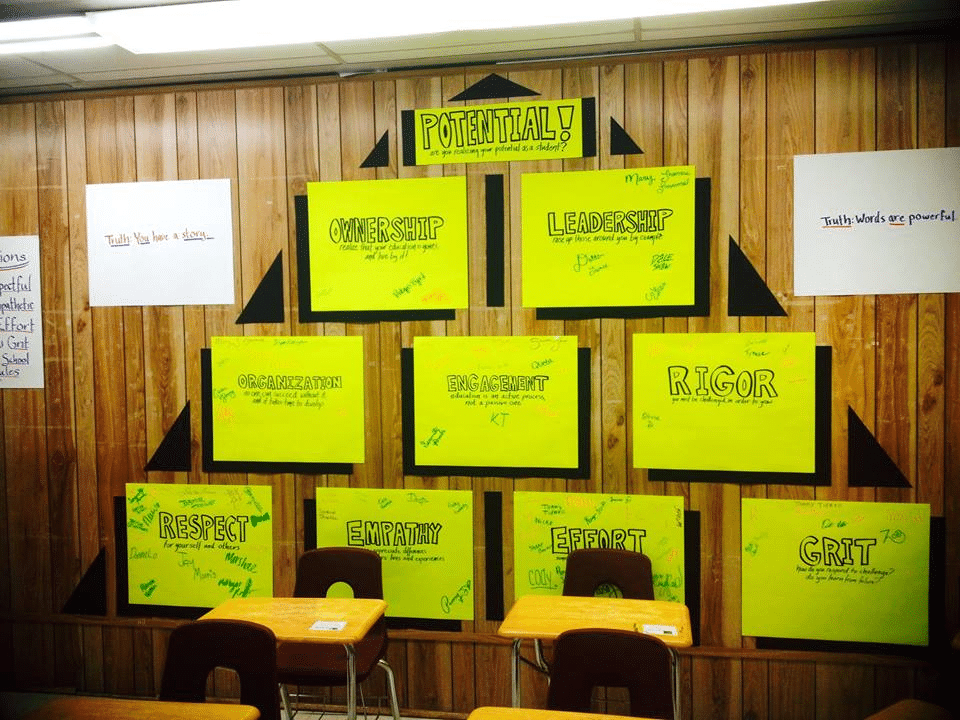
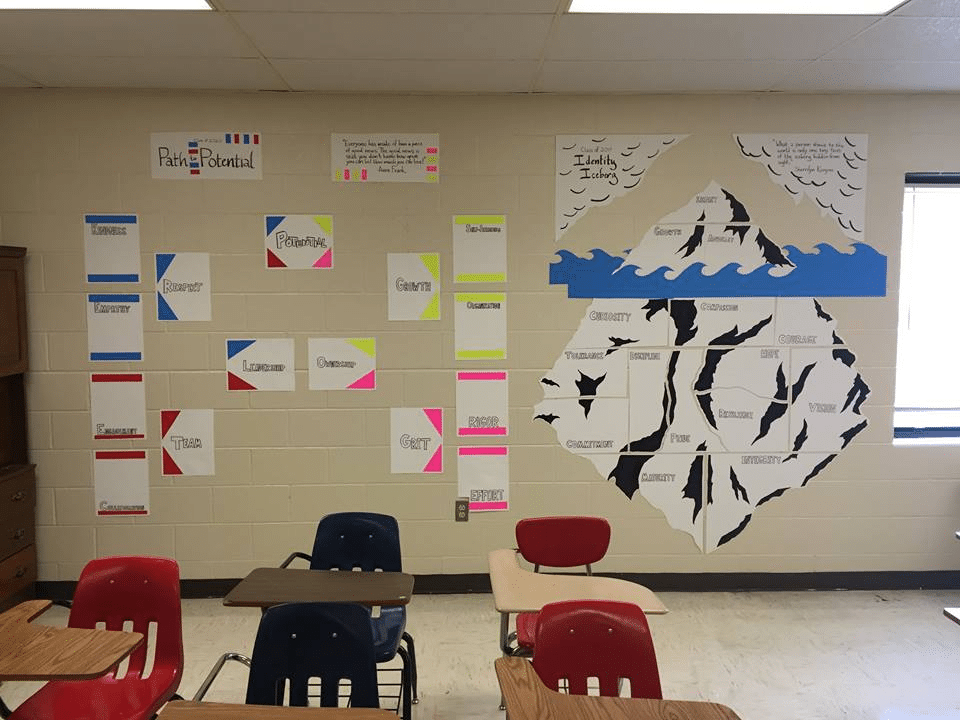
Luther’s first exposure to intentional community affirmation came during a classroom visit to his wife’s fifth-grade class. Observing her deliberate integration of positive peer-to-peer notes and prominent value displays, Luther recognized a vital missing link in secondary education. While elementary classrooms frequently utilize behavioral praise, high schools often abandon structured social-emotional positivity in favor of academic rigor. Determined to bridge this gap, Luther introduced his first iteration: a pyramid-shaped display inspired by legendary basketball coach John Wooden’s "Pyramid of Success."
Phase 2: Iteration and Scaling
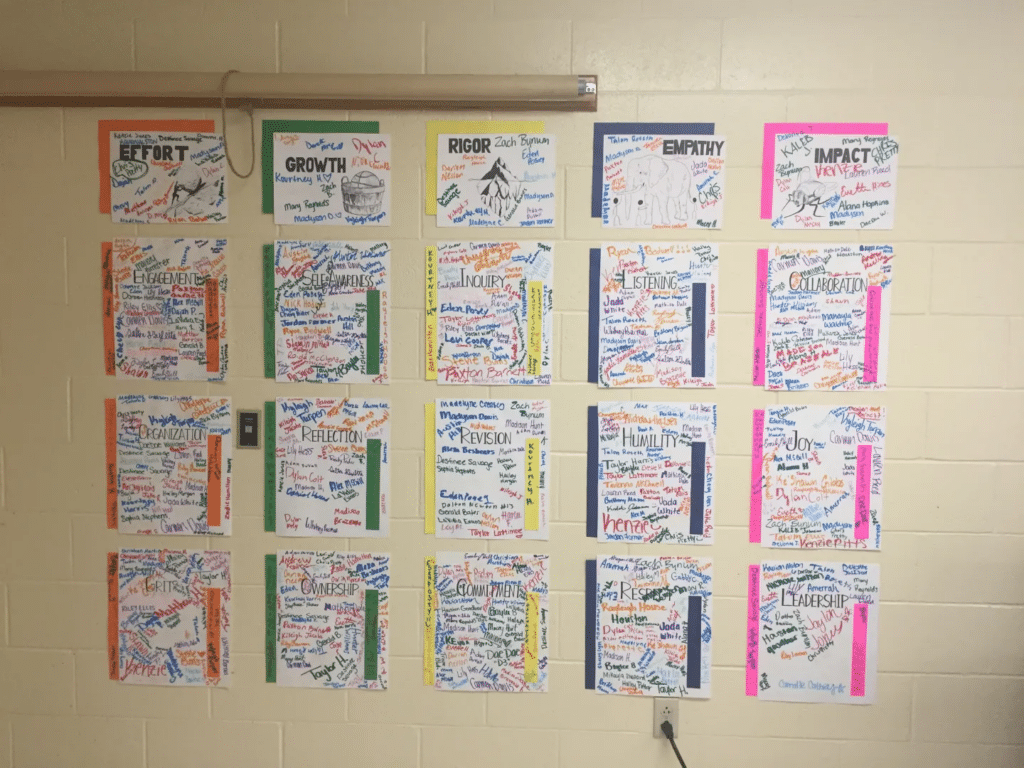
As Luther moved across different grade levels and classroom layouts, the framework underwent continuous refinement. The pyramid structure evolved into various geometric wall configurations designed to accommodate multiple class sections and hundreds of students annually. The logistical challenges were immense: managing core values across six distinct periods, totaling 150 to 180 students per year, required moving away from chaotic, impromptu beginning-of-the-year brainstorming sessions. Instead, Luther transitioned to an end-of-year reflection model where students dictate the values for the subsequent cohort, establishing a sustainable tradition of educational stewardship.
Phase 3: The Cephalopod Era and Digital Integration
In its current iteration, "the octopus" dominates a significant portion of Luther’s classroom wall. The transition to a digital backbone—utilizing Google Forms for anonymous nominations and Google Sheets for systematic tracking—transformed the project from a decorative art piece into an organized data archive. Today, the process is seamlessly integrated into regular weekly routines, culminating in the highly anticipated Friday ritual known simply as "signing the wall."
Supporting Context & Metrics: The Mechanics of Affirmation
To understand why Luther’s system succeeds where traditional reward charts fail, one must examine its three-fold architectural design. Implementing a peer affirmation system in a secondary setting requires careful planning across three distinct operational phases:
The foundation of the system rests on establishing clear, actionable values. Rather than scrambling to co-create values during the overwhelming first weeks of the academic year, Luther leverages end-of-year surveys from the previous cohort. Students reflect on which principles—ranging from active listening and intellectual depth to self-efficacy—held the most meaning for them.
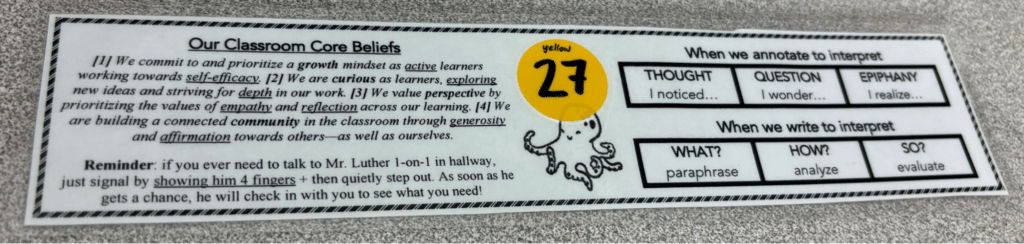
Luther deliberately settles on eight core values, a number uniquely suited to the octopus motif. While fewer values offer extreme simplicity (ideal for younger students), eight distinct pillars provide teachers with a wide behavioral "look-for" spectrum. This ensures that students do not prematurely exhaust the available spaces on the posters within the first month of instruction. Furthermore, these values are reinforced through subtle design choices, such as desk decals that embed core beliefs directly into the physical workspace.
2. The Nomination Process: Cultivating Authenticity
Introducing peer nominations requires careful timing. Luther waits two to three weeks into the school year, allowing foundational classroom trust to build through introductory team-building activities. The wall begins its life entirely blank—a deliberate pedagogical choice that sparks curiosity and mystery among incoming students.
When nominations officially open, transparency and safety are paramount. Nominations are strictly anonymous, a safeguard that encourages hesitant students to speak candidly without social anxiety. Utilizing a streamlined Google Form, nominators are required to provide three key pieces of data:
The name of the peer being nominated.
The specific core value being exemplified.
A detailed, qualitative explanation of how the peer demonstrated that value in the classroom.
To assist learners who may struggle with articulation, Luther provides historical exemplars and occasionally models the process by publicly nominating a student himself.
3. Data Management and the Friday Ritual
The administrative backbone of the system relies on meticulous tracking via spreadsheet architecture. Luther records every nomination, sorting them by value, period, and recipient. This creates a dual-purpose asset: it serves as a live database for weekly celebrations and acts as an objective behavioral archive over the school year.
Every Friday, the classroom transforms through a structured ritual. Luther pulls up his digital tracking sheet, selects a pen color unique to that specific class period, and prepares the class for "signing the wall." Reading a nomination aloud without initially revealing the recipient’s name creates palpable suspense.
For example:
"Every time I see them get called on or we go over answers, they always have an answer and go into great detail explaining their answer…"
(Pause)
"Signing the wall for self-efficacy… round of applause for Jose!"
The ensuing celebration—marked by peer applause, cheering, and the physical act of coming forward to sign the octopus tentacle—solidifies the affirmation into tangible memory.
Official Perspectives & Educator Insights
While critics of modern educational trends might assume high school students would reject such public displays as "cringe-worthy," classroom reality proves otherwise. Marcus Luther notes that even the most notoriously disengaged or cynical teenagers—ranging from rambunctious freshmen to extra-credit-obsessed AP seniors—ultimately embrace the ritual.
"If you as a teacher show that you care about it, then they will almost always follow suit," Luther observes.
Educators who have adopted similar peer affirmation models report distinct psychological and professional shifts:
Uncovering Quiet Impact: Teachers gain invaluable insight into classroom social structures, often highlighting introverted or overlooked students who quietly elevate the community through steady, consistent contributions.
Parent-Teacher Conferences: Parent-teacher meetings are radically transformed. Concluding a conference by reading anonymous praise from peers shifts the dynamic from remediation to celebration, leaving parents visibly moved as they hear how their children impact their peers.
Letters of Recommendation: For educators writing college or scholarship recommendations, the tracking spreadsheet becomes an invaluable repository of authentic, peer-vouched character traits, replacing generic praise with specific, behavior-based evidence.
As Luther emphasizes, "At the end of the day, you value what you make space for. And students notice." Despite occasional eye rolls or teenage posturing, the psychological footprint of being named and validated by one’s peers leaves a lasting impression. Stories of "too cool for school" sophomores rushing back to class on the final bell of the year just to ensure their final signatures make it onto the wall underline the profound emotional investment students develop in the process.
Future Outlook: Replicating the Framework in Modern Schools
As secondary institutions continue to grapple with post-pandemic socialization challenges, the demand for scalable, low-cost social-emotional interventions has never been higher. Marcus Luther’s peer affirmation system offers a blueprint that is both highly adaptable and remarkably resilient.
The future of this methodology lies in its digital-physical hybrid nature. By coupling analog artistic displays—such as Luther’s octopus mural—with automated digital forms and spreadsheet tracking, modern educators can minimize administrative friction while maximizing emotional impact. Future iterations of the model may see cross-class integrations, department-wide value harmonization, and digital portfolio integration where students carry their peer-affirmed character records with them into higher education and the modern workforce.
Ultimately, the enduring success of "signing the wall" proves that adolescents do not inherently reject vulnerability and praise; rather, they crave environments safe enough to express them. By institutionalizing peer affirmation, educators can transform the high school classroom from a space of mere academic transaction into a genuine community of mutual respect, strengthening the social fabric of education one tentacle at a time.