
Executive Overview
The moment an individual or couple announces a pregnancy, an invisible starting gun fires. Almost instantly, the expectant parents are thrust into a relentless, high-decibel symphony of well-meaning opinions, unsolicited advice, and competing cultural expectations. "You shouldn’t be eating that deli meat." "You must breastfeed exclusively." "You’re starting tummy time already?!"
For the modern parent, this cacophony of judgment creates a unique psychological landscape characterized by heightened anxiety and profound decision fatigue. Every single choice—from prenatal nutrition and sleep training methodologies to vaccination schedules and nursery decor—is scrutinized through the lens of what is theoretically "best for the baby."
However, beneath the overwhelming tide of external pressure lies a transformative silver lining. Navigating this deluge of advice forces parents to rapidly discern what truly matters to their individual family unit. Modern pediatric research, developmental psychology, and parental coaching trends increasingly point toward a singular, liberating truth: The definition of "best for baby" is not a monolithic, one-size-fits-all prescription. Rather, it is whatever choice fosters a sense of confidence, emotional equilibrium, and preparedness within the primary caregivers. When parents feel grounded, secure, and calm, that emotional state cascades directly down to the infant.
This paradigm shift extends far beyond major philosophical parenting choices; it deeply influences everyday logistical decisions, such as selecting diapers, wipes, and skin-care regimens. In an era where consumer transparency is paramount, brands are no longer just selling utility; they are offering peace of mind. Industry leaders like Pampers are responding to this cultural demand by re-engineering their product lines to prioritize rigorous safety testing, hypoallergenic formulations, and radical ingredient transparency. By stripping away potential irritants and placing safety metrics front and center, manufacturers are helping parents reclaim their autonomy.
Ultimately, navigating modern parenthood is not about achieving an impossible standard of perfection. It is about simplifying the daily routine, trusting one’s instincts, and recognizing that the single greatest asset a child can have is a parent who feels supported, rested, and confident.
Detailed Chronology: The Evolution of Modern Parenting Pressures and Product Safety Standards
To understand the current state of parental anxiety and the corresponding evolution of baby care products, it is instructive to examine how societal expectations and manufacturing standards have shifted over the past several decades.
The Mid-to-Late 20th Century: The Rise of Permissive vs. Scientific Parenting
- The 1950s–1970s: Parenting advice was heavily centralized around institutional figures like Dr. Benjamin Spock, whose work encouraged mothers to trust their common sense. However, this era also introduced the widespread commercialization of disposable diapers, which prioritized convenience over ecological or sensitive-skin considerations.
- The 1980s–1990s: As the information age began to dawn, media outlets, early parenting magazines, and specialized television programming introduced a new wave of standardized parenting advice. The concept of the "perfect parent" began to permeate cultural consciousness, introducing early versions of parental guilt regarding feeding choices, developmental milestones, and educational enrichment.
The Turn of the Millennium: The Digital Age and Information Overload
- The 2000s: The proliferation of high-speed internet, mommy blogs, and early online forums democratized parenting advice, but it also democratized judgment. Expectant parents went from receiving advice from local family members and pediatricians to drowning in global, 24/7 digital commentary.
- The 2010s: The rise of social media platforms transformed parenting into an aesthetic performance. Algorithms rewarded curated perfection, amplifying anxieties around developmental timelines, sleep regressions, and material consumption. Simultaneously, consumer awareness regarding chemical safety—specifically concerning parabens, phthalates, and synthetic fragrances—surged.
The Present Era: Radical Transparency and Simplified Wellness
- The 2020s: Modern parents are demanding unprecedented accountability from manufacturers. The post-pandemic landscape has heightened focus on household hygiene, minimalist routines, and mental health preservation for caregivers.
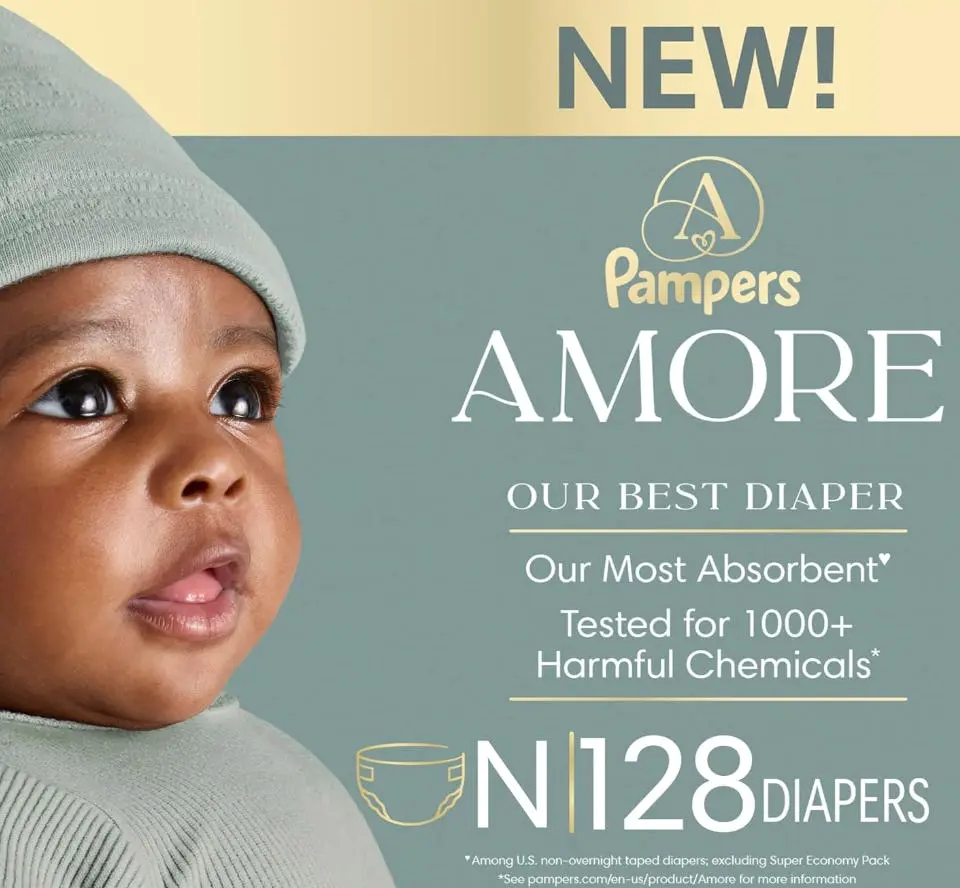
- Recent Developments: In response, legacy brands have completely overhauled their research and development pipelines. Innovations such as Pampers AMORE represent this historical pivot: moving away from heavily scented, chemically complex disposable goods toward rigorously tested, dermatologically accredited essentials designed to eliminate guesswork for the consumer.
Supporting Context & Metrics: The Anatomy of Modern Parental Stress and Consumer Demand
Understanding the psychological environment of contemporary parents requires examining quantitative data regarding stress, consumer expectations, and product safety benchmarks.
The Psychology of Decision Fatigue
According to recent studies in maternal and paternal mental health, new parents make an estimated 35,000 decisions a day—a staggering cognitive load that directly contributes to parental burnout. Decisions range from high-stakes medical choices to micro-decisions regarding diaper changes, soothing techniques, and clothing layers.
- The Impact of Unsolicited Advice: Surveys conducted by family health organizations indicate that over 85% of new mothers and fathers experience acute anxiety stemming from unsolicited advice provided by relatives, friends, and online communities.
- The Confidence Deficit: Research shows that when parents are subjected to constant external critique, their baseline self-efficacy plummets. Conversely, when caregivers feel in control of their logistical choices—such as selecting trusted, high-performance diapers and wipes—their reported stress levels decrease significantly.
Consumer Demands for Chemical Transparency
The market for baby care products has undergone a fundamental philosophical shift. Modern consumers are no longer willing to take manufacturer claims at face value.
- Ingredient Awareness: Market research indicates that over 70% of millennial and Gen Z parents actively inspect product ingredient labels for parabens, phthalates, artificial dyes, and synthetic fragrances before making a purchase.
- Safety Benchmarks: Premium product lines now undergo rigorous third-party validation. For instance, advanced disposable options like Pampers AMORE are tested against more than 1,000 potentially harmful chemicals, reflecting a new industry baseline where safety is proven rather than simply promised.
- Dermatological Accreditation: With infant eczema and skin sensitivities on the rise—affecting roughly 10% to 20% of children globally—accreditation from bodies like the Skin Health Alliance has become a critical trust metric for parents navigating the changing table.
Official Statements & Industry Insights
As the landscape of infant care shifts toward minimalism, safety, and psychological well-being for parents, industry leaders and child development experts are redefining what quality means in the 21st century.
Perspectives on Product Safety and Engineering
Industry engineers and product developers emphasize that the primary goal of modern baby care innovation is to remove friction from the daily routine.
"When designing for the modern nursery, our objective isn’t just to provide functionality; it’s to eliminate anxiety," notes a senior product development lead in family care innovation. "Parents shouldn’t have to wonder whether the materials touching their baby’s delicate skin are safe, nor should they have to worry about structural failures during the night. By utilizing rigorous chemical screening—testing against upwards of a thousand potential irritants—and incorporating advanced features like multi-layer absorbent cores and dedicated leak barriers, we allow parents to check a major worry off their mental list. When you know the diaper works and the materials are clean, you can focus your emotional energy where it truly belongs: bonding with your child."
Pediatric Insights on Skin Health and Routine Simplification
Dermatologists and pediatric health specialists continually stress the importance of simplicity when managing infant skin hygiene.
"The infant skin barrier is significantly thinner and more permeable than adult skin, making it highly susceptible to irritation from harsh chemicals, synthetic fragrances, and unnecessary additives," explains a leading pediatric dermatologist. "The clinical consensus strongly favors minimalist care regimens. Using wipes made with 99% purified water and avoiding common allergens like alcohol, parabens, and phthalates drastically reduces the incidence of contact dermatitis and diaper rash. Parents are constantly told they need an arsenal of specialized products, but clinical reality proves that simple, pure, and effective is almost always superior."
Mental Health Advocates on Parental Resilience
Psychologists specializing in perinatal and postpartum mental health highlight the critical connection between parental self-care and infant development.
"We talk incessantly about what is best for the baby, but we frequently overlook the foundational pillar of infant well-being: the psychological state of the primary caregiver," states a prominent family psychologist. "A parent who is perpetually exhausted, guilt-ridden, and second-guessing every micro-decision cannot provide the calm, attuned presence an infant requires. Simplifying everyday choices—such as opting for reliable, high-capacity diapers that prevent midnight leaks and stocking up on essentials to avoid last-minute panic—frees up vital cognitive bandwidth. The best gift a parent can give their child is a rested, confident version of themselves."
Future Outlook: The Next Generation of Parenting and Product Innovation
Looking ahead, the intersection of parenting culture, technological innovation, and consumer products is poised for continued transformation. As we move further into the decade, several key trends are set to define the experience of raising young children.
1. The De-Stigmatization of "Good Enough" Parenting
The cultural backlash against perfectionism is gaining momentum. The future of parenting culture is shifting away from curated aesthetic ideals and toward radical authenticity, mental health prioritization, and community support. Expectant parent education is increasingly incorporating mental health preparation alongside traditional topics like lactation and diapering, ensuring that caregivers are emotionally fortified for the realities of the postpartum period.
2. Hyper-Transparency and Smart Manufacturing
The demand for radical transparency will only accelerate. Future iterations of baby care products will likely feature even deeper supply chain traceability, allowing parents to verify the exact origin of materials and the carbon footprint of their purchases via digital ledgers or QR-code integration. Furthermore, safety testing protocols will continue to expand, setting higher global standards for chemical exclusion and hypoallergenic performance.
3. Holistic Ecosystems and Relief from Logistical Friction
The administrative burden of parenting—remembering to reorder supplies, managing sleep schedules, and tracking developmental milestones—is increasingly being addressed by holistic product ecosystems. Gift sets, subscription models, and curated registries like the Pampers Milestone Memories Gift Set point toward a future where brands act as logistical partners rather than mere commodity providers. By bundling physical essentials (diapers and wipes) with psychological keepsakes that encourage parents to pause and savor the moment, the industry is recognizing that modern caregiving requires nurturing the parent just as much as the child.
Conclusion
Ultimately, the noise of modern parenting will never fully disappear. Well-meaning advice, cultural expectations, and societal pressures will continue to swirl around every new mother and father. However, by embracing simplicity, demanding uncompromising safety standards from the products they bring into their homes, and prioritizing their own mental well-being, parents can successfully tune out the background music.
When you strip away the judgment and focus on what truly brings peace of mind—clean ingredients, reliable performance, and moments of quiet connection—the answer to what is "best for baby" becomes beautifully clear: It is whatever allows you to show up as the confident, rested, and authentic version of yourself.

