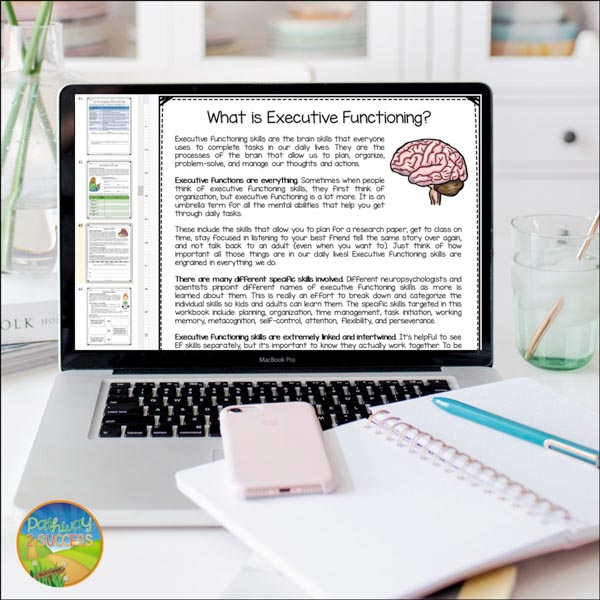
As classrooms nationwide prepare for the annual influx of eager minds, educators and administrators face a recurring challenge: bridging the gap between academic instruction and cognitive readiness. While traditional curricula focus heavily on core subjects like mathematics, literature, and science, a foundational set of cognitive processes often dictates whether a student will thrive or struggle. These are executive functioning (EF) skills—the neurological command center responsible for planning, working memory, impulse control, task initiation, organization, and time management.
When students possess a robust toolkit of executive functioning strategies, the back-to-school transition unfolds smoothly. Conversely, learners with underdeveloped EF skills often encounter a stressful, chaotic start to the academic year. Imagine the familiar scenario of a student who consistently misplaces critical assignments, or another who experiences acute anxiety simply trying to navigate a complex class schedule. These hurdles do not merely cause temporary discomfort; left unaddressed, they can erode academic confidence, derail academic progress, and create high levels of classroom stress for both students and educators.
Fortunately, modern educational research highlights a powerful antidote: intentional, explicit instruction and environmental design. By embedding executive functioning support directly into classroom routines from day one, educators can transform potentially chaotic transitions into structured opportunities for cognitive growth. This report provides an authoritative, comprehensive blueprint for educators, administrators, and support specialists looking to systematically integrate executive functioning frameworks into their back-to-school strategies.
Detailed Chronology: The Lifecycle of Executive Functioning Integration
Implementing sustainable executive functioning supports requires a structured, phased approach over the course of the academic year. Rather than treating EF skills as an afterthought or a reactive intervention, proactive educators weave these practices into the very fabric of the school day, progressing from initial environmental setup to ongoing self-regulation and reflection.
Phase 1: Pre-Term Preparation and Environmental Design (Weeks -2 to 1)
Long before students enter the classroom, the physical and procedural groundwork must be laid. An organized, predictable environment acts as an external anchor for developing brains.
Spatial Organization: Educators establish designated, clutter-free zones for all classroom materials. By involving students early in mapping out where supplies belong and practicing the mechanics of returning items to their proper homes, teachers model spatial organization in real-time.
Routine Establishment: Educators draft clear, step-by-step procedures for recurring daily activities—such as entering the room, transitioning between subjects, handing in homework, and packing up at the end of the day.
Phase 2: Explicit Instruction and Integration (Weeks 2 to 6)
Once baseline routines are established, the focus shifts to direct teaching. Executive functioning skills cannot be assumed; they must be taught with the same rigor and intentionality applied to reading comprehension or algebraic equations.
Direct Skill Lessons: Utilizing comprehensive, yearlong executive functioning curricula, teachers introduce foundational concepts like working memory, emotional regulation, and cognitive flexibility.
Curricular Embedding: Instructors intentionally link EF strategies to academic content. For instance, planning a multi-step science research paper is explicitly broken down into smaller, manageable milestones, teaching students how to outline, sequence, and manage their time effectively.
Phase 3: Continuous Monitoring and Reflection (Weeks 7 through End of Term)
As the school year settles into a steady rhythm, the emphasis transitions toward autonomy, self-monitoring, and metacognition.
Individualized Conferences: Educators conduct regular, brief check-ins with individual students to evaluate goal progress, assess strategy effectiveness, and refine organizational approaches.
Metacognitive Bookends: Mornings begin with predictable, low-stress bell-ringers and executive functioning prompts, while afternoons close with structured reflection periods where students evaluate what strategies worked, what challenges arose, and how to adapt moving forward.
Executive functioning is not an isolated psychological construct; it is the underlying engine driving all goal-directed behavior in school and beyond. Managed by the prefrontal cortex—a region of the human brain that continues developing well into young adulthood—these cognitive skills govern how students manage complex tasks, filter distractions, and regulate emotional responses.
Executive Function Component
Classroom Manifestation
Back-to-School Vulnerability
Working Memory
Retaining multi-step verbal instructions.
Forgetting assignment parameters when transitioning classes.
Inhibitory Control
Resisting distractions and maintaining focus.
Interrupting peers or losing focus during independent work.
Cognitive Flexibility
Adapting to schedule changes or unexpected errors.
Experiencing high anxiety when routine or plans shift.
Planning & Prioritization
Sequencing tasks for long-term projects.
Becoming overwhelmed by the sheer volume of homework.
Research in developmental psychology underscores that the back-to-school season places an unprecedented cognitive load on children and teens. Transitioning from unstructured summer environments to highly regulated, fast-paced school days depletes mental energy. When students lack explicit instruction in coping mechanisms, this cognitive fatigue often manifests as behavioral outbursts, school avoidance, or academic underachievement.
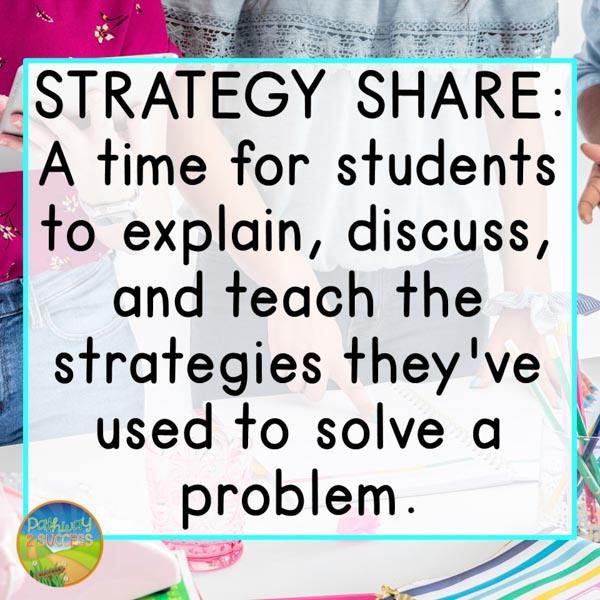
Moreover, empirical data reveals that explicit integration of executive functioning strategies yields significant gains in academic resilience. Classrooms that prioritize predictable schedules, regular strategy shares (where students teach peers their problem-solving methods), and explicit emotional regulation techniques report lower rates of classroom disruption and higher levels of intrinsic motivation.
Official Statements and Educational Insights
Leading voices in educational psychology and special education emphasize that executive functioning support is a matter of equity and accessibility. Rather than viewing EF challenges as character flaws or lack of effort, progressive educators recognize them as developmental delays in neurological self-regulation that require targeted scaffolding.
"Executive functioning skills are the invisible scaffolding of learning. When we assume students intuitively know how to plan, organize, and regulate their attention, we set many of them up for failure. By making these processes explicit, visible, and practiced, we level the playing field for every learner in the classroom."
— Child Development and Educational Psychology Consortium
Educators who have successfully overhauled their classrooms to center around executive functioning report transformative shifts in classroom culture. By normalizing discussions around cognitive hurdles—such as admitting when a task feels overwhelming or sharing alternative memory tricks—teachers foster a growth mindset. When instructors openly share their own real-life executive functioning strategies, it destigmatizes the learning process, assuring students that making mistakes and adjusting one’s approach is a natural part of intellectual growth.
Practical Implementation Frameworks for Educators
To operationalize these insights, teachers can leverage a variety of targeted, evidence-based practices designed to bolster executive functioning from the very first day of school.
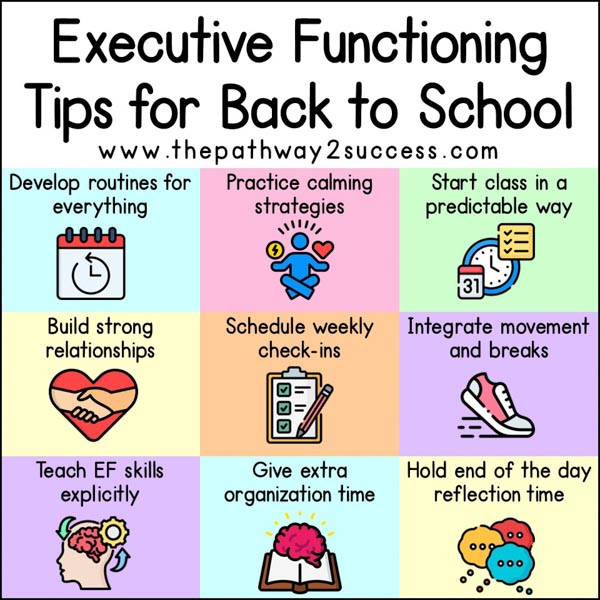
1. Calming and Self-Regulation Strategies
Optimal learning cannot occur when a student’s nervous system is hijacked by stress, anxiety, or emotional overwhelm. Because children and teens rarely possess innate toolkits for emotional self-regulation, educators must explicitly teach calming techniques.
Implement evidence-based breathing exercises, grounding techniques, and mindful movement breaks.
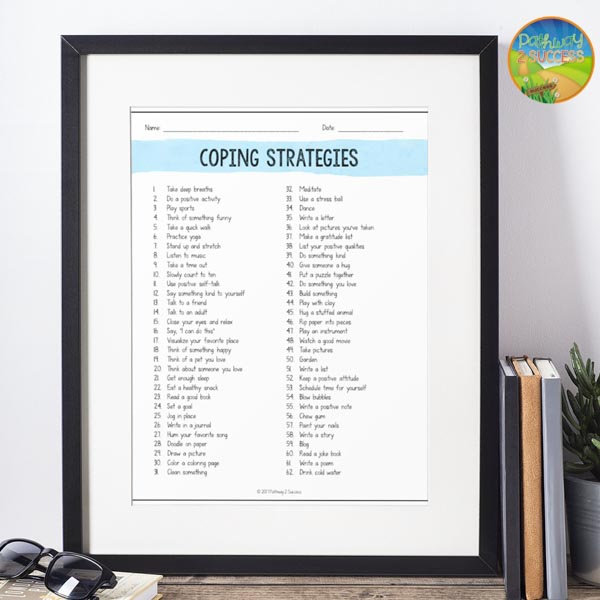
Utilize free coping strategy lists as visual reminders, allowing students to independently select a reset activity when experiencing frustration or fatigue.
Treat movement not merely as a reward or recess activity, but as an essential cognitive mechanism. Incorporate kinesthetic learning—such as station-to-station writing rotations or active math fact drills—to enhance focus and self-regulation.
2. Predictable Routines and Schedule Management
Cognitive resources are conserved when environments are predictable. When learners know exactly what to expect, they waste less mental energy wondering what comes next.
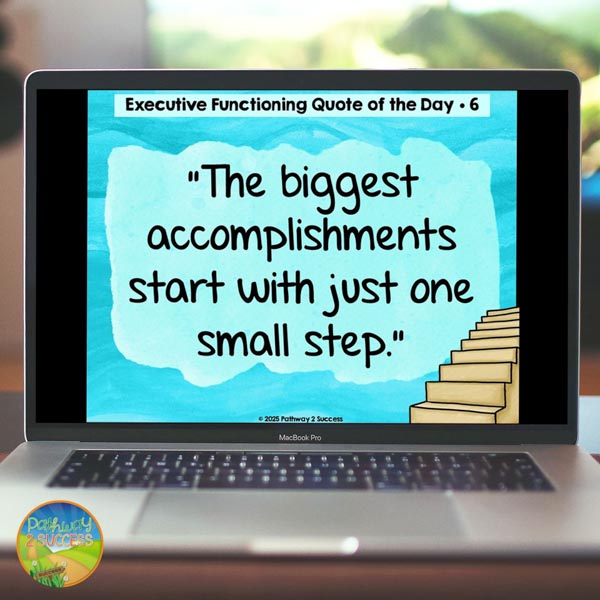
Morning Anchor Activities: Begin the day with consistent, predictable bell-ringers, motivational quotes of the day, or executive functioning word-of-the-day slides.
Schedule Transparency: Display daily schedules prominently in the classroom. When deviations occur due to assemblies or special events, preview these disruptions well in advance to accommodate students who struggle with cognitive flexibility.
3. Fostering Metacognition and Self-Monitoring
Self-monitoring is the vital ability to pause, evaluate one’s current trajectory, and course-correct before a goal is derailed.
Teach students how to use quick self-check rubrics during assignments.
Build in dedicated strategy-share sessions where learners articulate the specific tactics they used to solve complex problems, cross-pollinating ideas across the peer group.
Conclude each day with brief reflection questions that prompt students to evaluate what worked well and what adjustments are needed for the following day.
4. Prioritizing Holistic Student Health and Relationships
Cognitive performance is inextricably linked to physical well-being and social connectedness.
Healthy Habits: Educate students and families on the profound impact of proper nutrition, hydration, and restorative sleep on focus, memory, and emotional control.
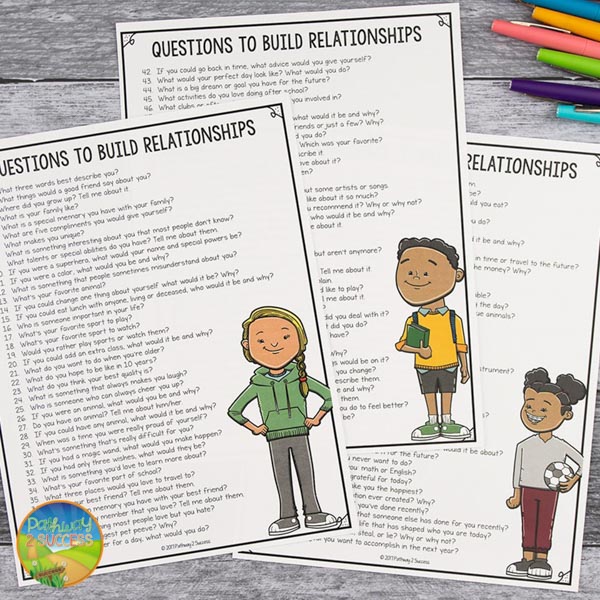
Community Building: Cultivate safe classroom environments through intentional relationship-building activities. Using structured conversation starters helps students build trust with peers, enabling them to take healthy academic risks, accept constructive feedback, and embrace collaborative challenges.
Future Outlook
As the educational landscape continues to evolve, the integration of executive functioning frameworks into standard school curricula is shifting from an optional accommodation to an essential pillar of modern pedagogy. As class sizes fluctuate and technological distractions increase, the ability to self-regulate, focus, and plan effectively will only grow in importance.
Looking ahead, schools that embrace proactive executive functioning training will likely see sustained improvements in academic performance, emotional well-being, and long-term student independence. By investing time during morning meetings, study halls, and subject-area lessons to explicitly teach these vital cognitive tools, educators do more than prepare students for their next grade level—they equip them with a lifelong framework for navigating complexity, overcoming adversity, and achieving personal success.