
Executive Overview
As the academic year approaches, educators, instructional specialists, and homeschooling parents face the perennial challenge of preparing stimulating, highly structured, and supportive learning environments. The transition from the unstructured days of summer back to the rigorous rhythm of the classroom requires meticulous planning, reliable diagnostic tools, and an abundance of engaging pedagogical resources.
To mitigate the stress traditionally associated with this transitional period, educational platforms have increasingly turned to digital distribution models, offering a wealth of downloadable content designed to streamline classroom management and elevate student achievement. Among these resources, platforms like This Reading Mama—spearheaded by veteran educator Becky—have emerged as vital digital hubs. Offering an extensive repository of free back-to-school printable resources, organizational frameworks, and diagnostic tools, these digital toolkits aim to equip teachers of all experience levels with the assets necessary to foster inclusive and academically rigorous classrooms from day one.

This report provides an in-depth examination of the essential back-to-school resources currently available to educators, analyzing everything from social-emotional learning posters and foundational phonics assessments to budget-friendly classroom organization hacks. By synthesizing these assets into a cohesive pedagogical strategy, schools can ensure a smoother, more effective start to the new academic year.
Detailed Chronology: The Evolution of Back-to-School Resource Planning
The methodology of preparing for a new school year has undergone a profound transformation over the past two decades. Historically, teachers relied heavily on physical textbooks, mass-produced commercial workbooks purchased out-of-pocket, and physical bulletin boards assembled over weeks of late-summer classroom setup.

The Digital Shift (Early 2000s – 2015)
- The Rise of Teacher Blogs: As the internet matured, educators began sharing self-created worksheets and classroom management strategies via personal blogs. This peer-to-peer knowledge sharing democratized access to high-quality teaching materials.
- Introduction of PDF Distribution: Educational creators began standardizing their materials into portable document formats (PDFs), allowing teachers to instantly print specialized worksheets, flashcards, and posters rather than waiting for bulk shipments of instructional materials.
- Focus on Differentiation: Early digital resources primarily focused on basic drill-and-practice worksheets. However, as educational research emphasized differentiated instruction, resource creators expanded their offerings to include multi-tiered assessments and specialized learning folders.
The Modern Era of Comprehensive Digital Hubs (2015 – Present)
- Integrated Resource Ecosystems: Contemporary platforms no longer offer isolated worksheets; instead, they provide interconnected suites of tools. A modern back-to-school resource kit typically encompasses diagnostic screeners, visual anchor charts, thematic activities, organizational guides, and digital media recommendations.
- Subscription-Based Customization: To better serve niche demographics—ranging from preschool educators to upper-elementary homeschoolers—platforms have introduced targeted newsletter subscriptions and resource libraries, ensuring that educators receive materials precisely calibrated to their grade bands.
- Emphasis on Cost Efficiency: With school districts perpetually navigating tight budgetary constraints, the demand for high-quality, free-to-access digital printables has reached an all-time high, positioning independent teacher-creators as indispensable allies to modern education professionals.
Supporting Context & Metrics: The Anatomy of a Successful Classroom Launch
Preparing a classroom requires a delicate balance between academic rigor and emotional safety. Educational research consistently demonstrates that the first few weeks of school set the tone for the entire academic year. Consequently, resource allocation during this period must be strategically targeted across several key domains: visual learning environments, diagnostic assessment, foundational skill-building, and operational organization.
1. Visual Learning Environments and Social-Emotional Support
Classroom walls should function as active instructional tools rather than mere decoration. Anchor charts, homophone visual guides, and social problem-solving posters serve as constant reference points for students, promoting independent learning and conflict resolution.
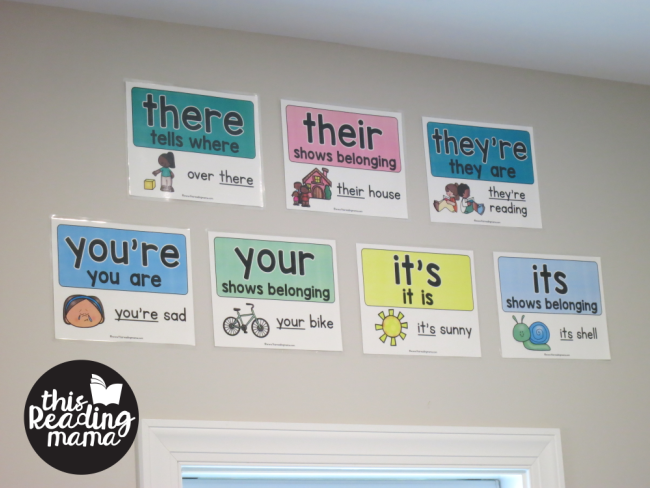
- Social Problem-Solving Frameworks: Equipping learning spaces with step-by-step visual guides empowers students to navigate interpersonal conflicts constructively, reducing behavioral disruptions and fostering a positive classroom culture.
- Homophone and Literacy Anchors: Visual aids placed strategically above whiteboards or reading corners provide unconscious, repeated exposure to complex linguistic rules, aiding long-term memory retention for struggling readers and English language learners (ELL).
2. Diagnostic Screeners and Early-Year Assessments
Effective teaching begins with accurate baseline data. Without proper screening tools, educators risk misidentifying student learning gaps or failing to challenge advanced learners.
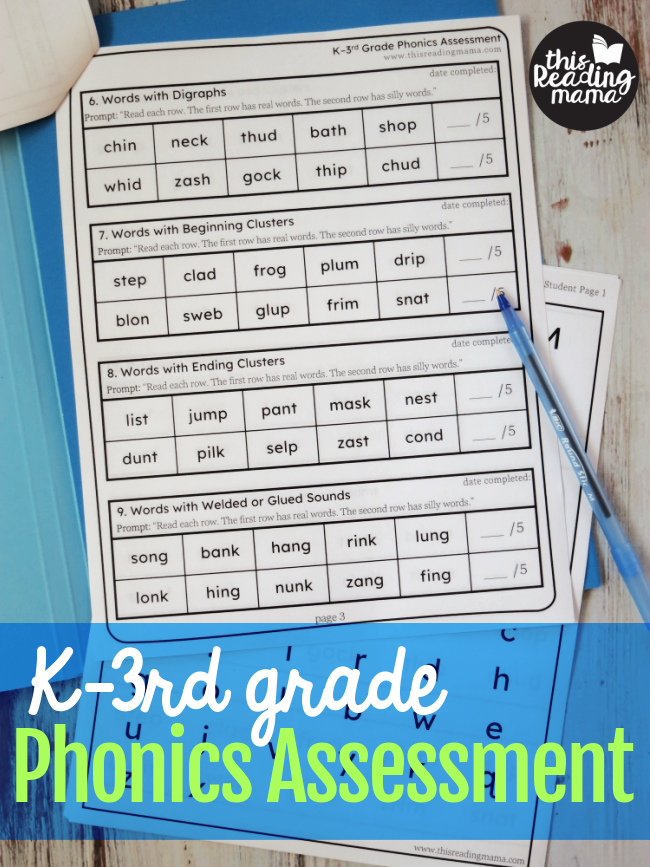
- K-3 Phonics Assessments: Structured phonics screeners enable teachers to evaluate decoding abilities, letter-sound correspondence, and phonemic awareness within the first weeks of school.
- Data-Driven Grouping: Utilizing standardized early assessments allows educators to form flexible reading groups immediately, ensuring targeted intervention for at-risk students and enrichment for accelerated learners.
3. Thematic Activities and Engagement
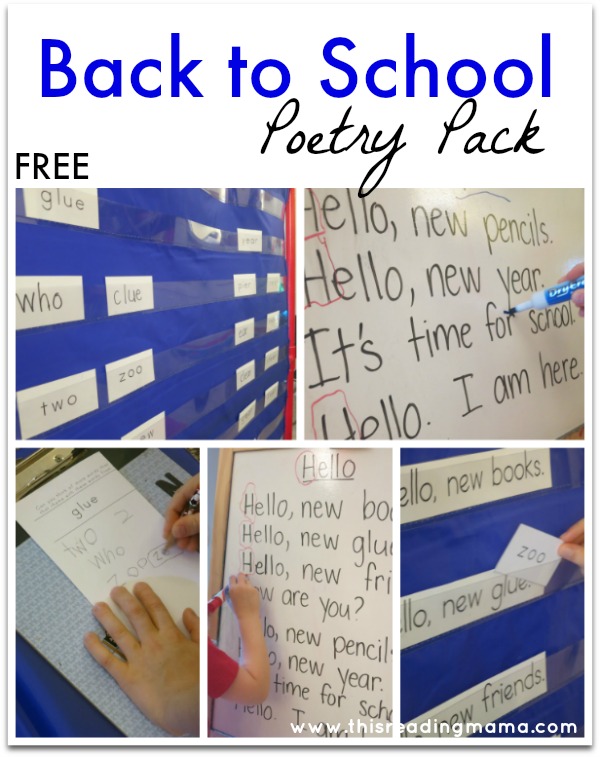
Transitioning students from the leisure of summer to structured academic output can induce anxiety and resistance. Thematic back-to-school poetry packs and interactive learning folders bridge this gap by combining creative expression with foundational literacy practice. Poetry, in particular, enhances fluency, rhythm, and vocabulary acquisition in a low-stakes, highly engaging format.
Official Statements and Expert Guidance
Industry experts and veteran educators emphasize that successful classroom preparation is rooted in intentionality, resourcefulness, and community support.
Reflecting on the launch of her comprehensive resource collection, educator and creator Becky highlights the core philosophy driving modern digital teaching aids:
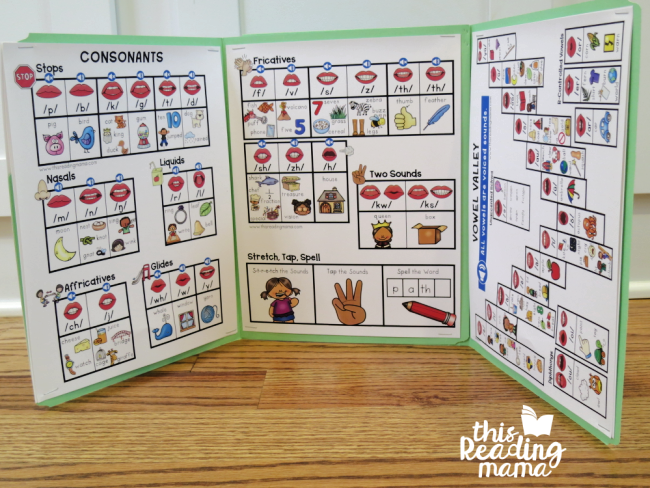
"Looking for some Back to School Printable Resources? You’re in the right place! I’m sharing loads of back-to-school printable resources and organizational ideas to help teachers and parents navigate the transition. By utilizing free, high-quality printables, learning folders, and phonics cards, educators can dramatically reduce their preparation time while creating a vibrant, organized, and supportive space for students to thrive."
Furthermore, instructional specialists underscore the importance of leveraging cost-effective organizational strategies, noting that excessive personal spending on classroom supplies remains a major source of burnout among educators. Experts advocate for utilizing shared digital repositories, DIY organizational systems, and curated book lists to maximize educational impact while minimizing out-of-pocket expenses.
Future Outlook: The Next Generation of Educational Printables
As educational technology continues to evolve, the intersection of physical printables and digital resource management will define the future of classroom preparation. Several key trends are expected to shape the landscape of teaching resources in the coming years:
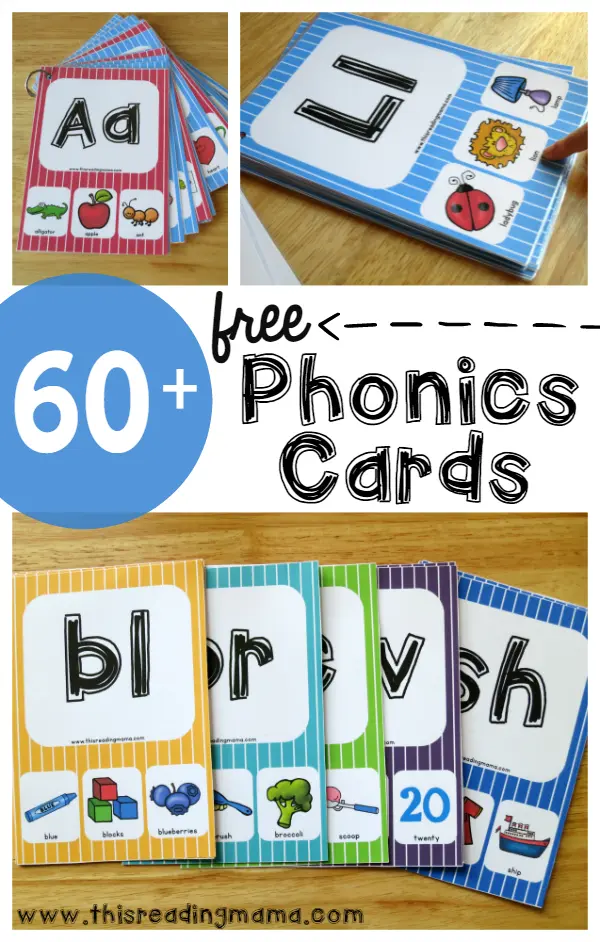
- Hybrid Resource Models: While physical printables—such as laminated phonics cards, spelling folders, and anchor charts—remain irreplaceable for tactile and kinesthetic learners, they will increasingly be paired with interactive digital companions, QR-coded audio files, and augmented reality extensions.
- Hyper-Personalized Content Delivery: Platforms are shifting toward highly granular subscriber lists. Rather than receiving generic newsletters, educators will utilize preference centers to filter resources by precise grade levels (Pre-K through 5th grade), pedagogical focus (phonics, mathematics, Bible study), and instructional setting (traditional public classroom versus homeschooling environment).
- Sustainable and Budget-Conscious Innovation: With school funding models under continuous scrutiny, the reliance on crowdsourced, peer-reviewed free printables will continue to expand. Creators will focus on durable, multi-use assets—such as dry-erase learning folders and modular card decks—that offer maximum longevity with minimal environmental waste.
- Holistic Student Well-Being Integration: Future back-to-school toolkits will place an even greater emphasis on social-emotional learning (SEL), mental health check-ins, and inclusive problem-solving strategies, recognizing that academic success is inextricably linked to emotional security.
By embracing these comprehensive digital tools, strategic organizational frameworks, and collaborative networks, educators are well-positioned to tackle the challenges of the upcoming academic year with confidence, creativity, and resilience.

