
Executive Overview
In the high-stakes environment of modern education, instructional coaching and school leadership are frequently positioned as catalysts for systemic improvement. When instructional coaches or administrators step into a classroom to mentor a teacher, their objective is clear: to guide an educator toward instructional refinement. However, this process frequently collides with a formidable, deeply entrenched professional phenomenon—resistance.
Traditionally, educational paradigms have diagnosed pushback as a deficit inherent to the educator. Labeled as rigid, uncooperative, or simply unwilling to embrace innovation, resistant teachers have long been viewed as the primary obstacle to school-wide reform.
A paradigm-shifting new framework, however, challenges this entrenched narrative. In her ninth and latest publication, How to Coach Resistance: Turning Pushback Into Possibility, renowned educational author, consultant, and coach Elena Aguilar posits that resistance is rarely a localized issue originating solely with the teacher. Instead, Aguilar argues that pushback is a dynamic, reciprocal exchange co-created by both parties in the coaching relationship.
By analyzing the emotional undercurrents, systemic growth gaps, and occasional validity of teacher objections, Aguilar provides a transformative roadmap for educational leaders. This comprehensive examination explores Aguilar’s core philosophies, evaluating how instructional coaches can drop their psychological defenses, decode the root causes of educator hesitation, and convert friction into a catalyst for profound professional growth.
Detailed Chronology: The Evolution of Coaching Dynamics and the Genesis of a New Framework
To fully understand Aguilar’s revolutionary approach, it is vital to trace the historical evolution of instructional coaching and the traditional handling of professional resistance within K-12 education systems.
The Era of Compliance-Driven Coaching (Late 20th Century)
Historically, supervision in education mirrored corporate hierarchical models. Instructional oversight was frequently evaluative, punitive, and compliance-driven. When teachers pushed back against top-down curriculum mandates or pedagogical shifts, leadership typically responded with increased oversight, mandatory remediation plans, or administrative warnings. This "push-pull" dynamic bred deep systemic distrust, framing change not as an invitation to grow, but as a threat to professional autonomy.
The Rise of Modern Instructional Coaching (Early 2000s)
As the educational landscape shifted toward professional learning communities (PLCs) and research-based instructional strategies, the role of the instructional coach emerged. Designed to be non-evaluative and supportive, coaching was envisioned as a collaborative partnership. Yet, old habits died hard. Many coaches inadvertently imported the compliance mindset of traditional administration into their practice. When teachers resisted new initiatives, coaches frequently defaulted to persuasion, data-shaming, or insistent argument—reinforcing the exact hierarchical friction they were hired to dismantle.

The Paradigm Shift: Aguilar’s Interpersonal Model (Present Day)
Recognizing that traditional coaching methods frequently exacerbated rather than resolved friction, Aguilar spent years analyzing the micro-interactions between coaches and educators. Her findings culminated in How to Coach Resistance. Rather than treating resistance as a stubborn personality trait, Aguilar redefined it as an interrelational dance.
This chronology of thought marks a pivotal turning point in professional development. It shifts the primary question of coaching from "How do I fix this resistant teacher?" to "How are my own behaviors, anxieties, and systemic approaches contributing to this impasse?" By acknowledging that resistance is mutually generated, Aguilar empowers leaders to take active control of the coaching dynamic.
Supporting Context & Frameworks: Decoding the Mechanics of Pushback
Aguilar’s methodology moves far beyond theoretical reframing; it supplies practical, actionable frameworks designed to dissect and resolve the root causes of workplace friction.
1. The Interpersonal Dynamic: Dropping the Hand
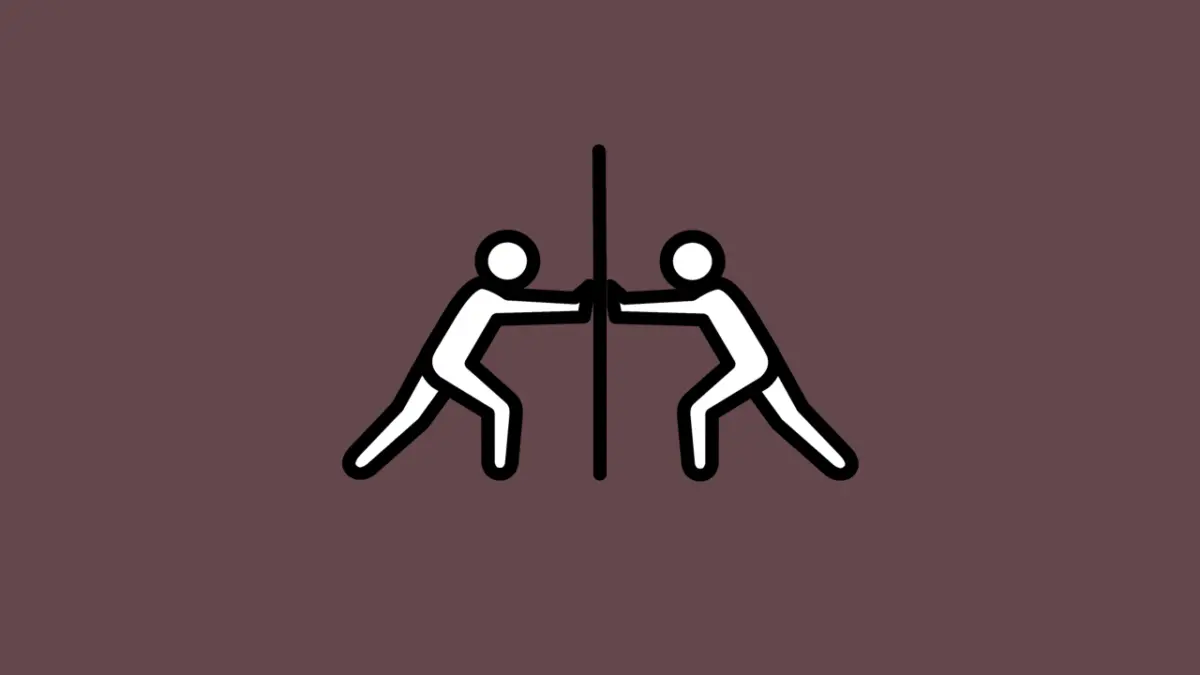
At the heart of Aguilar’s philosophy is the metaphor of two hands pushing against one another. When a teacher objects to a change, the natural instinct of the coach is to push back with counter-arguments, data points, or appeals to authority. This mutual exertion of pressure creates a pressure-cooker environment.
To dismantle this dynamic, Aguilar advocates for a radical intervention: dropping one’s hand.
- Stop Exerting Pressure: Cease the immediate defense of a curriculum or initiative.
- Cultivate Radical Curiosity: Shift from an argumentative stance to an inquisitive one. Ask open-ended questions about the teacher’s specific concerns.
- Preserve Relationship Over Compliance: Emphasize that understanding the teacher’s perspective does not mean abandoning instructional goals; rather, it means building the relational trust required to eventually reach those goals together.
2. The ACE Framework: Navigating Emotional Undercurrents
Beneath nearly every instance of professional pushback lies a complex web of unexpressed emotions—fear of failure, embarrassment, overwhelm, or fatigue. Aguilar introduces the ACE framework to help coaches systematically address these emotional barriers without stepping into inappropriate therapeutic roles.
- Acknowledge Emotions: Before jumping into problem-solving, coaches must pause and validate the educator’s emotional state. This requires exploratory language rather than declarative assumptions (e.g., "It sounds like there might be some apprehension here; does that feel accurate?"). Utilizing tools like Aguilar’s Core Emotions framework allows teachers to drill down from surface-level stress to deeper emotional truths, such as vulnerability or shame.
- Cultivate Compassion: Educators often subject themselves to exceptionally harsh self-judgment when facing professional challenges. Aguilar suggests using perspective-taking exercises—such as asking teachers how they would advise a beloved colleague in the exact same situation—to foster self-compassion. Crucially, Aguilar notes that coaches must first cultivate self-compassion; otherwise, their invitations toward self-grace will ring hollow.
- Expand the Story: Human beings naturally construct narratives around difficult events to make sense of their reality. A coach must help educators unpack these underlying beliefs, examine the stories they are telling themselves about their capabilities or environment, and consciously choose to expand those narratives to include new possibilities.
3. The Gaps Framework: Pinpointing True Growth Areas
When a teacher struggles to implement a change, the knee-jerk assumption is often that they suffer from a will gap—they simply do not want to do the work. Aguilar’s Gaps Framework shatters this oversimplification by categorizing professional barriers into six distinct areas:

- Skill: The mechanical ability to execute a pedagogical practice.
- Knowledge: The theoretical or conceptual understanding underpinning a strategy.
- Capacity: The structural resources, time, and physical energy required.
- Will: The internal motivation and belief in the value of the change.
- Emotional Intelligence: The self-awareness and interpersonal regulation needed to manage classroom dynamics.
- Cultural Competence: The awareness of cultural biases, equity issues, and diverse student needs.
By systematically evaluating which gap is actually impeding progress, coaches can tailor precise, supportive interventions rather than offering generic professional development that fails to address the root issue.
4. Validating "Righteous Resistance"
A cornerstone of Aguilar’s modern thesis is that resistance is not inherently pathological. There are instances where educator pushback is entirely justified—what Aguilar terms "righteous resistance."
When a kindergarten teacher is ordered to keep young children sitting silently on a carpet for an hour of direct instruction, their pushback is rooted in sound developmental psychology and a fierce advocacy for children. In these moments, coaches must honor the validity of the objection, help educators explore their spheres of influence, and, when necessary, join them in questioning systemic mandates that fail to serve students.
Official Insights & Expert Perspectives
In her extensive interviews and writings, Aguilar continuously emphasizes that the ultimate goal of coaching is not forced compliance, but deep, sustainable transformation.
"This is not to blame you," Aguilar writes, addressing instructional coaches and leaders directly. "It is the most hopeful thing I can tell you, because it means resistance is not fixed. It is determined at least in part by what you bring into the room, and what you bring is something you can change."
Educational leadership experts have echoed the significance of this perspective shift. By stripping away the adversarial nature of coaching, schools can transition from punitive oversight models to collaborative ecosystems. When teachers feel genuinely heard—when an instructional coach communicates, “I’m not here to judge you; I want to be a partner and help you work through this”—defensive walls crumble.
Furthermore, these principles extend far beyond traditional teacher-coach interactions. The tenets of Aguilar’s work apply universally: to mentor-novice collaborations, department-wide curriculum adoptions, administrative team meetings, and even interpersonal conflict resolution outside of formal education.

Future Outlook: The Next Frontier in Instructional Leadership
As educational institutions continue to navigate teacher shortages, post-pandemic learning recovery, and rapid technological shifts, the emotional well-being and professional agency of educators have never been more critical.
The traditional playbook of demanding compliance through administrative pressure is rapidly losing efficacy. Educators subjected to unyielding pressure simply burn out and leave the profession. Moving forward, the future of instructional leadership must be anchored in emotional intelligence, relational trust, and systemic empathy.
By implementing frameworks like Aguilar’s ACE process and Gaps evaluation, school districts can reimagine professional development. Instead of viewing teacher pushback as an impediment to progress, forward-thinking institutions can learn to reframe resistance as vital data—a flashing indicator signaling where support, clarity, or systemic reform is urgently needed.
Ultimately, turning pushback into possibility requires a courageous pivot from control to collaboration. When coaches master the art of dropping their defenses, honoring legitimate critique, and partnering authentically with educators, they unlock the true potential of teaching and learning: an environment where growth is mutual, sustainable, and deeply human.

