As educators, administrators, and homeschooling parents brace for the commencement of a new academic year, the perennial challenge of resource scarcity and classroom management returns to the forefront. Preparing an optimal, engaging, and structured learning environment requires immense logistical planning, often compounded by tight budgetary constraints. To alleviate these systemic pressures, educational platforms have increasingly turned toward open-access digital repositories. Among these, This Reading Mama, spearheaded by educator Becky, has emerged as a vital infrastructural asset for teachers navigating the pre-term preparation phase.
This report provides an exhaustive review of the newly curated back-to-school digital resources designed to streamline the transition into the academic year. By examining a vast array of printables, assessments, organizational frameworks, and multimedia tools, this analysis highlights how modern pedagogical strategies leverage cost-effective, high-yield assets. The focus centers on closing achievement gaps early through targeted phonics screening, reinforcing positive social behaviors via visual classroom aids, and stretching limited departmental budgets without sacrificing instructional quality.
Detailed Chronology: The Evolution of Classroom Preparation
The frantic weeks leading up to the first day of school have historically been characterized by late nights spent laminating flashcards, organizing physical spaces, and scouring commercial teacher-supply stores for materials that often come out of educators’ personal pockets. Over the past decade, however, a digital shift has transformed the preparation timeline.
Phase 1: The Analog Era and Pre-Term Panic (Historical Context)
Historically, teachers relied heavily on physical textbooks, commercially manufactured wall posters, and self-funded supplies. Assessment tools were often rigid, standardized, and slow to yield actionable data for individualized instruction. Preparation began weeks before official contracts commenced, leading to early burnout among educators.
Phase 2: The Rise of Digital Sharing and Independent Creators (2010–2020)
With the democratization of the internet, independent educator-bloggers began publishing downloadable templates, lesson plans, and classroom management guides. Platforms like This Reading Mama pioneered the delivery of targeted literacy tools—such as phonics packs and spelling folders—directly to classrooms and home-school environments. This era democratized access to specialized educational materials, allowing rural and underfunded districts to access resources previously restricted to affluent school systems.
Phase 3: The Integrated, Multi-Tiered Resource Ecosystem (Present Day)
Today’s back-to-school preparation requires a holistic ecosystem. Educators no longer look for isolated worksheets; instead, they seek comprehensive pedagogical pipelines that include diagnostic screeners, interactive learning folders, visual communication aids, and budget-conscious organizational frameworks. The current model integrates digital downloads with physical manipulatives, creating a hybrid instructional approach optimized for modern learners from pre-kindergarten through upper elementary grades.
Supporting Context & Metrics: Addressing the Resource Deficit
The urgency for free, high-quality educational printables is underscored by persistent economic challenges within the public education sector. According to national educator surveys, the average K-12 teacher spends hundreds of dollars of their own money annually on classroom supplies, instructional aids, and student incentives.
Key Resource Categories and Pedagogical Impact
Visual Social-Problem-Solving Posters
Function: Placed strategically on classroom walls, these posters provide cognitive scaffolding for students experiencing interpersonal conflicts.
Impact: By outlining step-by-step conflict resolution strategies, teachers reduce behavioral disruptions, fostering a trauma-informed, self-regulating classroom environment from day one.
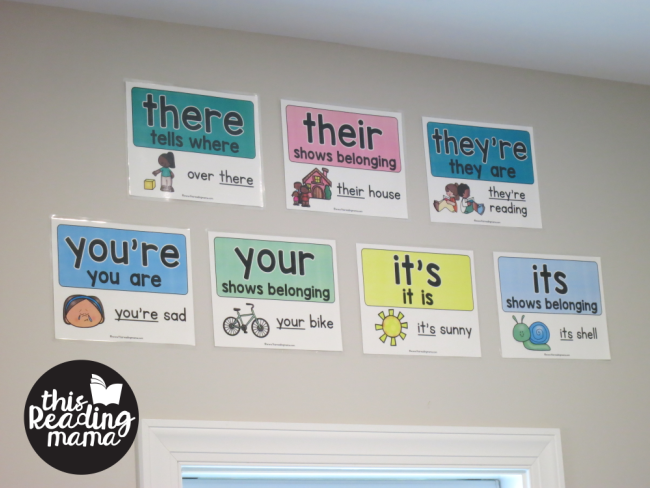
Homophone and Literacy Visual Aids
Function: High-visibility anchor charts placed above windows and boards reinforce complex linguistic rules organically throughout the school day.
Impact: Consistent visual exposure accelerates word recognition and orthographic mapping, particularly for developing readers and English Language Learners (ELLs).
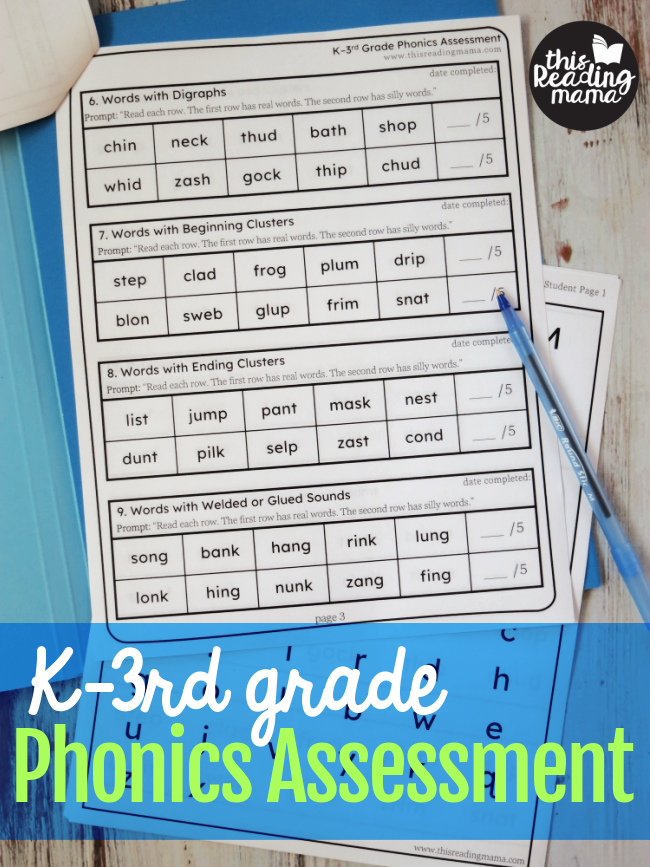
Kindergarten Through Third-Grade Phonics Screeners
Function: Diagnostic assessments administered at the onset of the academic year establish baseline literacy metrics.
Impact: Early identification of phonological deficits allows educators to deploy targeted interventions immediately, mitigating long-term reading disparities in alignment with the Science of Reading framework.
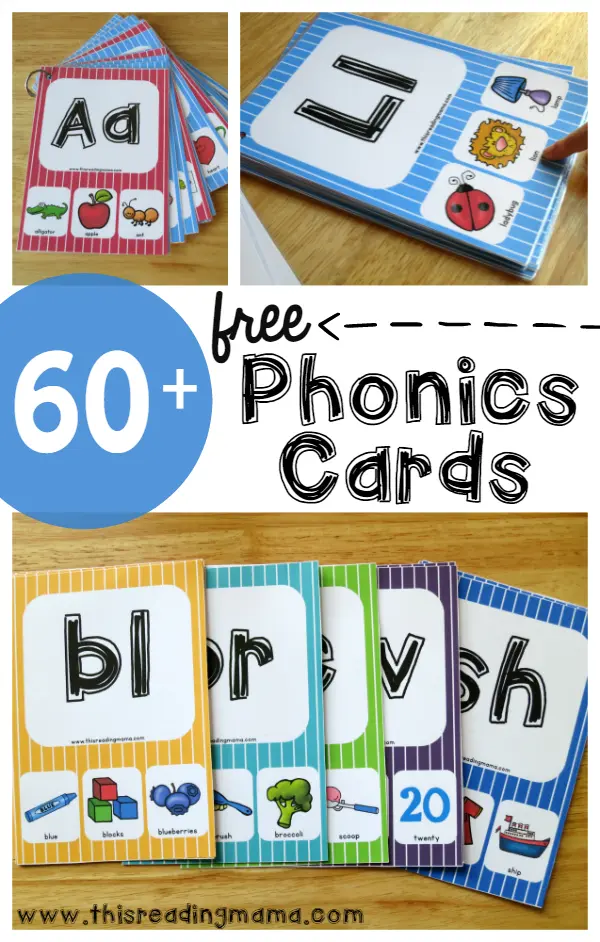
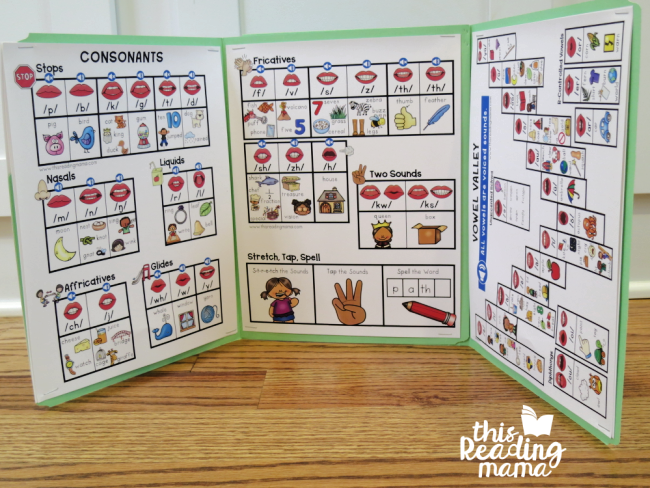
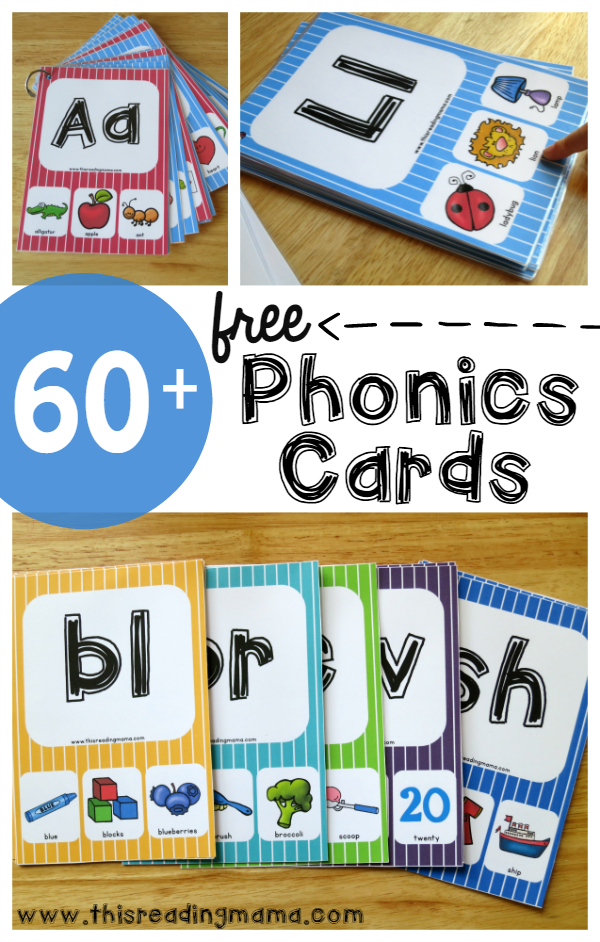
Interactive Spelling Folders and Phonics Cards
Function: Hands-on, subscriber-exclusive tactile tools designed for individualized student desks or learning centers.
Impact: Multisensory learning approaches engage kinetic and visual learners, solidifying phoneme-grapheme correspondences through repeated, independent practice.
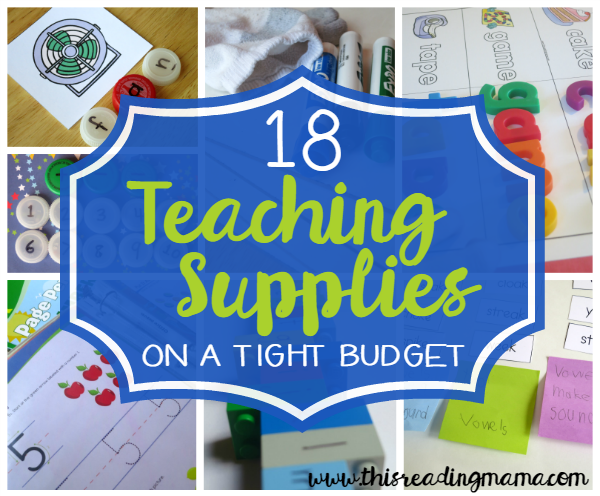
Budget-Conscious Organizational Strategies
Function: Curated guides detailing how to acquire and organize teaching supplies on minimal funding.
Impact: Directly addresses teacher burnout and financial fatigue by offering creative, upcycled, and low-cost storage solutions.
Official Statements and Pedagogical Insights
The philosophy behind these comprehensive back-to-school resources centers on lowering barriers to entry for effective teaching. Becky, the creator behind the initiative, emphasizes the importance of community and accessibility in educational planning:
"Looking for some Back to School Printable Resources? You’re in the right place! I’m sharing loads of back-to-school printable resources and organizational ideas to help teachers and parents hit the ground running. By providing access to free, high-yield printables, our goal is to take the administrative burden off educators so they can focus on what matters most: building relationships with their students and driving meaningful academic growth."
Educational researchers echo this sentiment, noting that structured transitions and predictable classroom environments significantly reduce anxiety for both students and teachers during the opening weeks of school. When instructional materials are standardized, visually explicit, and accessible, cognitive load is minimized, allowing students to transition smoothly into rigorous academic content.
Future Outlook: The Next Frontier in Digital Teaching Aids
As education continues to evolve, the integration of digital printables and physical manipulatives will face new paradigms. The future of back-to-school preparation points toward hyper-customizable, modular resources that cater to differentiated learning needs within inclusive classrooms.
1. Expansion of Multi-Tiered Systems of Support (MTSS) Printables
Future resource development will likely focus heavily on MTSS-aligned materials. Educators will require immediate access to Tier 2 and Tier 3 intervention printables directly linked to initial diagnostic screeners, streamlining the path from assessment to targeted instruction.
2. Hybrid Digital-Physical Learning Environments
While digital platforms will continue to host these assets, the demand for tactile, hands-on printables—such as interactive spelling folders and phonics card decks—remains robust. Brain research consistently supports the cognitive benefits of tactile engagement, ensuring that printable resources retain their central role in early childhood and elementary education.
3. Community-Driven Resource Networks
Platforms offering free printables will increasingly rely on segmented subscriber networks (tailored by grade level, such as Pre-K/K, 1st-2nd, and 3rd-5th grades, as well as homeschooling and special subjects like biblical studies). This targeted curation ensures that educators receive hyper-relevant materials without wading through information overload.
Conclusion
The transition back to school marks a critical juncture in the academic calendar. By leveraging comprehensive digital repositories, evidence-based phonics assessments, social-emotional learning posters, and budget-conscious organizational frameworks, educators can reclaim their time and financial resources. Initiatives that bridge the gap between open-access digital content and practical classroom application remain indispensable tools in the ongoing mission to foster equitable, engaging, and successful learning environments for all students.