
Executive Overview
In the high-stakes environment of modern K-12 education, instructional coaching and school leadership are frequently positioned as catalysts for systemic improvement. When instructional coaches or administrators step into classrooms, their primary objective is straightforward: to guide educators toward refining their practice, adopting new curricula, and elevating student learning outcomes. However, the pathway to transformation is rarely frictionless. Teachers regularly meet proposed changes with hesitation, skepticism, or outright refusal.
Conventionally, educational systems diagnose this pushback as a personal deficit inherent to the educator—framing it as professional stubbornness, technological aversion, or an entrenched resistance to innovation. Yet, a fundamental paradigm shift is underway.
In her ninth and latest publication, How to Coach Resistance: Turning Pushback Into Possibility, renowned author, educator, and instructional coach Elena Aguilar challenges the traditional blame-the-teacher narrative. Aguilar argues that resistance is not a static character flaw residing solely within an individual, but rather a dynamic relational friction generated between two people. By recognizing that coaches, professional development (PD) providers, and team leaders actively contribute to this tension, the education sector gains a powerful new perspective: because resistance is co-created, it can be systematically dismantled through a recalibration of the coach’s approach.
This comprehensive report examines Aguilar’s transformative frameworks, exploring the emotional undercurrents of pushback, the diagnostic precision of the "Gaps Framework," the validity of righteous resistance, and the path forward for educational leadership.
Detailed Chronology: The Evolution of Coaching Dynamics and the Shift Toward Relational Equity
For decades, the prevailing model of instructional coaching mirrored a top-down corporate hierarchy. Educational leaders identified deficiencies, designed interventions, and expected teachers to implement them with fidelity. If a teacher questioned the directive, the response was typically an intensification of pressure—repeatedly emphasizing the merits of the curriculum, establishing rigid compliance benchmarks, or utilizing administrative leverage to mandate adoption.
Historically, this methodology produced widespread burnout, fractured trust between school leadership and teaching staff, and reinforced adversarial dynamics within school buildings. Teachers felt undervalued and unheard, while coaches and administrators grew frustrated by stagnant professional growth metrics.
The publication of How to Coach Resistance marks a critical milestone in a broader historical movement toward human-centered, trauma-informed educational leadership. Over the past ten years, organizations like Bright Morning Consulting, founded by Aguilar, have pioneered research proving that adult learning is deeply emotional, relational, and identity-driven. The contemporary evolution of coaching recognizes that sustainable pedagogical change cannot be forced through compliance; it must be cultivated through psychological safety, collaborative problem-solving, and deep interpersonal trust. Aguilar’s latest work synthesizes decades of frontline coaching experience into actionable frameworks that permanently alter how educational systems address pedagogical friction.
Supporting Context & Metrics: Unpacking the Anatomy of Pushback
To understand why traditional coaching models fail, one must examine the psychological mechanics of pushback. When an instructional coach presents a new strategy and a teacher objects, a predictable psychological loop is triggered. Both individuals are frequently operating from a place of latent fear:
- The Teacher: Experiences anxiety over perceived incompetence, inadequate time, lack of resources, or the genuine fear that students will fail under a new model.
- The Coach: Experiences anxiety over professional efficacy, the pressure to meet district-mandated benchmarks, and the fear that failing to move the teacher equals personal failure.
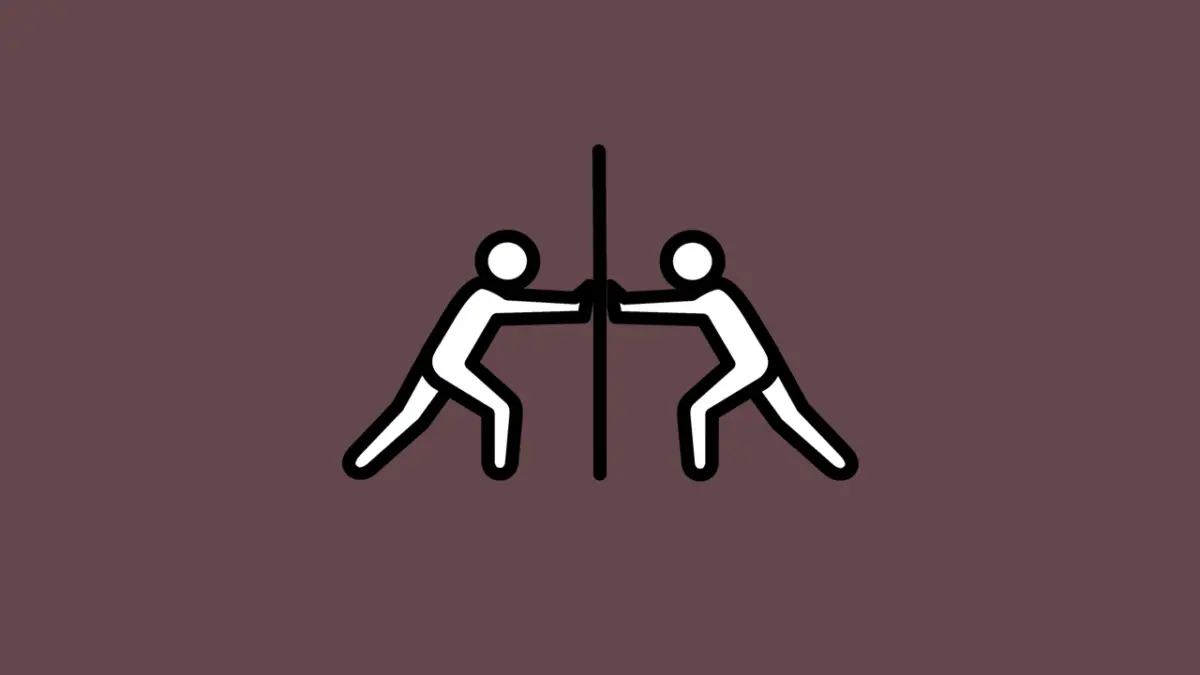
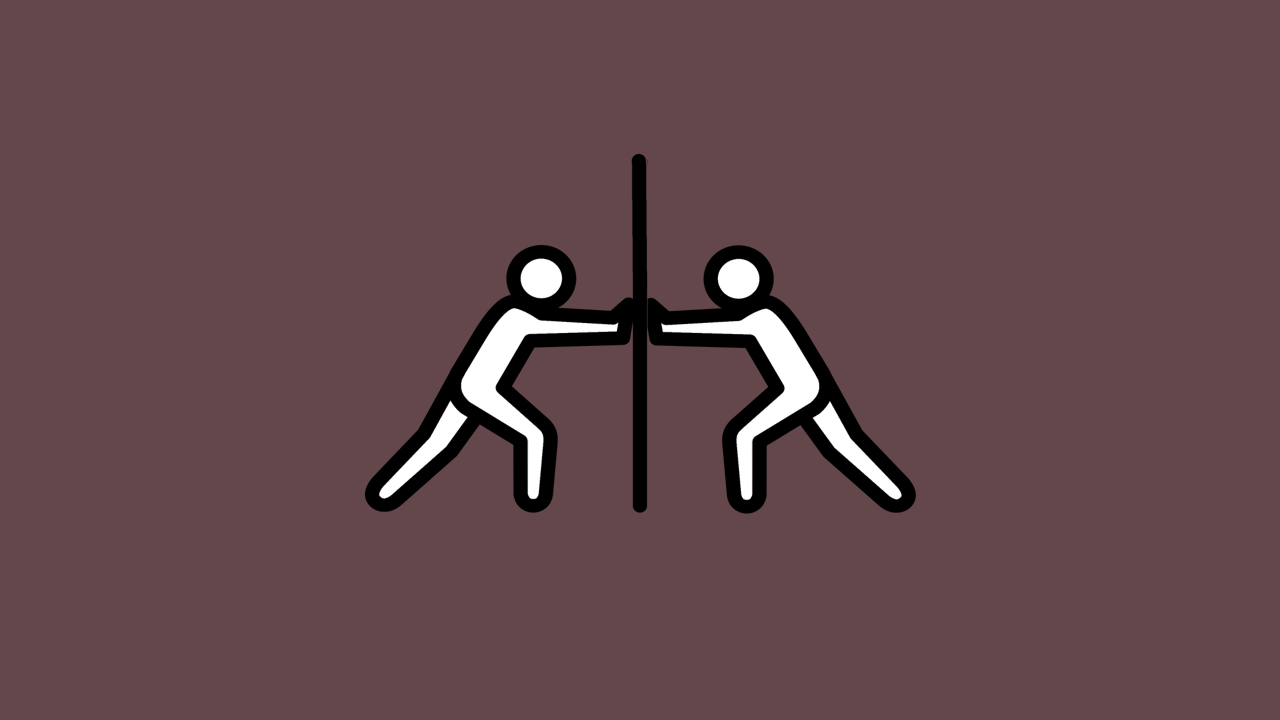
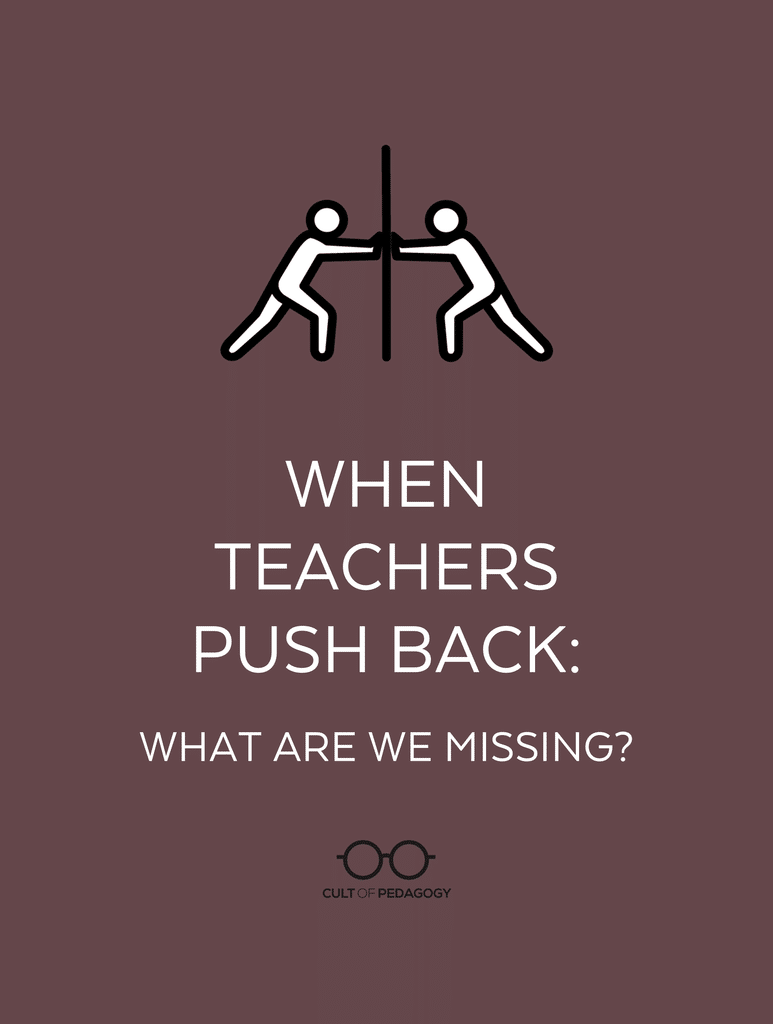
This dual-sided anxiety transforms a professional collaboration into an emotional standoff. Aguilar captures this phenomenon using a vivid metaphor: two people forcefully pressing their hands against one another. The pressure is shared equally by both participants. Traditional coaching responds to this pressure by pushing harder—arguing for the curriculum, reiterating test scores, or exerting institutional authority.
Aguilar’s paradigm-shifting intervention is remarkably simple yet psychologically demanding: drop your hand.
By relinquishing the need to "win" the argument or enforce compliance, the coach halts the cycle of mutual defense. This creates the relational space necessary to transition from a punitive posture to genuine curiosity. As Aguilar notes, dropping one’s hand does not equate to abandoning high standards or adopting an unworkable pedagogical philosophy. Instead, it signals a willingness to pause, investigate the root causes of the friction, and establish authentic partnership.
Official Insights: The ACE Framework and the Gaps Paradigm
Aguilar’s methodologies provide concrete, step-by-step architectures designed to transition educators and leaders away from emotional gridlock and toward sustainable instructional development.
1. The ACE Framework: Navigating Emotions Beneath the Surface
Once a coach drops their defensive posture, they inevitably encounter powerful emotions driving the teacher’s pushback. To manage these emotional landscapes without requiring clinical therapy, Aguilar established the ACE framework: Acknowledge emotions, Cultivate compassion, and Expand the story.
- Acknowledge Emotions: Before jumping into problem-solving, coaches must validate what the educator is experiencing. This requires an exploratory rather than prescriptive approach. Instead of telling a teacher, "You are angry about this new policy," a coach might observe, "It sounds like there’s a lot of apprehension around this transition; does that resonate with what you’re feeling?" Utilizing tools like Aguilar’s Core Emotions framework helps educators articulate underlying vulnerabilities—such as shame, distress, or exhaustion—making them manageable.
- Cultivate Compassion: Struggling educators frequently subject themselves to hyper-critical inner monologues, compounding their defensive posture. Cultivating self-compassion can be unlocked by asking a simple reframing question: "What would you say to a best friend who was sitting in your exact classroom experiencing this exact challenge?" Invariably, the response is infinitely kinder than the teacher’s internal narrative. However, Aguilar issues a crucial caveat: coaches cannot authentically invite a teacher to practice self-compassion if the coach has not cultivated it within themselves first.
- Expand the Story: Human beings naturally attach limiting beliefs to professional setbacks, defining what is possible, what a situation signifies, or what an administrator’s behavior reveals about their character. Coaches must guide teachers in unpacking these assumptions, examining alternative explanations, and intentionally rewriting their professional narratives.
2. The Gaps Framework: Diagnosing the True Barriers to Growth
When coaching moves from emotional processing to pedagogical execution, identifying the correct barrier is vital. Too often, educational systems misdiagnose all pushback as a "will gap"—falsely concluding that a teacher simply refuses to do the work.
Aguilar’s Gaps Framework categorizes professional hurdles into six distinct, non-deficit areas for growth:
- Skill: Lacking the physical execution techniques for a specific strategy.
- Knowledge: Lacking the theoretical understanding or foundational data required.
- Capacity: Lacking the time, institutional resources, or bandwidth to execute the task.
- Will: Lacking internal motivation or alignment with the core purpose of the task.
- Emotional Intelligence: Lacking the self-regulation or interpersonal awareness needed to manage the classroom dynamic.
- Cultural Competence: Lacking the equity consciousness required to serve diverse student populations effectively.
By systematically evaluating which gap is actually present, coaches avoid offering generic interventions that fail to address the root cause, transforming what appeared to be stubborn defiance into an accessible roadmap for professional development.
3. Validating "Righteous Resistance"
A profound contribution of Aguilar’s work is the validation of pushback that stems from legitimate ethical or pedagogical objections. Resistance, she argues, is not inherently negative. When a kindergarten teacher is ordered to enforce an hour of motionless, silent carpet time, their pushback is not a deficit—it is a professional duty rooted in developmental science.
When resistance is righteous, coaches must create space to honor those concerns. Even if administrative mandates cannot be immediately overturned, coaches can help educators assess their agency: What boundaries can be established? What avenues exist to voice dissent safely? How can systemic issues be escalated to individuals holding structural authority? Furthermore, this self-reflection forces leaders and coaches to examine their own moral alignment with district directives.

Future Outlook: Transforming Educational Leadership and School Culture
The integration of Elena Aguilar’s philosophies into modern school districts signals a vital maturation of instructional leadership. As educational systems grapple with unprecedented teacher shortages, heightened scrutiny, and pervasive burnout, punitive compliance models are proving increasingly unsustainable.
Future-focused educational institutions are recognizing that professional development must mirror the equity, empathy, and collaborative spirit they hope to see modeled in classrooms. By shifting from an adversarial dynamic of "coach versus resistant teacher" to a cooperative partnership defined by curiosity, emotional intelligence, and structural diagnostic clarity, schools can permanently alter their cultural trajectories.
The future of coaching lies not in enforcing unyielding fidelity to top-down mandates, but in building cultures of collective efficacy where pushback is treated as valuable data rather than insubordination. When teachers trust that their instructional leaders approach them with genuine curiosity, respect, and a commitment to shared problem-solving, the adversarial walls crumble. In their place emerge the ideal conditions for profound, enduring professional growth—transforming inevitable friction into boundless possibility.

