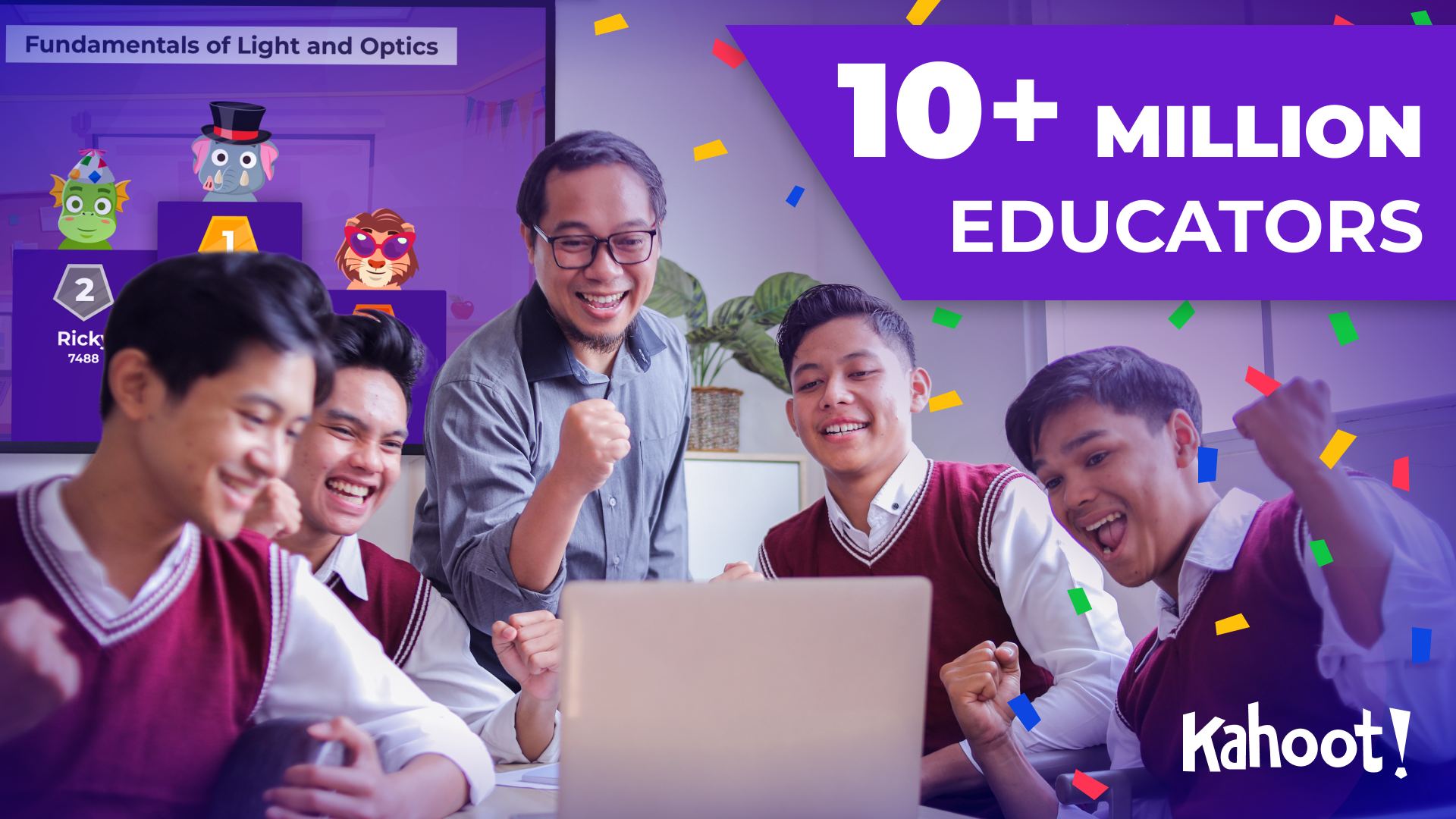
In the rapidly evolving landscape of educational technology, few platforms have achieved the ubiquitous presence and sustained cultural impact of Kahoot!. Recently, the company announced a monumental milestone: its global community of registered educators has officially surpassed 10 million active teachers, professors, and instructors.
Spanning early childhood education, primary and secondary schools (K-12), and higher education institutions worldwide, this milestone is far more than a simple vanity metric. It represents a fundamental shift in how modern classrooms operate. In an era where maintaining student attention is an uphill battle against digital distractions, Kahoot! has transformed the traditional, passive lecture hall and rote-memorization classroom into dynamic, interactive hubs of social learning and gamified inquiry.
This in-depth report explores the journey behind the 10-million-educator milestone, analyzes the pedagogical theories fueling its success, highlights real-world applications from classrooms across the globe, and examines how the platform plans to maintain its pedagogical momentum in an increasingly digital academic ecosystem.
Detailed Chronology: From Classroom Experiment to Global Phenomenon
To fully appreciate the significance of 10 million educators adopting a single platform, one must examine the trajectory of educational technology over the past decade.
The Early Days: Sparking Engagement
When Kahoot! first launched, its core premise was delightfully simple: turn quizzes into games. By introducing elements of competition, time-bound challenges, instant feedback, and vibrant visual displays, the platform tapped into intrinsic human motivations. Early adopters were often tech-forward pioneers looking for alternative ways to review vocabulary or test reading comprehension without relying on traditional pen-and-paper testing.
Scaling Through the Digital Shift
As smartphones, tablets, and interactive whiteboards became standard fixtures in schools globally, the infrastructure for real-time, device-based learning matured. The platform scaled rapidly, moving beyond basic trivia quizzes to incorporate sophisticated pedagogical tools:
Formative assessment templates
Open-ended polling
Word clouds
Puzzle modes that require strategic thinking rather than just fast clicking
The Pandemic Catalyst and Beyond
The global health crisis of 2020–2021 acted as a profound stress test and catalyst for EdTech. As remote and hybrid learning became mandatory overnight, educators desperately needed tools that could bridge the physical gap between teacher and student. Kahoot! served as a digital anchor, allowing instructors to maintain social connection, check for understanding remotely, and inject a sense of normalcy and fun into virtual classrooms.
Following the return to physical classrooms, usage did not wane; rather, teachers integrated the tool permanently into their hybrid pedagogical toolkits. Reaching 10 million educators cements Kahoot!’s transition from a novel classroom accessory to an indispensable institutional infrastructure.
Supporting Context & Metrics: The Science of Play-Based Pedagogy
Why have 10 million educators chosen to integrate this specific platform into their demanding, highly regulated curricula? The answer lies in the intersection of cognitive psychology, neuroscience, and educational design.
Combating Cognitive Fatigue
Modern students are digital natives bombarded with high-velocity stimuli outside the classroom. Traditional lecturing, while necessary for deep content delivery, often fails to maintain sustained cognitive engagement over long periods. Research in educational neuroscience consistently demonstrates that active participation, emotional arousal (such as the positive excitement of a game), and immediate feedback significantly enhance memory consolidation and neural pathway formation.
Formative Assessment Without the Anxiety
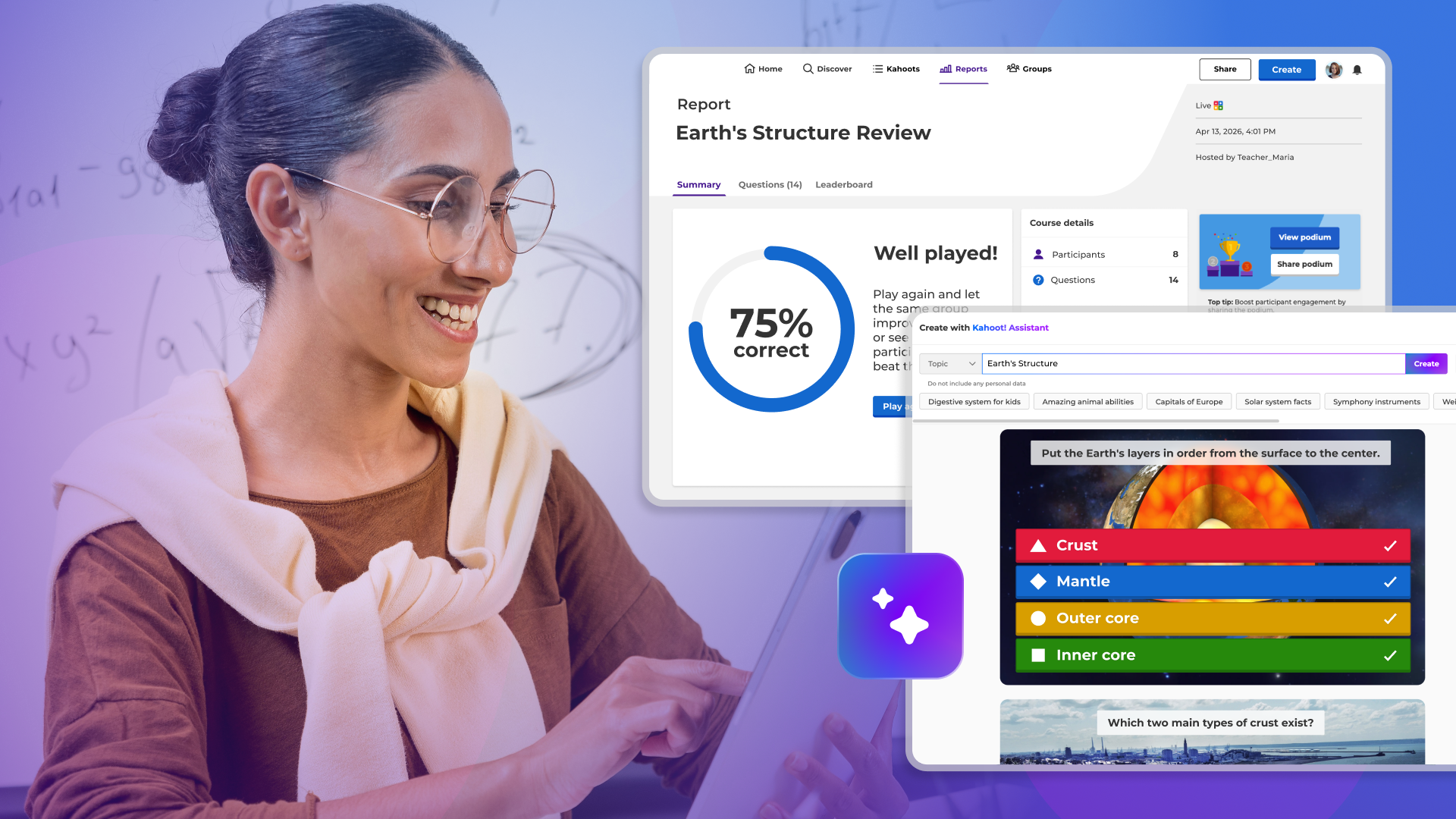
High-stakes testing is notoriously fraught with performance anxiety, which can cloud a true assessment of a student’s understanding. Kahoot! re-frames assessment as play. Because teachers can view real-time data dashboards and comprehensive post-game reports, they can perform continuous formative assessments seamlessly. Instructors can identify knowledge gaps instantly—mid-lesson or at the end of a unit—allowing them to adjust their teaching strategies dynamically rather than waiting for a graded exam weeks later.
Traditional Assessment Loop:
Teach ➔ Test ➔ Grade (Days Later) ➔ Remediation (Too Late)

Kahoot! Formative Loop:
Teach ➔ Interactive Play ➔ Real-Time Data Analytics ➔ Immediate Remediation
Official Statements and Educator Perspectives
The true measure of any educational technology is found on the front lines of academia. The voices of teachers utilizing the platform daily reveal why this community has scaled to such unprecedented heights.
Voices from the Classroom
"I love using Kahoot!. It helps me create fun and interactive content that both enriches my lessons and enhances my students’ learning experiences. I use Kahoot! to introduce new concepts, review content, strengthen knowledge retention, and check if students have understood everything during the lessons."
— Pam Ganley, Educator, Arizona, USA
Pam Ganley’s testimony highlights the versatility of the tool. It is not merely a Friday-afternoon reward game; it is woven into the fabric of daily instructional design, serving as an introduction, a middle-of-lesson pulse check, and a comprehensive review mechanism.
Perspectives from Higher Education
The utility of gamified learning is not restricted to primary or secondary education. Professors in universities face immense challenges keeping lecture halls engaged, particularly in large, auditorium-style settings.
"Kahoot! has transformed the way I teach my students. Anonymous polling and real-time feedback have been crucial for me as a lecturer, because I have continuously been able to follow where my students are on their learning journey."
— Kurt Naicker, Lecturer, University of Johannesburg
Professor Naicker’s observation underscores a vital feature: anonymity in polling. For university students hesitant to raise their hands and admit confusion in front of hundreds of peers, anonymous polling provides a safe psychological space to participate without fear of judgment. This gives lecturers an accurate, unfiltered view of cohort comprehension.
Maintaining Momentum Year-Round
A common pitfall of educational tools is seasonal burnout—high usage during back-to-school season or right before exams, followed by a slump. Kahoot!’s structural design is intentionally built to maintain learning momentum across all four seasons of the academic calendar.
1. The Back-to-School Awakening
At the start of a term, teachers face the challenge of assessing baseline knowledge and breaking the ice. Interactive templates allow teachers to run diagnostic quizzes disguised as engaging team challenges, easing student anxiety while establishing a collaborative classroom culture.
2. Overcoming the Winter Slump
During the dark, energy-draining mid-winter months, student engagement often dips. Quick, high-energy review sessions can reset classroom energy levels, re-focusing distracted minds and reinforcing complex topics without inducing fatigue.
3. Sustaining Focus Through Testing Seasons
Ahead of national exams or end-of-term assessments, students experience severe pressure. Gamified review sessions transform daunting study guides into collaborative group challenges, encouraging peer-to-peer teaching and collective problem-solving.
Beyond the Basic Quiz: Advanced Pedagogical Strategies
To maintain engagement across 10 million educators, the platform has expanded far beyond simple multiple-choice trivia. Modern educators utilize:
Interactive Presentation Slides: Blending direct instruction seamlessly with interactive prompts.
Brainstorming and Word Clouds: Gathering qualitative student opinions and fostering inclusive class discussions.
Student-Led Creation: Empowering students to build their own Kahoots to teach topics to their peers, shifting the educational paradigm from passive consumption to active content creation.
Curated Content Partnerships: Utilizing specialized educational collections—such as partnerships with major cultural and scientific organizations—to bring real-world context into subjects like mathematics, science, and social studies.
Future Outlook: The Next Horizon for Global Education
Reaching 10 million educators is a monumental milestone, but the leadership at Kahoot! views it as a baseline for the future rather than a finish line. As artificial intelligence, adaptive learning algorithms, and immersive technologies continue to reshape the educational landscape, the platform is poised for continuous evolution.
The Integration of Smart Content Generation
Future iterations of classroom technology will heavily feature AI-assisted content creation. Teachers spend countless hours drafting lesson materials, quizzes, and study guides. By leveraging AI tools safely within trusted educational ecosystems, educators will be able to generate interactive, curriculum-aligned learning games from dense textbook chapters or syllabus documents in a matter of seconds.
Deepening Data-Driven Insights
As data privacy standards remain paramount, the demand for actionable, privacy-compliant learning analytics will only grow. Future developments will likely focus on giving educators deeper, longitudinal insights into student progression over months and years, helping schools spot learning loss trends early and apply targeted interventions.
A Global Community Driving Innovation
Ultimately, the engine driving Kahoot! forward is not corporate software development, but the collective creativity of its 10 million educators. Every teacher who invents a new way to explain fractions, every professor who uses live polling to spark a debate on political science, and every student who builds a game to help a classmate contributes to a living, breathing global pedagogical library.
As the community looks ahead, the core mission remains unchanged: making learning awesome. For the 10 million educators who wake up every day dedicated to shaping the minds of tomorrow, this milestone is a celebration of their tireless passion, resilience, and impact on the world.