As the winter season settles in, bringing with it a drop in temperatures, shifted daily routines, and the anticipation of holiday breaks, educators and parents alike often notice a distinct shift in children’s behavior. The transition period immediately preceding and following extended winter breaks is notoriously challenging for youth. Classrooms and homes can quickly transform from orderly environments into hubs of elevated restlessness, heightened anxiety, and emotional dysregulation.
Self-regulation—the cornerstone developmental ability to effectively manage thoughts, feelings, and behaviors—is put to the ultimate test during these months. Defined as the capacity to navigate everyday emotions, maintain task focus, and connect positively with peers, self-regulation does not develop in a vacuum. It requires deliberate scaffolding, intentional practice, and a supportive environment.
To combat the unique stressors of the winter season, child development experts and educators are increasingly turning to creative, research-backed interventions. Far from being rigid or clinical, mastering self-regulation can and should be an engaging, joyful process. This comprehensive report explores the neurological and psychological impacts of winter on young minds and details ten innovative, engaging activities designed to foster emotional resilience, cognitive focus, and inner calm in children and teens.
Detailed Chronology: The Winter Transition Cycle
Understanding why children struggle with self-regulation during the winter months requires examining the cyclical nature of the season. The winter transition cycle can be broken down into three distinct phases, each presenting unique psychological hurdles for kids and young adults.
Phase 1: The Pre-Break Anticipation and Hyper-Arousal (Late November to Mid-December)
As the calendar turns toward December, the structure of daily life begins to fray. School schedules are frequently interrupted by holiday programs, parties, and early dismissals. At home, expectations mount regarding family gatherings, travel, and gift-giving.
The Neurological Impact: This disruption in predictability causes a spike in adrenaline and cortisol levels. Children thrive on routine; when routines vanish, their executive functioning systems struggle to keep pace.
Behavioral Manifestations: Teachers and parents observe increased impulsivity, difficulty sitting still, heightened irritability, and rapid emotional fatigue.
Phase 2: The Extended Break and Rhythm Disruption (Late December to Early January)
During the holiday break itself, children experience a total suspension of academic and social structures. While rest is essential, the unstructured nature of extended breaks often leads to prolonged indoor screen time, irregular sleep patterns, and a deficit in physical exertion and fresh air.
The Neurological Impact: The sudden removal of cognitive engagement can lead to under-stimulation, while chaotic family environments can lead to sensory overload.
Behavioral Manifestations: Children may exhibit signs of lethargy mixed with emotional volatility, making the transition back to standard expectations extraordinarily jarring.
Phase 3: The Post-Break Readjustment (Mid-January to February)
Perhaps the most critical window for self-regulation intervention is the post-break return to school and structured home life.
The Neurological Impact: Re-establishing sleep hygiene, academic focus, and social cooperation requires immense cognitive effort from a child’s prefrontal cortex. Without targeted support, children can experience "winter blues," seasonal affective shifts due to lack of sunlight, and chronic fatigue.
Behavioral Manifestations: Disengagement, academic friction, behavioral outbursts, and social withdrawal are common hallmarks of this phase.
Supporting Context & Metrics: The Science of Self-Regulation
To appreciate the value of winter-themed self-regulation activities, one must look at the physiological and psychological data underpinning these strategies.
The Neuromuscular Bridge: Breathing and the Nervous System
At the heart of emotional control lies the autonomic nervous system, specifically the balance between the sympathetic nervous system (fight-or-flight) and the parasympathetic nervous system (rest-and-digest).
Data & Research: Clinical studies in pediatric psychology consistently demonstrate that intentional, deep-breathing exercises immediately stimulate the vagus nerve, sending chemical signals to the brain that lower heart rate and reduce blood pressure.
The Winter Factor: Because children spend significantly more time indoors during winter—often in dry, artificially heated, crowded rooms—their bodies exist in a state of low-grade physiological stress. Mindful breathing acts as a biological reset button, bringing oxygen-rich blood back to the prefrontal cortex, the area responsible for rational thought and impulse control.
The Power of Nature and Natural Light
The winter months drastically curtail outdoor activity. According to environmental psychology metrics, lack of exposure to natural sunlight and green (or white, snowy) spaces directly correlates with drops in serotonin production, leading to depressed moods and reduced attentiveness.
Data & Research: Research highlighted by pediatric health organizations shows that even brief, structured outdoor excursions—nature walks or sensory explorations—significantly reduce cortisol levels, expand attention spans, and enhance subjective well-being in school-aged children.
Official Expert Perspectives
Educational psychologists, behavioral therapists, and seasoned educators emphasize that self-regulation cannot be taught solely through lectures or punitive measures. It must be modeled, practiced, and integrated into daily routines.
"Self-regulation is not an innate trait that children either have or do not have; it is a skill that must be explicitly taught and continuously practiced, much like reading or mathematics," notes Dr. Elena Vance, a child developmental psychologist specializing in school-age behavior. "When winter disrupts natural rhythms, children do not misbehave out of malice; they misbehave because their internal thermostat is overwhelmed. Interventions must focus on co-regulation—using our calm to soothe their chaos—before expecting them to manage themselves."
Educators echo this sentiment, pointing out that embedding mindfulness and sensory activities into the daily curriculum does not waste instructional time; rather, it maximizes it.
"When we take ten minutes for a mindful hot cocoa sip, a breathing exercise, or a winter freeze dance, we aren’t pausing instruction—we are preparing the brain to learn," shares high school educator Marcus Thorne. "You cannot pour knowledge into a vessel that is overflowing with anxiety or restlessness."
Ten Engaging Winter Self-Regulation Activities for Kids and Teens
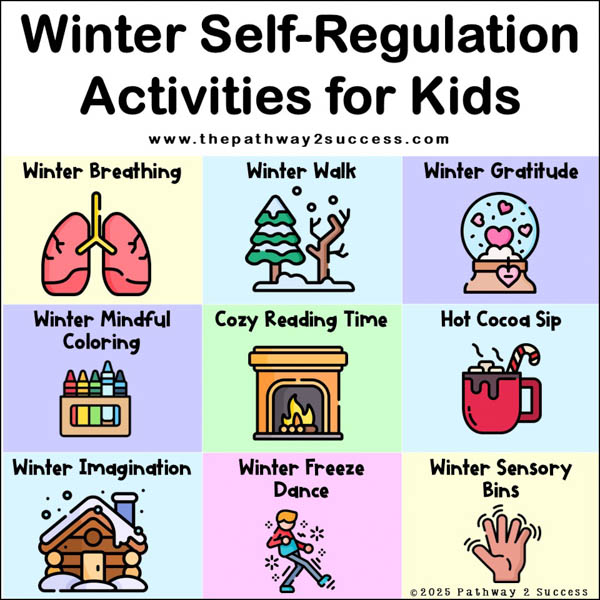
To bridge the gap between theory and practical application, experts recommend implementing the following ten activities. Each is tailored to address winter-specific stressors while building lifelong emotional regulation skills.
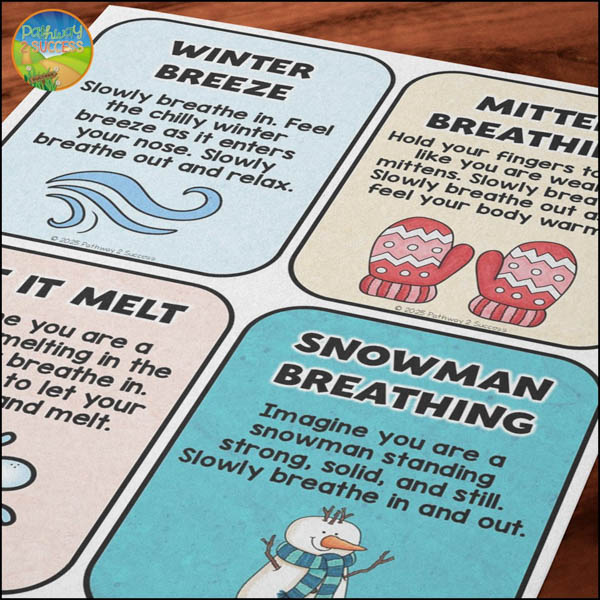
1. Winter Breathing Exercises
What it is: Deep, structured breathing exercises anchored by engaging winter imagery (such as smelling hot cocoa or blowing out a candle on a frosty night).
Implementation: Explain to children that mindful breathing acts as a "pause button" for the nervous system. By consciously slowing down inhales and exhales, they can intercept impulsive reactions before they manifest as behavioral outbursts.
Why it works: Directly engages the parasympathetic nervous system, inducing a state of calm, lowering physiological arousal, and boosting cognitive focus.
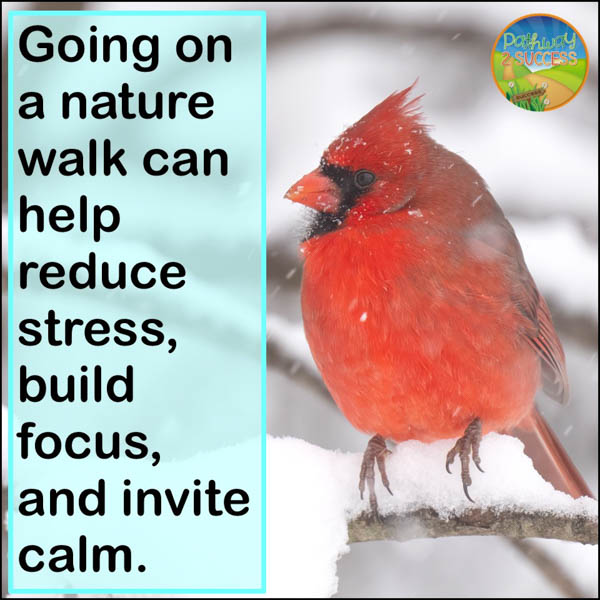
2. Outdoor Nature Walks
What it is: Structured sensory walks where children explore winter landscapes, tuning into what they see, hear, smell, and feel in the crisp air.
Implementation: Establish safety boundaries, bundle up, and guide students to observe subtle winter details—such as the crunch of frozen grass, the texture of bare tree bark, or the chilly breeze against their skin. Follow up with reflective writing or group sharing.
Why it works: Combines physical exercise, fresh air, and natural sunlight exposure with mindfulness, reducing stress and resetting attention spans.
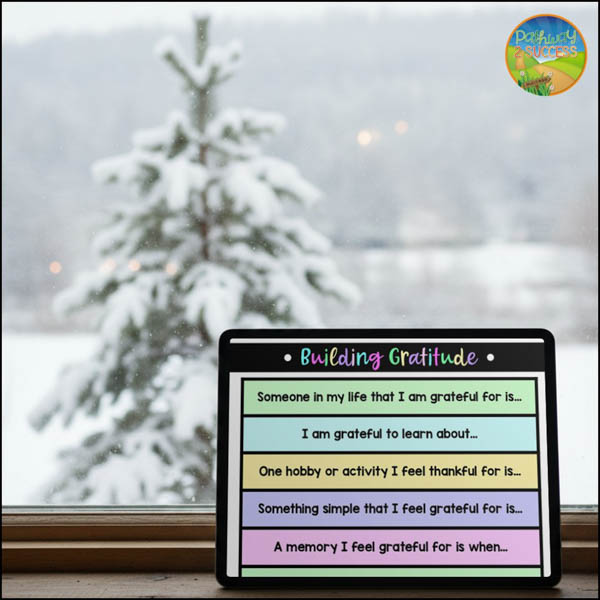
3. Winter Gratitude Reflection
What it is: Intentional journaling or group sharing focused on identifying specific, positive aspects of the winter season.
Implementation: Move beyond generic statements by using gratitude sentence starters. Encourage children to pinpoint micro-moments of joy, such as the warmth of sunlight through a windowpane on a freezing morning or the comfort of a heavy winter blanket.
Why it works: Neuroscientific research confirms that practicing gratitude actively rewires neural pathways to scan for positive stimuli, reducing anxiety, building resilience, and improving sleep quality.
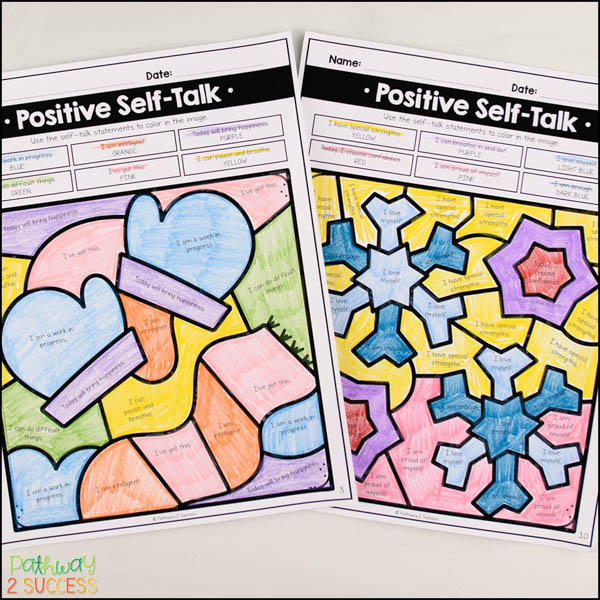
4. Mindful Winter Coloring
What it is: The deliberate act of coloring winter-themed or positive self-talk pages with crayons, colored pencils, or gel pens.
Implementation: Instruct children that the objective is not artistic perfection, but rather the process of slowing down, matching breath to stroke, and letting go of intrusive thoughts.
Why it works: Serves as a dynamic meditation. Unlike silent meditation, which requires absolute stillness, coloring offers tactile movement, making it ideal for children who require kinesthetic output to self-regulate.
5. Cozy Reading Time
What it is: Dedicated quiet reading sessions paired with atmospheric comforts, such as projecting a digital fireplace on a classroom screen.
Implementation: Allow students to read independently or participate in a teacher-led read-aloud. Read-alouds offer the added benefit of co-regulation, creating a shared communal calm.
Why it works: Deep literary immersion lowers heart rates, eases muscle tension, fosters empathy, and provides a healthy psychological escape from daily stressors.
6. Winter Sensory Bins
What it is: Tactile exploration boxes filled with safe, winter-themed materials such as artificial snow, pinecones, cinnamon sticks, cotton balls, and smooth ice-blue glass gems.
Implementation: Provide large containers and let students interact with the textures freely during transition times or designated sensory breaks.
Why it works: Tactile play anchors children in the present moment, satisfying sensory-seeking behaviors while encouraging fine motor control, storytelling, and curiosity.
7. The Mindful Hot Cocoa Sip
What it is: A sensory mindfulness exercise centered around preparing and consuming a warm cup of hot cocoa (or any warm beverage).
Implementation: Guide students to hold the mug to feel the warmth, inhale the rich aroma, take tiny sips, and pause between swallows to notice the physical sensations.
Why it works: Combines sensory grounding with the physiological calming effects of warm liquids on the central nervous system, effectively quieting mental clutter.
8. Winter Imagination and Visualization
What it is: Guided imagery exercises where children close their eyes and mentally travel to a serene, peaceful winter wonderland.
Implementation: Use evocative sensory prompts: What do you hear in the snowy woods? What does the crisp air feel like on your nose? Guide them through imagining a safe, tranquil winter landscape.
Why it works: Harnesses the brain’s neuroplasticity, allowing children to trigger relaxation responses and emotional resetting purely through mental focus.
9. Winter Hands-On Crafts
What it is: Structured creative art projects involving cutting, gluing, and assembling winter motifs (paper snowflakes, animal tracks, woven winter scarves).
Implementation: Offer a mix of guided instruction and creative freedom. Observe how children manage frustration when a craft does not go as planned.
Why it works: Integrates fine motor skills, focus, and sequential thinking while offering a safe micro-environment to practice emotional endurance when facing minor challenges.
10. Winter Freeze Dance and Movement Games
What it is: A high-energy physical game where children dance to music and must instantly freeze in place upon hearing a designated winter vocabulary word.
Implementation: Play upbeat music, let children burn off excess physical energy, and inject sudden cognitive challenges by introducing prompt words like "blizzard," "icicle," or "snowflake."
Why it works: Masterfully combines kinetic release with rapid executive functioning control, teaching the brain how to toggle swiftly between high-energy output and absolute physical stillness.
Future Outlook
As educational institutions and parenting philosophies increasingly prioritize Social-Emotional Learning (SEL), the approach to seasonal behavioral challenges is undergoing a fundamental transformation. Rather than viewing winter dysregulation as an inevitable disciplinary hurdle, forward-thinking schools and households are embracing proactive, regulation-rich environments.
Looking ahead, the integration of mindfulness, sensory-informed spaces, and structured emotional check-ins into daily winter curricula is projected to expand. Experts predict that as longitudinal data continues to validate the academic and psychological benefits of these interventions, school districts will allocate greater resources toward mental health toolkits and professional development for educators.
Ultimately, equipping children with robust self-regulation strategies during the most challenging months of the year does more than ensure a peaceful winter season. It lays the groundwork for lifelong emotional intelligence, resilience, and mental well-being well into adulthood.