

Executive Overview
In an era defined by hyper-connectivity, the proliferation of digital content has fundamentally altered how spiritual guidance, theological instruction, and biblical interpretation are disseminated. While digital platforms afford unprecedented opportunities for global evangelism and discipleship, they have concurrently lowered the barriers to entry for unvetted voices. Across the global church, leaders and theologians are increasingly sounding the alarm regarding a sophisticated surge of theological distortion, heretical teaching, and spiritual manipulation.
Addressing this critical vulnerability, the hosts of the Read, Do, & Tell podcast, Becky and Amy, have dedicated a comprehensive multi-episode series—culminating in Episode 28, titled "Look out for False Teachers!"—to equipping believers with the tools necessary to identify and combat modern spiritual deception. Moving beyond merely naming individual offenders or cataloging specific theological errors, the hosts focus on empowering Christians with actionable discernment. By outlining nine distinct behavioral patterns and character red flags common to false teachers, the podcast seeks to transform passive consumers of religious media into discerning Bereans capable of navigating the complex landscape of modern faith communities, both online and in person.
Detailed Chronology: The Evolution of a Multi-Part Theological Discourse
The conversation surrounding theological integrity and the dangers of false teaching did not emerge in a vacuum; it represents a methodical, step-by-step examination conducted by the Read, Do, & Tell ministry over several weeks.
- The Foundational Episodes (Episodes 23 & 24): Becky and Amy initiated their deep dive into the subject by addressing the biblical definition and historical context of heresy. During these initial installments, they established why false teaching is treated as a severe existential threat within both biblical texts and historical orthodoxy. They emphasized that false teaching is not merely a benign difference of opinion on secondary matters, but an intentional distortion of the foundational tenets of the Christian gospel.
- Case Studies and Identification (Episodes 26 & 27): Building upon their theological foundation, the hosts progressed to concrete examples. In these episodes, they examined specific instances of historical and contemporary false teachings, identifying prominent figures and movements that have historically strayed from orthodox scripture. While acknowledging that naming specific purveyors of false doctrine is necessary, the hosts recognized its limitations, noting that doing so indefinitely can leave believers playing an endless game of theological "whack-a-mole" without learning how to spot the underlying patterns of deception.
- The Culmination in Red Flags (Episode 28): Reaching the climax of this series, Episode 28 shifts the strategic paradigm from who the false teachers are to how they operate. Recognizing that wolves in sheep’s clothing rarely advertise their deviations explicitly, Becky and Amy focus the discussion on behavioral indicators, psychological manipulation tactics, and character red flags. By analyzing nine recurring behavioral traits, the episode provides listeners with a diagnostic framework that can be applied universally to any teacher, author, influencer, or pastor.
Supporting Context & Metrics: The Digital Landscape of Modern Heresy
To fully appreciate the urgency of the Read, Do, & Tell podcast’s initiative, one must examine the broader socio-religious ecosystem in which modern believers operate. The democratization of media via YouTube, podcast networks, and social media algorithms has created a unique vulnerability within contemporary Christian culture.
The Shift from Institutional to Algorithmic Authority
Historically, theological oversight was heavily mediated through local church governance, denominational accountability, and peer-reviewed academic literature. Today, however, spiritual consumers frequently bypass traditional vetting structures in favor of algorithmically recommended content. A charismatic presentation style, high production values, and emotional resonance often substitute for rigorous theological training and accountability.

- The Virality Factor: Theological soundbites designed for platforms like TikTok or Instagram frequently divorce complex scripture from its contextual framework, prioritizing emotional affirmation over biblical truth.
- The "Celebrity Pastor" Phenomenon: Sociological studies on modern religious movements highlight a recurring vulnerability to authoritarian leadership structures, where a single charismatic leader operates without effective board oversight or institutional accountability.
Defining Heresy in a Relativistic Culture
Within postmodern Western culture, absolute truth claims are frequently viewed with skepticism. Consequently, calling out a "heretic" or labeling teaching as "false" is often met with accusations of legalism, uncharitability, or sectarianism.
However, biblical orthodoxy maintains a strict demarcation between acceptable secondary disagreements (such as modes of baptism or church governance styles) and primary doctrinal distortions. As explored in the podcast, true heretical teaching intentionally distorts or contradicts the pure gospel as revealed in Scripture—specifically undermining core doctrines such as the divinity of Christ, the necessity of grace, the reality of sin, and the exclusivity of the resurrection.
Official Statements and Core Teachings: Dissecting the Nine Red Flags
While Episode 28 utilizes audio-visual mediums like YouTube to reach a global audience, the core pedagogical framework centers on arming believers with scriptural discernment. Below is an expanded exploration of the thematic principles and behavioral patterns emphasized in the ministry’s ongoing curriculum.
1. Moving Beyond the Individual to the Behavioral Pattern
The central thesis of the Read, Do, & Tell approach is that false teachers share common behavioral DNA. Rather than waiting for a teacher to explicitly deny the resurrection—which rarely happens overtly at the outset—discerning believers must look for subtler, systemic warning signs in how these individuals conduct themselves, handle money, treat critics, and interpret scripture.
2. The Mechanics of the "Wolf in Sheep’s Clothing"
Scriptural warnings, such as those found in the Pauline epistles and the book of Jude, consistently depict false teachers not as obvious opponents of the faith, but as insiders who infiltrate communities deceptively. The podcast highlights how modern wolves utilize religious jargon, cultural relevance, and appeals to empathy to bypass critical evaluation.
3. Emphasizing Biblical Literacy as a Shield
Becky and Amy continually redirect their audience away from personality-driven Christianity and back to rigorous personal engagement with the text. Referencing the biblical example of Ezra—who dedicated his life to reading, doing, and telling the Word of the Lord—the ministry stresses that the primary antidote to deception is deep, contextualized Bible literacy. Believers who intimately know the true text are best equipped to spot counterfeit versions.
Future Outlook: Equipping the Church for Tomorrow’s Challenges
As artificial intelligence, deepfakes, and increasingly sophisticated digital influencers reshape the dissemination of information, the challenges facing Christian discernment will only intensify. The ability to discern truth from sophisticated falsehood is no longer an optional academic pursuit for seminary students; it is an essential life skill for every modern believer, from children to mature adults.
The Role of Supplemental Discipleship Tools
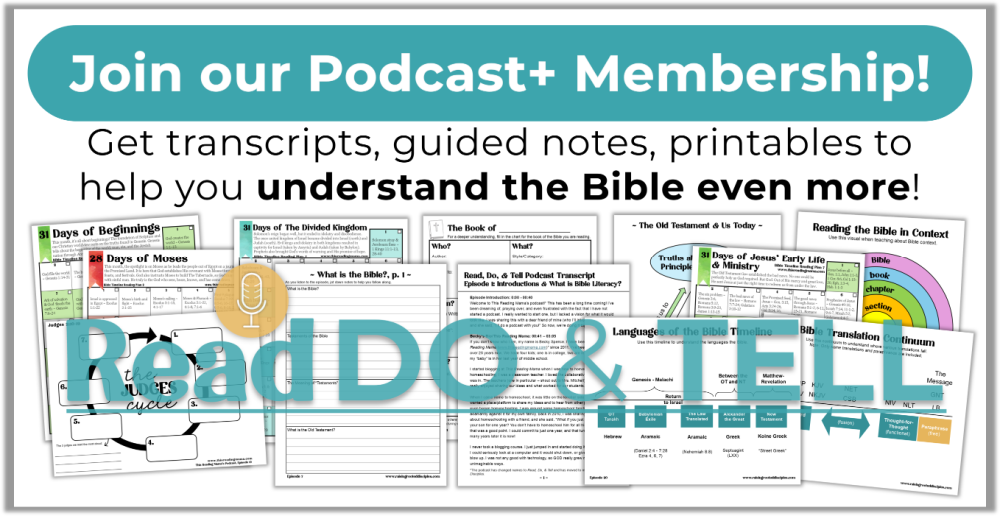
To combat these rising tides of confusion, ministries are increasingly moving toward structured, community-based educational models. Resources such as the Read, Do, & Tell Podcast+ Membership—which offers transcripts, guided notes, comprehensive Bible reading plans, and specialized study tools—represent a proactive shift in modern discipleship. By moving audiences from passive listening to active study, these tools foster a culture of Berean-style evaluation, where teachings are constantly cross-referenced against the authority of Scripture.
A Call to Vigilance and Action
Ultimately, the discourse initiated by Becky and Amy serves as a timely reminder that the historical mandate to guard the gospel entrusted to the church remains unchanged. By learning to recognize the behavioral red flags of false teaching, anchoring themselves in robust biblical literacy, and fostering communities of mutual accountability, believers can navigate the digital age with confidence.
The battle against theological distortion is not won through reactionary panic, but through the steady, disciplined application of truth—ensuring that the next generation remains rooted, discerning, and unshakeable in their faith.

