
Executive Overview
In the high-stakes environment of modern education, instructional coaching and school leadership often pivot on a singular objective: driving change. Whether implementing a new curriculum, altering classroom management strategies, or adopting technology, coaches and administrators regularly ask educators to modify their instructional habits. Yet, these well-intentioned directives frequently encounter a formidable wall of resistance.
Traditionally, educational systems have diagnosed this friction as a flaw inherent to the teacher—characterizing pushback as stubbornness, institutional fatigue, or an unwillingness to innovate. However, renowned educational author, coach, and consultant Elena Aguilar challenges this long-held assumption in her ninth and latest book, How to Coach Resistance: Turning Pushback Into Possibility.
Aguilar posits a radical reframing: resistance is not a static character trait belonging to an individual, but rather a dynamic, interactive phenomenon co-created by both the teacher and the coach. By shifting the focus away from assigning blame and toward examining the interactive dance of communication, Aguilar argues that educators and leaders hold the power to completely transform conflict. Through practical frameworks such as the ACE (Acknowledge, Cultivate, Expand) model and the Gaps Framework, this comprehensive guide explores how educational leaders can decode the emotions, structural gaps, and legitimate ethical objections underlying pushback, turning moments of friction into catalysts for genuine pedagogical evolution.
Detailed Chronology: The Evolution of Coaching Dynamics
To understand the current state of instructional coaching and the paradigm shift represented by Aguilar’s work, it is necessary to examine how the relationship between teachers and evaluators has evolved over the past several decades.
The Eras of Educational Supervision
- The Compliance Era (Late 20th Century): For decades, classroom observation and coaching functioned primarily as top-down evaluation. Principals and administrators dropped in with standardized rubrics to judge compliance. Resistance during this era was met with administrative mandates rather than inquiry, fostering a culture of compliance rather than collaboration.
- The Rise of Instructional Coaching (Early 2000s): As educational research shifted toward adult learning theory, the role of the "instructional coach" emerged. This position was designed to be non-evaluative—a supportive peer or expert meant to guide teachers through iterative improvements. However, because many coaches inherited structural expectations from the traditional evaluation model, the old friction remained: coaches brought initiatives, teachers brought skepticism.
- The Post-Pandemic Educational Crisis (2020–Present): Burnout, staffing shortages, and sweeping policy mandates created an educational landscape saturated with stress. Teachers faced unprecedented emotional exhaustion, making traditional coaching frameworks obsolete. When coaches pushed for rapid pedagogical changes, overwhelmed educators frequently met these requests with profound resistance. It is out of this crucible of systemic fatigue that Aguilar’s contemporary insights have emerged.
Aguilar’s methodology traces its roots back through her extensive career as an instructional coach and her previous foundational works on emotional resilience in education. In her latest work, she synthesizes years of field research to map out how two professionals in a room can inadvertently lock horns, creating a feedback loop of defensiveness. By pinpointing the exact moments where well-meaning coaching language inadvertently triggers fight-or-flight responses in teachers, Aguilar provides a chronological roadmap for de-escalation: moving from reflexive defense to empathetic curiosity.

Supporting Context & Metrics: Unpacking the Anatomy of Pushback
Resistance in educational spaces is rarely random; it is fueled by intersecting emotional, structural, and cultural realities. To effectively navigate these waters, coaches and leaders must look closely at the underlying components driving educator pushback.
The Two-Handed Push Dynamic
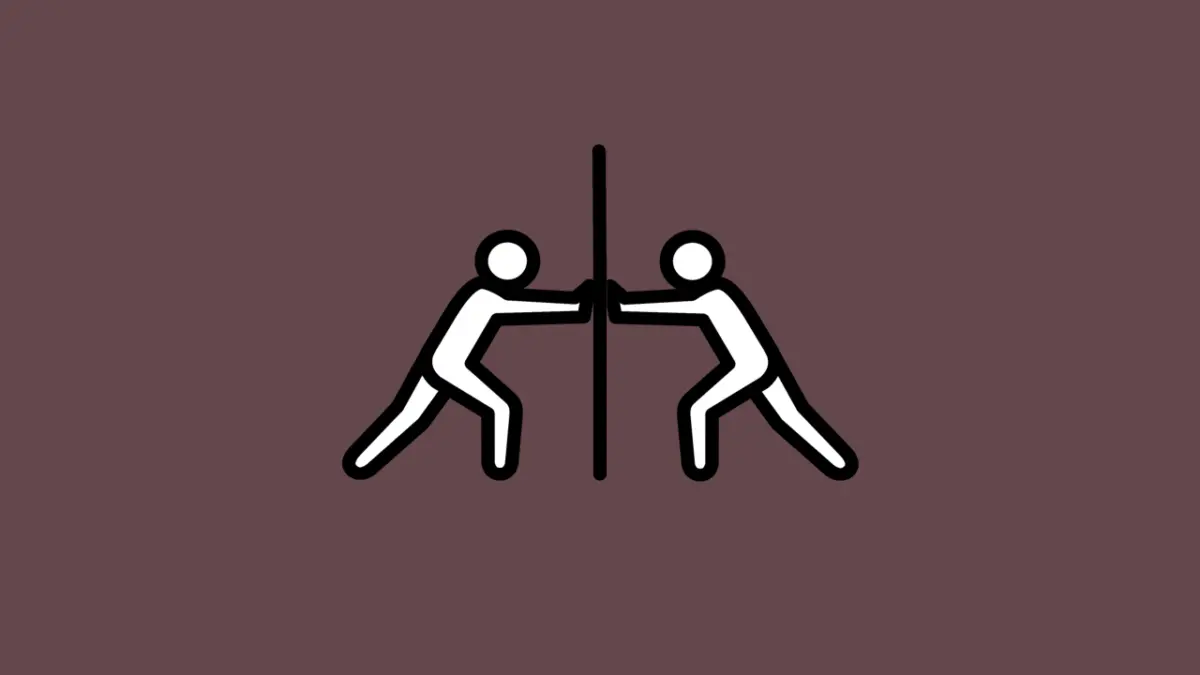
Aguilar uses a visceral metaphor to describe the pushback phenomenon: two people pressing their hands against each other. The pressure is never unilateral. When a coach insists on a specific curriculum implementation, they are applying external pressure. If a teacher replies that their students "cannot handle the material," they are applying counter-pressure.
- The Fear Factor on Both Sides:
- The Teacher: Worries about failure, loss of classroom control, inadequacy, or student demoralization.
- The Coach: Worries about failing their administrative mandate, losing credibility, or being unable to move the needle on school-wide metrics.
- The Solution of De-escalation: By dropping one hand—metaphorically halting the push and replacing defensiveness with inquiry—the dynamic shatters. The coach stops arguing for the curriculum and starts investigating the operational friction.
The ACE Framework
When a coach successfully de-escalates the immediate tension, they frequently uncover deep-seated emotional undercurrents. Aguilar introduces the ACE framework to navigate these emotional landscapes effectively:
- Acknowledge Emotions: Coaches do not need clinical degrees to validate a teacher’s emotional state. By making space to name emotions collaboratively—such as asking, "It sounds like there’s some apprehension here; does that feel accurate?"—coaches signal psychological safety. Utilizing resources like Aguilar’s Core Emotions tool allows educators to drill down from surface-level stress to pinpoint root emotions like fear or shame.
- Cultivate Compassion: Self-judgment is a powerful deterrent to growth. Teachers often hold themselves to impossible standards, which bleeds into harsh judgments of students or administrators. Cultivating compassion often starts with a simple reframing question: "What would you say to a best friend going through this exact challenge?" Furthermore, Aguilar notes that an invitation to self-compassion fails if the coach has not actively practiced it within their own professional life.
- Expand the Story: Human beings create narratives to make sense of struggle (e.g., "This curriculum is garbage" or "My students are incapable"). Expanding the story means unpacking these beliefs and consciously introducing alternative possibilities, thereby bridging the emotional divide back to practical instruction.
The Gaps Framework: Diagnosing Root Needs
When moving from emotional validation to structural problem-solving, educational leaders often misdiagnose the underlying barrier. Labeled "resistant" teachers are frequently assumed to suffer from a will gap—the presumption that they simply refuse to do the work. Aguilar’s Gaps Framework expands this diagnostic lens into six distinct categories:
- Skill: The physical capability to perform a pedagogical action.
- Knowledge: The theoretical understanding required for implementation.
- Capacity: The systemic resources—such as time, energy, and manageable workloads.
- Will: The internal motivation and belief in the value of the task.
- Emotional Intelligence: The capacity to regulate emotions and navigate interpersonal stressors.
- Cultural Competence: The ability to understand and effectively engage across cultural differences.
By systematically evaluating these six areas, a coach might discover that what appeared to be an unwillingness to teach a reading-heavy math curriculum was actually a knowledge and skill gap born of a lack of foundational training.

Legitimate Resistance: The "Righteous" Pushback
Crucially, Aguilar’s work validates a reality that many administrative frameworks ignore: sometimes, teacher pushback is entirely justified. If a kindergarten teacher is ordered to enforce sedentary, desk-bound instruction for an hour, their resistance is not a pedagogical failure; it is developmentally appropriate and rooted in professional ethics. Recognizing "righteous resistance" forces school leaders and instructional coaches to evaluate their own institutional alignment and create safe channels for dissent.
Official Insights and Philosophy
To contextualize the broader implications of Aguilar’s approach, we look to her core philosophies articulated across her extensive body of work with Bright Morning Consulting:
"If you don’t want to experience resistance, drop your hand. Stop exerting your own pressure against their pressure… This is not to blame you. It is the most hopeful thing I can tell you, because it means resistance is not fixed. It is determined at least in part by what you bring into the room, and what you bring is something you can change."
— Elena Aguilar
Aguilar emphasizes that coaching is fundamentally an act of partnership, not supervision. The ultimate goal is to disarm the power dynamics inherent in school hierarchies so that an educator can authentically state: "I’m not here to judge you. I’m not going to tell you what to do. I want to be a partner. I want to help you work through this."

Expert Takeaways for Implementation
- Shift from Prescriptive to Exploratory Language: Replace statements of direction with questions of inquiry. Instead of telling a teacher how to manage a classroom, explore what obstacle is preventing them from achieving their desired environment.
- Invest in Self-Work: Instructional coaches must examine their own triggers, biases, and anxieties before entering coaching sessions. Unresolved anxiety in a coach inevitably exacerbates defensiveness in a teacher.
- Dismantle the "Deficit" Mindset: Reframe every teaching obstacle not as a personal or professional defect, but as an objective area for growth supported by targeted resources.
Future Outlook: Transforming School Cultures Through Reflective Coaching
As educational institutions navigate the complexities of the 21st century, the traditional models of top-down mandates and adversarial evaluations are proving increasingly counterproductive. The future of school improvement lies in relational, emotionally intelligent leadership.
By integrating frameworks like the ACE model and the Gaps Framework into professional development pipelines, school districts can fundamentally alter how they approach adult learning. When instructional coaches are trained to view resistance not as an operational roadblock, but as valuable data signaling emotional distress, structural deficits, or ethical concerns, school ecosystems begin to heal.
Ultimately, turning pushback into possibility requires institutional courage. It requires school leaders to admit that they, too, contribute to the communicative loops of the classroom. By dropping their hands, extending genuine compassion, and committing to deep, collaborative inquiry, educational communities can transition away from burnout and compliance—opening the door to sustainable, joyful, and transformative professional growth.

