Cultivating Connection: How One High School Teacher’s "Octopus Wall" Revolutionizes Peer Affirmation in the Classroom
Lina Irawan September 26, 2026 81 views 0 Comments
Executive Overview
In the modern high school classroom, academic rigor is frequently matched—and sometimes overshadowed—by the pressing need for social-emotional well-being, community building, and psychological safety. Educators constantly search for sustainable, authentic methods to ensure students feel seen, valued, and understood by both their teachers and their peers. Enter Marcus Luther, a high school educator and writer behind The Broken Copier, who has spent over a decade refining a deceptively simple yet profoundly transformative system of peer affirmation.
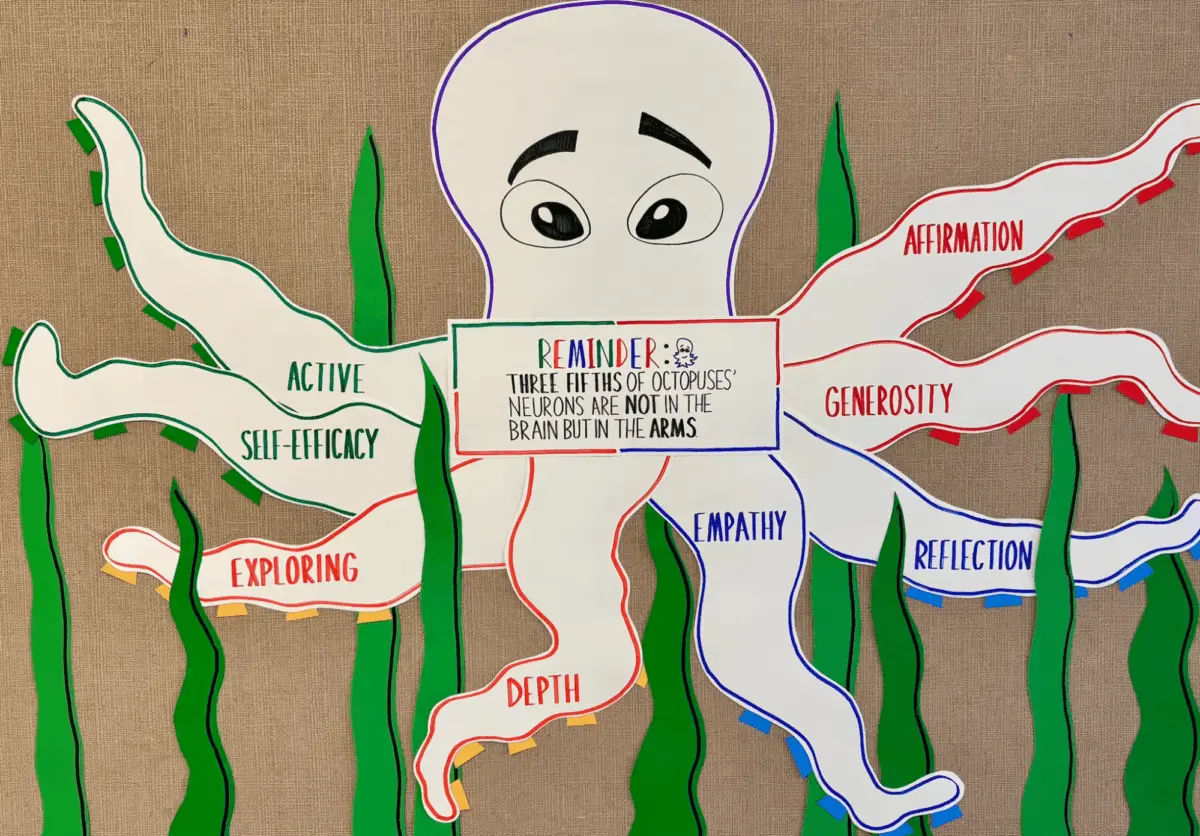
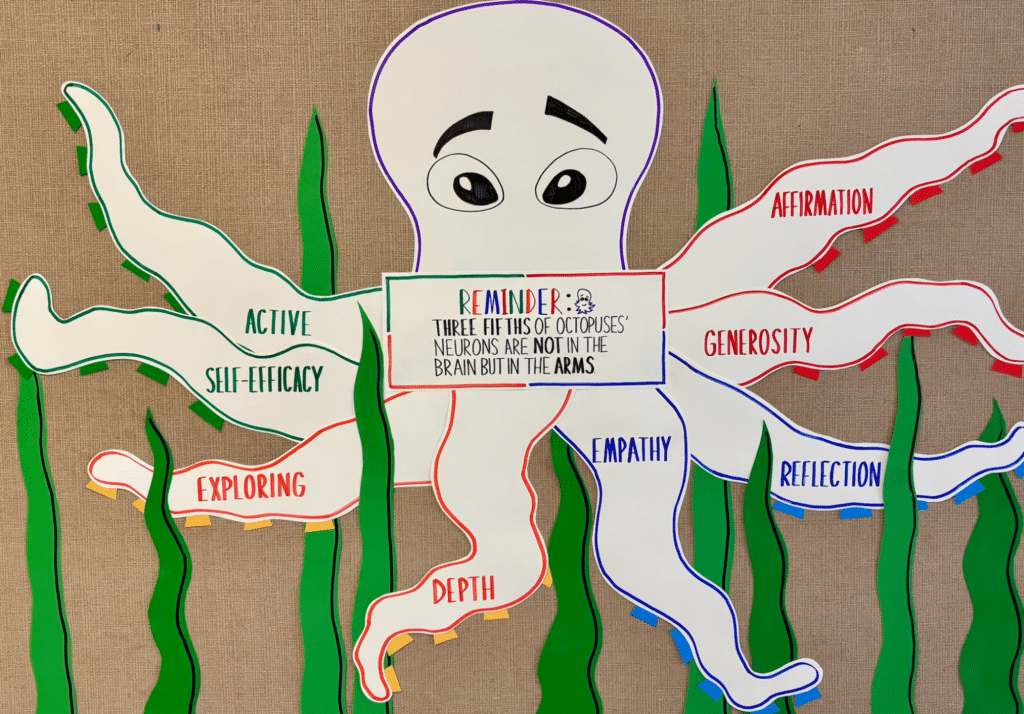
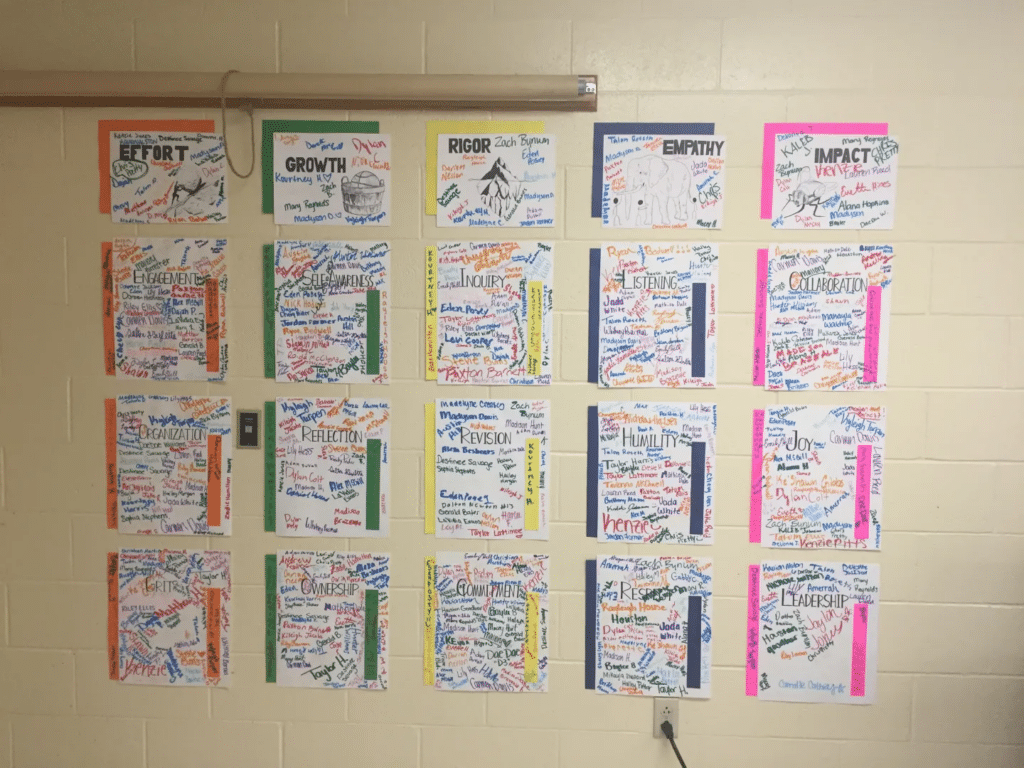
At the heart of Luther’s methodology is a visual centerpiece affectionately known by his students as “the octopus.” Taking up a significant portion of the classroom wall, this sprawling assembly of posters begins the academic year entirely blank. Week by week, however, it fills with student signatures. Each signature is the hard-earned result of a student being anonymously nominated by their classmates for actively living out core classroom values.
What begins as an intriguing visual art piece rapidly evolves into a high-impact cultural ritual. By blending anonymous peer nominations, structured digital tracking via Google Forms and Sheets, and weekly celebration rituals—complete with class-specific ink colors and public applause—Luther has created a replicable blueprint for fostering empathy, recognition, and community in secondary education. This report investigates the mechanics of Luther’s peer affirmation system, its pedagogical underpinnings, its real-world implementation challenges, and its long-term benefits for student development and teacher efficacy.
Detailed Chronology: The Evolution of "The Wall"
The genesis of Luther’s peer affirmation framework did not arrive fully formed; rather, it evolved through years of iterative classroom experimentation, observation, and adaptation.
Phase 1: Inspiration and Early Iterations
The foundational concept was first sparked when Luther visited his wife’s fifth-grade classroom. Witnessing her intentionality in establishing core classroom values—and her practice of encouraging young students to write brief, positive notes of affirmation to one another—left a lasting impression. Recognizing that older students also craved validation and community, Luther sought to adapt the concept for high schoolers.
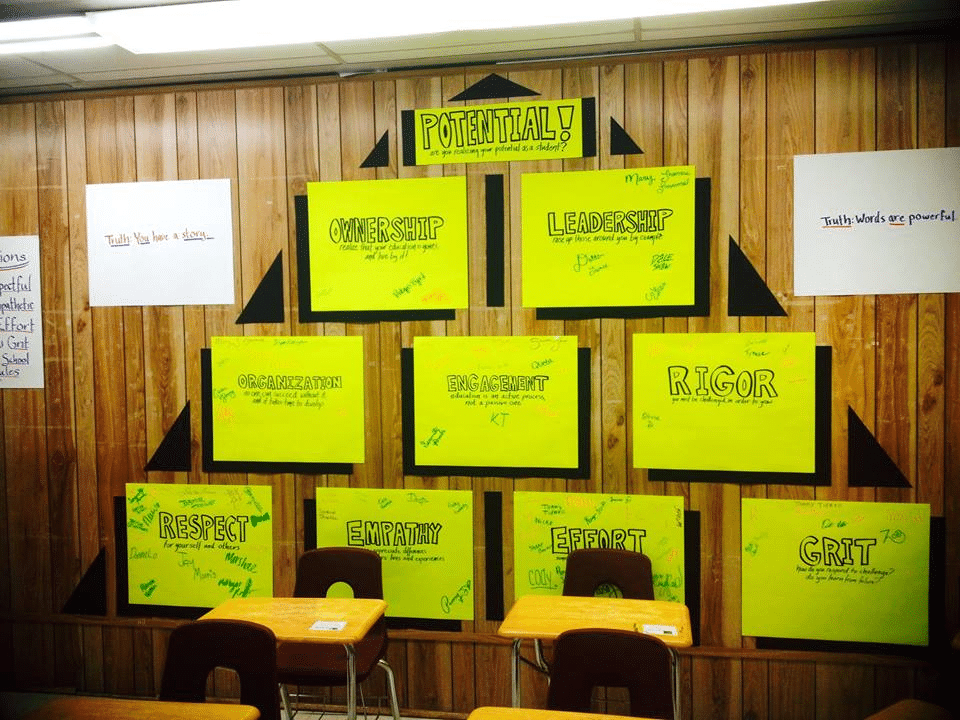
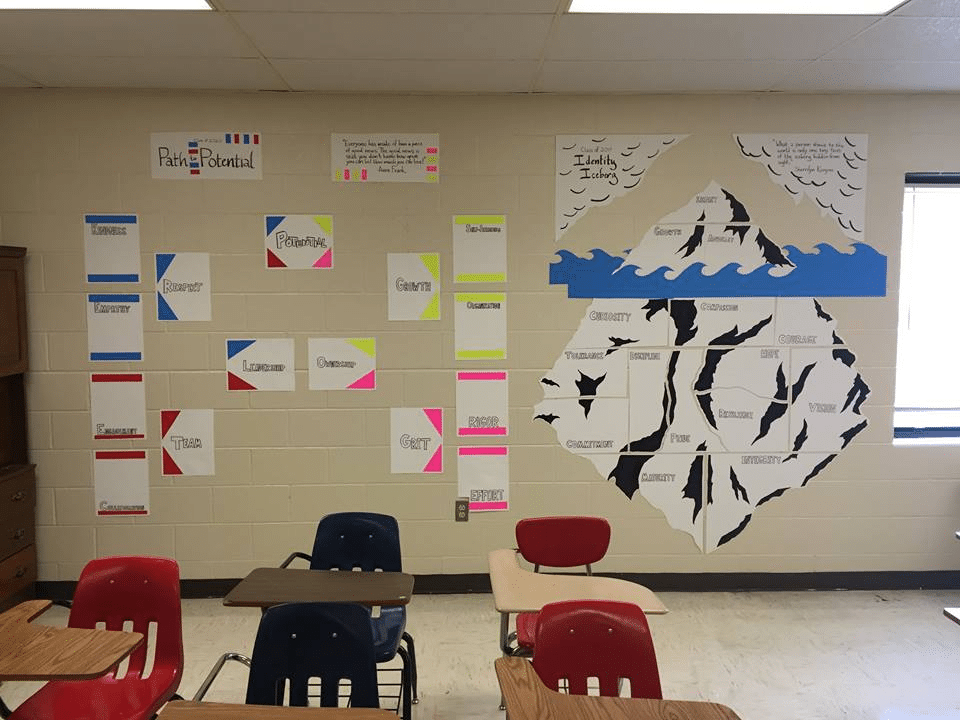
In his earliest classrooms, Luther drew heavy inspiration from legendary basketball coach John Wooden’s famous "Pyramid of Success." During his initial years of teaching, he constructed a physical pyramid on the classroom wall representing foundational values. However, as the years progressed, Luther recognized the need for flexibility and student ownership. The pyramid gave way to various iterations of "the wall"—a dynamic series of thematic posters displaying core community principles that students could sign upon receiving peer recognition.
Phase 2: Finding the Octopus
Over time, the visual layout of the wall transformed into an octopus. Each of the octopus’s appendages came to represent a distinct classroom value (such as active participation, depth, self-efficacy, and collaboration). This whimsical shape served multiple purposes: it immediately captured student curiosity at the beginning of the school year, provided a clear structural categorization for different behavioral values, and offered enough surface area to accommodate a semester’s worth of enthusiastic signatures.
Phase 3: Modern Digital Integration
In its contemporary iteration, Luther’s system bridges analog classroom culture with modern digital tools. While the physical octopus remains prominently displayed on the wall, the backend management of the system relies heavily on Google Forms and Google Spreadsheets. This digital pivot allows Luther—who teaches approximately 150 to 180 students across six distinct sections—to efficiently collect, sort, and archive nominations without drowning in paperwork. The transition from chaotic paper slips to organized digital repositories transformed the project from a well-intentioned classroom gimmick into a sophisticated, data-backed instrument for student advocacy.
Supporting Context & Metrics: The Mechanics of Peer Affirmation
Implementing a peer affirmation system in a high school environment requires careful planning and strategic scaffolding. Luther breaks down the mechanics into three core phases: preparation, the nomination process, and the classroom ritual of "signing the wall."
1. Preparing the Classroom Values
Before students ever step foot in the classroom, the educator must determine which values will anchor the community. While some educators prefer to co-create these values with students during the first week of school, Luther takes a pragmatic approach. Managing nearly 180 high school students amidst the chaotic opening weeks of a semester makes immediate co-creation difficult. Instead, Luther relies on end-of-the-year reflections from the previous cohort.
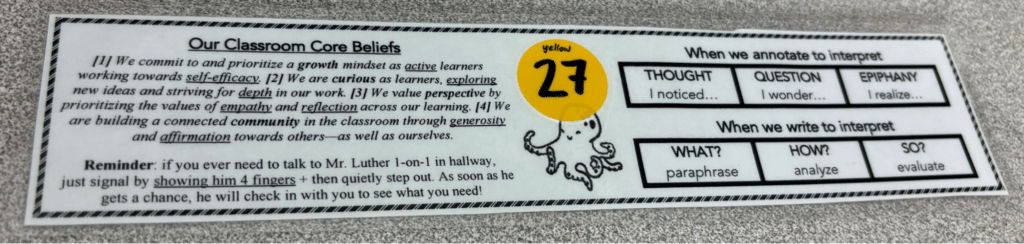
At the close of each school year, Luther asks his students to evaluate which values mattered most to them and suggest modifications. This feedback loop allows incoming students to inherit a refined, student-tested framework. Furthermore, these core beliefs are integrated directly into the physical environment—appearing not only on the octopus wall and classroom posters but also on custom decals affixed to individual student desks.
Luther emphasizes that choosing the right number of values is critical. Too few values can limit the scope of positive behaviors recognized; too many can dilute their meaning. Luther has found that eight values strike the optimal balance, aligning neatly with the octopus motif while providing a wide enough behavioral lens for students to spot and reward positive contributions.
2. The Anonymous Nomination Process
The most intimidating hurdle for educators attempting this system is encouraging teenagers to thoughtfully and sincerely nominate their peers. Luther addresses this by waiting two to three weeks into the school year before launching the first nomination cycle. This grace period allows initial community-building activities to take root and builds a sense of healthy mystery around the blank octopus posters adorning the wall.
When nominations officially open, Luther establishes strict criteria:
Anonymity: Nominations are submitted via a standardized Google Form, ensuring that students feel safe expressing genuine admiration without social anxiety or peer pressure.
Justification: Students must name a specific classmate, select the corresponding value, and provide a detailed explanation of how that peer demonstrated the value in class.
Scaffolding: During the first implementation, Luther shares exemplar nominations from previous years and occasionally models the process by nominating students himself to build momentum.
While the initial setup requires instructional time, subsequent nomination cycles become remarkably fluid. Teachers can seamlessly embed the Google Form link into routine exit tickets, weekly check-ins, or post-quiz reflections.
3. "Signing the Wall" as a Classroom Ritual
The culmination of the weekly nomination cycle is the classroom ritual known as "signing the wall." Luther treats this event with intentional fanfare. Utilizing class-specific pen colors (e.g., blue ink for first period, green ink for second period), he announces that it is time to sign the wall.
Opening his master spreadsheet, Luther reads aloud the justification for a nomination without revealing the student’s name:
"Every time I see them get called on or we go over answers they always have an answer and go into great detail explaining their answer…"
After a deliberate pause, he announces the recipient and the value:
"…Signing the wall for self-efficacy—round of applause for Jose!"
The classroom erupts into cheers, the student walks to the wall, selects the designated pen, signs their name beneath the appropriate octopus appendage, and the class moves to the next nomination. This public yet supportive ritual transforms private acts of kindness and intellectual engagement into celebrated community milestones.
Official Statements and Pedagogical Insights
Reflecting on over a decade of utilizing this framework, Marcus Luther has documented numerous psychological and social shifts within his high school classrooms.
Addressing the common skepticism surrounding teenage engagement with public praise, Luther notes:
"If you as a teacher show that you care about it, then they will almost always follow suit."
While adolescent eye-rolls are an inevitable part of high school teaching, Luther observes that skepticism frequently melts into genuine investment. The students who project an aura of profound indifference early in the term are often the ones quietly counting their signatures, bringing friends from other classes to admire the wall during lunch, or—in memorable cases—demanding a final signing session even as the final bell of the school year rings.
Beyond the immediate emotional boost for students, Luther highlights several professional and administrative advantages for educators:
Holistic Student Insight: Teachers gain a window into peer dynamics, routinely discovering the quiet, behind-the-scenes positive impacts made by introverted or overlooked students.
Targeted Intervention: The nomination logs provide ready-made material for uplifting pull-aside conversations ("Hey, can I share with you some of the things your classmates have said about you this year?") and positive outreach emails to parents.
Letters of Recommendation: When drafting college or scholarship recommendations, teachers can review accumulated nomination data to pinpoint specific, peer-validated character traits and academic strengths.
Future Outlook: Replicability and Scaling the Model
As education systems increasingly grapple with student alienation, digital distraction, and the erosion of school connectedness, frameworks like Marcus Luther’s peer affirmation system offer a compelling path forward.
The primary strength of the "octopus wall" lies in its inherent scalability and adaptability. While the octopus aesthetic works wonderfully in high school English or humanities classes, the underlying mechanics—core values identification, anonymous peer nomination via digital forms, and structured public celebration rituals—can be replicated across grade levels, from upper elementary classrooms to university lecture halls, and across diverse academic disciplines including STEM and the arts.
Ultimately, Luther’s pedagogical philosophy boils down to a fundamental truth: You value what you make space for. By carving out physical wall space, digital tracking systems, and dedicated classroom minutes for peer affirmation, educators send an unmistakable signal to their students that character, empathy, and mutual support matter just as much as standardized test scores.
As teachers look for sustainable ways to humanize learning environments in the years ahead, systems that empower students to actively look for strengths in each other—and boldly name those strengths to each other—will remain an invaluable asset in modern pedagogy.