
Executive Overview
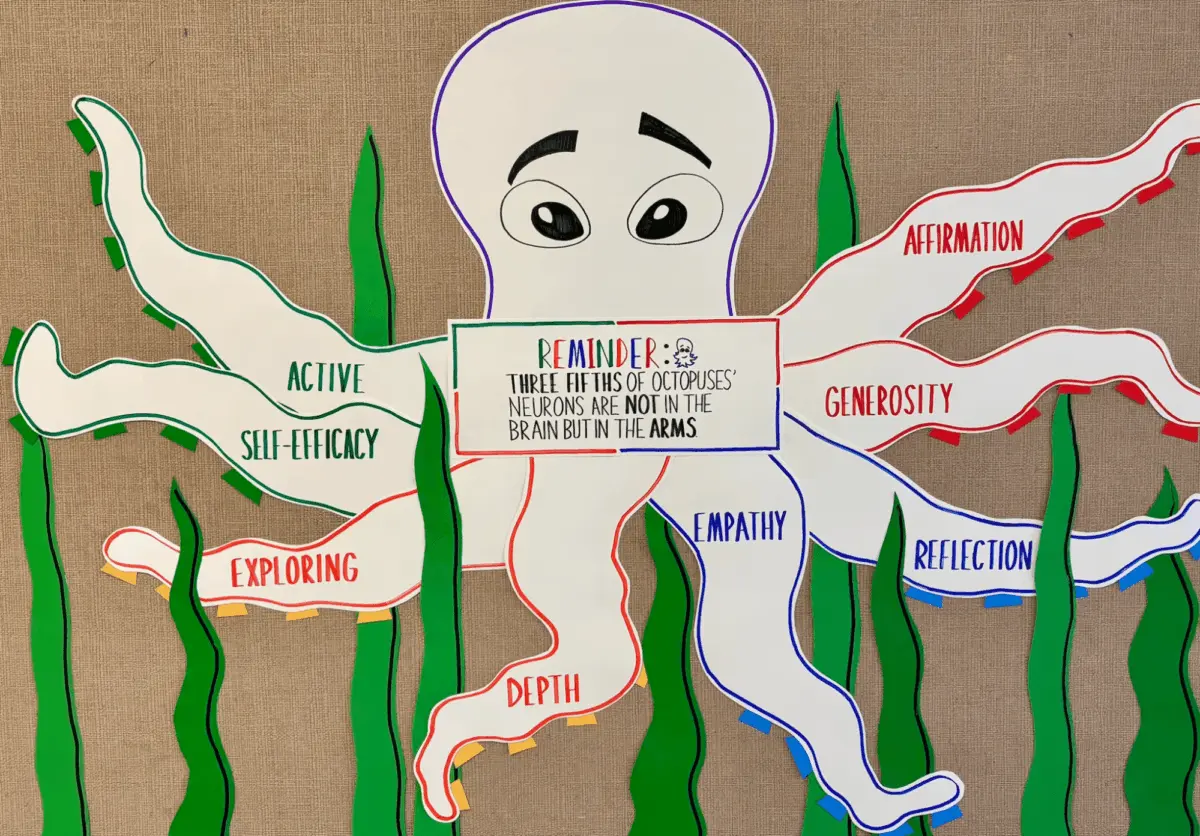
In the modern high school classroom, academic rigor often consumes the entirety of instructional time, leaving social-emotional learning as an afterthought. However, high school educator Marcus Luther has spent over a decade refining a dynamic pedagogical intervention that bridges this gap: a structured peer affirmation system anchored by a large, evolving wall display affectionately known as "the octopus."
What begins on the first day of school as a completely blank poster of an octopus gradually transforms into a vibrant canvas of student recognition. Through an anonymous nomination process, high schoolers—ranging from high-energy freshmen to cynical, college-bound seniors—nominate their peers for embodying core classroom values like active participation, self-efficacy, and intellectual depth.
This deep dive examines the mechanics of Luther’s peer affirmation system, tracing its evolution from a John Wooden-inspired pyramid to a cephalopod-themed centerpiece. By analyzing the structural framework, teacher workflows, psychological impact, and long-term classroom culture benefits, this report explores how deliberate pedagogical spaces for peer recognition can redefine student engagement.

Detailed Chronology: The Evolution of "The Wall"
The genesis of Luther’s peer affirmation framework did not happen overnight; it is the result of a decade-long iterative process.
Phase 1: The Inspiration (The Fifth-Grade Model)
The concept took root when Luther visited his wife’s fifth-grade classroom. Observing her practice of prompting young students to write brief, positive notes to one another—coupled with intentional core values displayed prominently on the walls—planted a seed. Luther realized that high school students, despite their developing independence and occasional veneer of detachment, craved this same sense of intentional community and public acknowledgment.
Phase 2: The John Wooden Pyramid
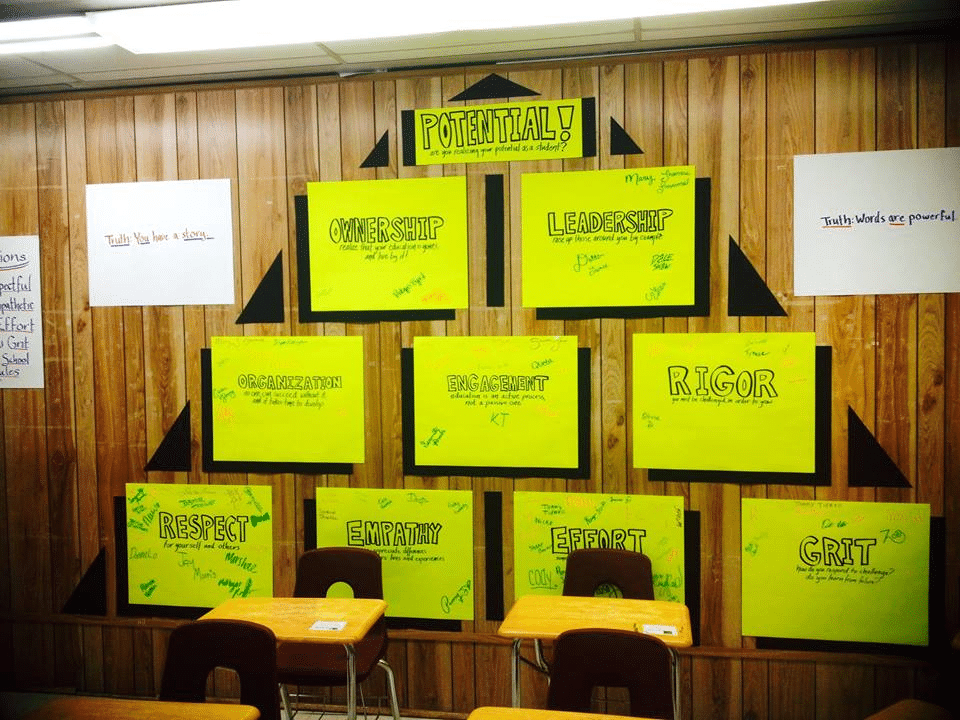
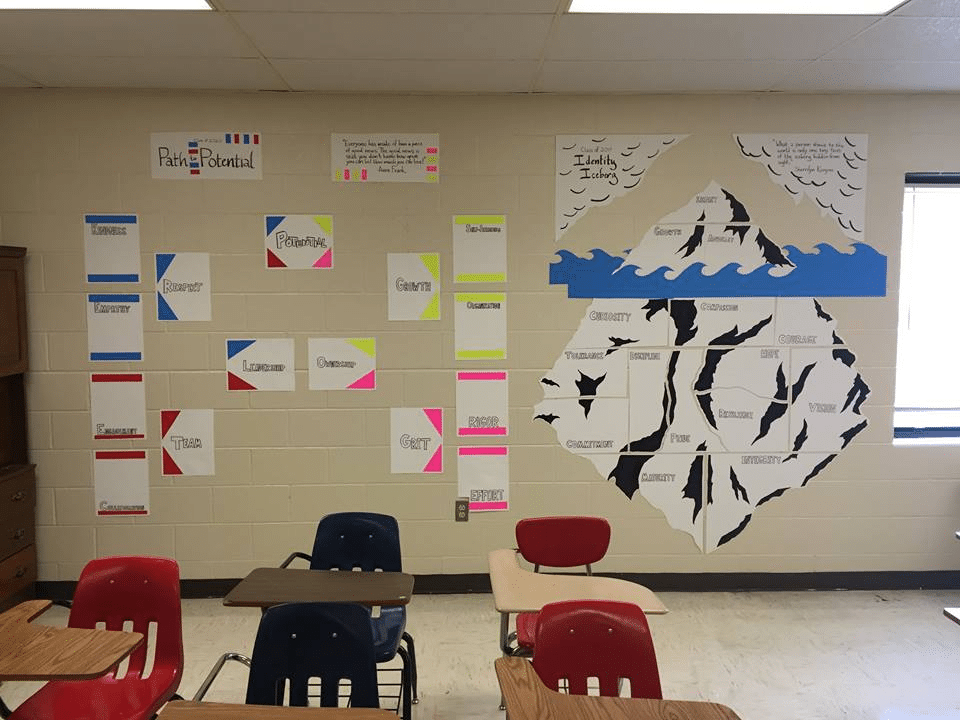
In his earliest years teaching high school, Luther adapted his approach from legendary UCLA basketball coach John Wooden’s "Pyramid of Success." He constructed a pyramid-shaped display on his classroom wall, designating specific blocks for character traits and foundational habits. While successful at a micro-level, the physical architecture of the pyramid felt rigid, prompting the need for a more adaptable visual medium.
Phase 3: Iterations and Evolution
Over several academic cycles, Luther experimented with various visual metaphors to represent core classroom standards. Each iteration aimed to solve a specific logistical challenge: how to display multiple values clearly without cluttering the learning environment, and how to accommodate 150 to 180 students spread across six distinct class periods.
Phase 4: The Birth of the Octopus
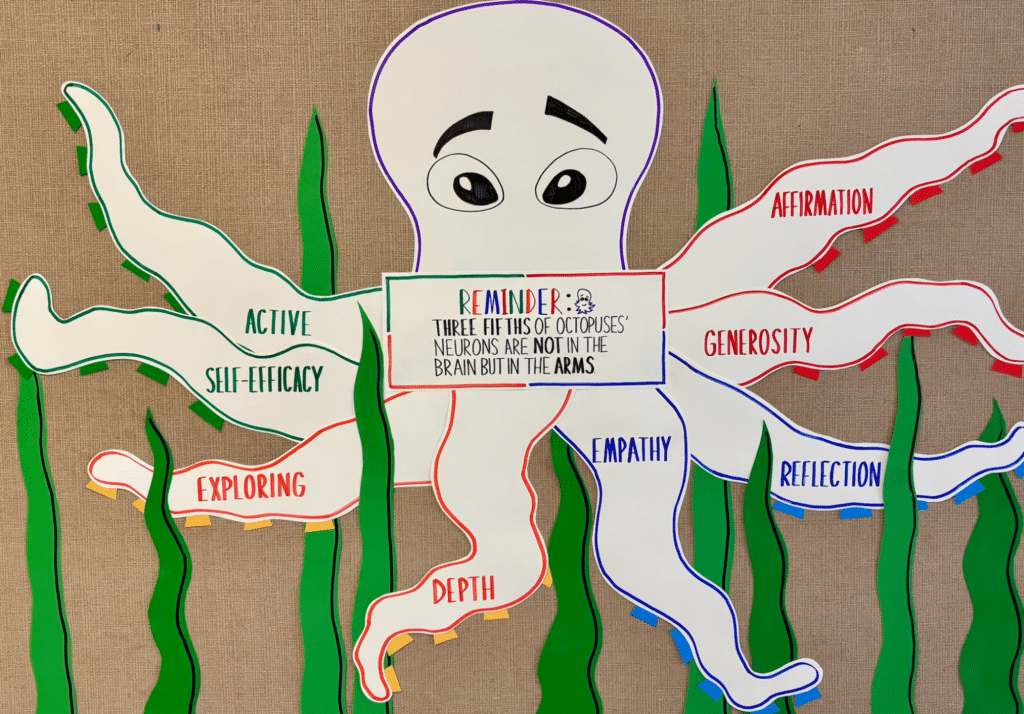
In his current classroom layout, Luther settled on an eight-tentacled octopus. Each appendage of the octopus corresponds to a specific core value. As the academic year progresses, students earn signatures on the octopus by living out these values, turning an otherwise standard classroom wall into a living history of community growth, peer observation, and shared celebration.
Supporting Context & Metrics: Mechanics of the System
Implementing a peer affirmation system across multiple high school sections requires meticulous organization. Luther breaks the implementation down into three distinct operational pillars: preparation, nomination, and ritualization.
1. Preparing the Classroom Environment
Before students arrive, educators must determine which values will anchor the community. While some educators co-create norms with incoming students, Luther finds this approach impractical given his student load of 150–180 pupils across six periods during the chaotic opening weeks of school. Instead, he uses end-of-year surveys from the previous cohort, allowing students to "pay forward" reflections on which values mattered most.
- The Number of Values: Luther settled on eight core values—aligning perfectly with the octopus motif. While fewer values offer structural clarity (ideal for younger learners), a larger set provides broader "look-fors" and prevents students from filling up the posters prematurely.
- Embedded Reinforcement: The values are not merely pinned to a wall; they are reinforced via custom desk decals displaying the classroom’s core beliefs, ensuring daily, tactile reminders.
2. The Peer Nomination Workflow
The nomination process is designed to cultivate genuine reflection rather than superficial praise. Luther waits two to three weeks into the school year—after foundational community-building activities are complete—before introducing the octopus.
- Scaffolding and Modeling: To combat student intimidation or uncertainty regarding what constitutes a valid nomination, Luther models the process by publicly nominating students for specific behaviors. He shares exemplar nominations from previous academic years on the board.
- Digital Integration: Nominations are submitted via a standardized Google Form. Students input a classmate’s name, select a core value, and write a brief qualitative explanation of how that peer demonstrated the value. Crucially, all nominations are anonymous to encourage honest, uninhibited praise.
3. "Signing the Wall" as a Classroom Ritual
Collection and organization are critical. Luther uses a centralized Google Sheet to track incoming data, sorting nominations by class period and value. This digital ledger serves a dual purpose: it acts as an archive for motivation and provides a transparent look at which students are frequently recognized versus those who may be flying under the radar.
At the end of each week, Luther orchestrates a ritualized classroom celebration:
- The Build-Up: Luther retrieves the designated class-period pen (e.g., blue for 1st period, green for 2nd period) and opens the spreadsheet.
- The Blind Read: He reads a nomination aloud without naming the recipient: "Every time I see them get called on or we go over answers they always have an answer and go into great detail explaining their answer."
- The Reveal and Applause: After a strategic pause, he announces the student’s name and value: "Signing the wall for self-efficacy… round of applause for Jose!"
- The Physical Act: The student comes forward, signs the octopus tentacle, and the classroom transitions to the next nomination.
Official Perspectives and Psychological Impact
Skeptics often question whether high school students—particularly cynical juniors and seniors—will genuinely buy into an elementary-style affirmation ritual. Luther’s longitudinal experience counters this assumption directly.
"If you as a teacher show that you care about it, then they will almost always follow suit," Luther notes. While initial skepticism, eye-rolls, and playful resistance are common, the culture of the room invariably shifts. Educators often discover that the students who initially project an aura of total indifference are the ones secretly counting their signatures, bringing friends from other classes to admire the wall during lunch, or—in one memorable instance—demanding a final wall-signing session as the final bell of the school year rings.
Tangible Benefits for Educators and Students
Beyond fostering a warm classroom environment, the peer affirmation system yields concrete professional advantages:
- Enhanced Observational Insight: Teachers gain a window into peer-to-peer dynamics, revealing the quiet leaders and positive influencers who might otherwise escape notice.
- Targeted Intervention: The accumulated data provides a natural script for one-on-one check-ins: "Hey, can I share with you some of the things your classmates have said about you this year?"
- Parent-Teacher Conferences: Sharing peer affirmations during fall conferences transforms standard progress updates into emotionally resonant celebrations of character.
- Letters of Recommendation: When drafting college or scholarship recommendations, teachers can easily cross-reference the spreadsheet archive to pull specific, peer-validated examples of a student’s character and work ethic.
Future Outlook: The Enduring Value of Intentional Space
As educational institutions increasingly grapple with student mental health crises, alienation, and post-pandemic disengagement, interventions like Luther’s peer affirmation wall offer a scalable blueprint for community building.
The underlying philosophy of the octopus system transcends instructional content, addressing a fundamental human need: to be seen, valued, and recognized by one’s peers. As Luther emphasizes, educators ultimately value whatever they make space for in their classrooms.
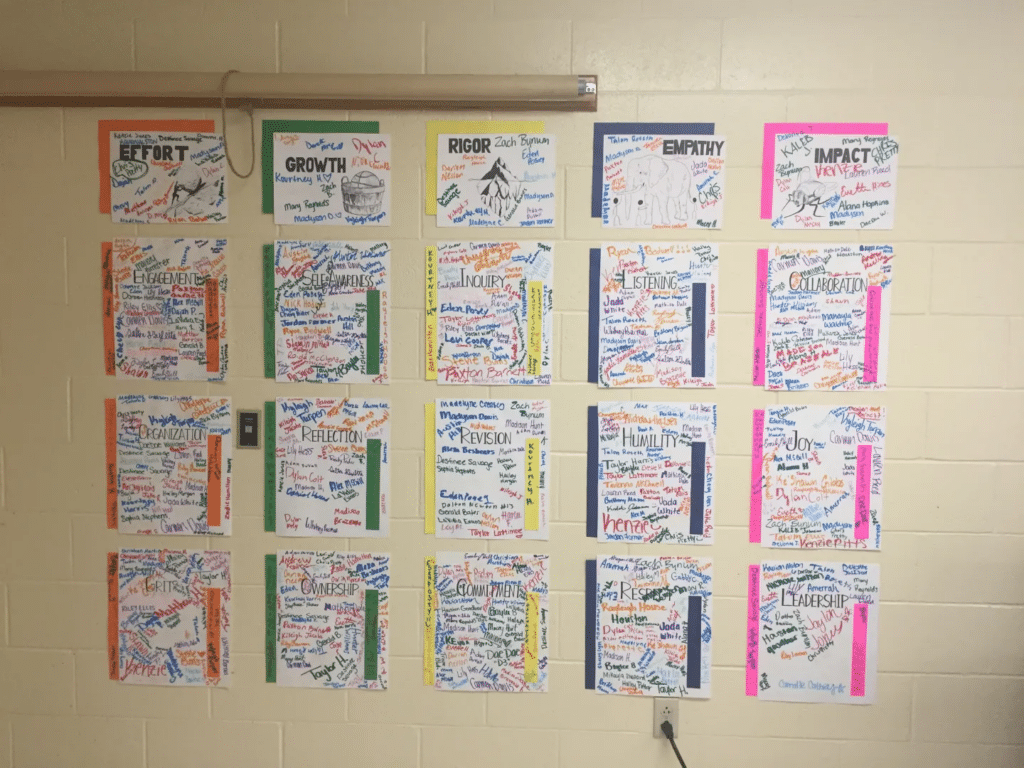
By dedicating physical wall space and instructional time to celebrating student strengths, teachers send an unequivocal message to high schoolers: character, empathy, and mutual support matter just as much as test scores and GPA. For educators seeking replicable, low-cost, and high-impact strategies to humanize their secondary classrooms, the blueprint is clear—start with a framework of core values, invite authentic peer recognition, and watch the classroom culture come alive.

