Cultivating Cognition: How the Great Outdoors Unlocks Executive Functioning Skills in Youth
rifanmuazin September 25, 2026 32 views 0 Comments
Executive Overview
In an era defined by hyper-connectivity, digital saturation, and structured schedules, children and adolescents are spending record-low amounts of time outdoors. At the same time, educators, psychologists, and parents are reporting a worrying decline in executive functioning skills—the foundational, brain-based abilities required to plan, focus, remember instructions, and juggle multiple tasks successfully.
Far from being merely a recreational outlet, the natural world serves as an ancient, highly sophisticated classroom. Emerging research in neuroscience and developmental psychology demonstrates that unstructured, green spaces provide a fertile environment for strengthening these cognitive control systems. Whether it is a dense forest, a neighborhood park, or a school garden, nature acts as a restorative cognitive tonic, reducing stress hormones while concurrently sharpening attention, self-regulation, and mental flexibility.
This article explores the intersection of environmental psychology and childhood development, detailing over a dozen practical, nature-based activities designed to systematically build executive functioning skills in kids and teens. By bridging the gap between scientific literature and actionable outdoor strategies, educators and caregivers can unlock a powerful pathway toward cognitive resilience and lifelong emotional well-being.
Detailed Context: The Mechanics of Executive Functioning
To understand why nature is uniquely positioned to foster cognitive development, one must first examine what executive functioning entails. Often compared to the "air traffic control system" of the brain, these higher-order cognitive processes are managed primarily by the prefrontal cortex. They allow humans to navigate complex environments, regulate impulses, solve novel problems, and adapt to shifting circumstances.
The core components of executive function include:
Working Memory: The ability to retain and manipulate information over short periods.
Inhibitory Control (Self-Control): The capacity to resist distractions, suppress impulsive reactions, and maintain focus.
Cognitive Flexibility: The agility to switch perspectives, adapt to unexpected changes, and learn from mistakes.
When children lack these skills, academic learning becomes arduous, social relationships fracture, and emotional regulation falters. Historically, interventions have relied heavily on classroom-based drills or digital training modules. However, contemporary research suggests that stepping outside may be the most organic and effective remediation tool available.
The Original Classroom: Why Nature Works
The human brain evolved in natural landscapes, making it inherently attuned to processing organic stimuli. Unlike urban environments—which demand "directed attention" to navigate traffic, signs, and digital screens—nature elicits "soft fascination." Natural patterns, such as the rustling of leaves, the movement of water, or the interplay of light and shadow, hold our attention effortlessly without fatiguing the prefrontal cortex.
This restorative effect gives the brain’s executive control center a much-needed break, allowing it to rebuild its reserves. Consequently, when children return from an outdoor excursion, they display superior attention spans, enhanced impulse control, and a greater capacity for flexible thinking.
Supporting Metrics and Scientific Insights
The cognitive and physiological dividends of spending time in nature are heavily supported by empirical research. A landmark study published in Scientific Reports tracking 20,000 individuals revealed that those who spent a minimum of two hours per week outdoors reported significantly higher levels of health and psychological well-being than those who did not.
Additional key findings from the scientific community include:
Stress Reduction: Research highlighted by Harvard Medical School indicates that spending as little as 20 minutes outside actively reduces cortisol (stress hormone) levels and lowers blood pressure.
Cognitive Enhancement: A comprehensive systematic review published in the National Institutes of Health database found robust associations between exposure to green spaces and improvements in working memory, sustained attention, and sleep architecture.
ADHD Symptom Mitigation: Studies focusing on children with Attention Deficit Hyperactivity Disorder (ADHD) have consistently shown that "green walks" can significantly reduce symptoms, outperforming indoor activities in restoring focus.
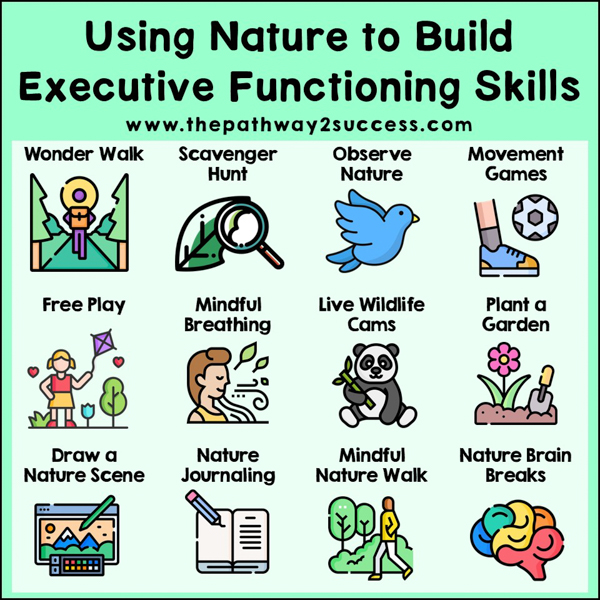
Actionable Strategies: 15 Nature-Based Activities to Build Cognitive Control
Integrating executive functioning development into outdoor play does not require complex curriculum design. Below are fifteen adaptable activities categorized by the specific cognitive skills they target.
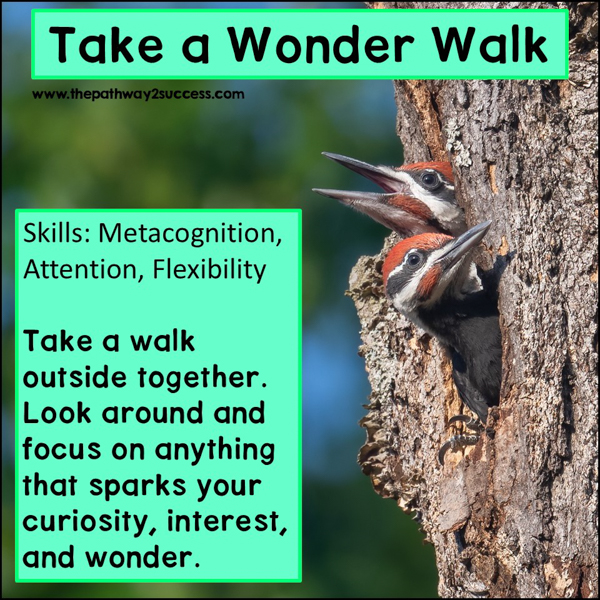
Implementation: Transform a routine stroll into an expedition of curiosity. Encourage children to voice observations or compile a "wonder list"—a collection of questions about natural phenomena (e.g., Why do birds migrate? How does water travel up a tree trunk?). Later, channel this curiosity into active research, fostering perseverance and investigative planning.
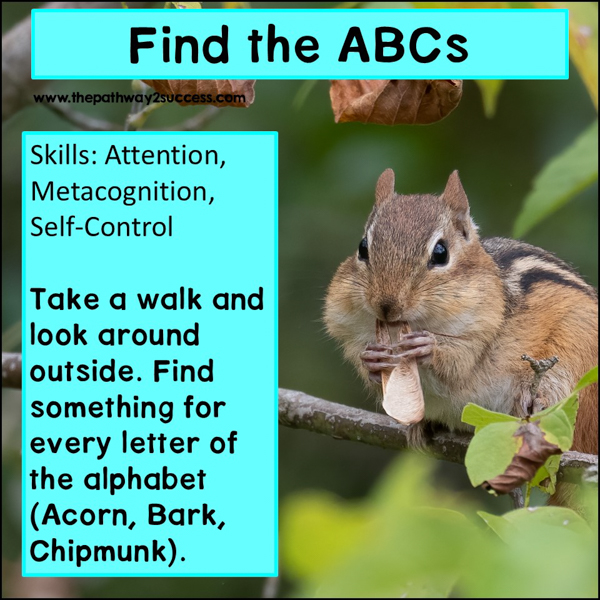
Implementation: While navigating a trail or park, challenge learners to find a natural item corresponding to each letter of the alphabet sequentially (A for acorn, B for bark, C for cloud). This game teaches inhibitory control: children must consciously filter out environmental distractions and redirect their focus back to the current letter whenever they stray.
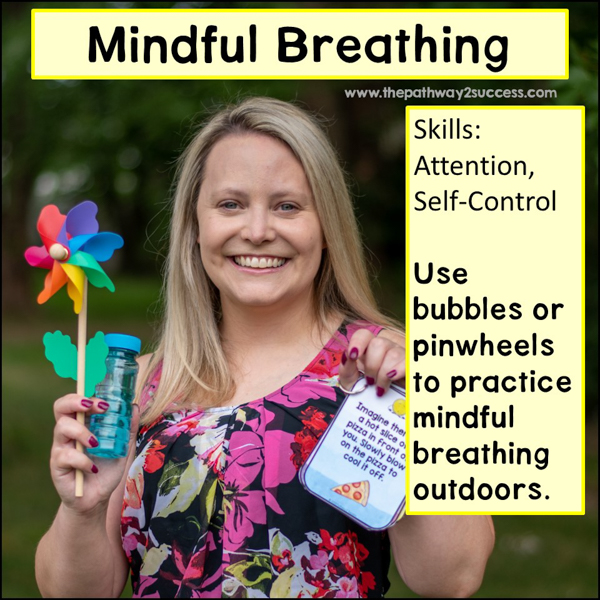
3. Outdoor Mindful Breathing
Target Skills: Self-Control, Attention
Implementation: Couple deep breathing exercises with sensory elements of the outdoors. Utilize props like pinwheels or bubbles to make breath control visual and tactile. Alternatively, practice nature-themed breathing techniques—such as imagining inflating like a giant tree or moving with the rhythm of the wind—to anchor the mind in the present moment.
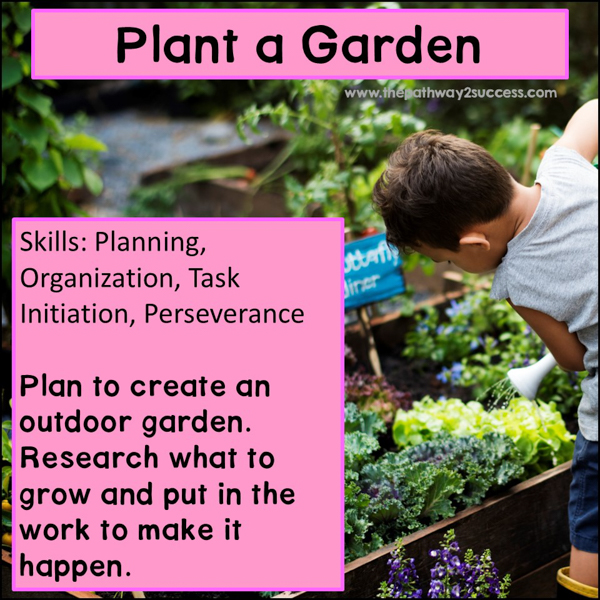
Implementation: Gardening is a masterclass in executive functioning. In the planning phase, children must research plant varieties, determine optimal soil and sun conditions, and inventory necessary tools. Once planted, the slow timeline of growth demands patience, sustained attention, and long-term organization.
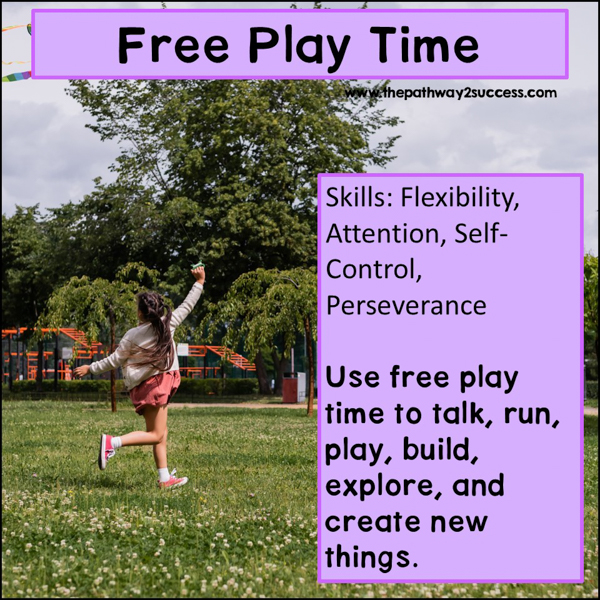
5. Unstructured Free Play
Target Skills: Flexibility, Attention, Self-Control, Perseverance, Time Management
Implementation: Modern schedules often over-program youth, robbing them of open-ended play. Giving children unsupervised, unstructured time in a green space forces them to negotiate rules, invent games, resolve peer conflicts, and manage their own time, building unmatched cognitive flexibility.
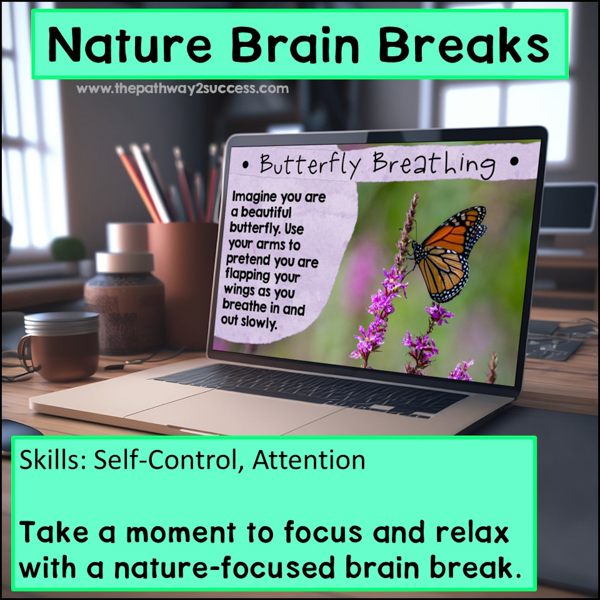
6. Nature Brain Breaks
Target Skills: Self-Control, Attention
Implementation: When mental fatigue sets in, utilize brief, nature-inspired somatic resets. Have students stretch their arms like soaring hawks or sway like weeping willow branches while regulating their breathing. These breaks actively replenish depleted cognitive resources.
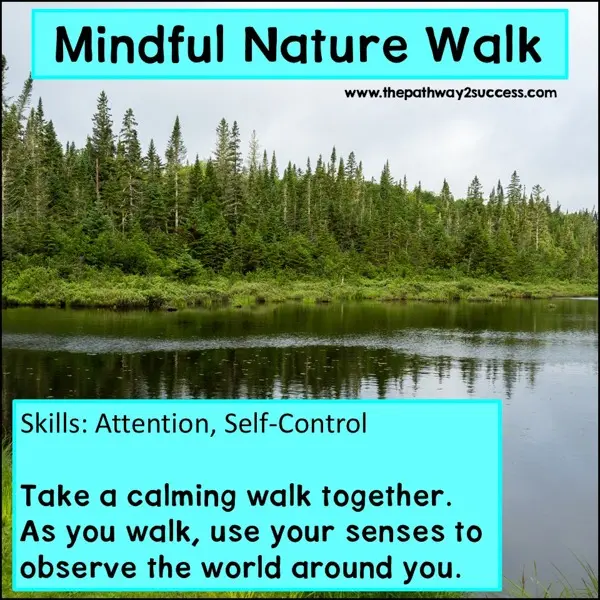
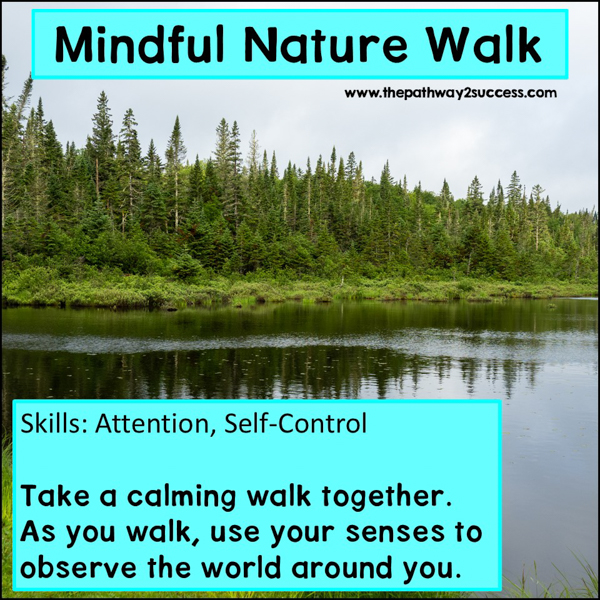
7. Mindful Nature Walk
Target Skills: Attention, Self-Control
Implementation: Unlike an exercise hike, a mindful walk prioritizes sensory slowness. Encourage children to systematically engage their five senses: identifying two things they hear, three things they see, and one texture they can touch. Post-walk reflections help solidify these self-regulation habits.
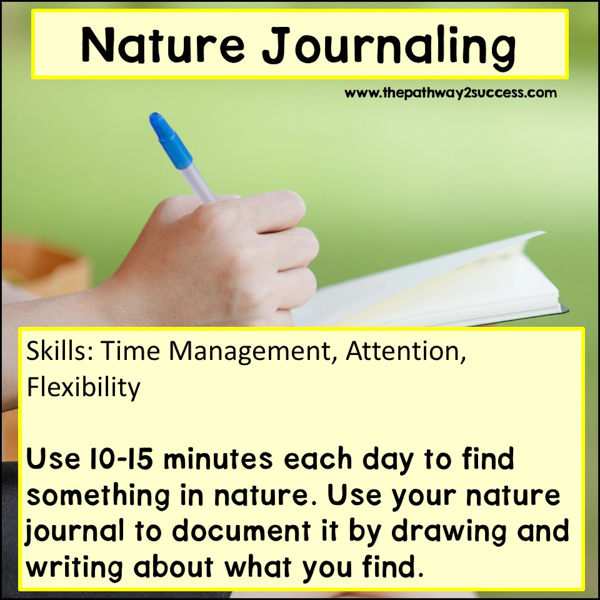
8. Start a Nature Journal
Target Skills: Time Management, Attention, Flexibility
Implementation: Equip children with a blank notebook to record daily observations. By tasking them with illustrating a specific plant or logging weather patterns over time, journaling instills discipline, reflective thinking, and consistent daily task initiation.
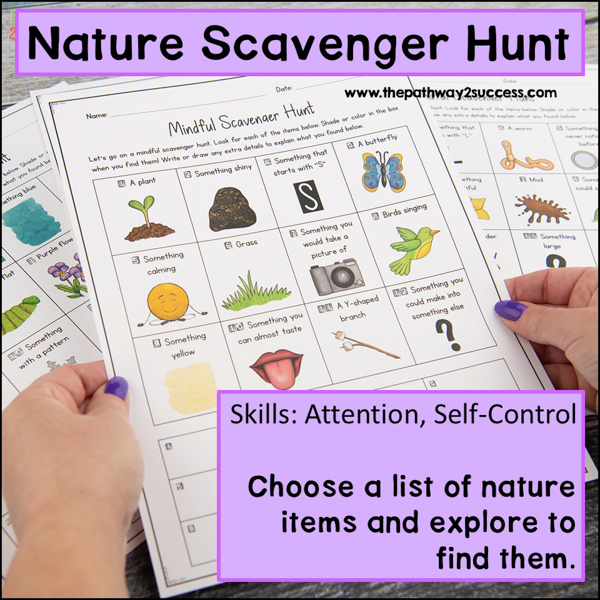
Implementation: Create a collaborative checklist of items to find (e.g., a smooth stone, a feather, a fallen pinecone). Scavenger hunts require working memory to remember the target list and inhibitory control to search methodically without getting sidetracked.
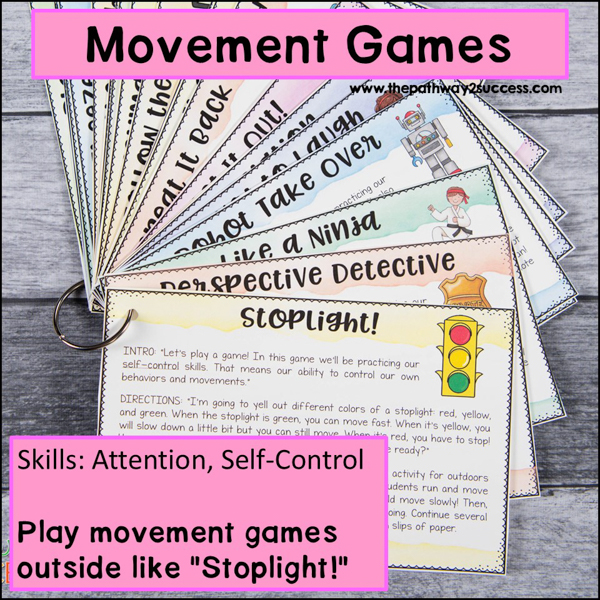
10. Play Movement Games
Target Skills: Attention, Self-Control, Working Memory
Implementation: Adapt classic playground games to the outdoors. "Follow the Beat" (where leaders clap or stomp rhythms that others must mirror) or nature-themed variations of "Simon Says" heavily tax working memory and motor inhibition.
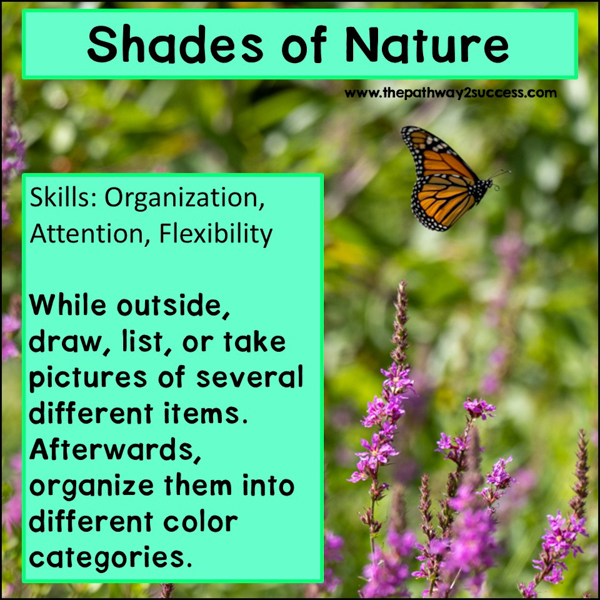
11. Shades of Nature
Target Skills: Organization, Attention
Implementation: Arm learners with a color palette or clipboard and task them with categorizing found objects by shade (e.g., collecting five distinct hues of green). This spatial-visual exercise trains categorical organization and fine-tuned observation.
12. Observe Nature
Target Skills: Attention, Self-Control
Implementation: Teach the art of stillness. Instruct students to find an isolated natural subject—such as an ant colony or a blossoming flower—and simply watch it undisturbed for five minutes. This profound exercise in patience builds deep inhibitory control.
13. Positive Affirmations with a Nature Twist
Target Skills: Attention, Self-Control
Implementation: Pair self-regulation strategies with positive self-talk. Reading or reciting confidence-building affirmations surrounded by wildlife helps children internalize resilience strategies, using cognitive reframing to push through difficult tasks.
14. Use Live Wildlife Cams
Target Skills: Attention, Flexibility
Implementation: On days when outdoor access is impossible, bridge the gap with virtual wildlife cameras. Monitoring nesting ospreys, eagles, or zoo habitats over weeks builds long-term attentional stamina and encourages adaptive thinking regarding animal behaviors.
15. Community Clean-Up and Art in Nature
Target Skills: Organization, Task Initiation, Time Management, Planning
Implementation: Combine cognitive training with civic responsibility by organizing a park clean-up or engaging in plein air drawing. Whether mapping out trash collection routes or visually capturing a natural landscape, these integrative tasks require structured project execution from conception to completion.
Expert Perspectives
"When we isolate children indoors and rely exclusively on digital mediums for stimulation, we starve their developing brains of the sensory richness they require to build robust executive controls," notes Dr. Elena Vance, a developmental psychologist specializing in cognitive neuroplasticity. "Nature is not a luxury accessory to education; it is an evolutionary prerequisite for optimal brain development."
Educators echo these sentiments. In school districts that have integrated daily outdoor experiential learning into their core schedules, administrators report noticeable reductions in behavioral disruptions and marked improvements in assignment completion rates.
Future Outlook
As the scientific consensus solidifies around the cognitive benefits of green spaces, the landscape of education and child psychology is beginning to shift. Urban planners, school architects, and policy makers are increasingly advocating for "biophilic design"—incorporating natural elements, living walls, and expansive outdoor classrooms directly into urban environments and school infrastructure.
The imperative moving forward is clear: society must reframe time spent in nature. No longer viewed merely as an idle pastime or a break from "real work," the great outdoors must be recognized as a vital, evidence-based modality for building the executive functioning skills that define human resilience, intelligence, and adaptability. By stepping outside, we give the next generation the foundational tools they need to navigate an increasingly complex world.