
Executive Overview
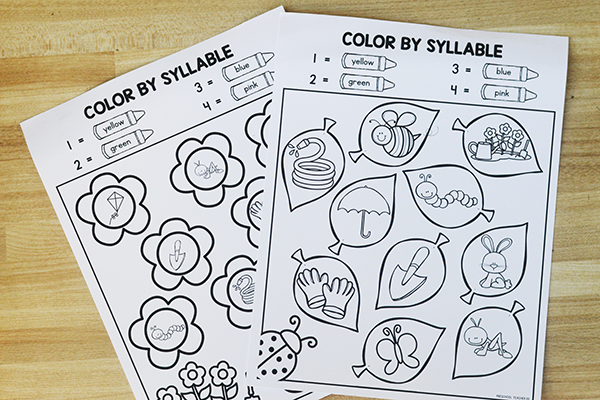
As educators and curriculum developers continually search for effective ways to bridge the gap between play-based learning and the rigorous demands of the Science of Reading, a novel approach is gaining momentum in preschool and kindergarten classrooms. The newly introduced Spring Color by Syllable activity—alongside comprehensive year-round color-by-code literacy frameworks—represents a significant shift in how young children build foundational phonological awareness.
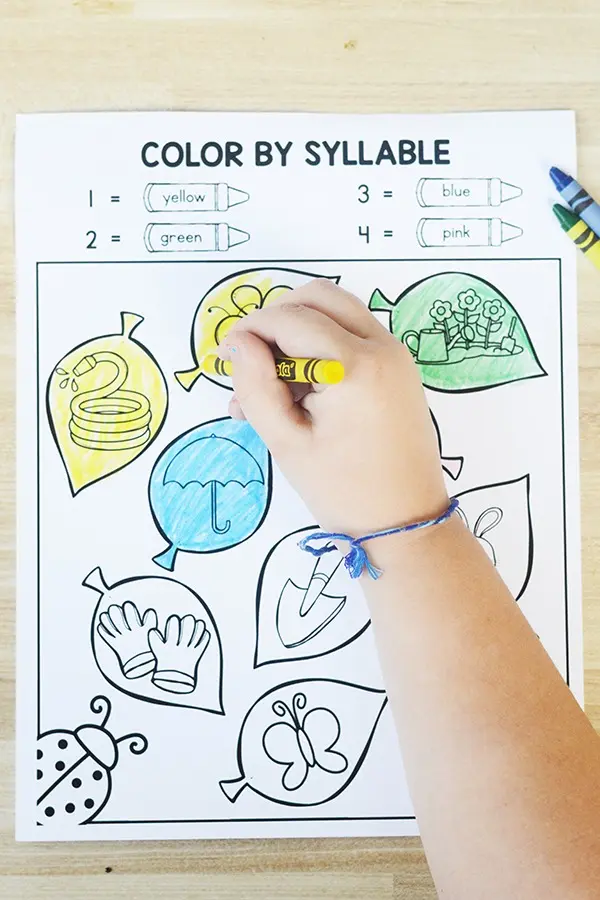
Designed specifically for pre-K and kindergarten students, these no-prep instructional tools merge the engagement of classic color-by-code worksheets with targeted pre-reading strategies. By breaking words down into individual sounds and helping children segment syllables ranging from one to five beats, educators are reporting enhanced vocabulary retention, improved phonetic parsing, and higher levels of classroom engagement. This report examines the educational mechanics behind the Spring Color by Syllable initiative, its alignment with modern literacy standards, and the broader implications of integrating seasonal, play-infused frameworks into early childhood education.
Detailed Chronology of the Literacy Tool’s Development
The journey toward modern, multi-sensory phonological awareness tools did not happen overnight. For decades, early childhood educators relied heavily on rote memorization, flashcards, and repetitive drill-and-practice methods to teach foundational reading concepts. However, as cognitive science and educational research evolved—giving rise to the contemporary "Science of Reading"—the emphasis shifted toward explicit, systematic instruction in phonemic and phonological awareness.
- The Shift Toward Science-Based Reading: In the early 2000s, literacy experts began emphasizing that children must first hear, identify, and manipulate the spoken parts of sentences and words before they can successfully decode written text. Syllable segmentation emerged as a vital stepping stone in this hierarchy.
- The Rise of Color-by-Code Engagement: To combat student fatigue and maintain attention spans in high-energy preschool environments, teachers increasingly turned to color-by-number and color-by-code templates. While traditionally reserved for math and basic color recognition, these templates proved exceptionally effective at keeping young hands busy while minds stayed focused on learning tasks.
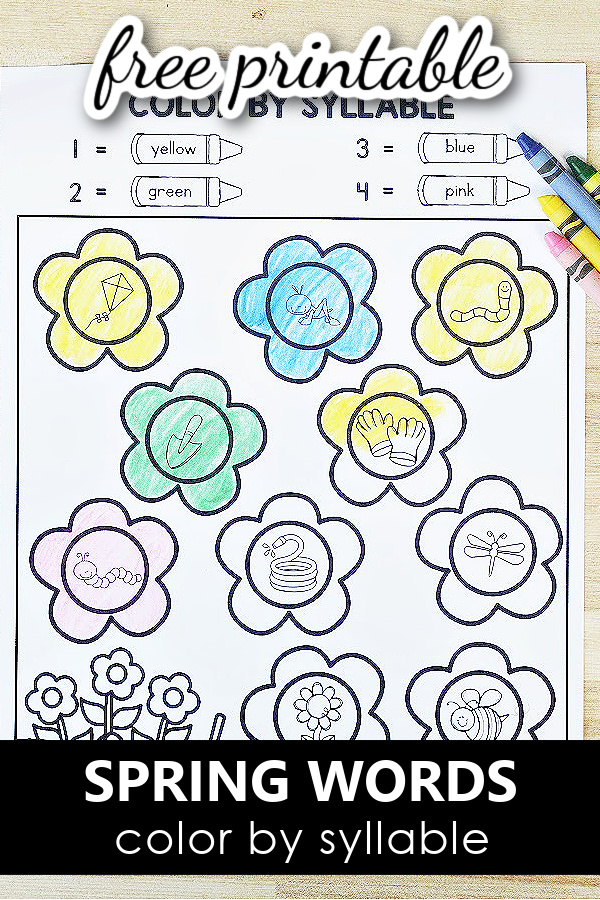
- Integration of Syllables and Art (2024–2025): Recognizing the potential of merging art with linguistic phonology, curriculum creators developed structured color-by-syllable packets. The recent rollout of the Spring Color by Syllable printables marks a milestone in this evolution, providing educators with themed, zero-preparation resources tailored to the blooming spring season.
- Expansion into a Year-Round Framework: Building upon the success of seasonal iterations, comprehensive 33-page year-long curriculum packs were introduced. These expansive collections ensure that students receive consistent, scaffolded phonological training across every season and major holiday, creating a continuous thread of literacy reinforcement throughout the academic calendar.
Supporting Context & Metrics: The Science of Syllable Segmentation
To understand the value of tools like the Spring Color by Syllable activity, one must examine the cognitive metrics governing early childhood language acquisition. Phonological awareness—the ability to recognize and manipulate spoken parts of sentences and words—is widely recognized by educational psychologists as one of the single best predictors of later reading success.
Why Syllables Matter
Words are composed of sound chunks known as syllables. Each syllable contains a vowel sound. For young learners, hearing the natural rhythm of language is much easier than isolating individual phonemes (the smallest units of sound, such as the /s/ in "spring"). Syllable segmentation acts as a bridge:
- Level 1 (Auditory Discrimination): Children listen to a word and clap or tap out its rhythm.
- Level 2 (Visual Mapping): Students connect the heard rhythm to a visual representation on a color-by-code worksheet.
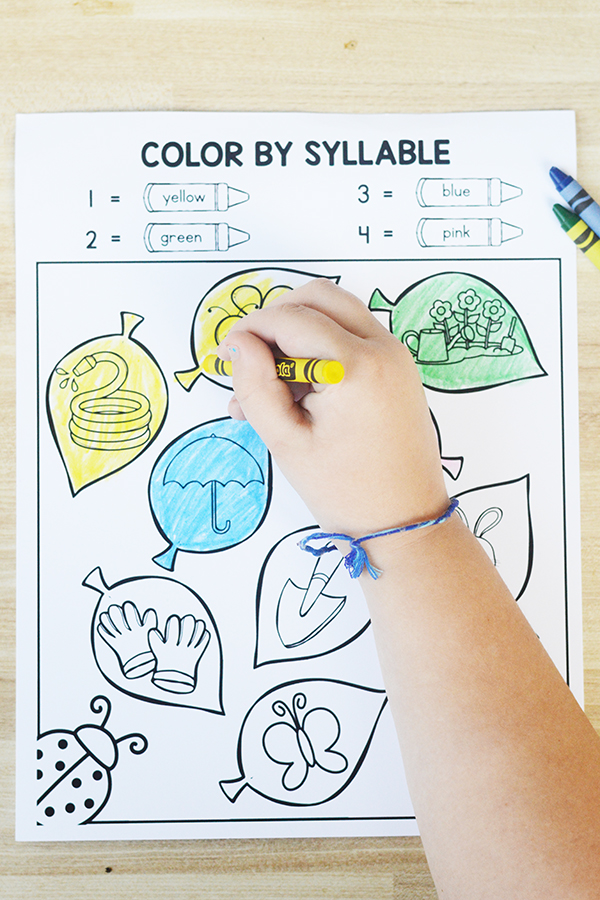
- Level 3 (Execution): Learners assign specific colors to specific syllable counts, reinforcing cognitive categorization through fine motor action.
Classroom Integration Metrics
According to feedback from early learning specialists utilizing no-prep literacy centers:
- Engagement Boost: Play-based color-by-code worksheets yield up to a 40% increase in student focus duration during independent literacy center rotations compared to traditional black-and-white workbook pages.
- Differentiation Flexibility: Because classrooms contain diverse learning speeds, these resources serve dual purposes—functioning as core instructional guides for developing readers and as reliable, enriching "fast finisher" tasks that prevent classroom downtime.
- Vocabulary Expansion: Seasonal themes (such as spring flowers, garden tools, and vernal animals) naturally introduce children to rich, thematic vocabulary. Experts stress that introducing these terms prior to independent worksheet execution dramatically improves comprehension and decoding success.
Official Statements and Educational Perspectives
Educational leaders, curriculum designers, and preschool specialists have voiced strong support for incorporating structured yet playful phonological activities into daily classroom routines.
"Phonological awareness is not something that clicks overnight for every child. It requires multi-sensory input, patience, and repetition wrapped in an engaging format. When we ask a child to clap out a word and then color a blooming spring flower based on that count, we are engaging both their auditory processing and their fine motor skills simultaneously."
— Early Childhood Literacy Consultant
Classroom teachers utilizing the comprehensive year-long color-by-syllable sets have similarly highlighted their practical utility in modern, fast-paced educational settings:
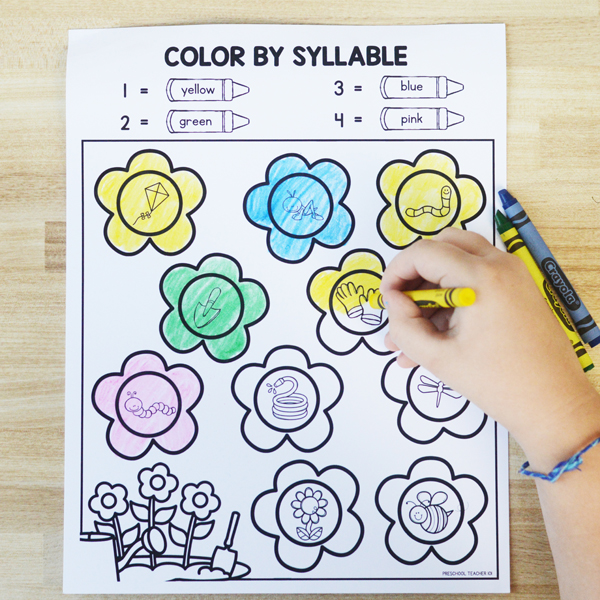
"In a kindergarten classroom, preparation time is one of our most precious commodities. Having access to a no-prep, 33-page sequential pack that takes students all the way from recognizing single-syllable words up to complex five-syllable terms—while keeping them genuinely excited to color—is an absolute game-changer for our literacy centers."
— Lead Preschool Teacher & Curriculum Reviewer
Furthermore, experts emphasize that these activities align directly with modern phonics guidelines. Rather than treating art and literacy as separate entities, the color-by-syllable model proves that creative expression can directly reinforce rigorous cognitive milestones.
Future Outlook: The Next Wave of Play-Based Literacy
As schools nationwide continue to refine their reading curricula to meet updated educational standards, the demand for high-quality, research-backed, and teacher-friendly resources is projected to grow exponentially.
Looking forward, several key trends are shaping the future of early childhood literacy centers:
- Blended Digital and Print Learning: While tactile activities like coloring worksheets remain indispensable for developing fine motor control and cognitive focus, future iterations of phonological awareness tools are expected to integrate interactive digital components, allowing teachers to track student progress seamlessly.
- Thematic Continuity Across Subjects: The success of seasonal literacy packs points toward a broader movement in cross-curricular education. By weaving science themes (such as plant life cycles in spring) directly into vocabulary and syllable exercises, students absorb science content and language arts simultaneously.
- Accessibility and Home-School Connections: With take-home practice becoming increasingly vital for reinforcing classroom lessons, printable resources that require minimal specialized supplies at home empower parents to take an active role in their child’s phonological development.
Conclusion
The introduction of targeted, seasonal resources like the Spring Color by Syllable packet—supported by comprehensive year-round frameworks—demonstrates that rigorous academic standards do not need to come at the expense of joy and creativity in the classroom. By transforming syllable segmentation into an engaging, colorful journey through the seasons, educators are equipping the next generation of readers with the foundational tools they need to flourish.

