In the high-stakes environment of modern education, instructional coaching and school leadership are frequently positioned as the primary catalysts for institutional improvement. When instructional coaches or administrators step into classrooms, their stated objective is invariably the enhancement of teaching methodologies and student learning outcomes. However, this process frequently runs aground on a formidable barrier: teacher pushback.
Traditionally, educational systems have pathologized this resistance. When educators express hesitation, skepticism, or outright refusal regarding proposed pedagogical shifts, conventional administrative instincts often attribute the impasse to a personal deficiency within the teacher. Common refrains suggest that the educator is simply resistant to change, stubbornly set in their ways, or fundamentally averse to innovation.
A groundbreaking paradigm shift, however, challenges this long-held diagnostic framework. Elena Aguilar, a veteran instructional coach, educator, and author of nine seminal books on teaching and leadership, posits a radical reimagining of this dynamic in her latest work, How to Coach Resistance: Turning Pushback Into Possibility. Aguilar argues that resistance is not an isolated, static behavioral flaw exhibited by an uncooperative teacher. Instead, it is an interactive, relational dynamic co-created by both parties in the room.
By reframing pushback as an interplay of mutual pressures, emotional undercurrents, and misdiagnosed professional needs, Aguilar offers a transformative roadmap for coaches, school leaders, and mentors. This investigative report explores the core tenets of Aguilar’s philosophy, examining how dropping defensive postures, decoding underlying emotional drivers, identifying specific growth gaps, and respecting legitimate ethical pushback can convert institutional friction into a powerful vehicle for authentic educational transformation.
Detailed Chronology: The Evolution of Coaching Paradigms and the Birth of a New Framework
To fully understand the significance of Aguilar’s current contribution to educational literature, one must examine the historical trajectory of instructional coaching and professional development (PD).
The Traditional Compliance Era
For decades, instructional coaching emerged largely from a corporate-inspired accountability model. Early frameworks often treated teachers as assembly-line workers who needed optimization. In these environments, coaching was hierarchical, prescriptive, and top-down. Leadership mandated a curriculum, an instructional strategy, or a classroom management system, and coaches were deployed to ensure fidelity of implementation.
When teachers resisted—pointing out logistical impossibilities, cultural disconnects, or developmental inappropriateness—the system labeled them as non-compliant. Professional development during this era rarely questioned the validity of the mandate; instead, it focused exclusively on overcoming the teacher’s psychological barriers to compliance.
The Shift Toward Adult Learning Theory
As the complexities of human psychology and adult learning theory began to influence education in the late 1990s and 2000s, progressive coaches recognized that adults learn differently than children. Adults bring prior experiences, deeply held beliefs, professional identities, and emotional vulnerabilities to their work.
Despite this evolution, a significant blind spot remained: the assumption that while teachers had legitimate emotional needs, resistance itself was still something the coach had to "manage" or "fix" in the teacher. The locus of the problem remained external to the coach.
The Relational Revolution (How to Coach Resistance)
Aguilar’s latest work represents a watershed moment in educational coaching theory. By identifying resistance as an interpersonal dynamic rather than a unilateral symptom of teacher obstinacy, the framework shifts the locus of control.
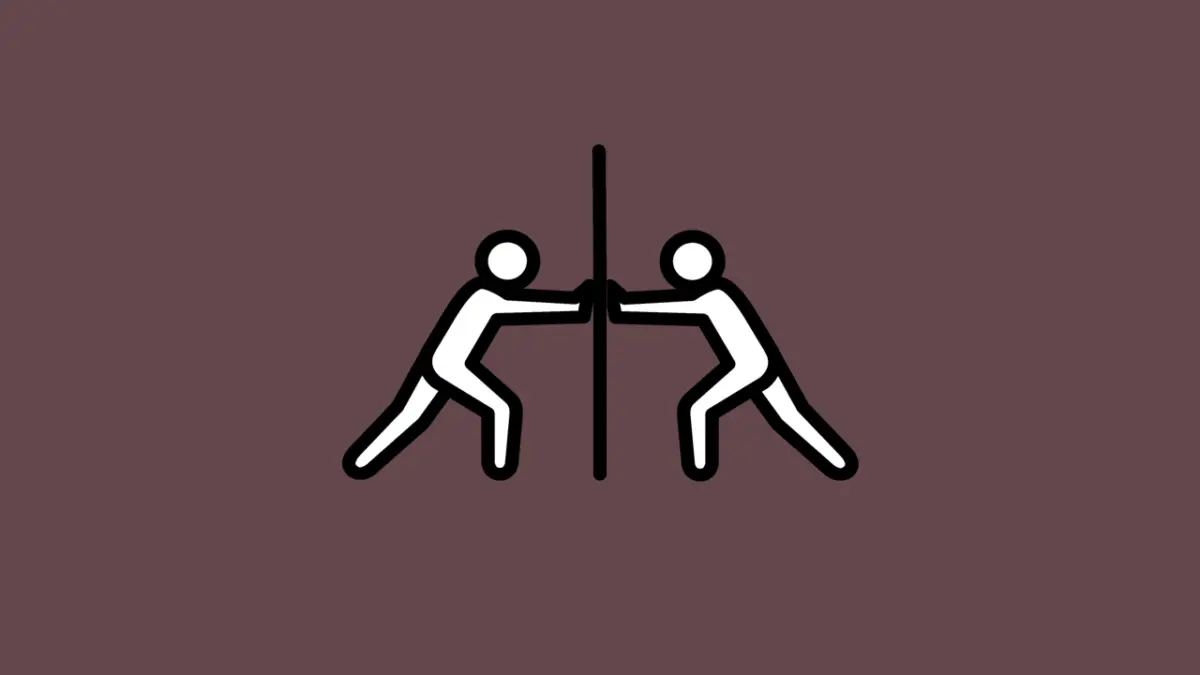
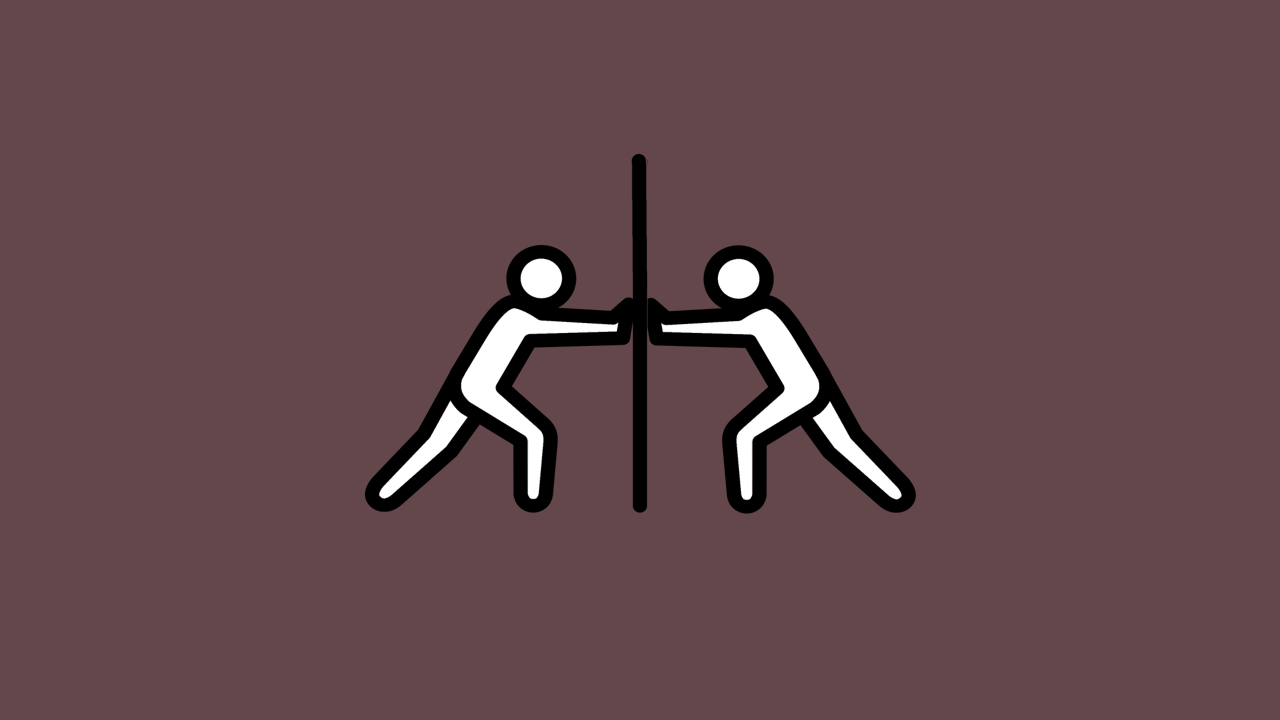
The Interpersonal Mechanics: Aguilar conceptualizes resistance through a visceral physical metaphor: two hands pushing against one another. The resulting tension is not generated solely by the teacher’s hand or the coach’s hand, but by the combined force of the collision.
The De-escalation Protocol: By urging coaches to "drop their hand"—to cease applying institutional or ideological pressure—Aguilar established a repeatable methodology for de-escalation.
Systemic Integration: This approach bridges the gap between emotional intelligence and structural pedagogy, providing educators with concrete frameworks like the ACE model (Acknowledge emotions, Cultivate compassion, Expand the story) and the Gaps Framework (Skill, Knowledge, Capacity, Will, Emotional Intelligence, Cultural Competence).
Supporting Context & Metrics: The Anatomy of Classroom Pushback
To appreciate why Aguilar’s framework is urgently needed, one must analyze the systemic pressures currently bearing down on educators and instructional coaches alike. Modern classrooms are increasingly complex ecosystems characterized by diverse student needs, shifting academic standards, technological disruptions, and chronic resource constraints.
The Psychology of Mutual Defensiveness
When an instructional coach enters a classroom with a directive to change a teacher’s practice, both individuals often enter a state of subconscious threat response:
The Teacher’s Fear: The educator worries about exposure, inadequacy, the loss of classroom autonomy, and the immediate cognitive overload of learning a new system while managing thirty students.
The Coach’s Fear: The instructional leader worries about institutional accountability, failing to meet district-mandated coaching metrics, and the professional vulnerability of being unable to "move" a struggling classroom.
When these anxieties collide, defensive posturing spikes. The teacher insists, "My students can’t handle this complex text." The coach counters with, "Every student is capable of rigorous grade-level work if scaffolded correctly." Each assertion hardens the ideological boundary, escalating the pressure and cementing the deadlock.
Empirical Insights on Professional Growth Gaps
A critical element of Aguilar’s research involves challenging the ubiquitous assumption that pushback is rooted in a "will gap"—the cynical belief that a teacher simply does not want to do the work.
Educational research consistently demonstrates that instructional failure or resistance is far more frequently rooted in non-will categories:
Skill Gaps: The teacher understands the concept theoretically but lacks the procedural fluency to execute it smoothly in real time.
Knowledge Gaps: The educator has never been trained in the foundational principles underlying the new directive (e.g., asking secondary math teachers to incorporate rigorous literacy instruction without a background in reading pedagogy).
Capacity Gaps: The physical, temporal, or mental bandwidth required for the change exceeds the teacher’s current operational limits due to excessive workloads or administrative burdens.
Emotional Intelligence & Cultural Competence Gaps: The proposed changes collide with the socio-emotional realities of the classroom or fail to honor the cultural wealth and lived experiences of the student body.
By utilizing diagnostic frameworks instead of punitive assumptions, instructional leaders can pinpoint the exact nature of the professional barrier, replacing frustration with targeted, empathetic support.
Official Statements and Expert Perspectives
The release of How to Coach Resistance has sparked robust dialogue among educational theorists, instructional coaches, and school administrators nationwide. Experts are rallying around the core thesis that emotional intelligence must sit at the center of professional development.
Elena Aguilar herself speaks directly to the empowering nature of this paradigm shift:
"This is not to blame you," Aguilar writes, addressing instructional coaches directly. "It is the most hopeful thing I can tell you, because it means resistance is not fixed. It is determined at least in part by what you bring into the room, and what you bring is something you can change."
Expanding on the necessity of emotional attunement during coaching sessions, Aguilar emphasizes the limitations of traditional, clinical approaches:
"We don’t have to be therapists. We don’t have to probe into their past. We don’t have to do much more than acknowledge them [emotions]. And through acknowledging them, we’re also communicating acceptance."
Furthermore, educational commentators note that Aguilar’s work validates a rarely discussed phenomenon: the concept of righteous resistance. Not all pushback is born of fear or lack of skill; sometimes, institutional mandates are pedagogically unsound, developmentally inappropriate, or ethically questionable.
Aguilar underscores this reality:
"There are times when resistance is righteous, and there needs to be resistance. Resistance in and of itself is not a bad thing."
By distinguishing between defensive hesitation and principled objection, Aguilar elevates the discourse, empowering teachers to advocate for their students and forcing leadership to evaluate the integrity of their own directives.
Future Outlook: Transforming School Cultures Through Radical Curiosity
As educational institutions look toward the future, the implications of redefining resistance extend far beyond individual coaching sessions. School districts grappling with teacher retention crises, burnout, and widespread pedagogical fatigue must reevaluate how they support instructional improvement.
The Shift Toward Partnership
The future of instructional leadership lies in dismantling hierarchical oversight in favor of genuine collaborative partnership. When coaches approach teachers with the implicit message—“I’m not here to judge you. I’m not going to tell you what to do. I want to be a partner. I want to help you work through this”—the psychological safety of the school environment expands exponentially.
Actionable Takeaways for Educational Leaders
Adopt the ACE Framework: Leaders and coaches must integrate Acknowledging emotions, Cultivating compassion, and Expanding the story into their daily interactions, ensuring that emotional processing precedes logistical problem-solving.
Diagnose Before Directing: Before labeling a teacher as resistant, coaches must systematically evaluate the six professional gaps (Skill, Knowledge, Capacity, Will, Emotional Intelligence, and Cultural Competence) to identify the true root cause of the barrier.
Honor Righteous Pushback: Systems must create safe feedback loops where teachers can legitimately question administrative directives that conflict with child development, equity, or ethical educational practice.
Practice Internal Compassion: Coaches cannot successfully invite teachers to practice self-compassion and vulnerability if they have not cultivated those same internal capacities within themselves.
Conclusion
Ultimately, Elena Aguilar’s work reminds us that human growth cannot be forced through coercion or administrative pressure. By trading the combative stance of "overcoming resistance" for the exploratory posture of "coaching resistance," educators and leaders can dismantle the walls of defensiveness. In doing so, they transform institutional friction into an invaluable catalyst for profound, lasting, and joyful professional growth.